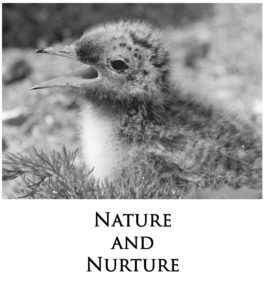


Mother’s Day is timed very appropriately as various creatures currently embark on their spring preparations for new life. Therefore we’ve chosen to show our appreciation for hard-working parents by looking at how some of them raise their young within the animal kingdom.
Grey Seals – Halichoerus grypus
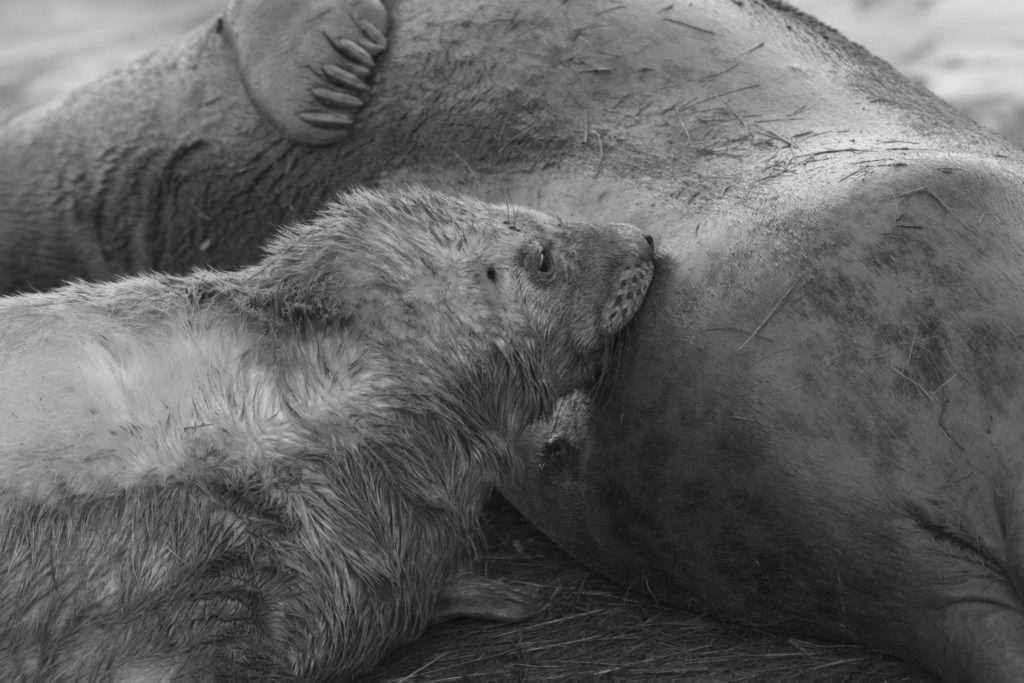
Come autumn each year, an exciting event begins that in certain places in Britain, can be observed closely by the general public. It is the grey seal pupping season.
From around September until November, female grey seals haul themselves onto land in order to give birth to their young. At the same time, males follow with intentions of mating.
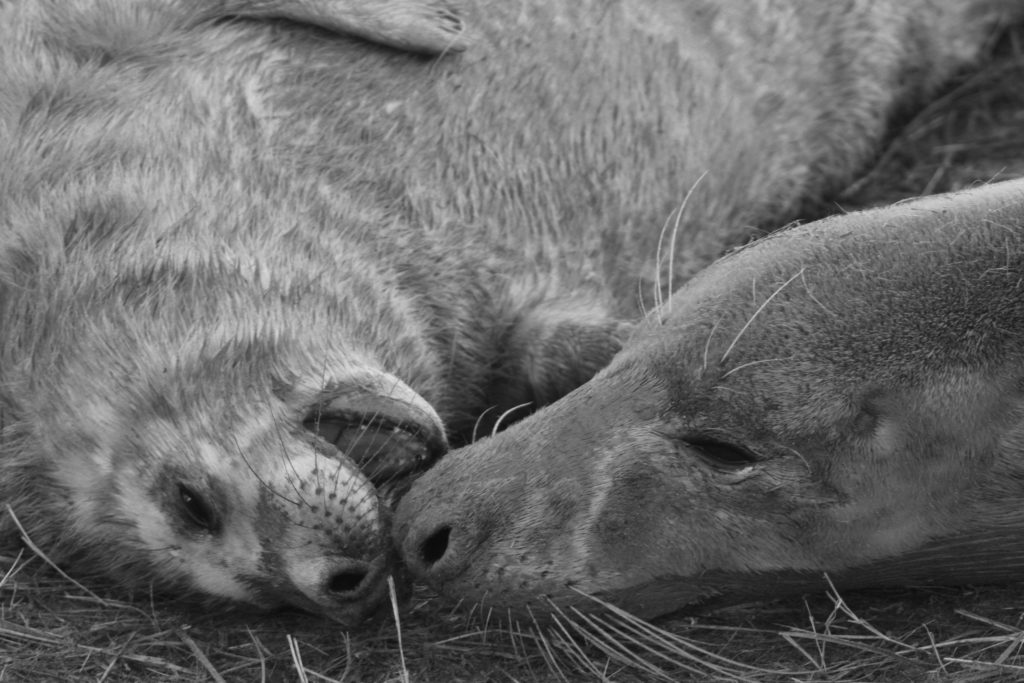
The mothers and pups have relationships that are endearing to watch whilst the youngsters suckle for their first three weeks or so. During those weeks the mother’s fatty milk helps the pup gain around 2kg of weight each day. As a consequence, after starting out their life at roughly 14kg, the milk helps them to triple their weight; preparing them for their time at sea.

With their mother’s help, the pups go from cute, white, fluffy youngsters to impressive adults that are prepared to embark upon their own adventures.
Kittiwakes – Rissa tridactyla

The kittiwake’s onomatopoeic call is enough to alert you to their presence within a seabird colony. At the right time within the season, it shouldn’t then be long until you see that fluffy chick sat beside them. Each year the males return to their previous nesting sites and call-out to females to join them. If a male and female were successful the previous year, they may pair up again and begin breeding quite early.

The kittiwakes make a comfortable nest that often contains mud, seaweed and grass. Their chicks (normally two of them) hatch after 25-32 days of incubation. They should be in relative safety with the steep cliff keeping away some predators, whilst neighbouring kittiwakes provide further protection.
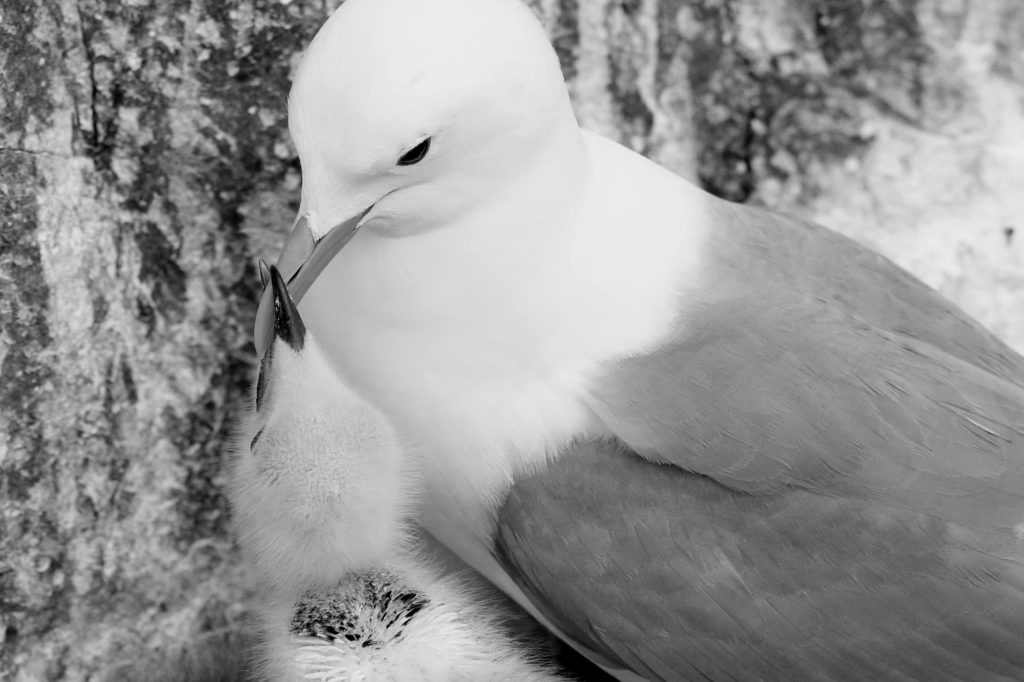
The chicks can look forward to regular meals of regurgitated fish, however, when they are about 33-54 days old, it’s time for them to fledge. They need to learn quickly in order to survive but if they get it right, they could live until their late twenties!

Coot – Fulica atra

I never found coots to be very interesting birds until I saw them at the nest. Suddenly a character emerged that was hidden before. The chicks were vibrant and the parents proved attentive.
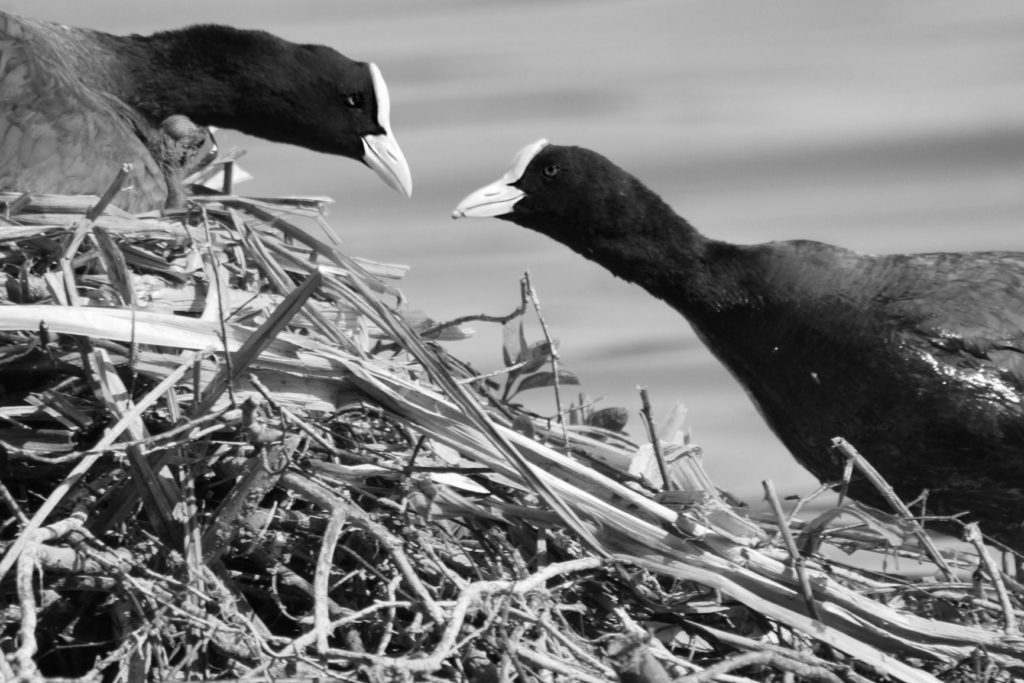
Coots are easy birds to find and their nests are large and therefore simple to spot. The parents are busy in the breeding season, caring for up to ten eggs at a time and perhaps as many as 3 clutches in a year.
Sadly many of the chicks may starve or be predated by birds such as herons or gulls. If they’re lucky they’ll be about ready for independence at around 2 months old. We can then enjoy watching even more coots floating about on our local lakes.

Starling – Sturnus vulgaris
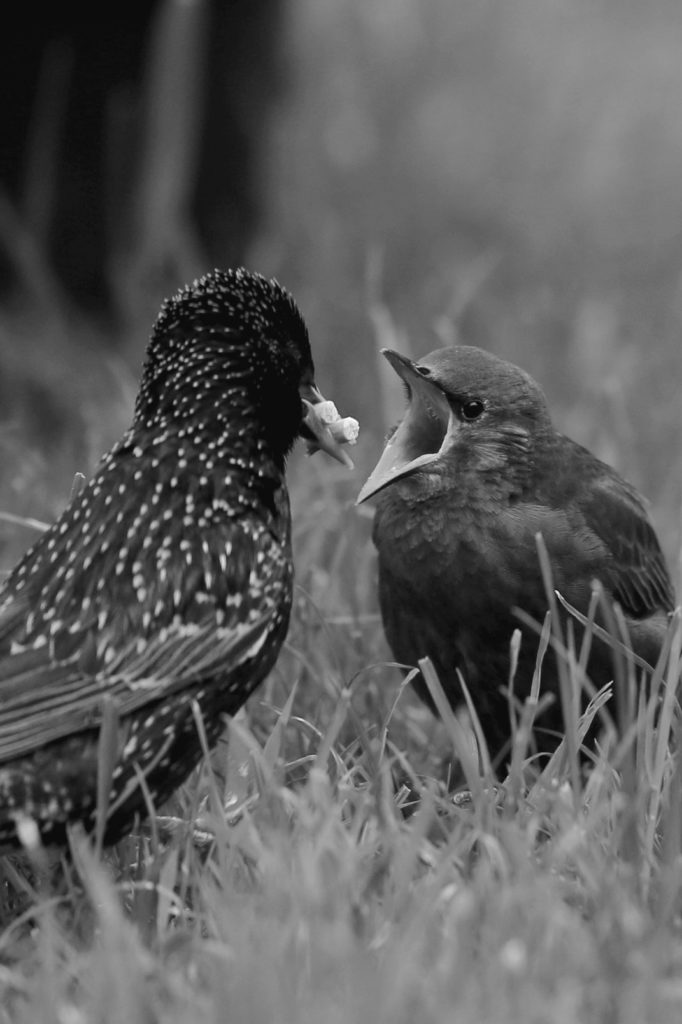
If you have starlings in the vicinity of your home, you will likely know when the young have fledged. Suddenly gardens fill up with boisterous, squawking birds that demand food and water at a faster rate than anyone can provide it.
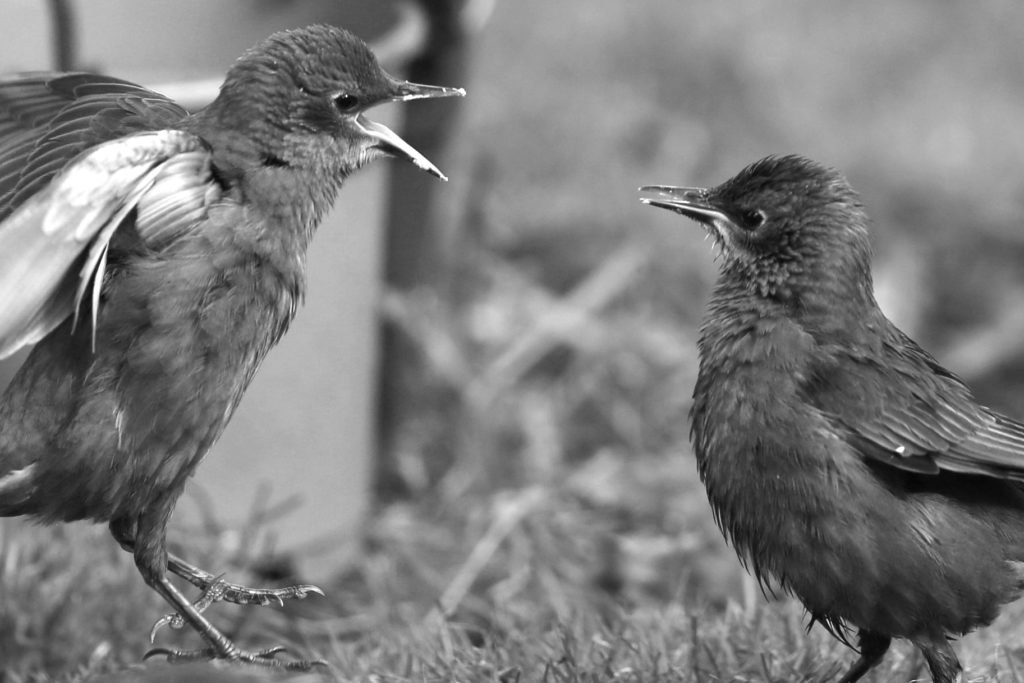
Welcome to spring! It took those young starlings only 12 days to hatch and about three weeks to fledge. The male will have built the beginning of the nest in a hole or cavity and the female finished it. She will have done most of the incubating of her 4-6 eggs and the effort she and the male put in mostly pays off. Around 70% of the eggs that were laid turn into successfully fledged starlings.

Arctic Tern – Sterna paradisaea
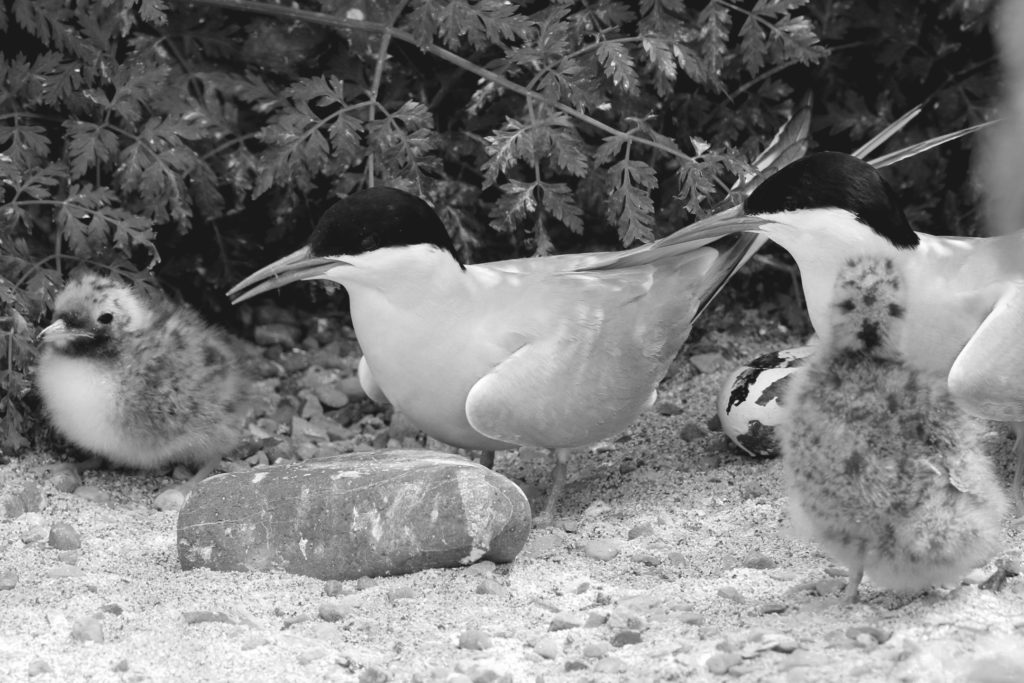
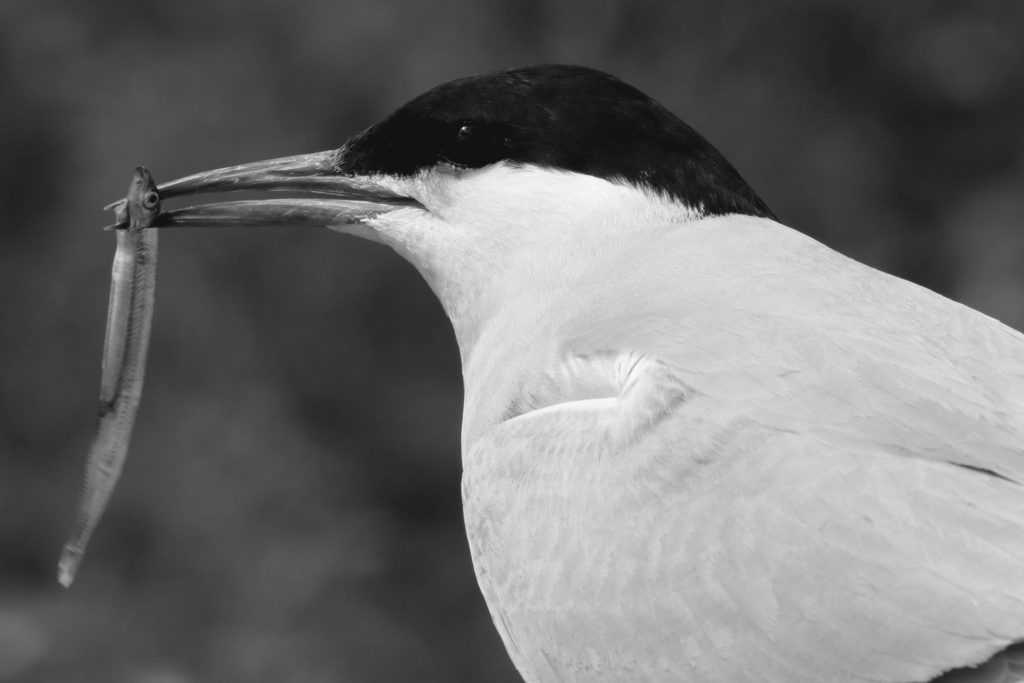
If you have received the attentions of an Arctic tern, you will understand they’re not to be messed with. The breeding season begins with flamboyance as the male tern calls loudly whilst flying over the colony with a fish. A female will show that she’s interested by involving herself in an elaborate chase. The terns ‘strut’ about on the ground before passing the fish between them.
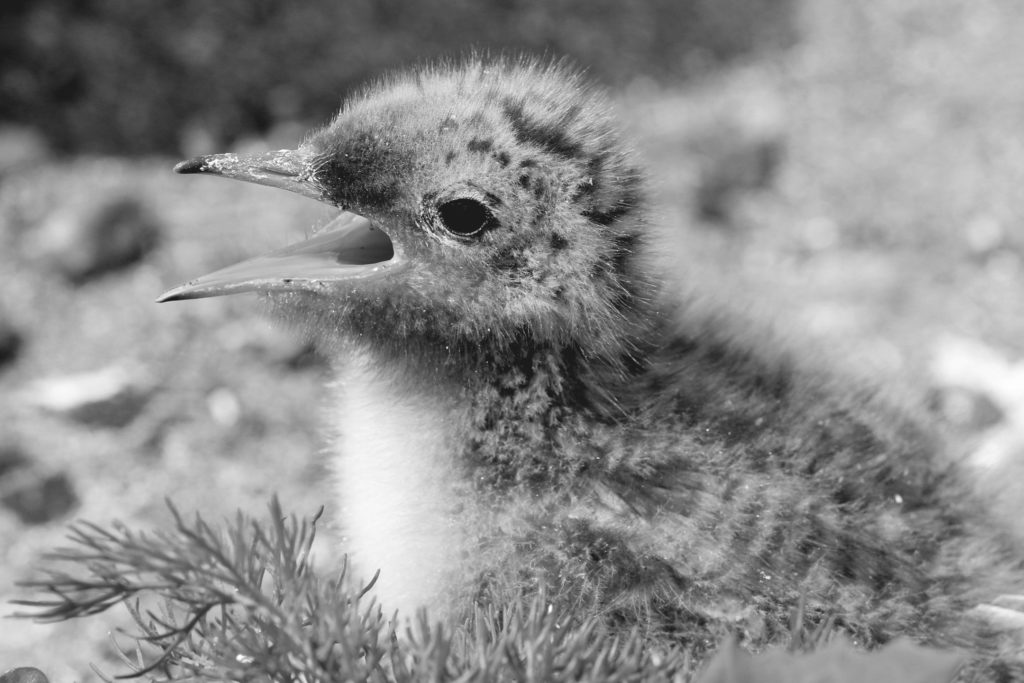
They prefer to mate with previous partners and after one or two eggs have been laid, they share the incubation. After 20-24 days, their camouflaged chicks emerge from their eggs. The parents provide them with prey, often at the cost of the adult’s own health and weight.
There are many predators about within a bird colony, so the chicks must learn to hide. Those that survive are able to fly when they are around 21-24 days old. The parents and chicks take to the skies together so the adults can continue to provide their chicks with food for another month at least.
Humans and Other Animals
The wonderful thing about parenthood within the natural world is its variety. All of the creatures we’ve mentioned above, receive some sort of care after birth or hatching but some species go above and beyond.
The ultimate sacrifice must be that of some spiders because they give their life so that their young can eat them. It sounds horrific doesn’t it! Although this attentiveness to the needs of their young may not be any more important than that of humans. As humans I believe we may be unique as we support our children throughout their lives and remain an important part of their survival.
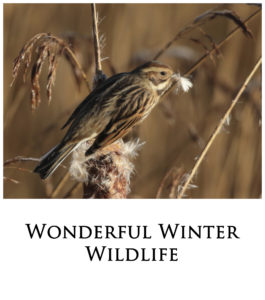
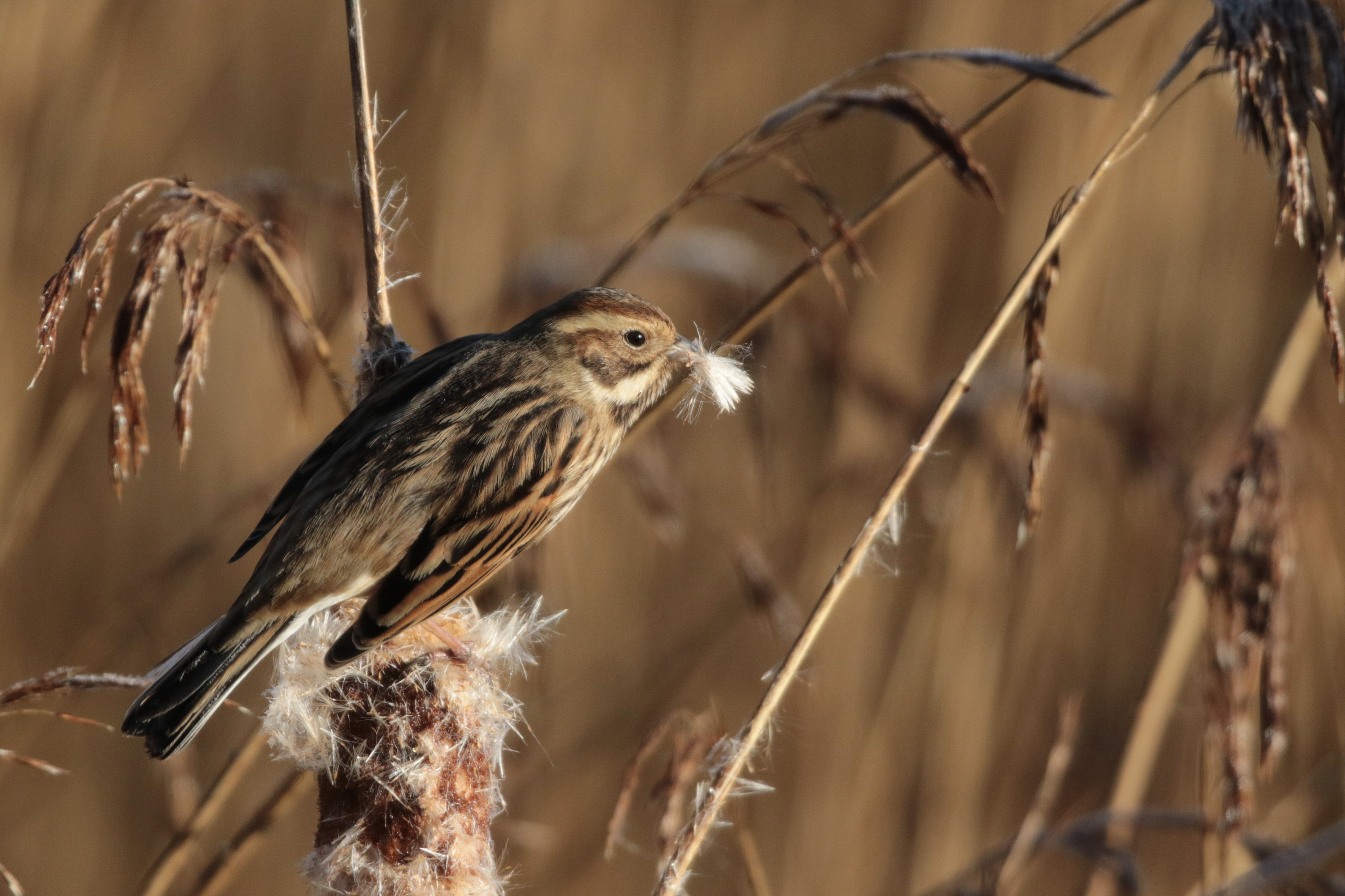
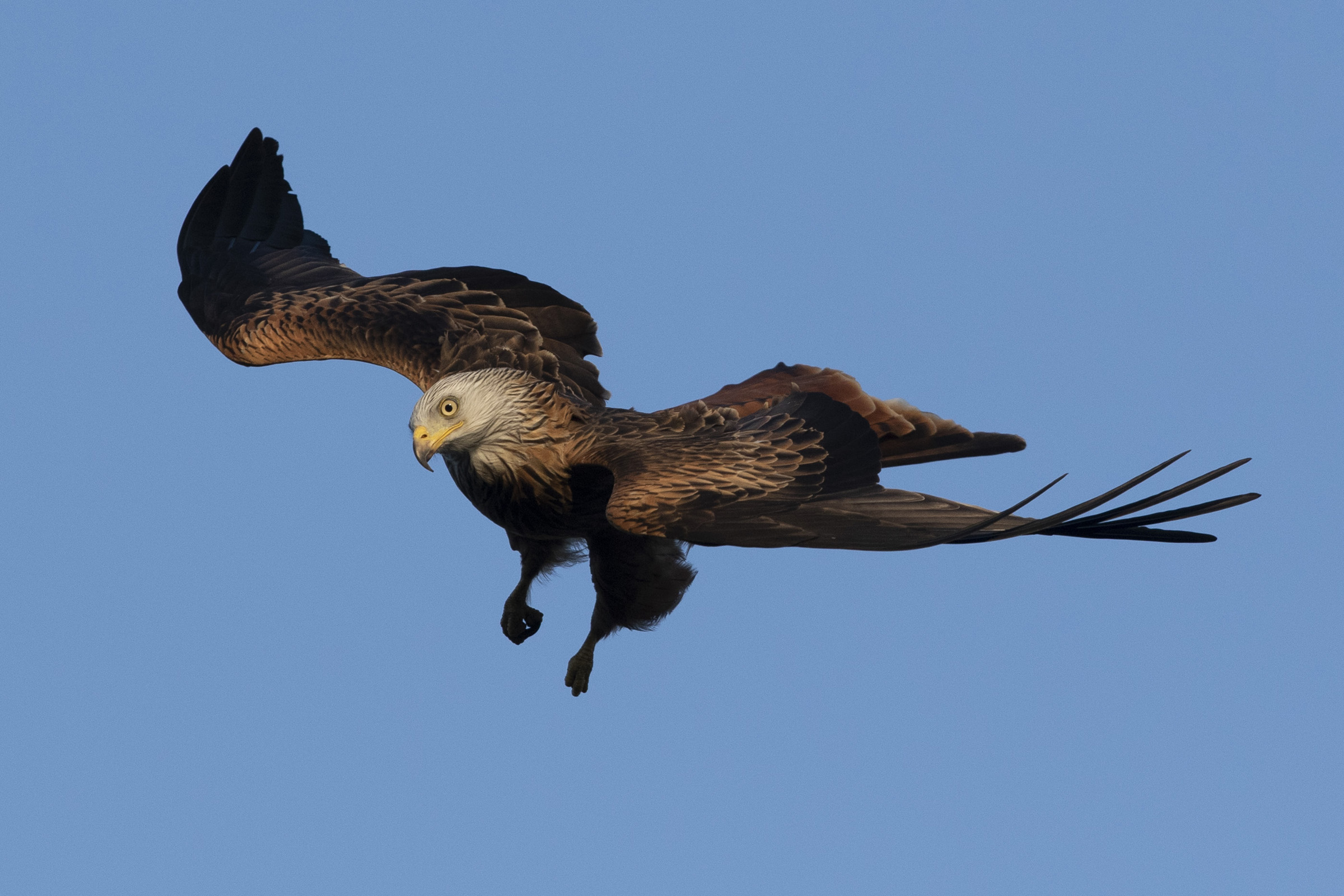
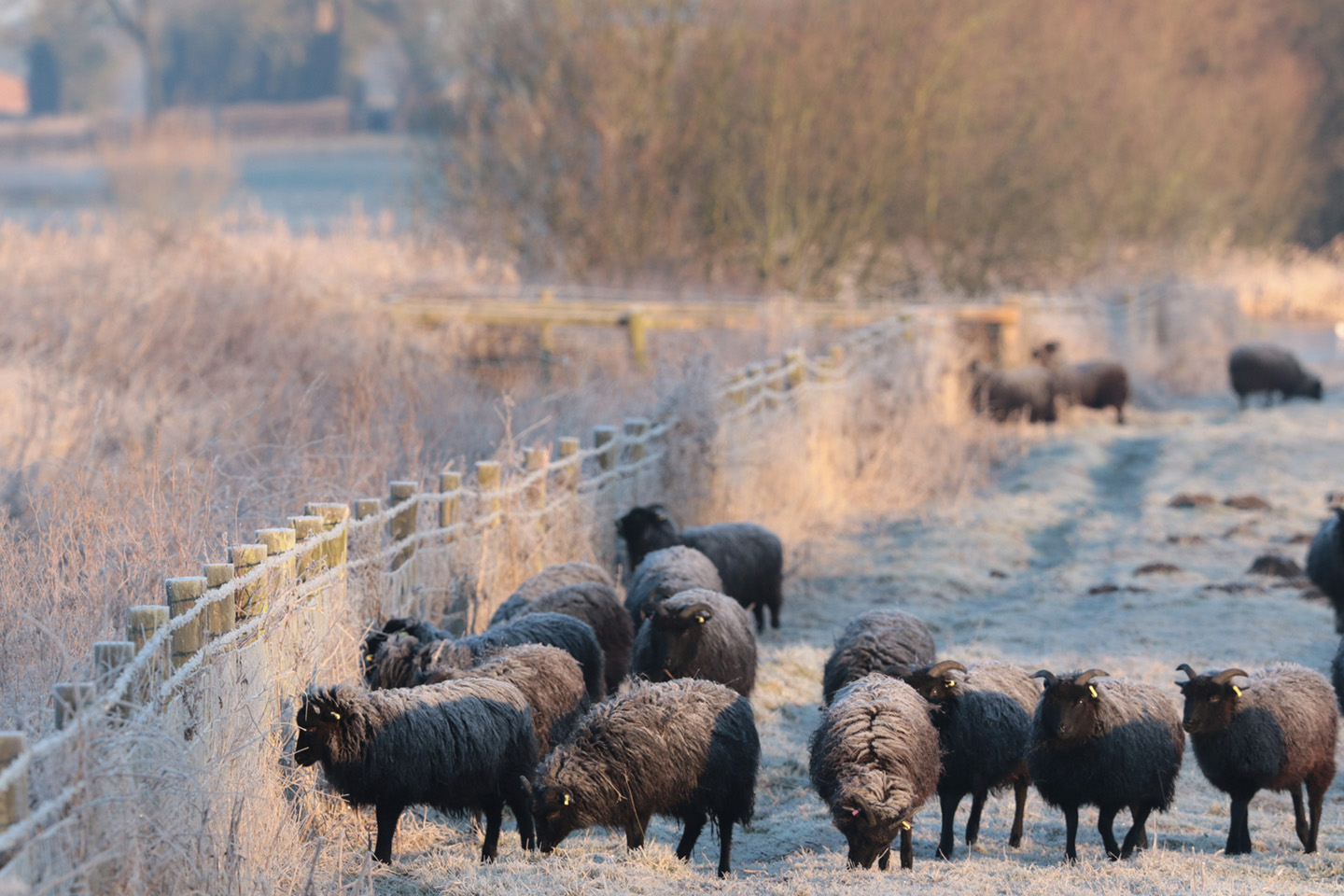
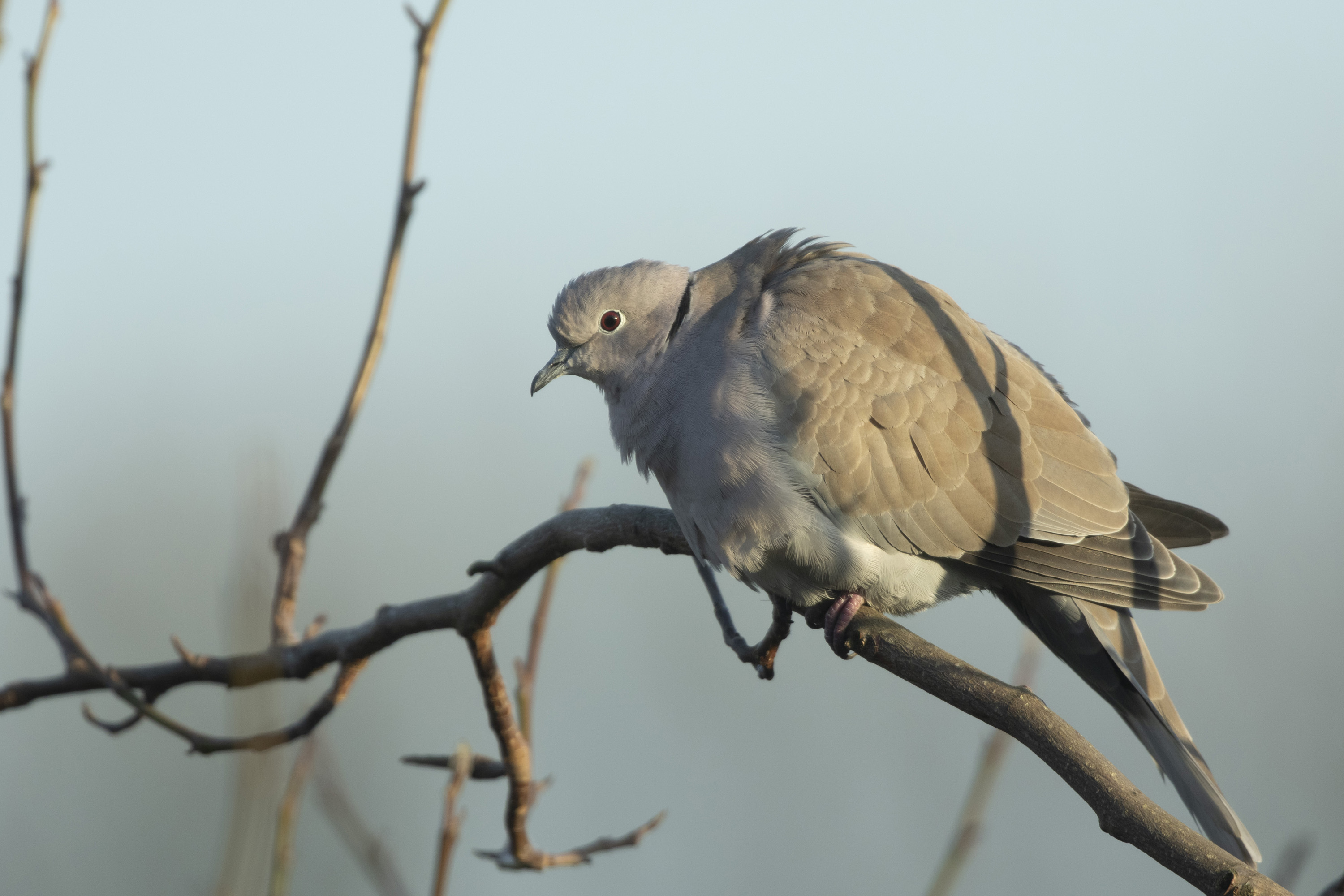
As the weather is bringing us promptly into an early spring, we wanted to remember some of the great species and places we’ve seen throughout winter. We’ve enjoyed watching many visitors in the the Embrace Nature UK garden and have headed out to nature reserves in the North and South of England to see some beautiful winter wildlife.
Winter makes for a great time of year to do some photography. This is because of those crisp frosty mornings and occasional sparkling cold evenings. If you’re lucky enough to have a layer of snow whilst the sun is shining, it can lead to some great photographic opportunities.
This is merely a snapshot of a wildlife-filled winter with an odd mixture of very warm and very cold weather. We’re looking forward now to seeing what spring will bring! Watch this space and in the meantime, we hope you enjoy these photographs that we’ve taken throughout the end of 2018 and the start of 2019….





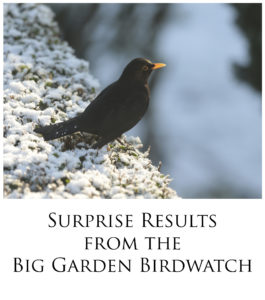
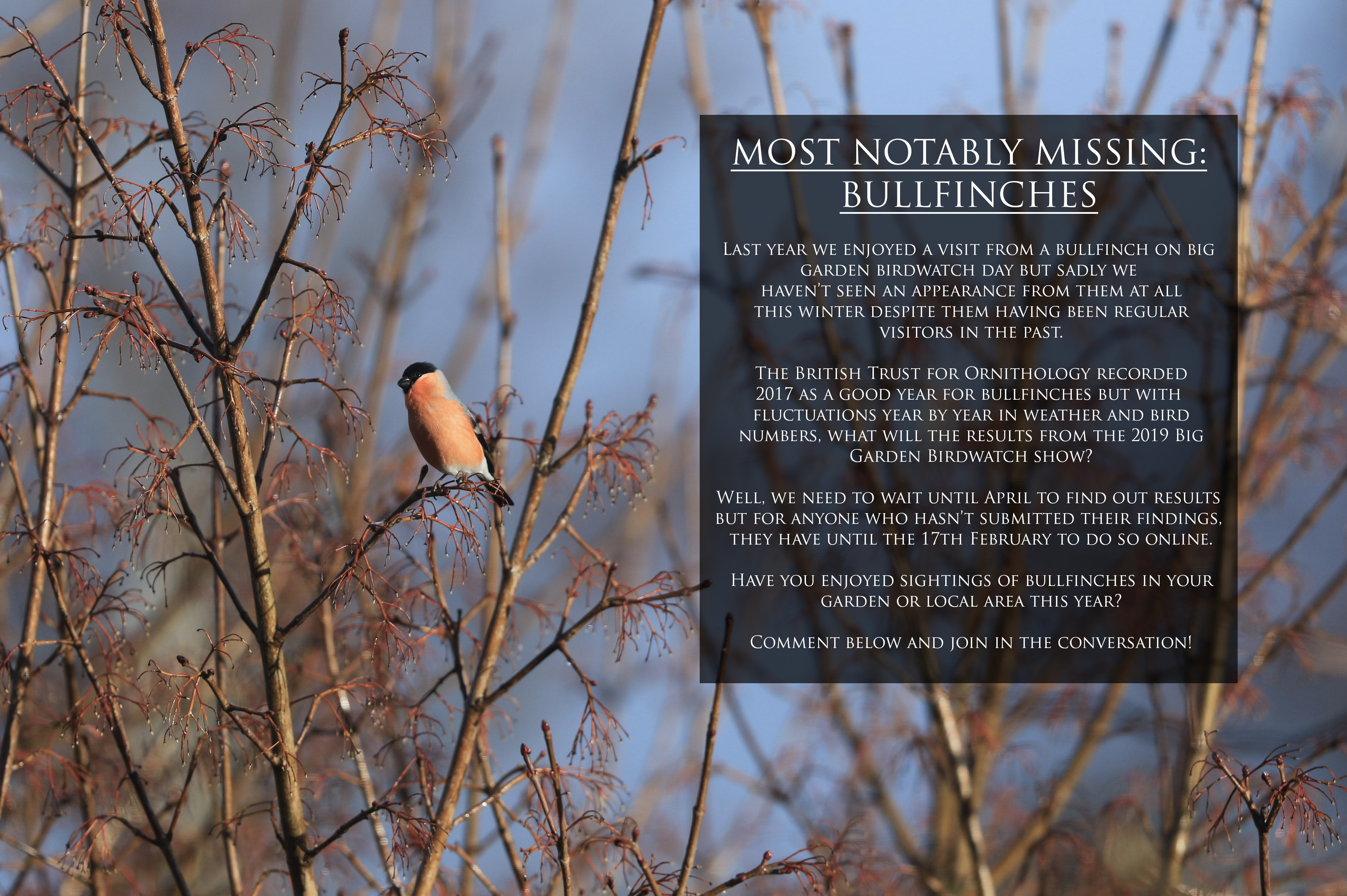
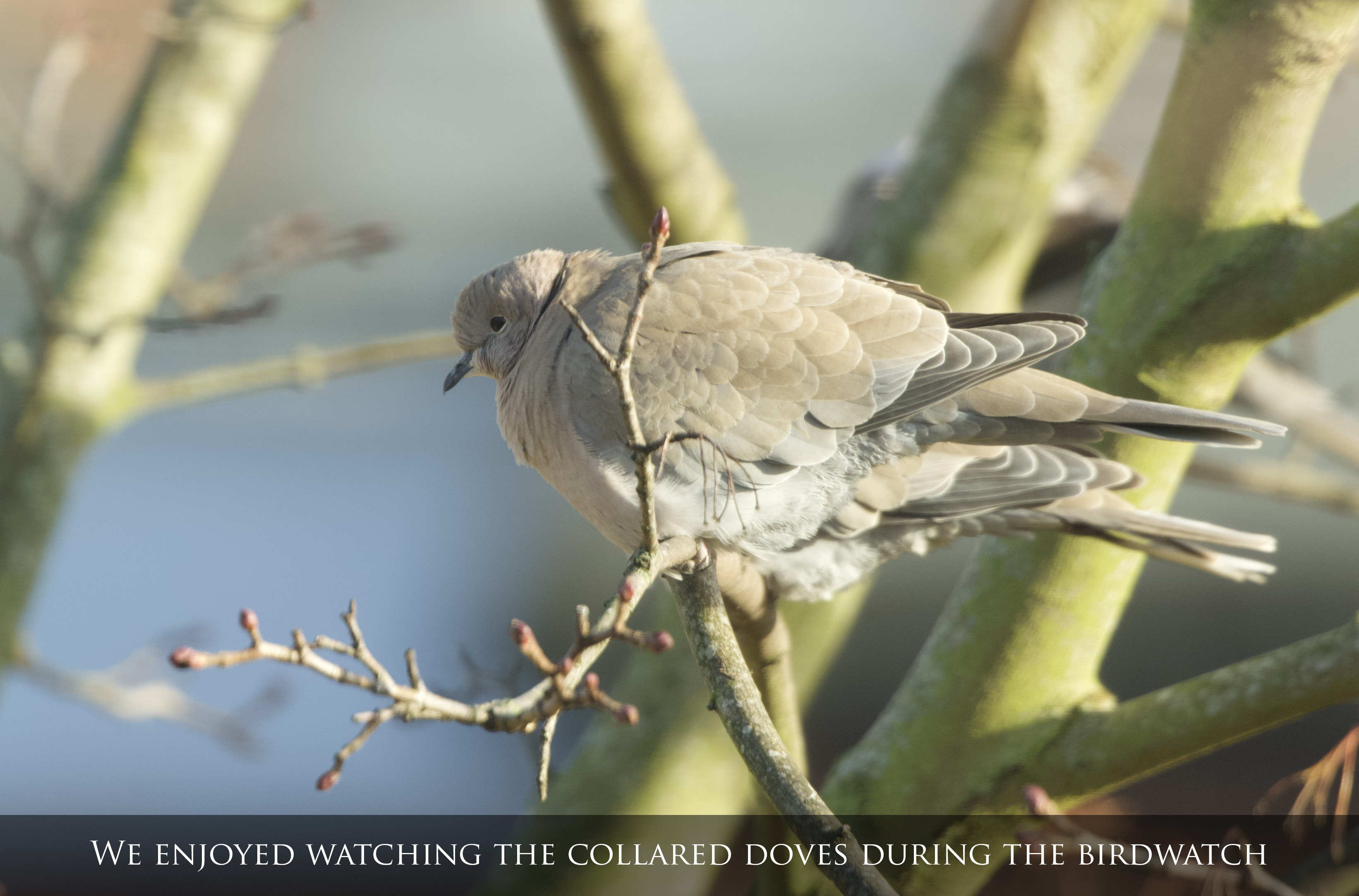
So that’s another year completed for our contribution to the RSPB’s Big Garden Birdwatch and what a year it has been! The great thing about the BGBW is that it gets you looking at the species in the garden now and has you reflecting on the visitors you’ve had in the past year.
It’s been an exciting year for us in the Embrace Nature UK garden as we’ve welcomed more species than ever before and can enjoy daily visits from some of them.
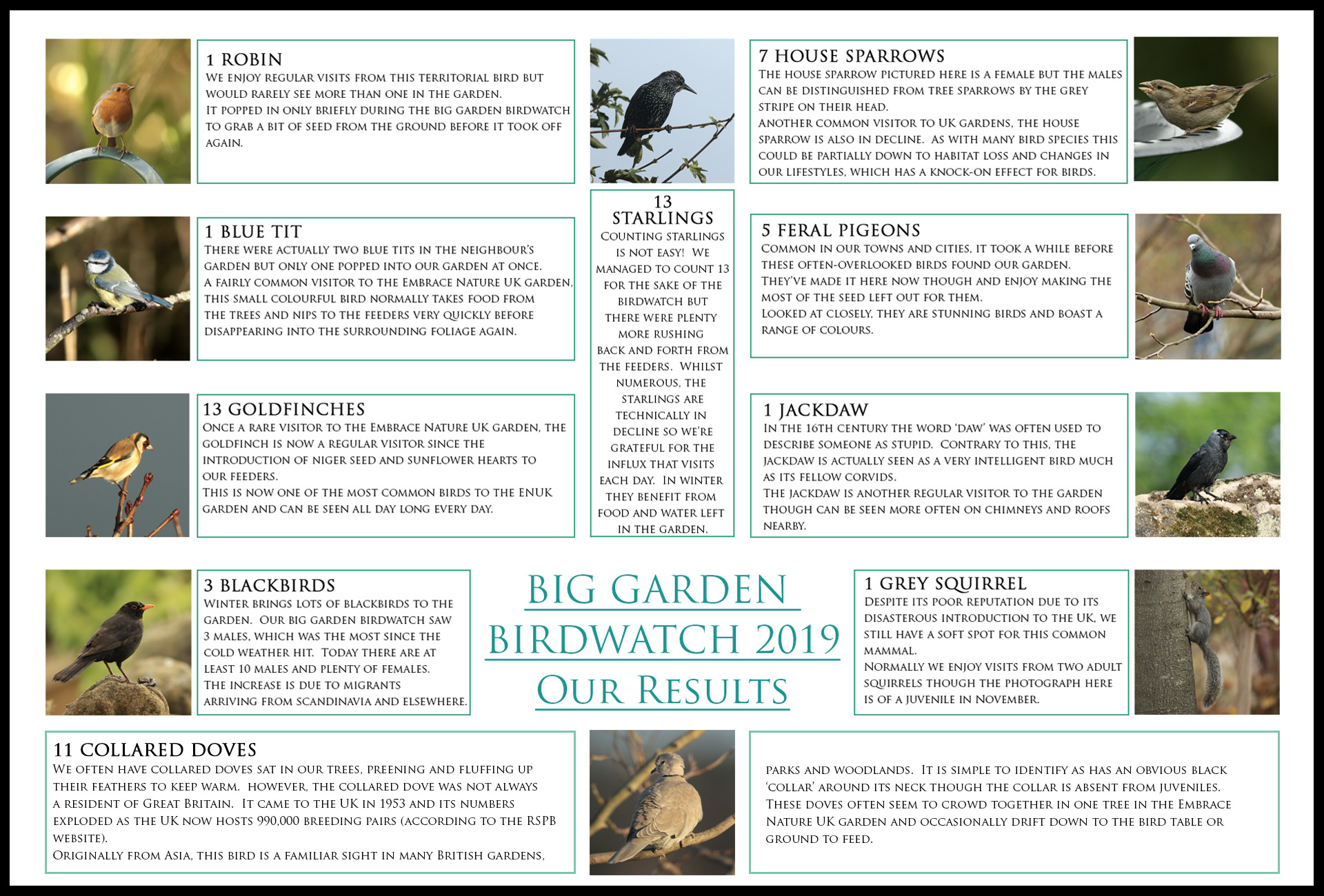
Here are our Big Garden Birdwatch results for 2019:
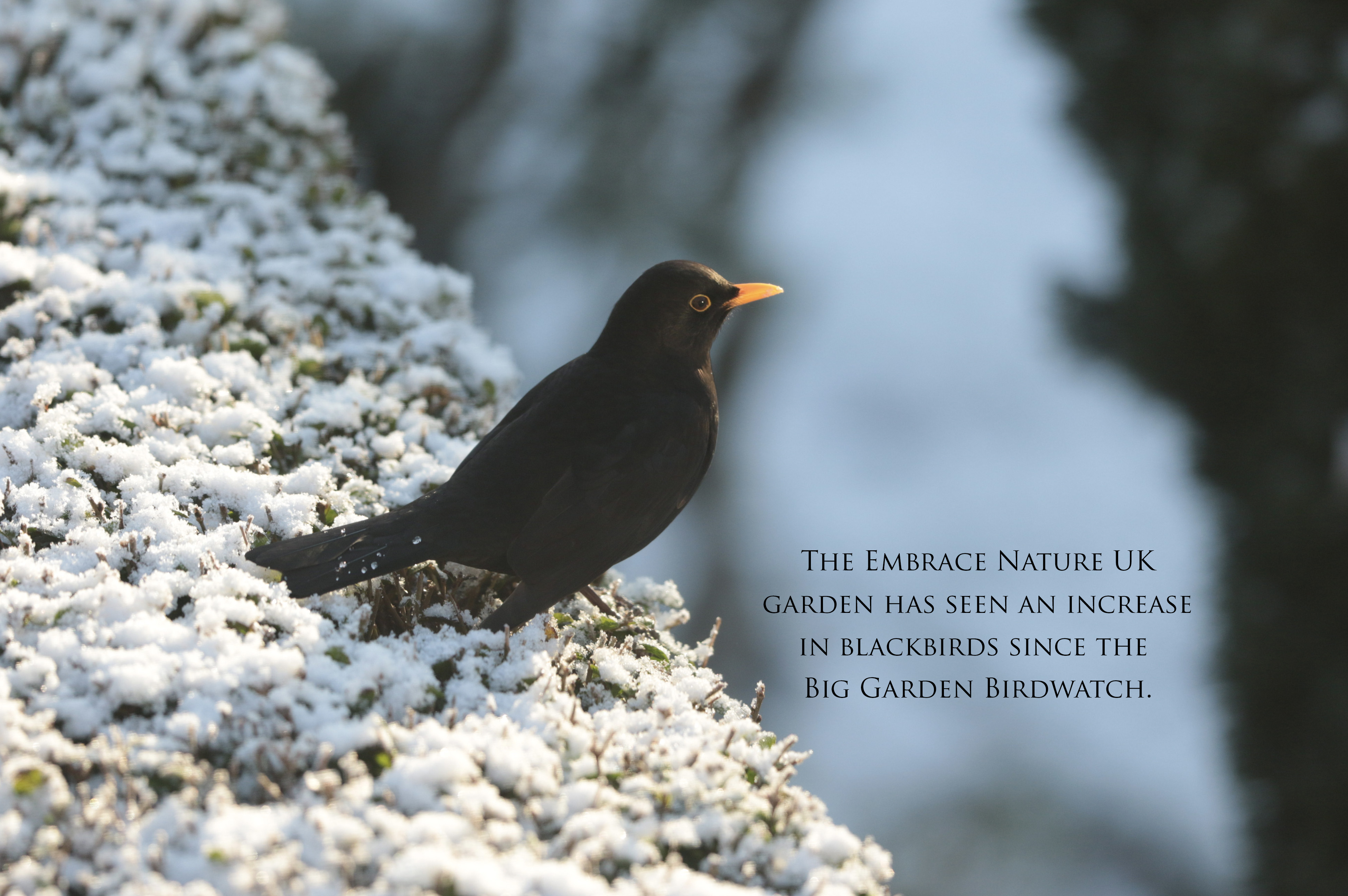
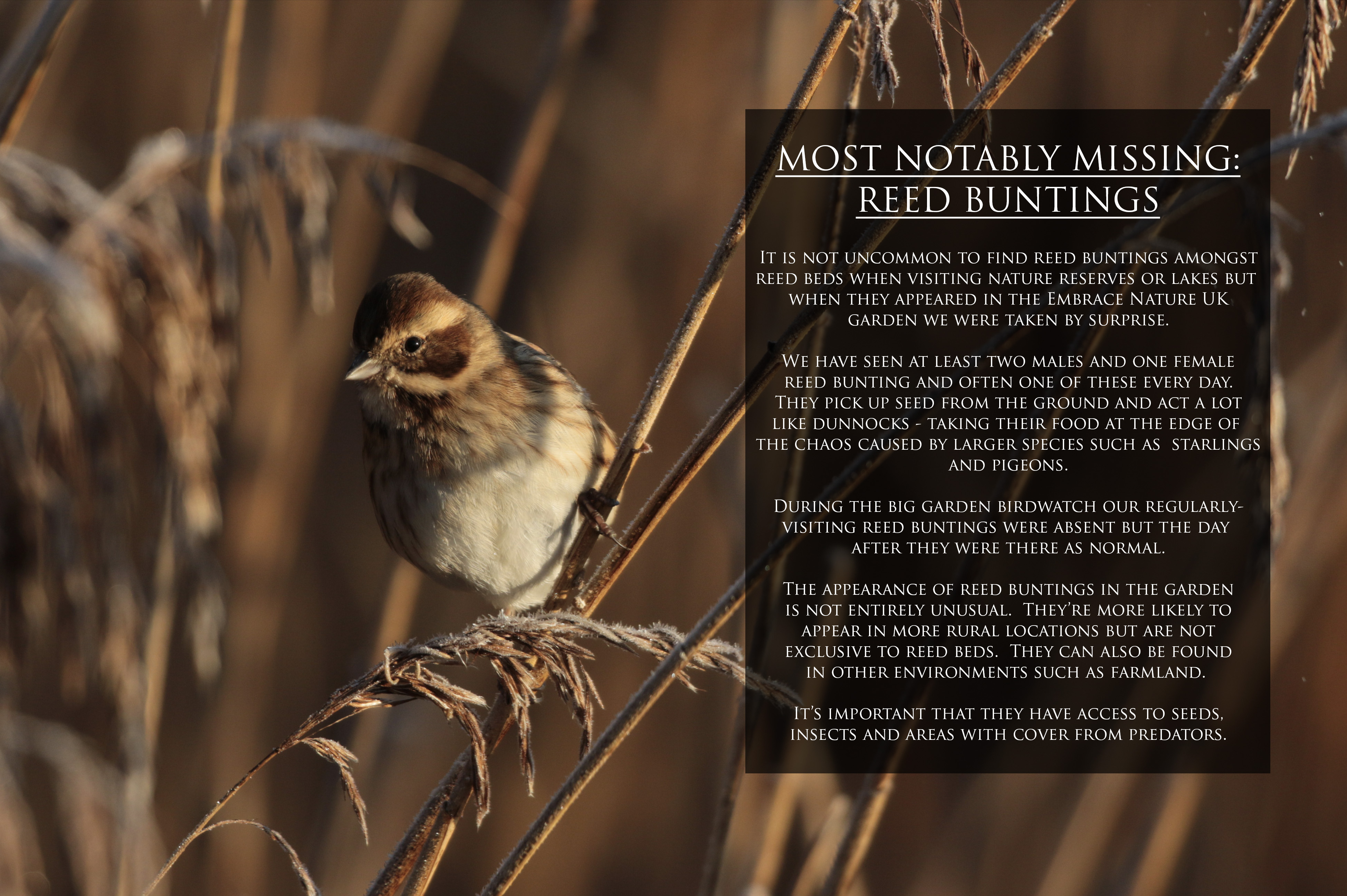

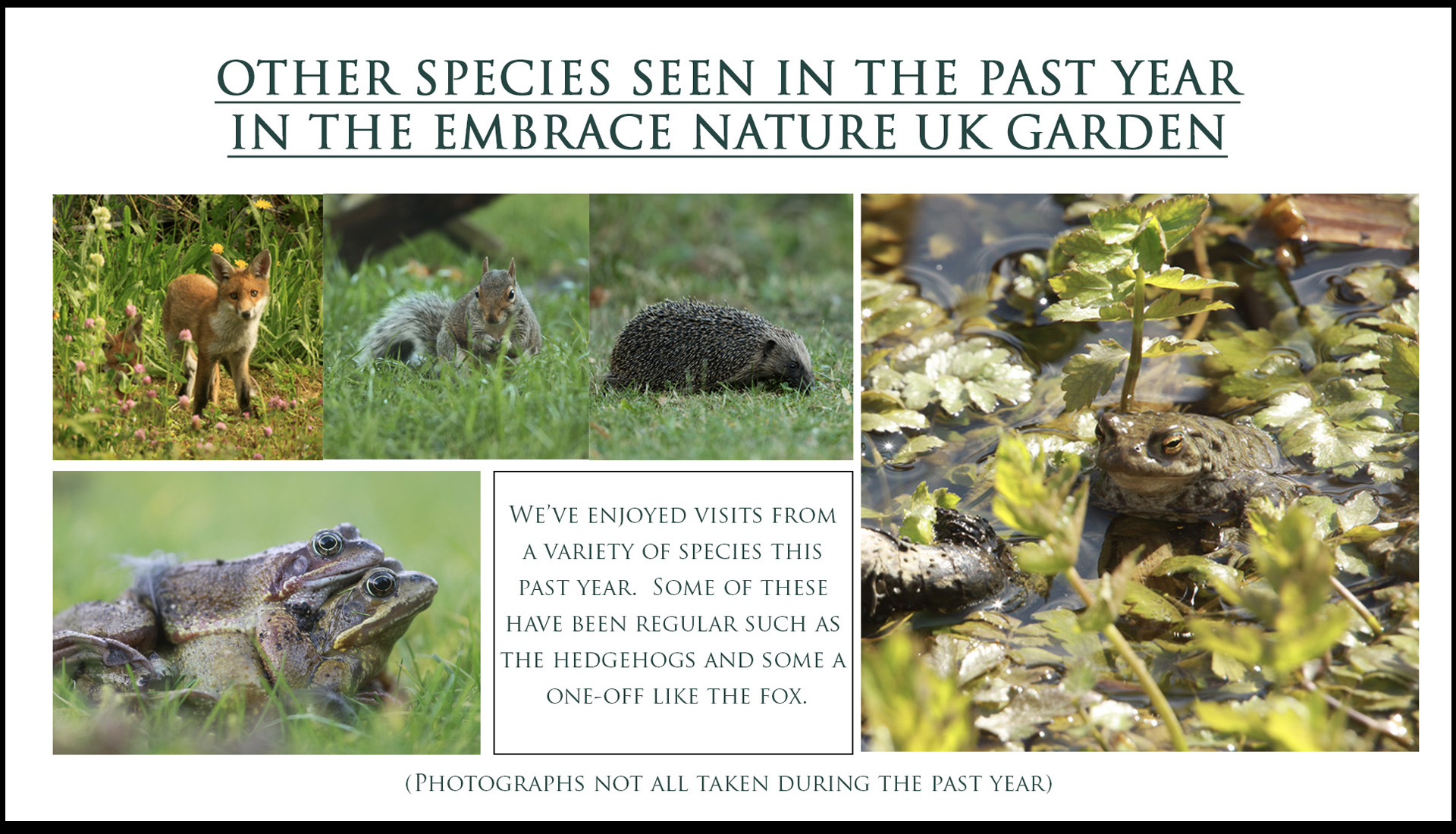
2019 will see the Embrace Nature UK garden change more as we bring it closer to being a traditional wildlife garden. It will be exciting to see what the Big Garden Birdwatch 2020 will bring!
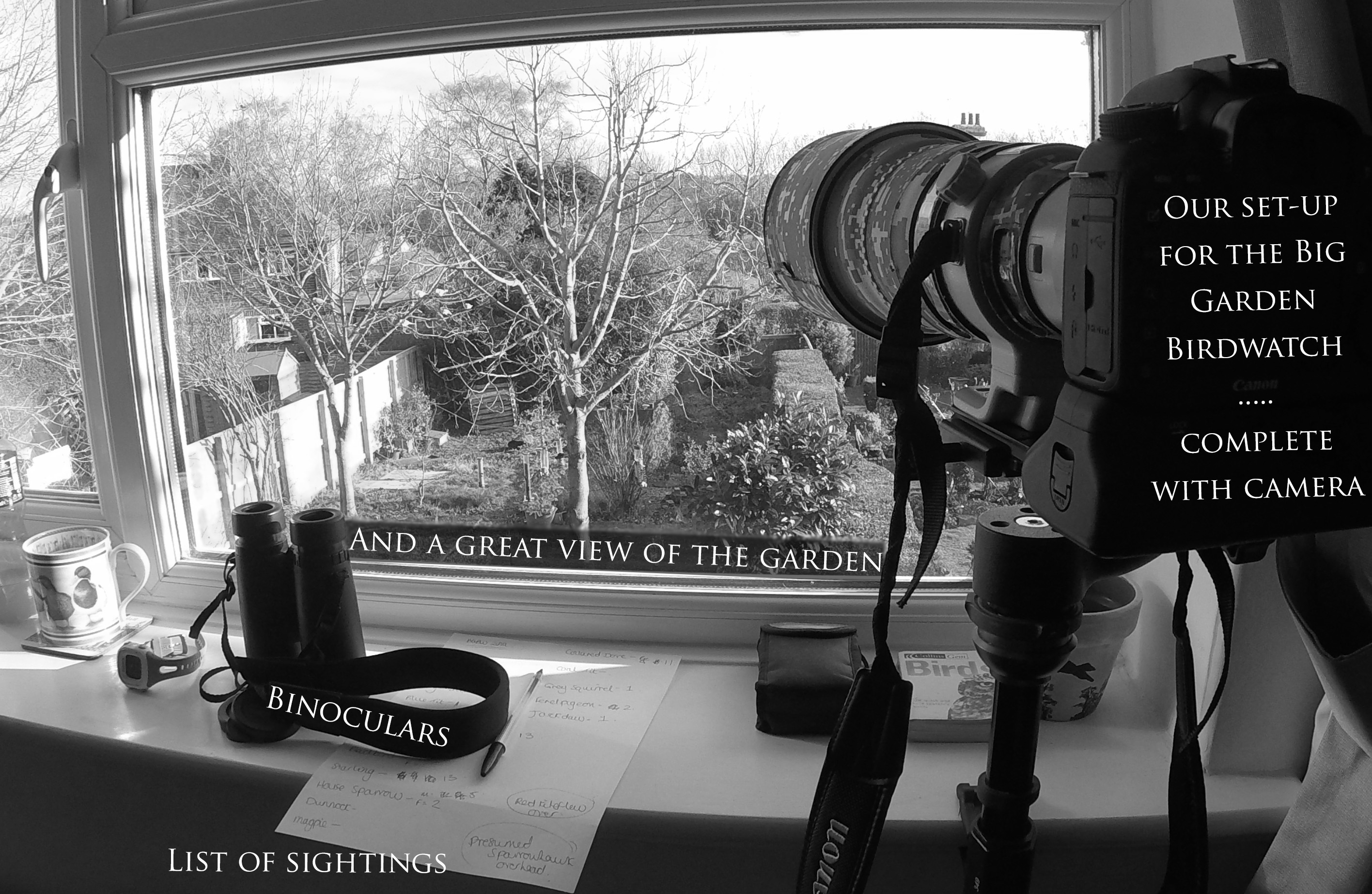
26th – 28th January 2019
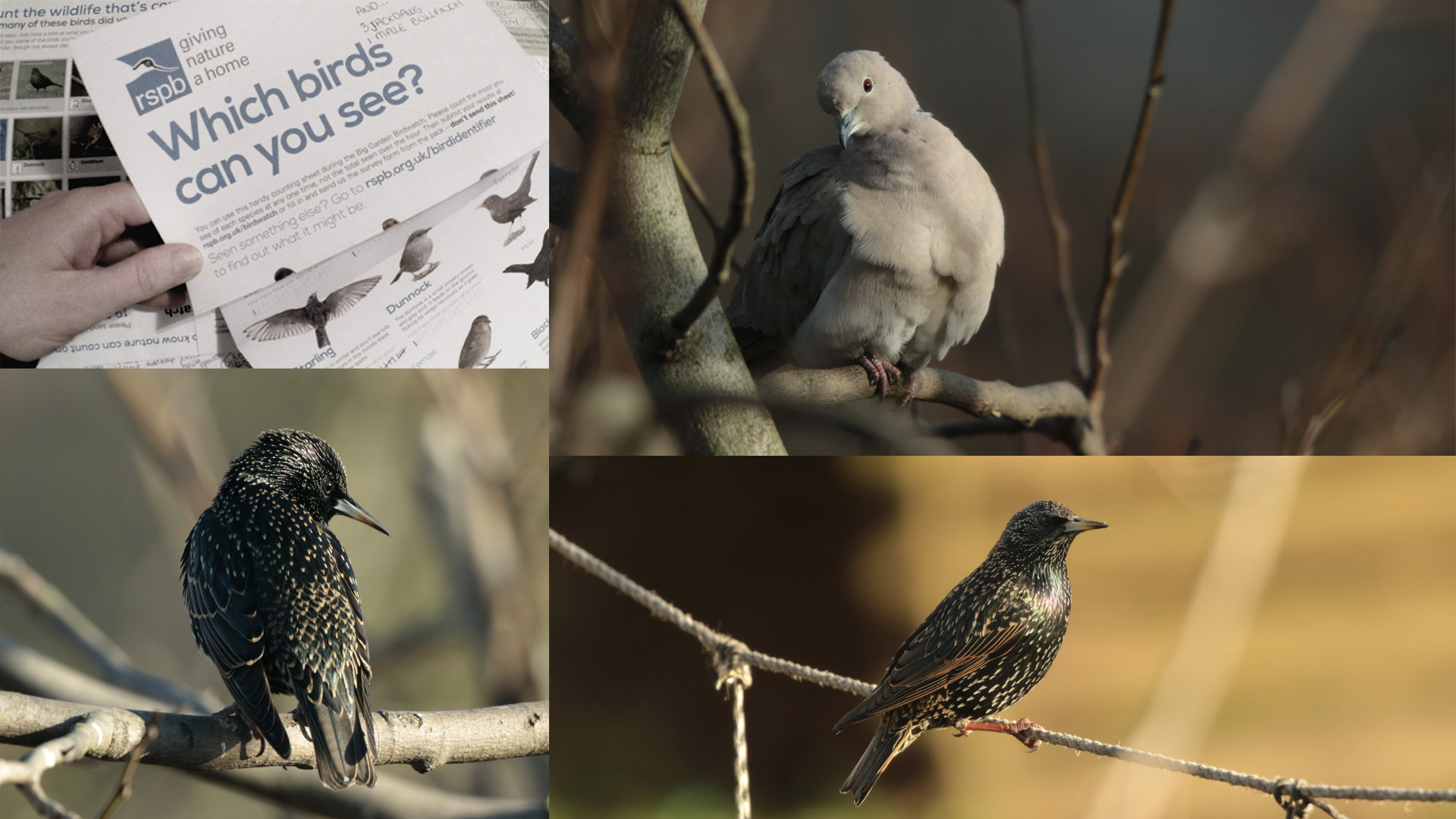
Well it’s almost that time of year again where Great Britain gets the binoculars ready, a cup of tea and stands guard for an hour to count the species visiting local gardens and parks. Yes, that’s right, it’s time for the ‘Big Garden Birdwatch’.
The Embrace Nature UK team will be ready as always to see which of our usual visitors appear during the hour and whether any unusual visitors turn up.
The ‘Big Garden Birdwatch’ began in 1979 and has allowed the RSPB to monitor bird and animal populations across the UK with the help of the general public.

The data shows us which species need the most help and any populations that have recovered slightly. For example there were less frogs and toads seen in 2018 than 2014 but more hedgehogs. Perhaps this shows that people’s efforts to create spaces for hedgehogs are paying off!
2018 saw a drop in blackbirds by 18% and robins by 12%. With bird populations in general still declining, there’s clearly plenty of work to be done. Even the more numerous house sparrow and starling populations are still reducing.
So here’s the opportunity to get involved and get bird-watching to help these populations to recover!

Join In
Follow this link to the RSPB website to get involved in the Big Garden Birdwatch
Prepare for 2019’s Big Garden Birdwatch
There’s still time to get a few bits and bobs that will help you along with identifying the visitors to your garden for your Big Garden Birdwatch hour.
Binoculars:
Identify birds more easily with a pair of binoculars. We have the RSPB Avocet binoculars, which we love. However, there are loads of great binoculars out there that will bring you closer to nature…


Bird Field Guide:
For those species that don’t appear on your RSPB ‘Big Garden Bird Watch’ sheet, a field guide is a massive help…


Happy bird-watching! We hope you enjoy your Big Garden Bird Watch!
The celebrations are over and hopefully any accompanying hangovers, so now is the time to consider what we want to achieve in 2019. We like to think that it’s perfectly possible to keep new year’s resolutions as long as you make them realistic. So if you’ve not yet decided on a resolution for 2019, here are some ideas for you outdoor-enthusiasts.
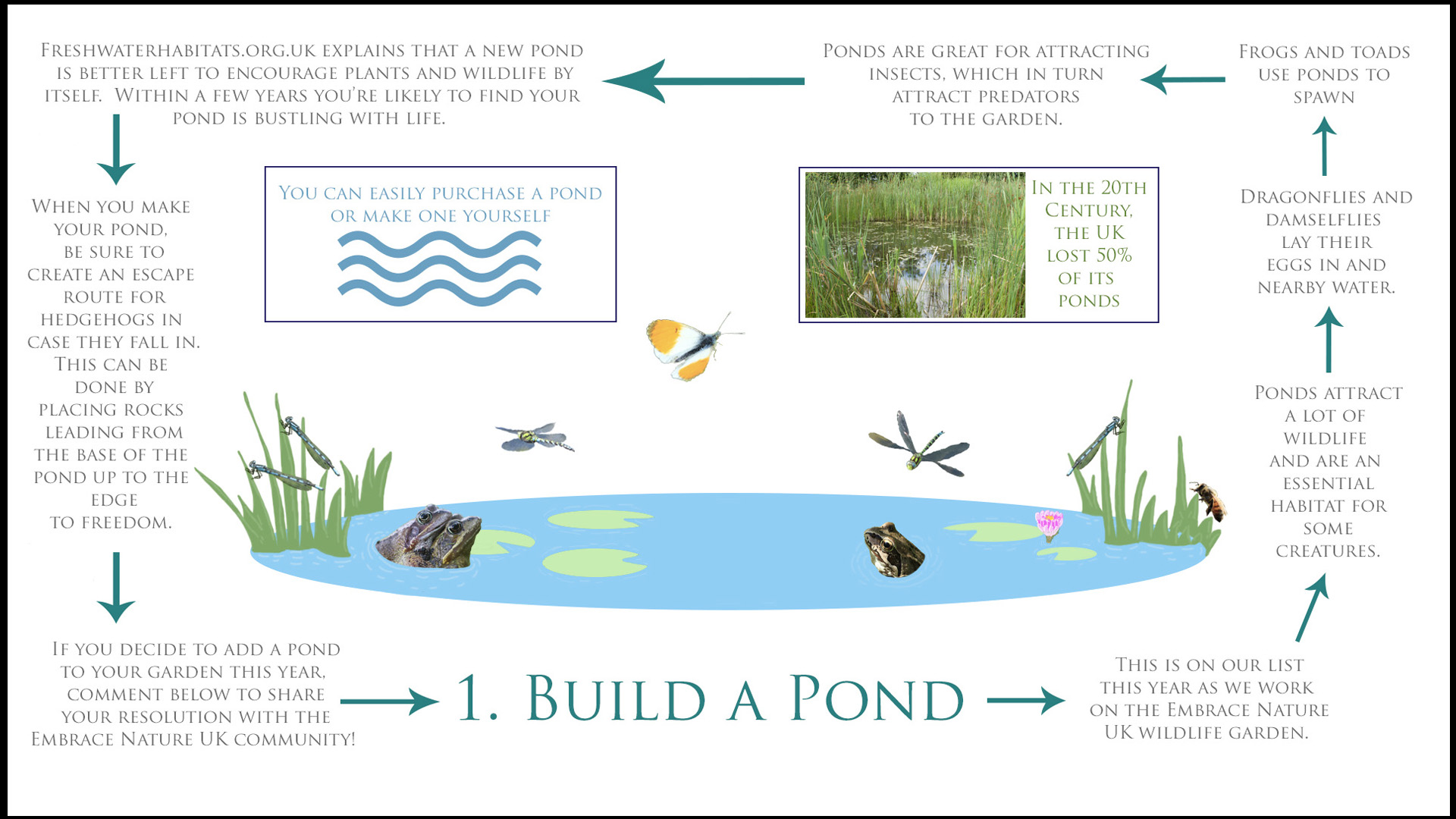
Read More:
Watch how the Sussex Wildlife Trust builds their pond
Learn more about ponds from the ‘Freshwater Habitats Trust’ website
Register your pond to contribute to the ‘Million Ponds Project’
Are You Building Your Pond? If So, You Might Need:
Pond Liner:


Or the ready-prepared pond:


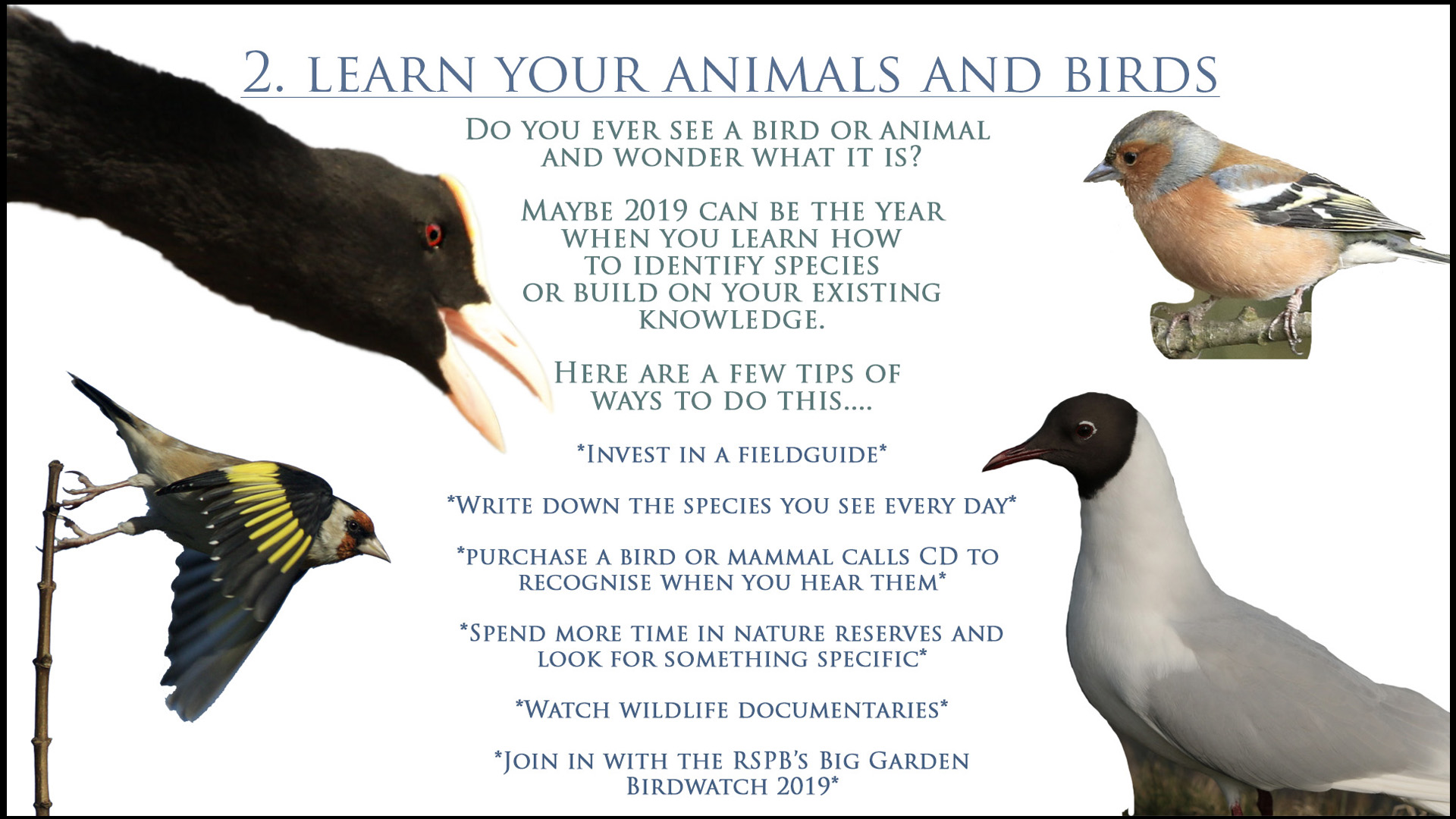
Prepare Yourself to Get to Know Nature Better:
Purchase a field guide so you can identify wildlife when you find it. Our favourites are the Collins / Paul Sterry field guides:

For the past three years I wrote down the species I saw each day in this notebook. It really helps you to become more familiar with how to identify them at a glance:


By listening to bird calls on a CD, it can help you identify the species quickly when out in the wild:


And the same can apply to mammals:


Alternatively you can always put your feet up and enjoy a good nature documentary whilst learning at the same time:


Join in with the Big Garden Birdwatch 2019!
Each year the RSPB runs the Big Garden Birdwatch, which involves anyone, anywhere in the UK. By signing up here, you can spend just an hour of your time watching your garden and recording the animals and birds that you see.
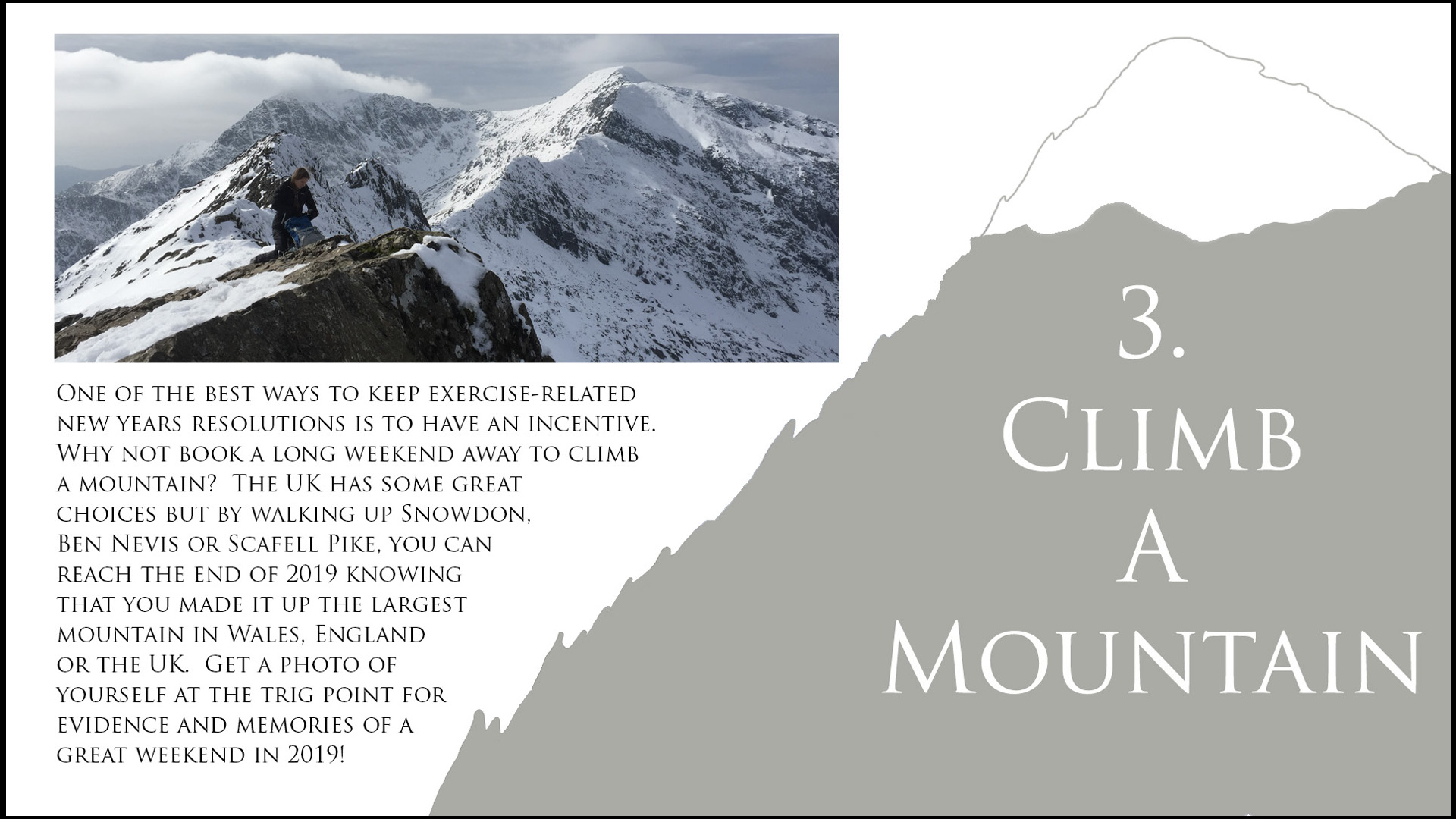
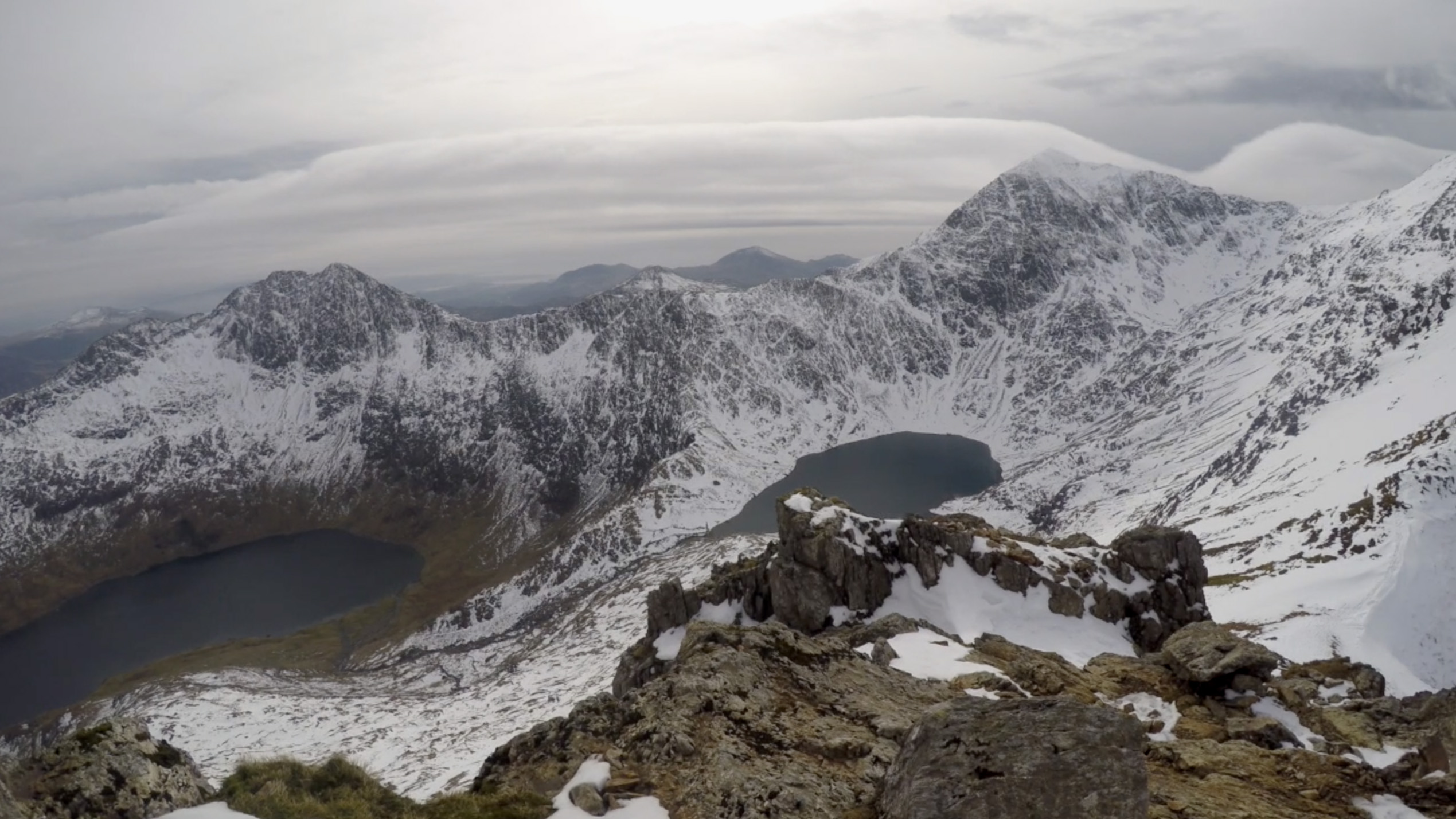
First and foremost, ensure you know where you are going. Map out the route so you are familiar with it before you get there. Having a map will keep you safer if anything goes wrong. Believe me, I’ve been on Ben Nevis without a map and would never make that mistake again!
Here are some maps for the main UK three peaks. If one mountain isn’t enough of a challenge for you this year, why not try three within 24 hours?
(check that the map covers the area you need before purchasing!)


Ben Nevis:


Snowdon:


Scafell Pike:


Check out the ‘Three Peaks Challenge’ website here!
Have a look at the OS Maps website here.
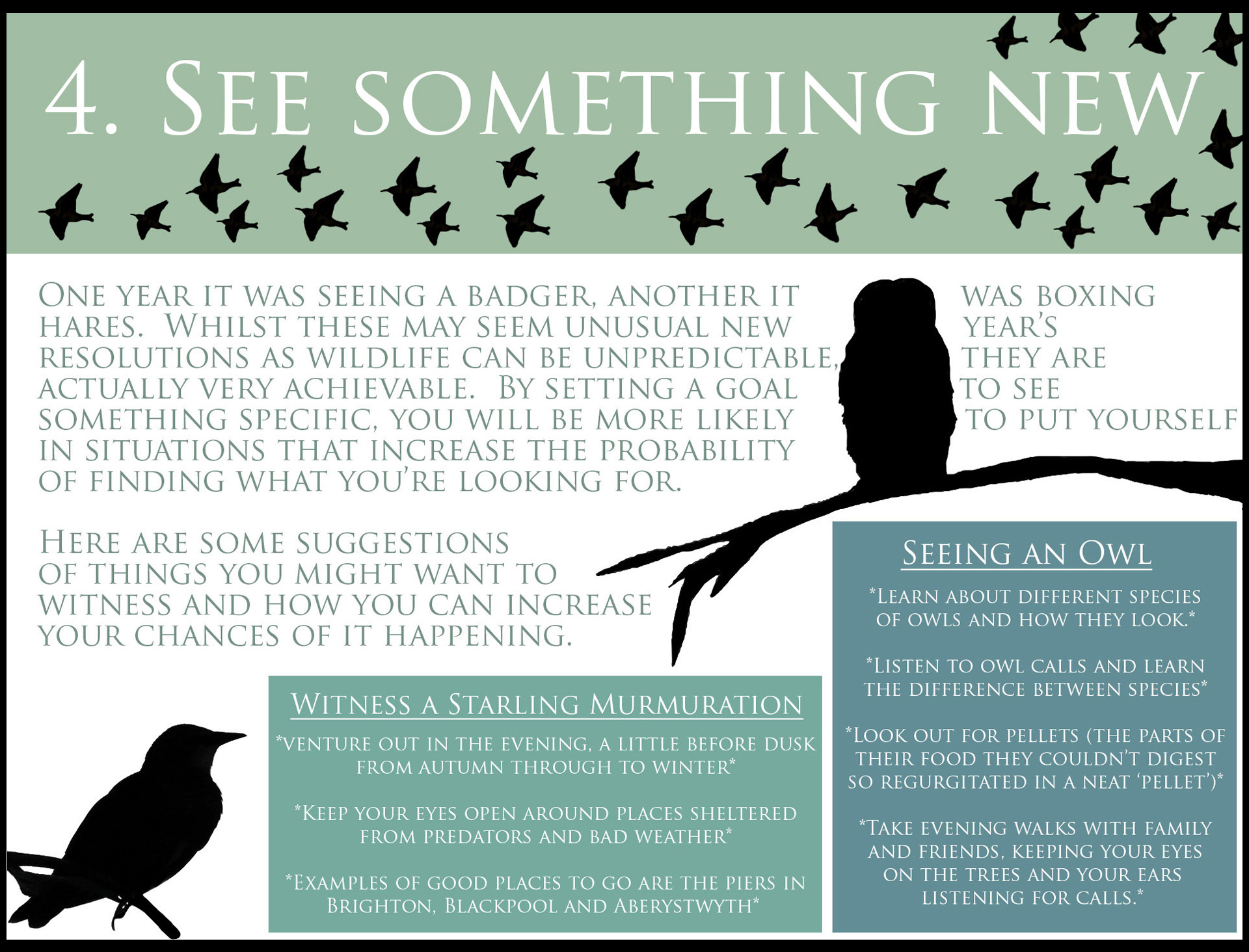
Find a Starling Murmuration Near You!
Check out the map on starlingsintheuk.co.uk

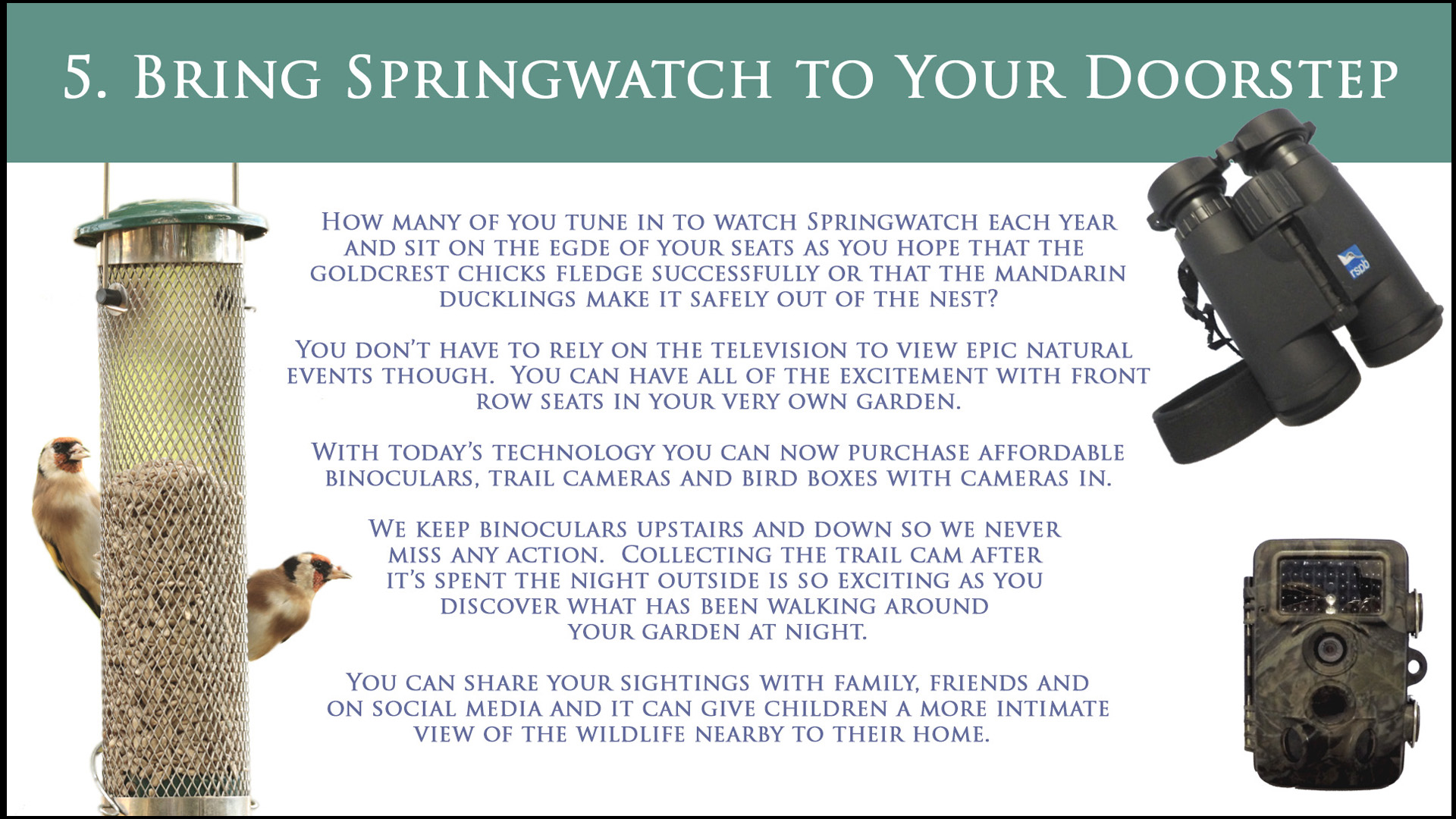
Keep in touch with what’s happening on Springwatch here
Start creating your own version of Springwatch with these items:
A Trail Camera


A Bird Box Camera


And Binoculars
SO GOOD LUCK, GO WILD AND HAVE A HAPPY NEW YEAR!
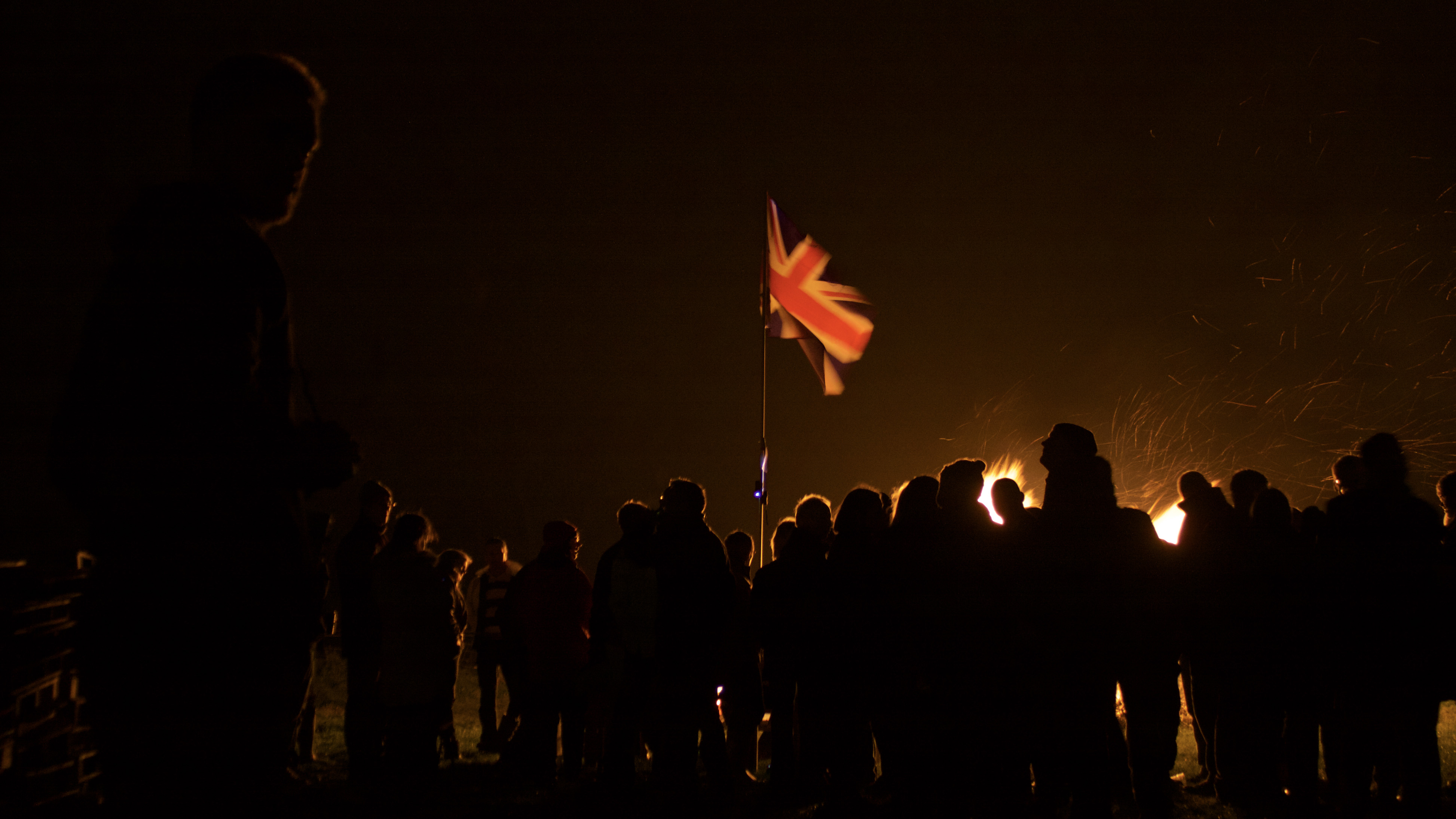
We all remember remember the 5th of November and with firework displays all over the country we are able to enjoy the night. For animals it can be quite a different matter though. Naturally animals will be unaware of the source of the loud booms echoing from a variety of locations and with many of them having more acute hearing, the event can be extremely stressful for them. Therefore, we have put together 10 top tips to consider for the night when animals and fireworks need to co-exist.

Cats and Dogs
Walk dogs early enough to ensure that they’re back home before the fireworks start.
Close windows and curtains to keep the sound out and pop on some music to disguise the booms.
Secure your home so that your pets can’t escape if frightened. Make them a cosy corner to hide away in if they are afraid.
Ensure your dog is carrying ID so if it does escape, you can find it again.
Don’t be angry with your pets if they’re acting up because they’re scared but do reward calm behaviour.

Small Animals
Bring your pets indoors if you’re able to. It’s better to do this gradually so they can get used to the change.
Cover hutches and aviaries with blankets and give animals extra bedding so they can snuggle away. Make sure you allow openings for ventilation though and so they can look out!

Wild Animals
Check bonfires to make sure there aren’t any animals resting or hibernating under them. Before you light your bonfire, either move it completely or use the handle of a brush and a torch to check no one has moved in. Potential residents could be Toads, Frogs, Newts or Hedgehogs.
Light your bonfire from one side only so any animals that might be hiding underneath can have an escape route.
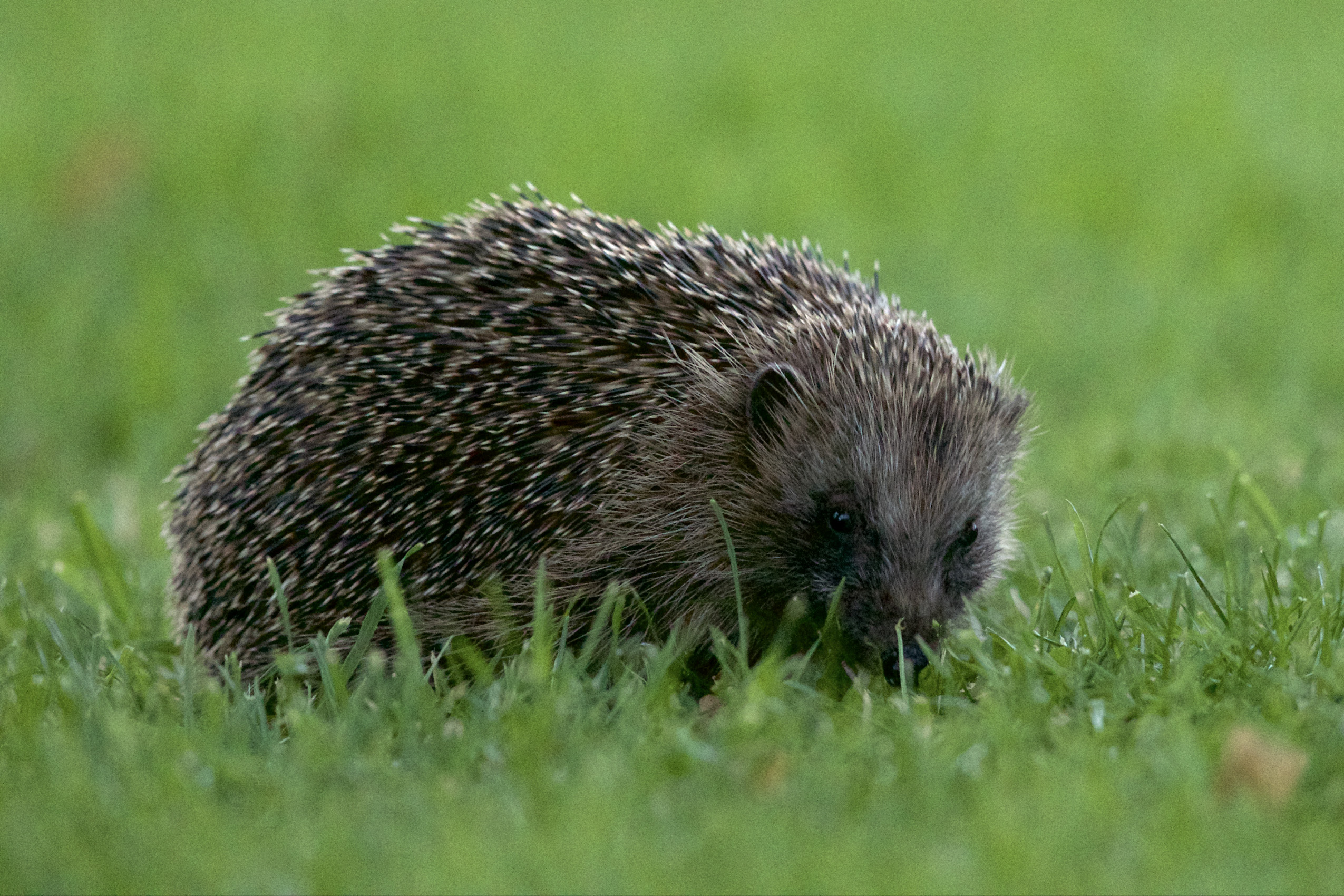
Hedgehogs may still be out and about at this time of year and are very sensitive to loud noises. Using a feeding station not only protects them from predators and their food from cats but it also might make them feel more secure when the fireworks are going off.
Remember that animals and fireworks do not make for a comfortable mix and so it’s better to limit your firework displays to official celebrations such as bonfire night. If you take care to look out for the animals in your home and garden, you should then be able to rest easy and have a happy firework night!
Watch Our Embrace Nature UK Episode About Firework Night:
Well it’s that time of year again where people dress up to become witches and monsters, decorations go up and the streets are filled with tasty treats. We don’t normally embrace Halloween as much as we could but this year we feel that there’s a way to enjoy Halloween and throw nature into the mix at the same time.
Halloween is getting bigger in the UK but hasn’t reached the popularity that it has in America. Therefore we could be missing a few tricks of how to enjoy it to its fullest extent. We have therefore spent this week looking at ways to bring nature to the party in the way of how we prepare and use our pumpkins.
We started our approach to this with nature-inspired templates to carve into our pumpkins. There are some species that are so prominent during Autumn that it makes sense to allow them to inspire our designs for Halloween.
In order to carve our pumpkins, we cut out the templates, stuck them where we wanted the image and then used a pin to poke holes around the design. Removing the template then allowed us to see where we needed to go around with a knife. We carefully carved the design into the pumpkin without fully cutting through so we’d get a lovely orange glow once a candle was put in.
We decided to recycle the whole of the pumpkin, which not only prevented waste but also allowed us and our birds in the garden a treat.
___________________________________________________________________________

A lot of flesh comes out from each pumpkin when you carve it, so why waste it? There are a multitude of recipes for pumpkins and we chose to make pumpkin pie. In order to do this yourself, you would need:
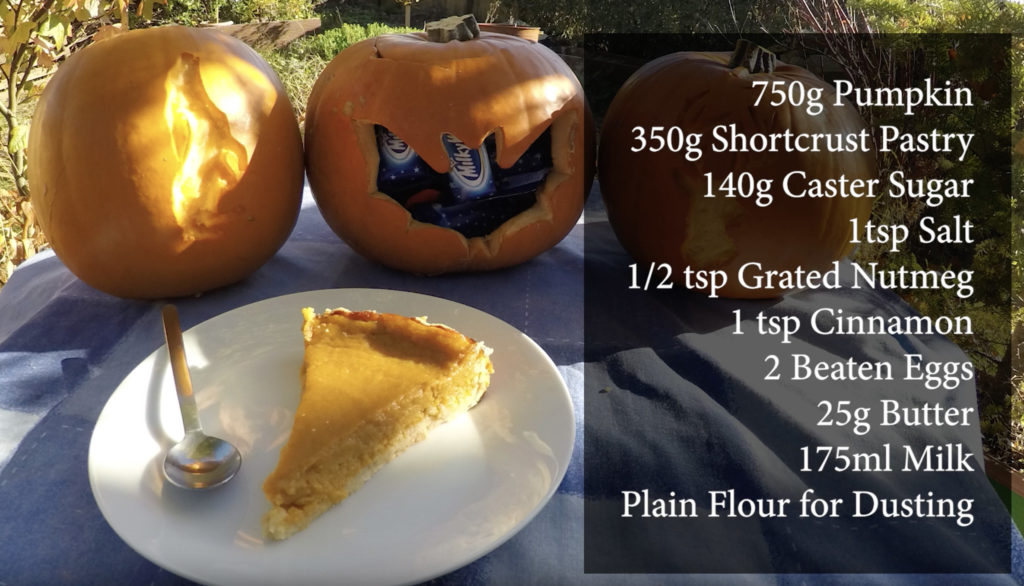
- Preheat the oven to 180ºc, gas mark 4 or 160ºc for fan ovens
- Roll out the pastry on a floured surface so that it fits into the dish you are cooking it in
- Pinch the edges of the pastry once it’s in the dish so it has an attractive pattern all of the way around
- Place the pastry in the fridge for 15 minutes
- Boil the pumpkin until it’s soft then once it’s cool, blend it until it is smooth
- Put baking paper and baking beans over the pastry then bake for 15 minutes
- Remove the baking paper and beans then bake for a further 10 minutes
- Turn up the oven to 220ºc, gas mark 7 or 200ºc for fan ovens
- Combine the sugar, salt, nutmeg and cinnamon
- Add the eggs, butter, milk then pumpkin to the dry ingredients and stir after each addition
- Pour the mixture into the pastry then cook for 10 minutes
- Reduce the oven temperature to 180ºc, gas mark 4 or 160ºc fan and bake for 35 minutes or longer if required
- Allow to cool then serve
We think food always tastes better outdoors so why not pack up a bit of pumpkin pie and enjoy it during a day out.
___________________________________________________________________________

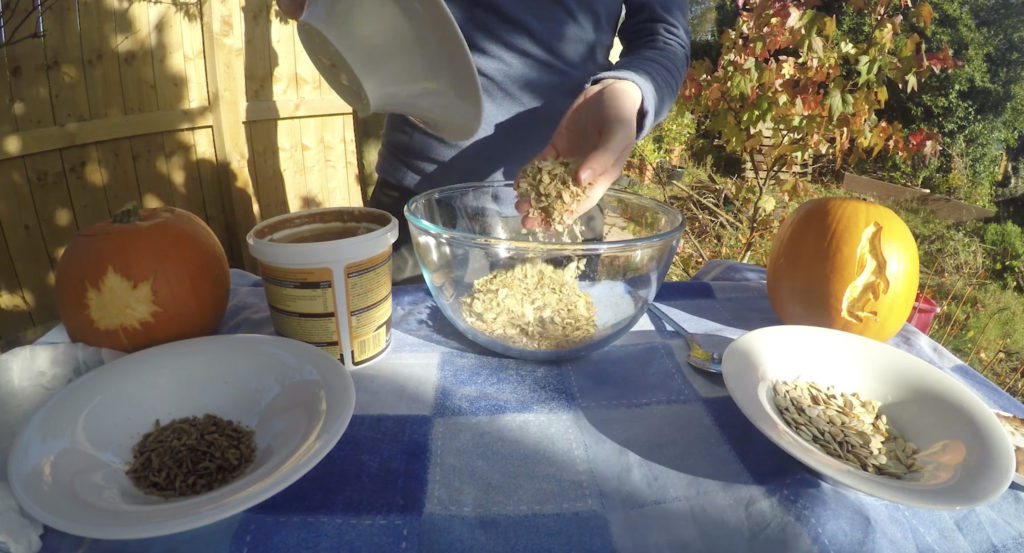
We love watching the birds in the Embrace Nature UK garden and so with Halloween approaching, thought we’d use the seeds from our pumpkins in some home-made bird food.
Larger birds should be able to eat the seeds whole but if you want to invite smaller birds to the party, it’s best to either chop the seeds up or use a blender to do it for you.
We mixed in meal worms, bird seed and our pumpkin seeds with peanut butter to keep the ingredients together. We chose Meridian Smooth Peanut Butter as it contains 100% nuts so we could be sure to avoid feeding salt to the birds. Salt in large quantities can be very harmful so is best avoided where possible.
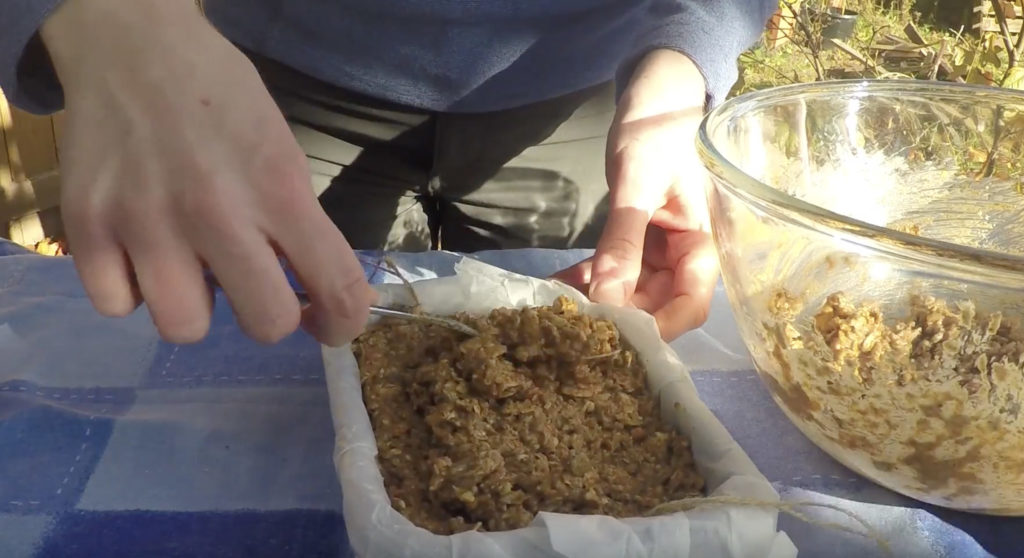
We put the mixture into a container lined with baking paper so it wouldn’t stick. We added some twine with a loop in so we could hang this up afterwards and then left it in the fridge to set.
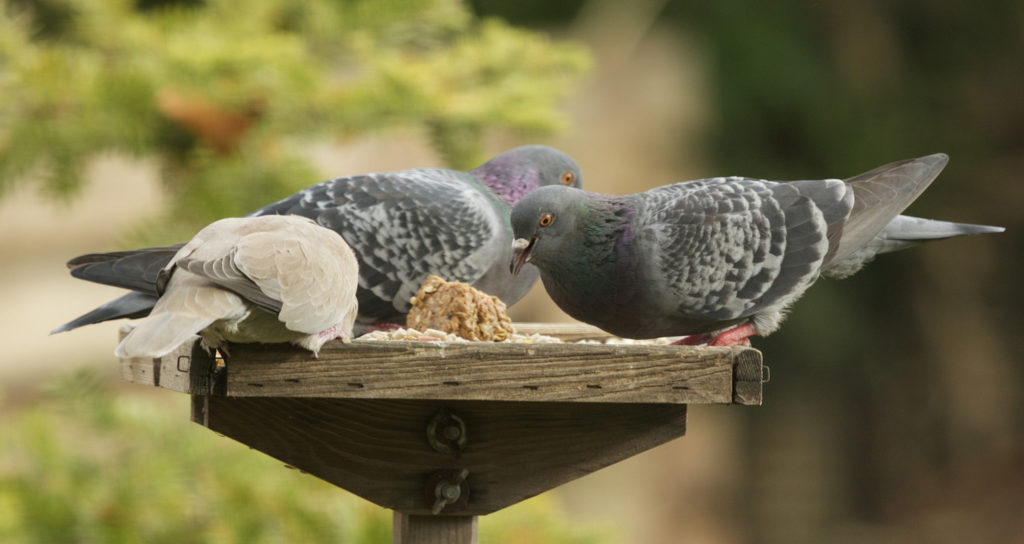
Whilst this method worked, we chose in the end to chop the food into smaller squares and place it on the bird table as the weather is unpredictable and we didn’t want the peanut butter to melt and become too gooey for the birds to eat as this could also potentially be harmful.
Our home-made treat has gone down very well in the garden and our host of bird-visitors have worked their way through very quickly!
___________________________________________________________________________

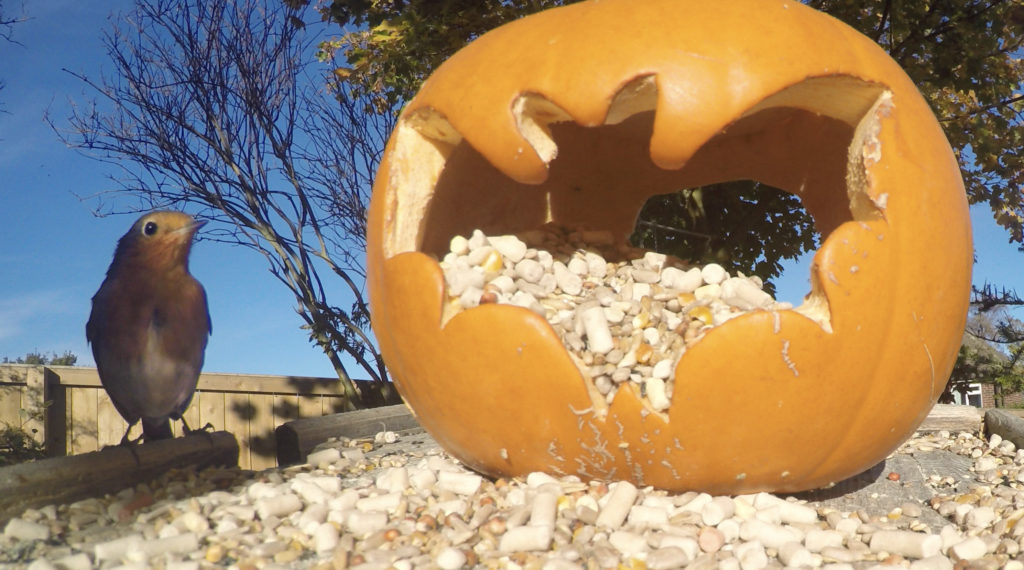
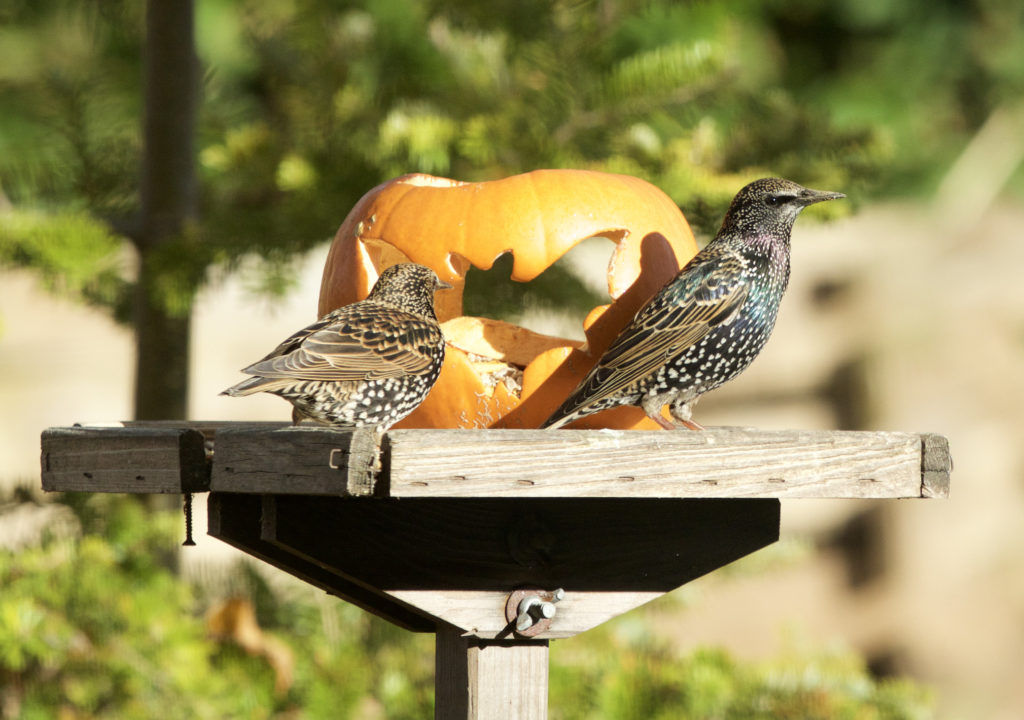
Once the inside of the pumpkin has been used and Halloween is over, it’s a shame to waste the lantern. We found a few ways to ensure that it doesn’t needlessly go to waste. The first thing we did was fill one of the pumpkins with seed and see how the birds took to it. You could hang up the pumpkin if you prefer.
Some of our bravest and most boisterous birds, the Starlings, took to the pumpkin very well and would poke their heads in to get the seed. We saw the Robin appear plenty on the bird table with the pumpkin there though it went more for the seed around it. The other birds became more comfortable with the unusual ‘bird-feeder’ after a day or two and we starting finding some confident Collared Doves enjoying the seed direct from the pumpkin too.
___________________________________________________________________________

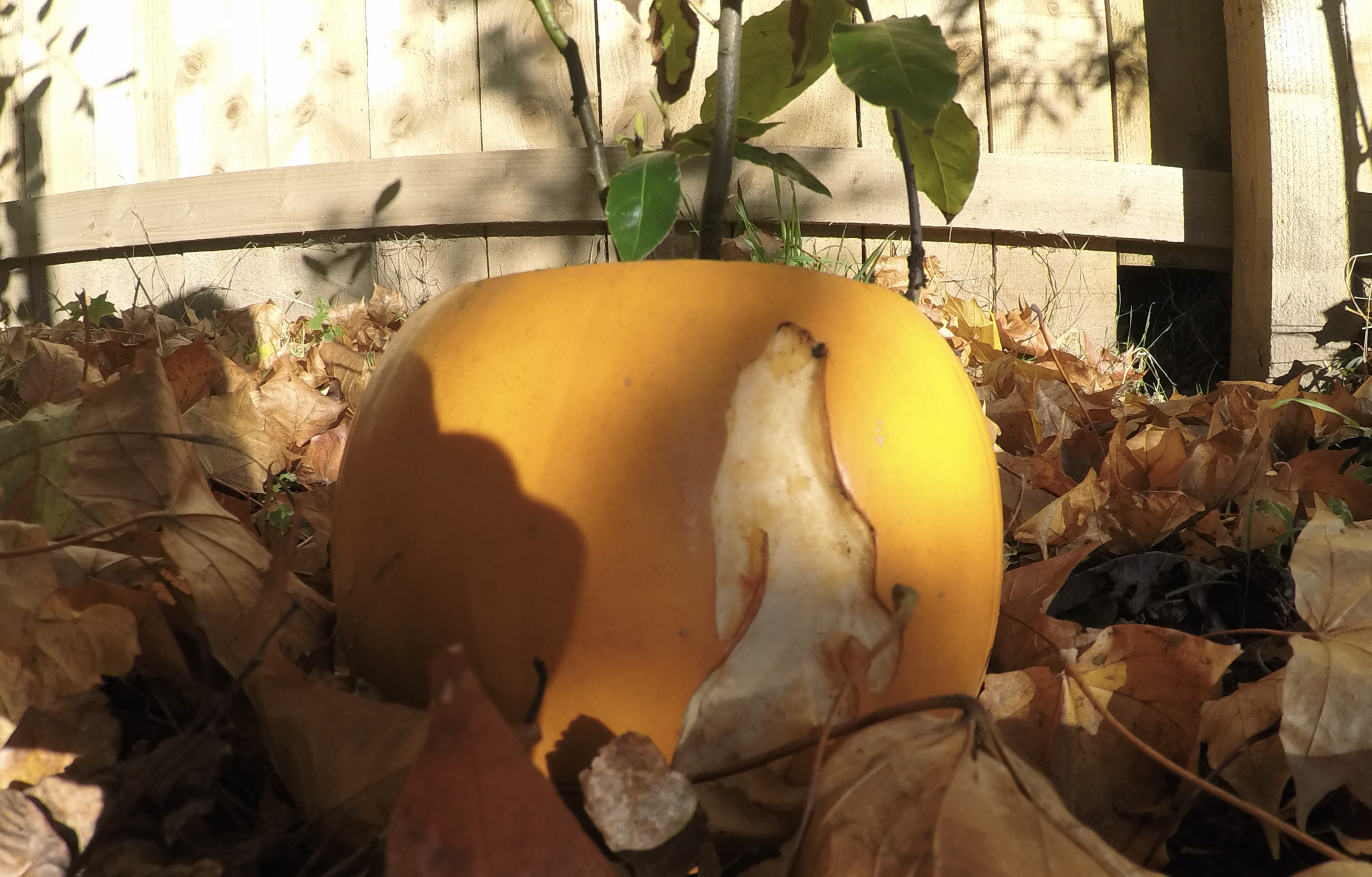
When you’ve put in all of that effort to carving your pumpkins, why not use it for something aesthetically-pleasing once Halloween is over? We found an attractive option was to use the pumpkin as a plant pot.
___________________________________________________________________________

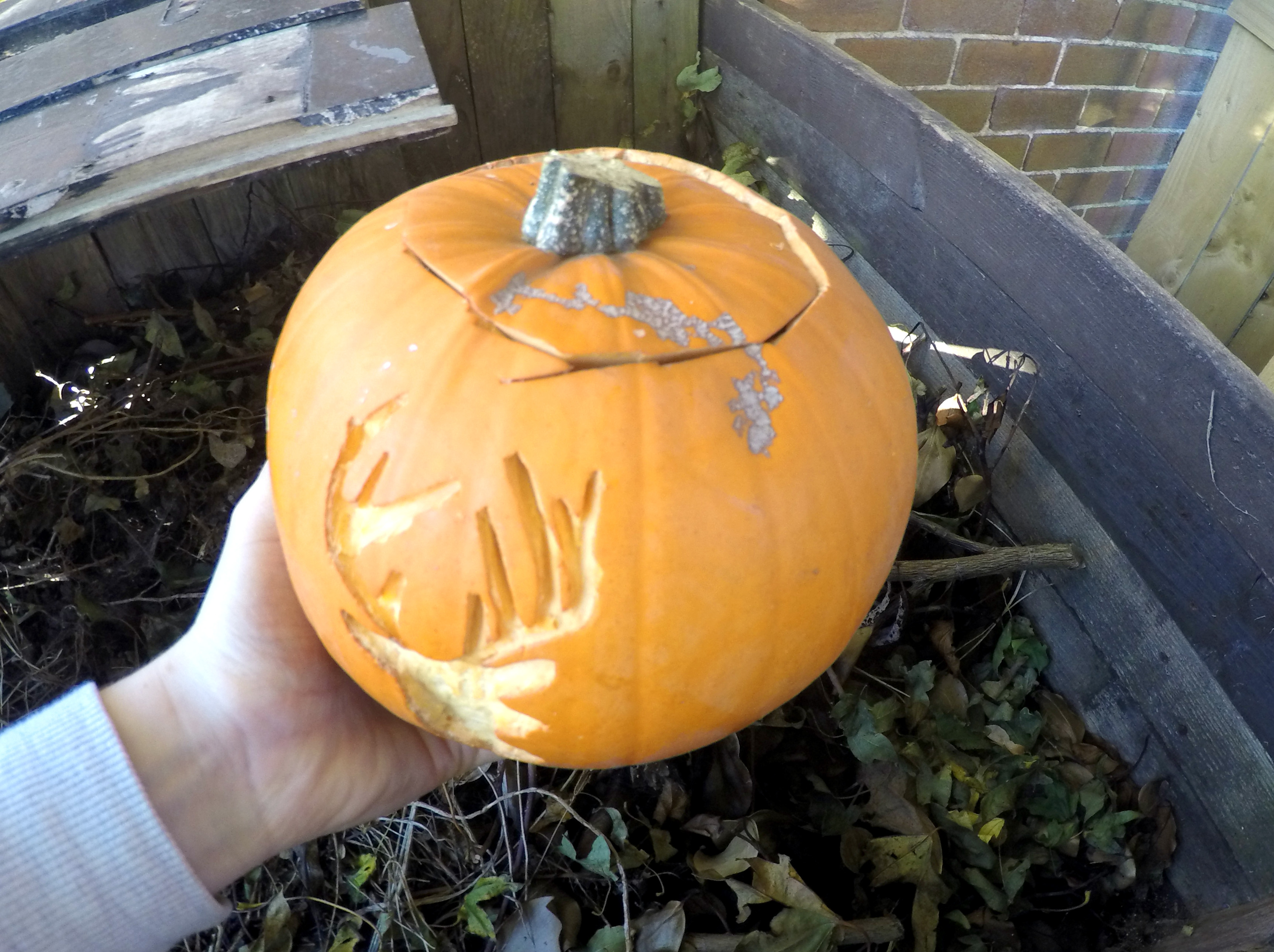
When your pumpkin is looking rather worse-for-wear, don’t just throw it out, compost it to gain the nutrients in soil for other plants!
___________________________________________________________________________

It’s often said that “if you fail to plan, you plan to fail”, which is even true when carving pumpkins. The best way to ensure that your design looks good is to draw out a template first or straight on to the pumpkin.
We want you to be able to carve nature-inspired pumpkins too so have included the templates we’ve used on here for you to print out.
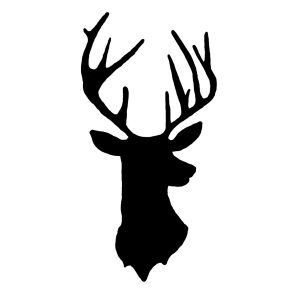



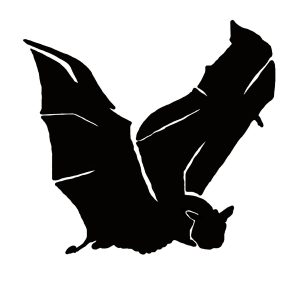

We hope you’ve found these ideas inspiring! Have a very happy Halloween!
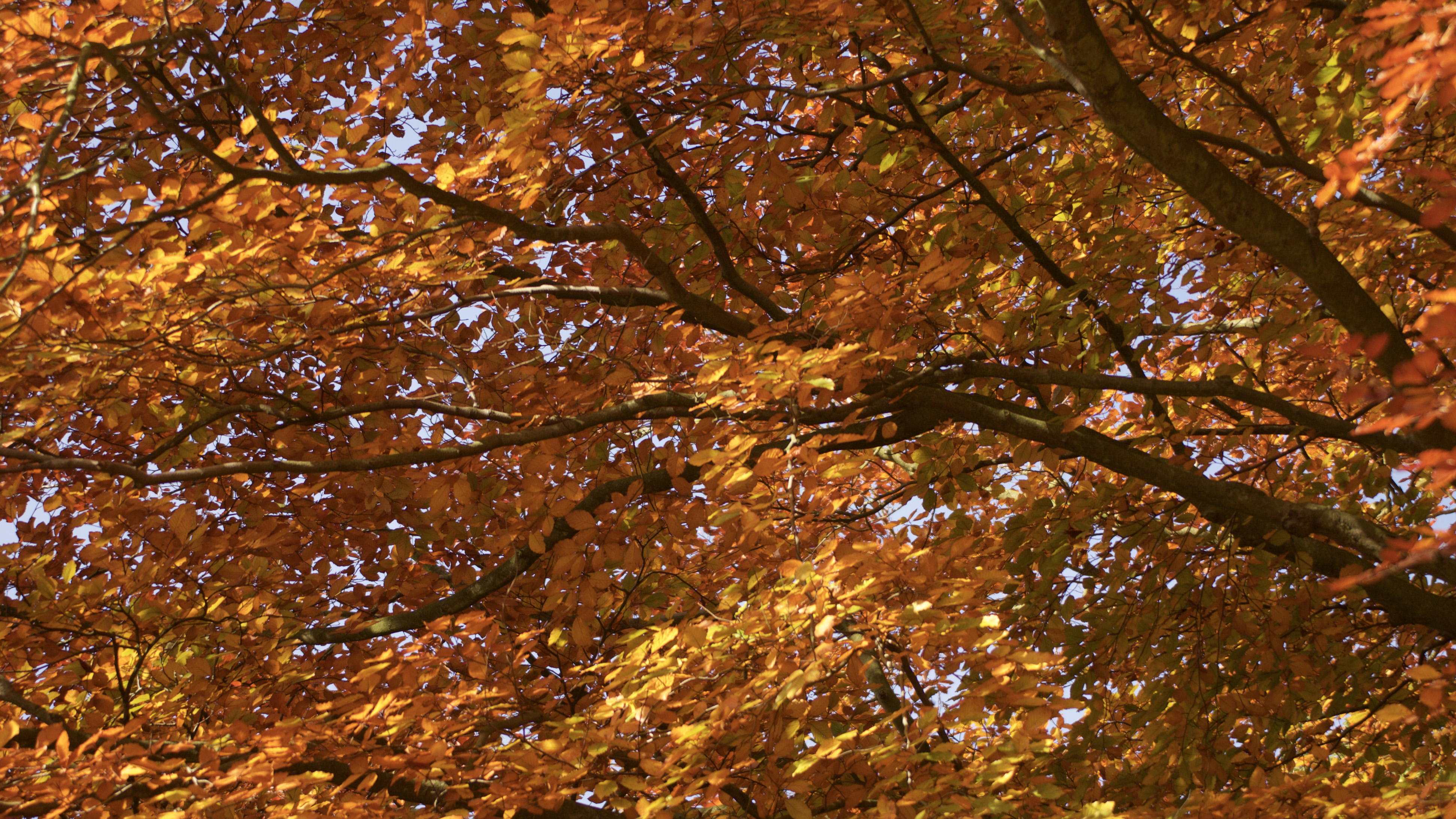
Every Autumn, the blow of the on-coming colder weather is softened by a spectacular natural event that happens in many countries across the world. A lot of leaves begin to change colour from green to bright oranges, yellows and reds. The sight is attention-grabbing but how many of us understand the science behind ‘the big drop’?
How Leaves Work
Trees and leaves are complex organisms and the process that keeps trees alive is quite astonishing. Leaves play a vital part in this. They are responsible for using sunlight, Carbon Dioxide (CO2) and water to create ‘tree food’. This process is called Photosynthesis. The leaf uses Chlorophyll, which is a green pigment contained in chloroplasts, to carry out Photosynthesis.

Sunlight is an aid to transforming water and Carbon Dioxide into Glucose (which the tree uses) and Oxygen; which is a by-product of the this process. This is why we are so heavily reliant on trees and plant-life as they enable us to breathe. Naturally, this is one of the reasons why deforestation is such a big issue.
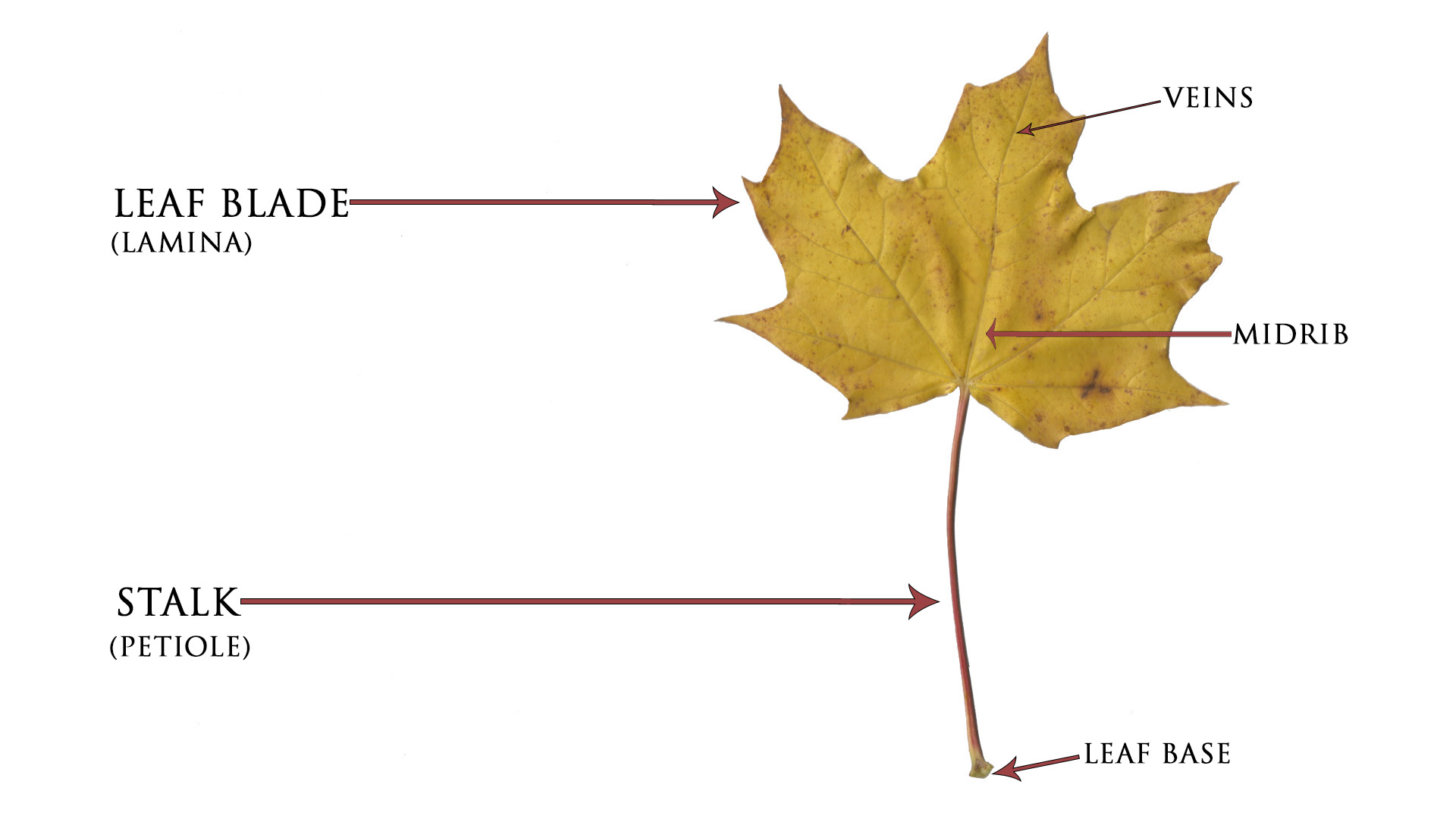
Once the leaf has created sugar, it carries it back to the tree via its ‘Vascular Bundle’ – the tubes seen in the diagram below. This collection of veins also carry water to the leaf.
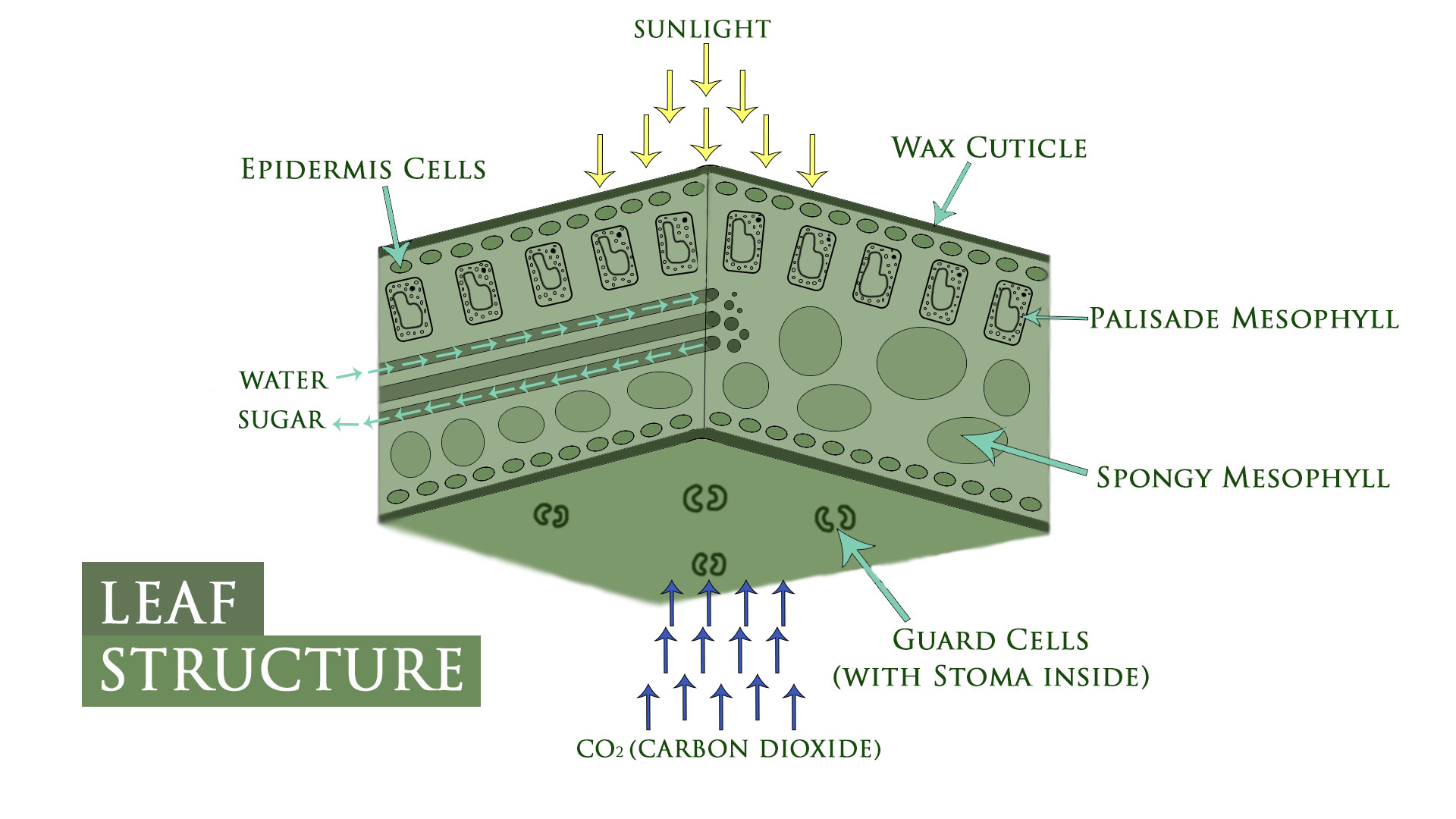
The Vascular Bundle carries the sugar all the way down the stalk so the tree can continue to thrive. Whilst this is ideal during warmer months when there is plenty of sunlight, Winter is a different story. Most of the trees that lose their leaves are called Broadleaf trees. There are some exceptions but generally speaking, these leaves are more vulnerable in harsher weather and so it is safer for the tree to cut them off and store the nutrients in an almost ‘sleep-mode’ until the days are longer again.
Evergreen and Deciduous Trees
Not all trees need to shed their leaves during the big drop. Again, there are exceptions but most trees that keep their leaves year round (named ‘Evergreen trees’) have needles as their leaves. They tend to have a waxy exterior that protects them from the more unforgiving weather and the shape is thought to aid their survival.

The trees that do take part in the big drop are referred to as Deciduous. They have the ability to sense when the days are getting shorter by using Phytochrome and Cryptochrome to detect light. This allows them to gradually slow down making Chlorophyll, which decreases the amount of green colour in the leaves; allowing the oranges, yellows and reds to show. Eventually the tree uses a layer of cells referred to as the ‘Abscission Layer’ to ‘cut off’ the veins, which stops the carrying of water and nutrients back and forth between the tree and the leaf. In time the leaf decomposes and drops away to the ground.

Humans and Trees
It can be easy to take trees for granted but they have existed on Earth for approximately 370 million years whereas humans have been here in our modern form for about 200,000 years or 300,000 years as new findings suggest. Yet humans are creating larger issues on this planet than any other species seems capable of. We have merely scratched the surface in terms of science and have to wonder, what else is there to discover that we do not yet know? We are already aware that our actions can directly threaten our own survival and without the knowledge of the full story, we cannot know all of the consequences of our actions. It seems to be safe to say that we must try to reduce our negative impact on trees as much as we can and that can be done in our every day lives.