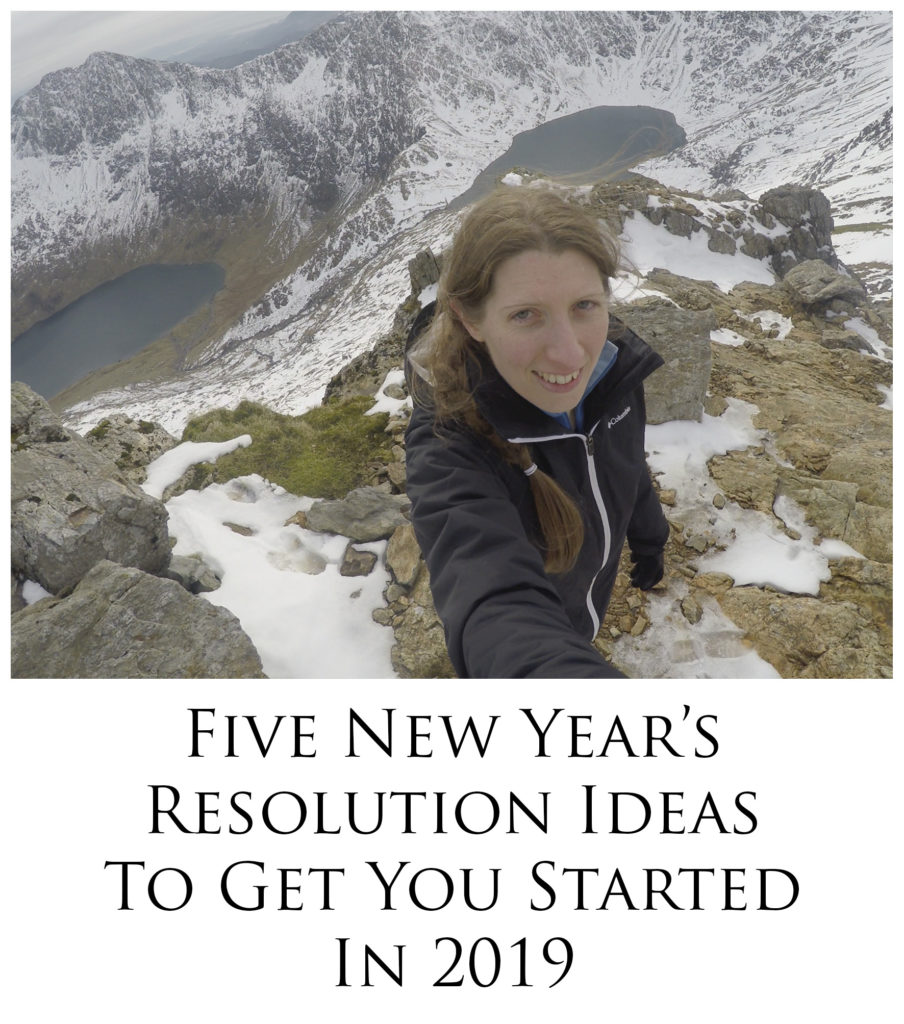
The celebrations are over and hopefully any accompanying hangovers, so now is the time to consider what we want to achieve in 2019. We like to think that it’s perfectly possible to keep new year’s resolutions as long as you make them realistic. So if you’ve not yet decided on a resolution for 2019, here are some ideas for you outdoor-enthusiasts.
Read More:
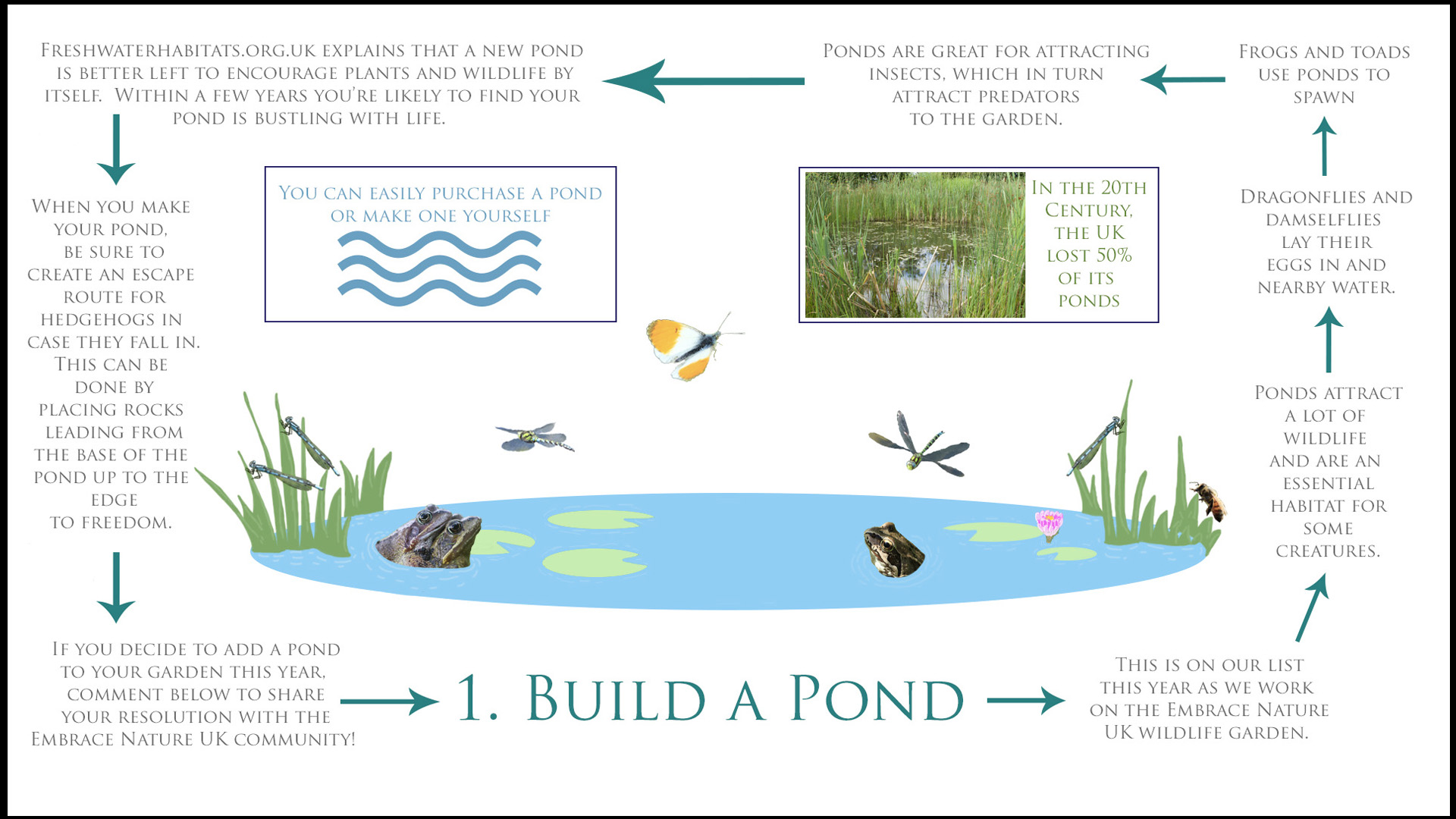
Watch how the Sussex Wildlife Trust builds their pond
Learn more about ponds from the ‘Freshwater Habitats Trust’ website
Register your pond to contribute to the ‘Million Ponds Project’
Are You Building Your Pond? If So, You Might Need:
Pond Liner:


Or the ready-prepared pond:


Prepare Yourself to Get to Know Nature Better:
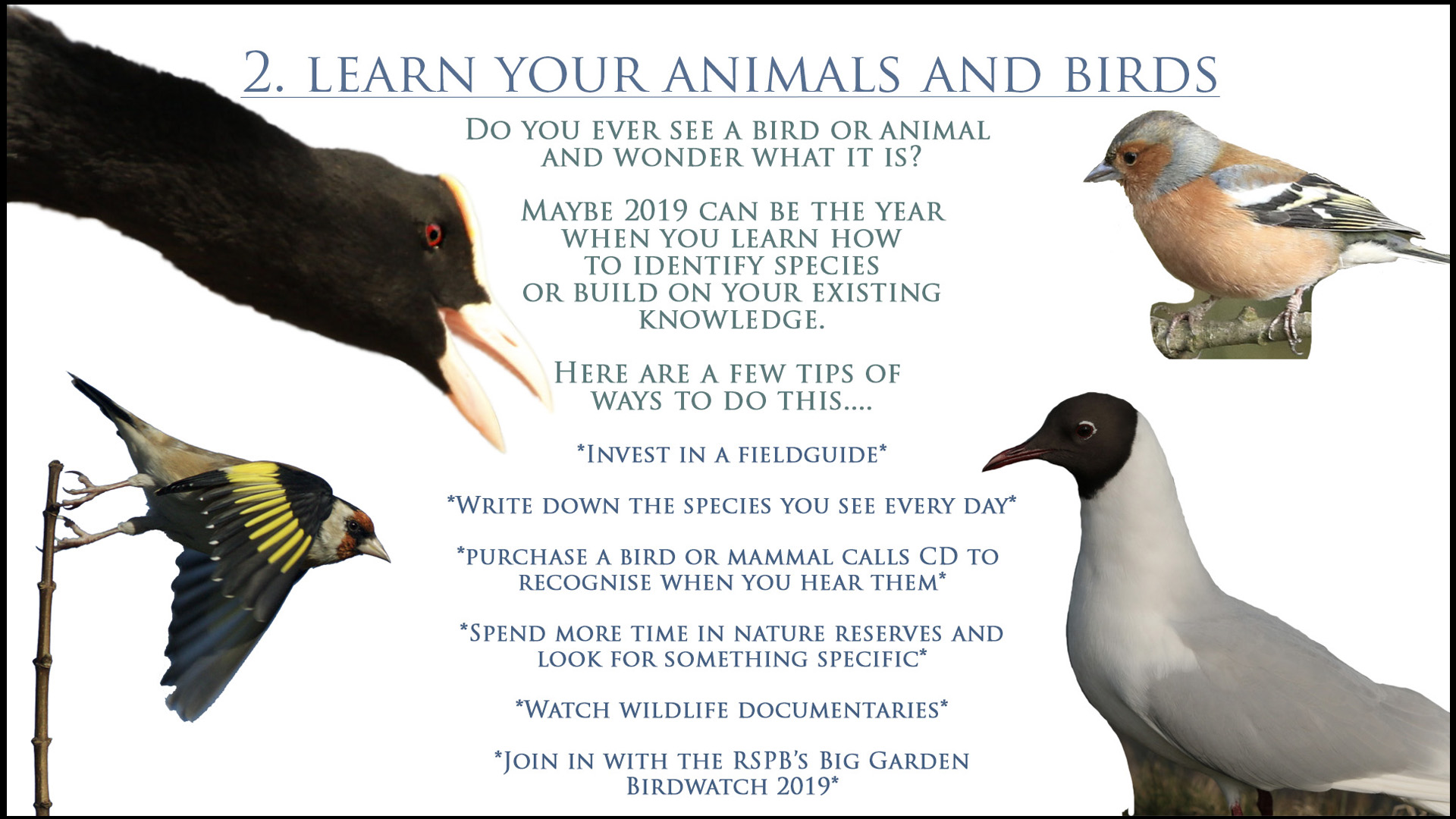
Purchase a field guide so you can identify wildlife when you find it. Our favourites are the Collins / Paul Sterry field guides:

For the past three years I wrote down the species I saw each day in this notebook. It really helps you to become more familiar with how to identify them at a glance:


By listening to bird calls on a CD, it can help you identify the species quickly when out in the wild:


And the same can apply to mammals:


Alternatively you can always put your feet up and enjoy a good nature documentary whilst learning at the same time:


Join in with the Big Garden Birdwatch 2019!
Each year the RSPB runs the Big Garden Birdwatch, which involves anyone, anywhere in the UK. By signing up here, you can spend just an hour of your time watching your garden and recording the animals and birds that you see.
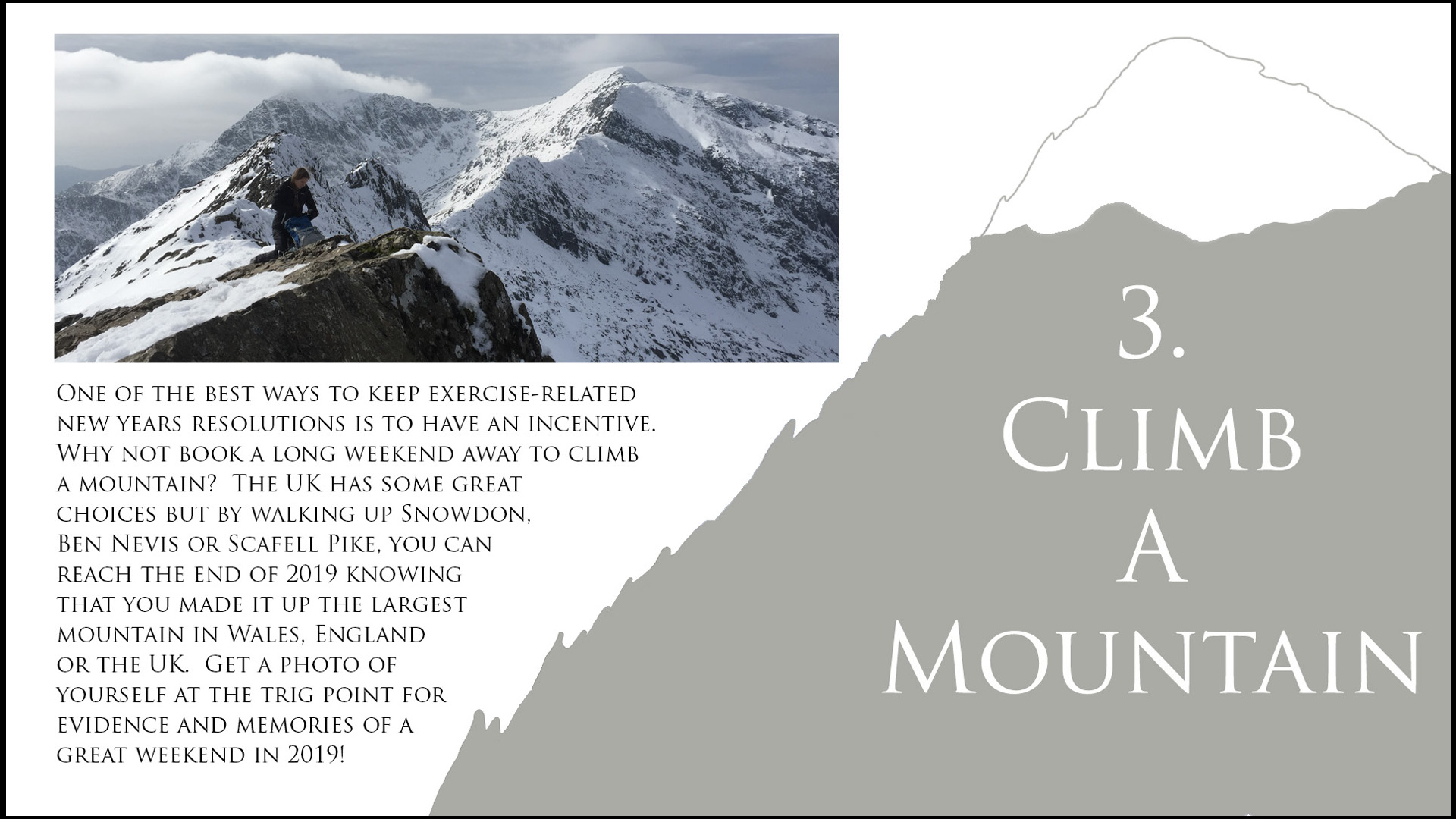
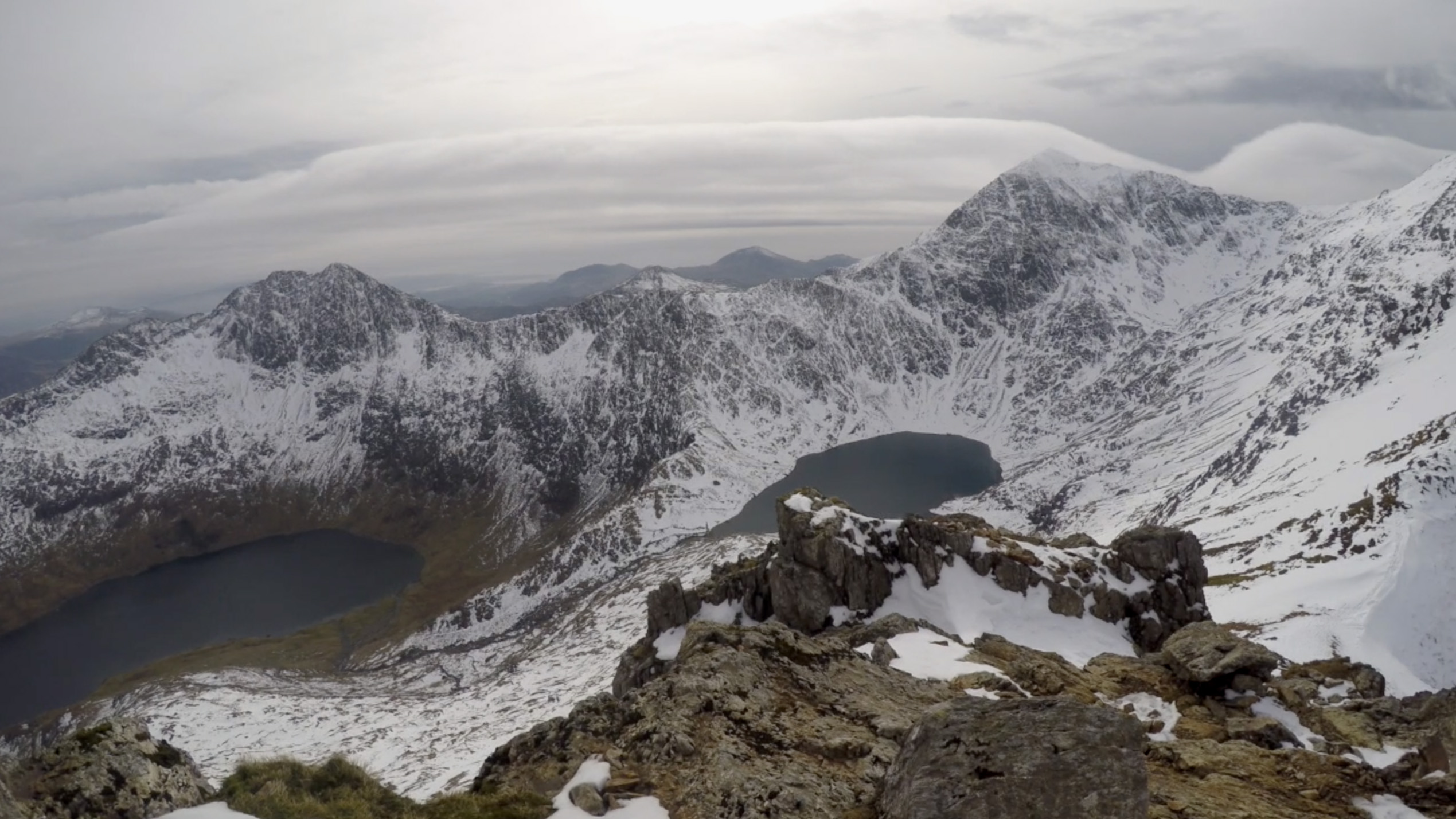
First and foremost, ensure you know where you are going. Map out the route so you are familiar with it before you get there. Having a map will keep you safer if anything goes wrong. Believe me, I’ve been on Ben Nevis without a map and would never make that mistake again!
Here are some maps for the main UK three peaks. If one mountain isn’t enough of a challenge for you this year, why not try three within 24 hours?
(check that the map covers the area you need before purchasing!)


Ben Nevis:


Snowdon:


Scafell Pike:


Check out the ‘Three Peaks Challenge’ website here!
Have a look at the OS Maps website here.
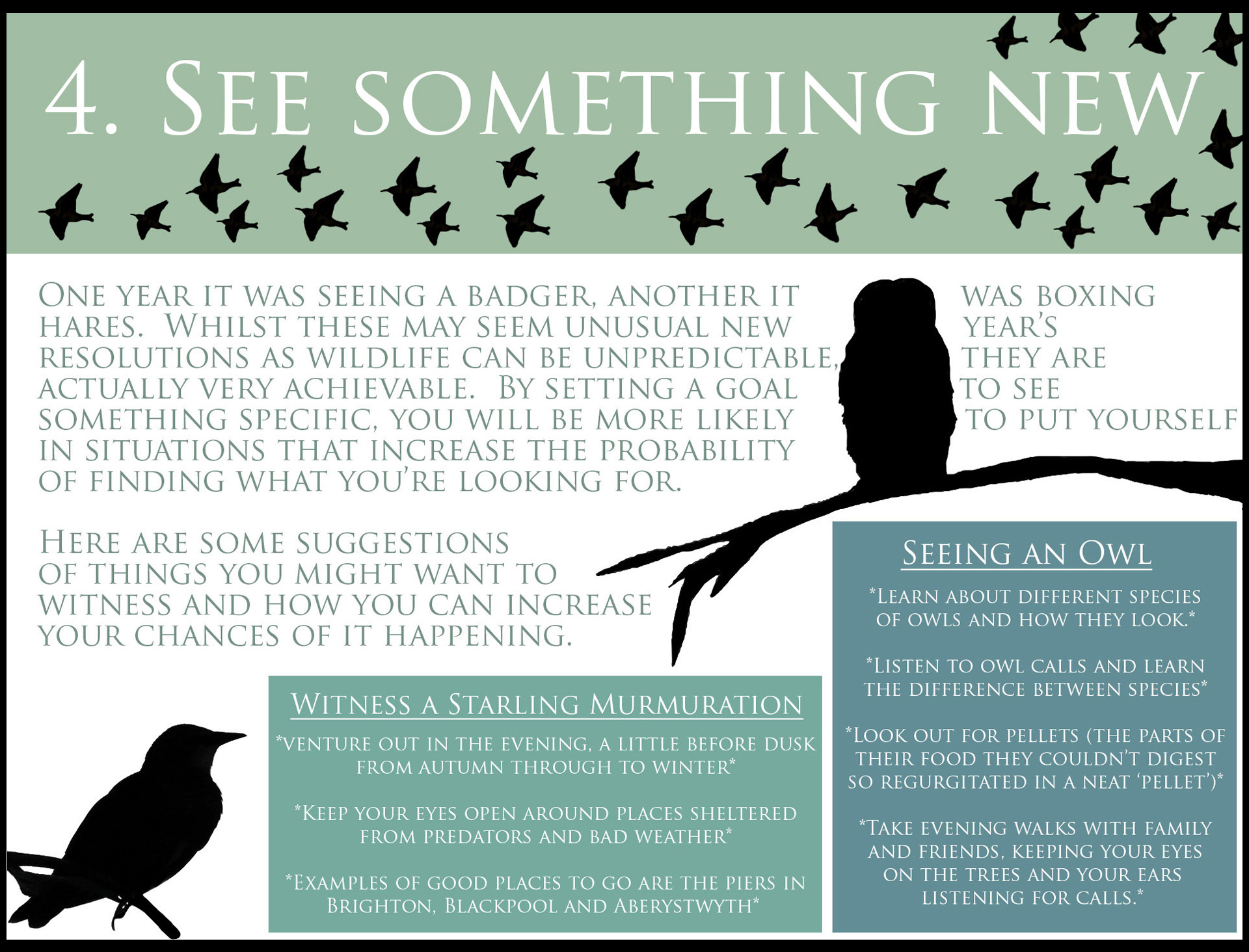
Find a Starling Murmuration Near You!
Check out the map on starlingsintheuk.co.uk

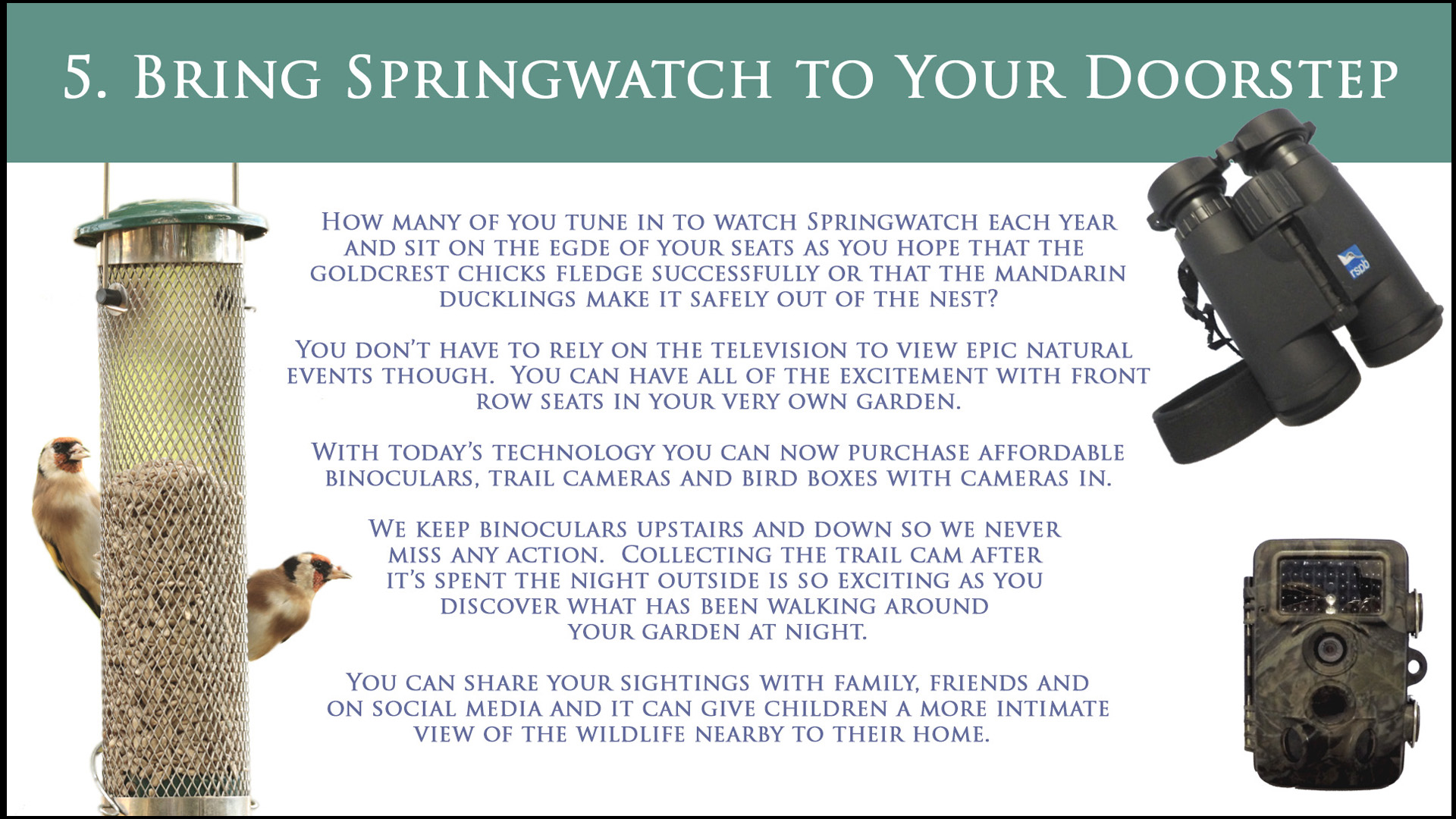
Keep in touch with what’s happening on Springwatch here
Start creating your own version of Springwatch with these items:
A Trail Camera


A Bird Box Camera


And Binoculars


SO GOOD LUCK, GO WILD AND HAVE A HAPPY NEW YEAR!
When you need a barrier against rain, wind, the freezing cold and angry pecking birds, what do you wish you had?

A windy day on Benbecula
If you’re like us and spend a lot of time out of doors, you’ll know that sometimes a scarf doesn’t quite cut the mustard. If you’re climbing a mountain in high winds and need to get to an inside pocket of your jacket or need to adjust the layers you’re wearing, the last thing you want is a scarf flapping about in your face.
Learning Lessons
Before my purchase of light-weight, speciality walking clothes I wore heavy and impractical clothing that not only made hiking harder, but actually made walking more dangerous.
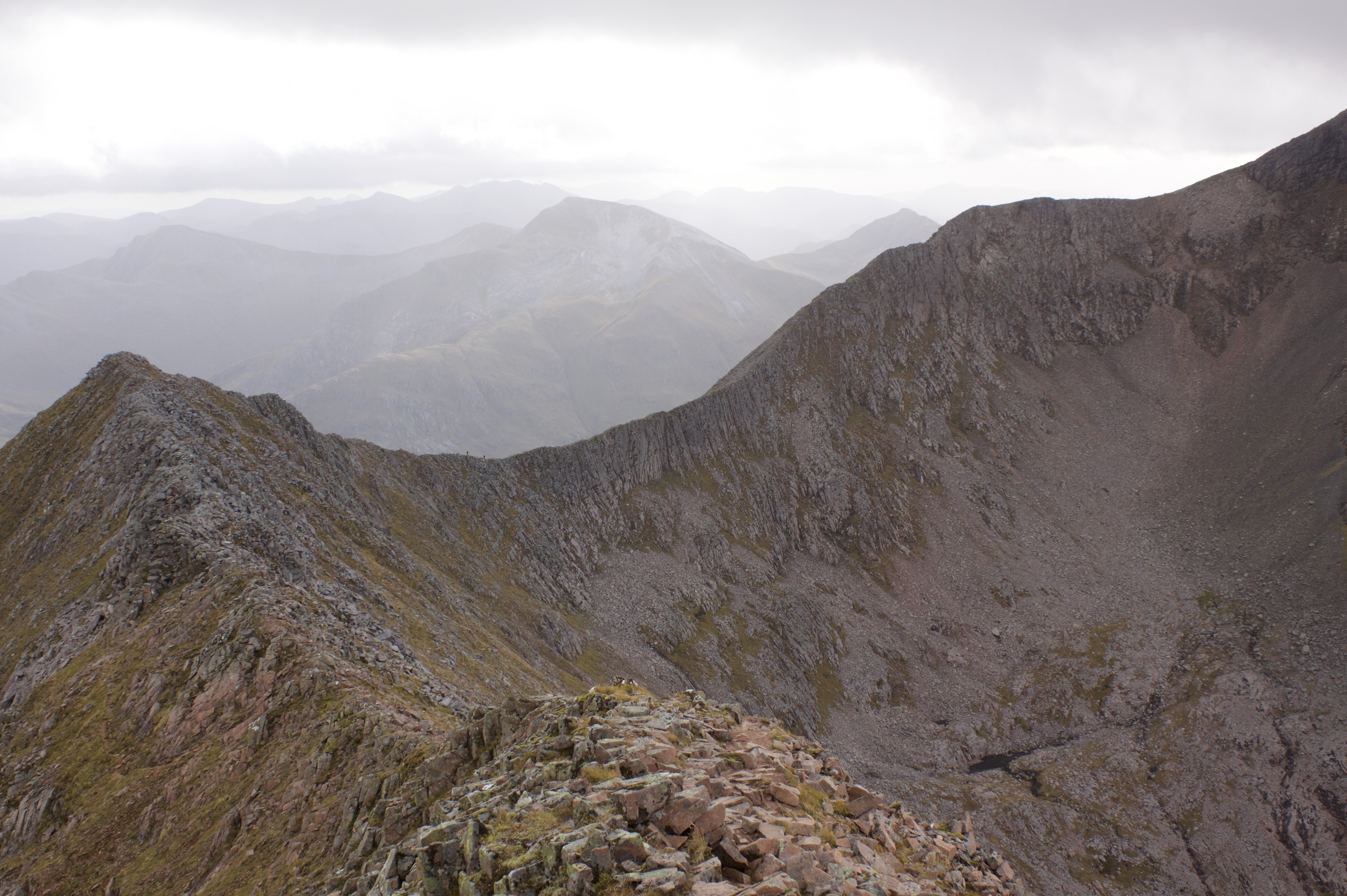
The CMD Arête on the way up Ben Nevis
Years ago, a walk up Ben Nevis that went wrong became a major lesson for us in how to properly equip ourselves. It’s easy to scoff at British mountains as they are very small in comparison to mountains elsewhere in the world, but they’re still not to be taken lightly.
Back then we wore heavy clothes, I was carrying a bag of camera equipment and didn’t have a proper OS map. When we changed course to follow a couple of walkers who suggested an alternative route up, we quickly found our clothes and equipment were so heavy that after a near vertical climb up to the arête, we were exhausted.
After heading up the north face and over the CMD arête we made it to a set of boulders that we didn’t have the capacity to clamber up. At this point the sun was setting and it began to snow. There was no one else around to help us out with the route and as we were tired and hungry we started to make poor decisions. We ended up seeking advice from mountain rescue who were then obliged to come and meet us to make sure we got back safely.

The CMD Arête
Over the years we analysed our mistakes and started improving our equipment. We learnt to travel lighter and only carry necessary items. The Buff was one of the first items that I purchased, which promoted this lighter way of walking.
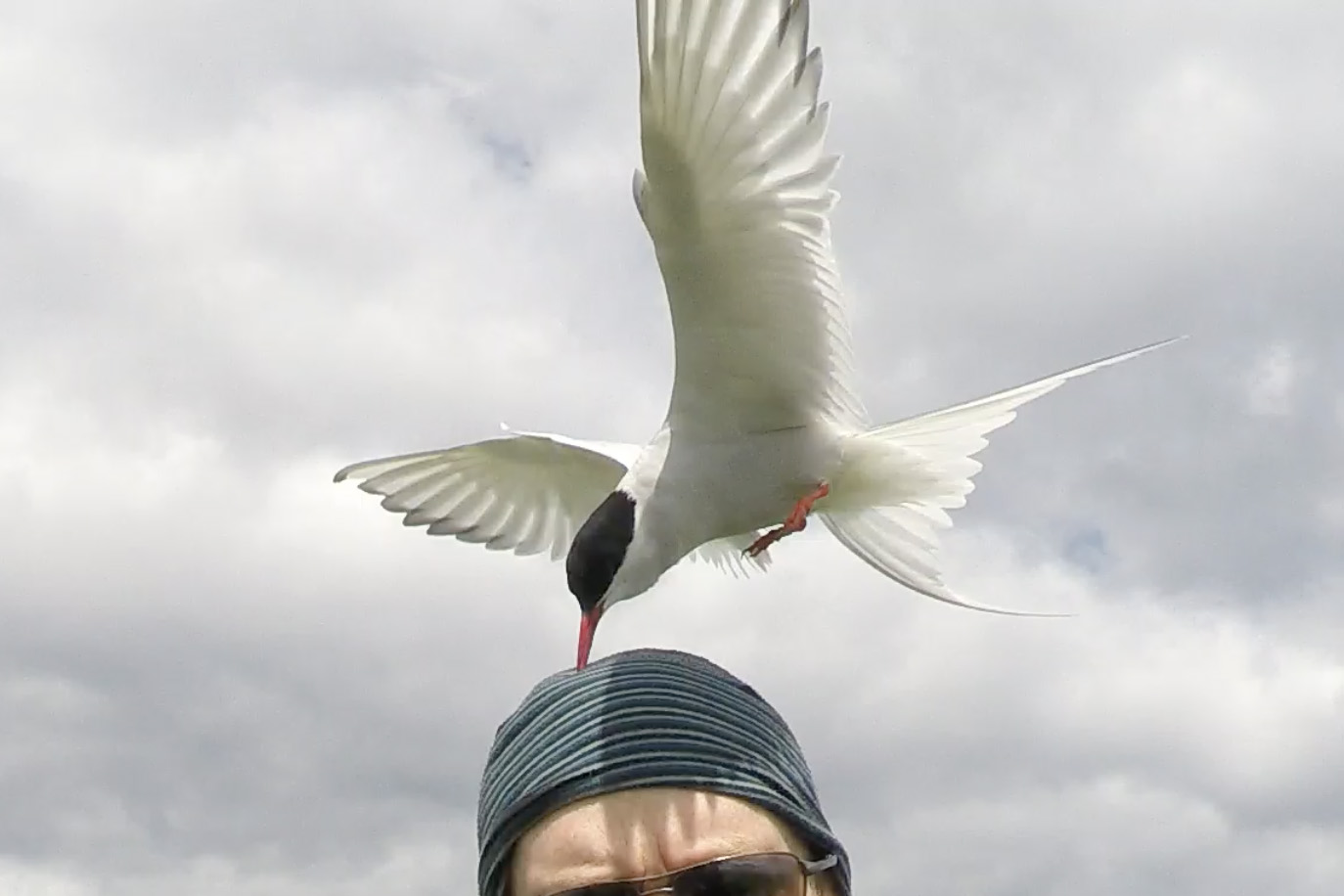
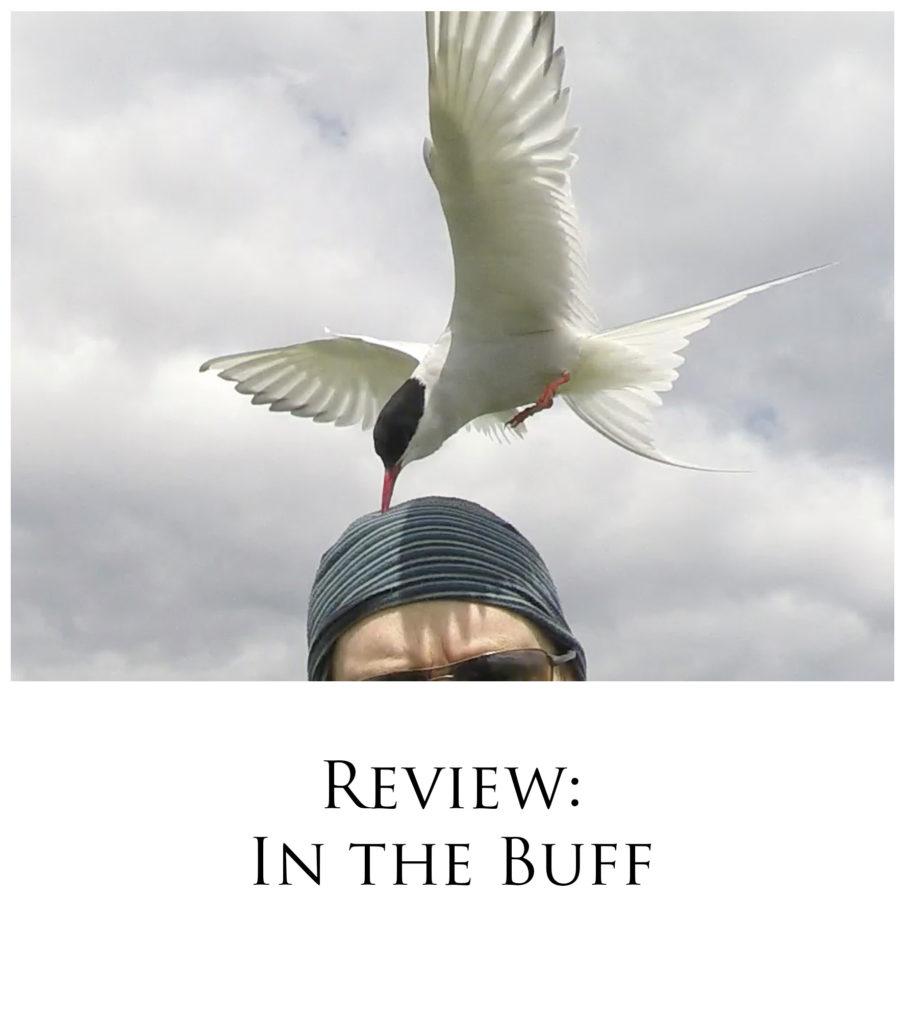
A Buff hat offering protection from a Tern on Inner Farne
Outings With Our Buffs
Much of our walking is done in Winter so having layers and lots of them is essential! The Buff protects against the cold and can act as a scarf, it can help you breathe when walking against high winds and can be used as a hat when you want something over your head and ears.
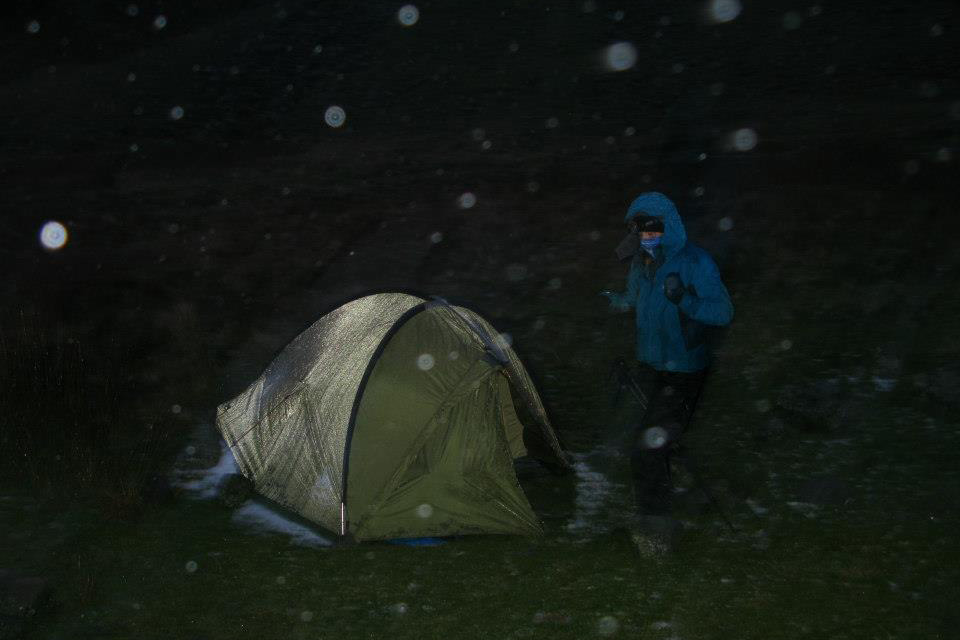
My Buff doing what it does best during a snowy night on Snowdon
Buffs are promoted as being multi-functional and therefore can be worn in lots of different ways. This makes them suitable for hot and cold weather as can protect you against low temperatures and from the sun.
The Buff fits nicely into my jacket pocket and takes up very little space, which makes it handy as it’s right there when you need it but isn’t a burden in any way.
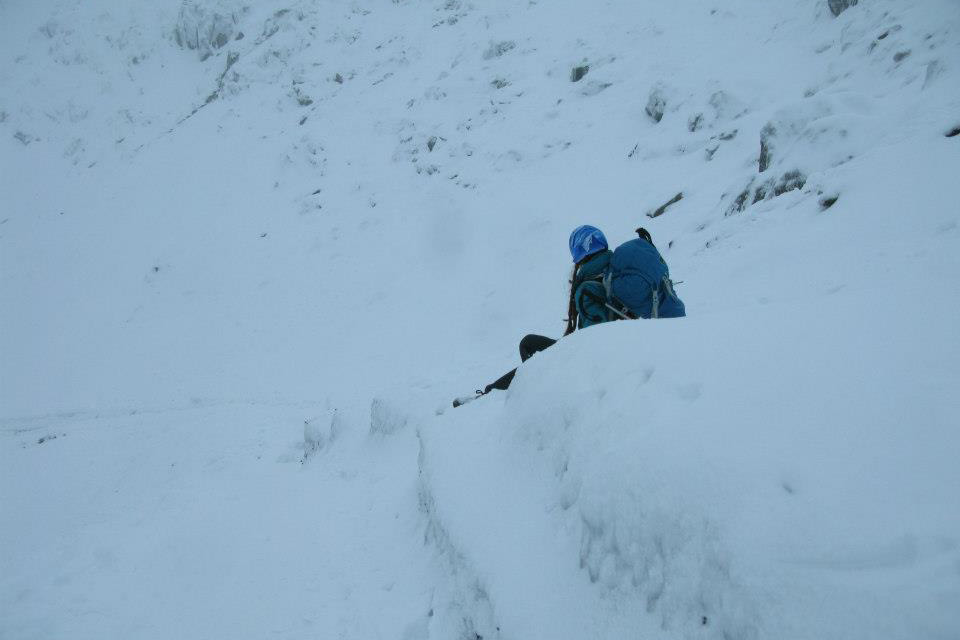
Clambering down Snowdon
Years later, after purchasing my Buff, I sought a new hat. Well, who are you going to call? That’s right, a trip to my favourite walking shop got me a Buff hat. Again, it’s light-weight, takes up hardly any room, is comfortable and lined with soft material that caresses my head in the chilliest of weather and (I think) it looks pretty good too!
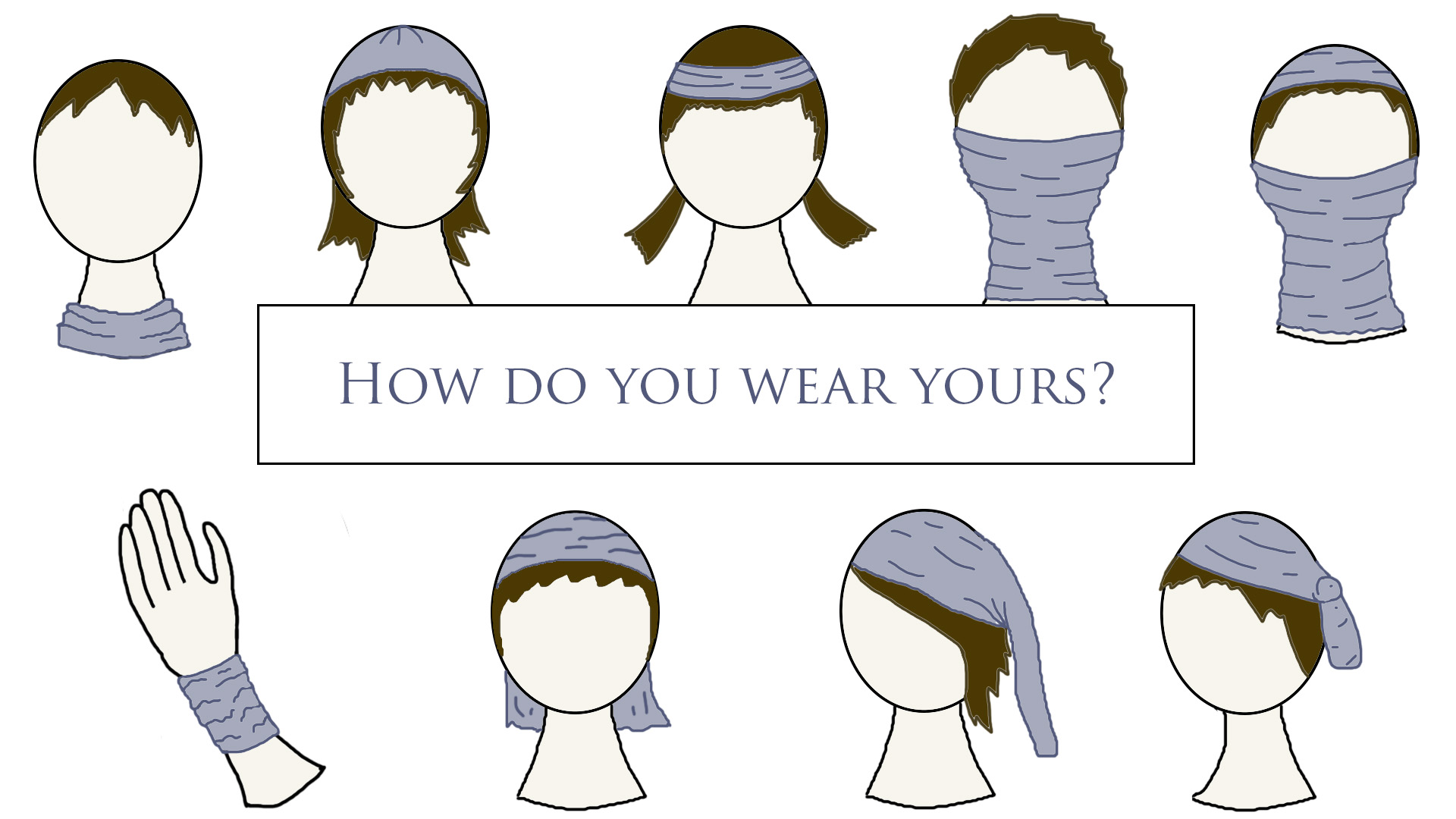
My Buff and Buff hat have become two items I wouldn’t dare venture out for a walk without. You never know what weather to expect in the UK when out walking but a Buff has been created with hot and cold weather in mind. I believe that all outdoor-lovers could benefit from having a Buff as it makes outdoor activities more comfortable and that bit safer by keeping the warmth in when it’s cold and keeping the sun off when it’s too hot.

Climbing Snowdon during Spring
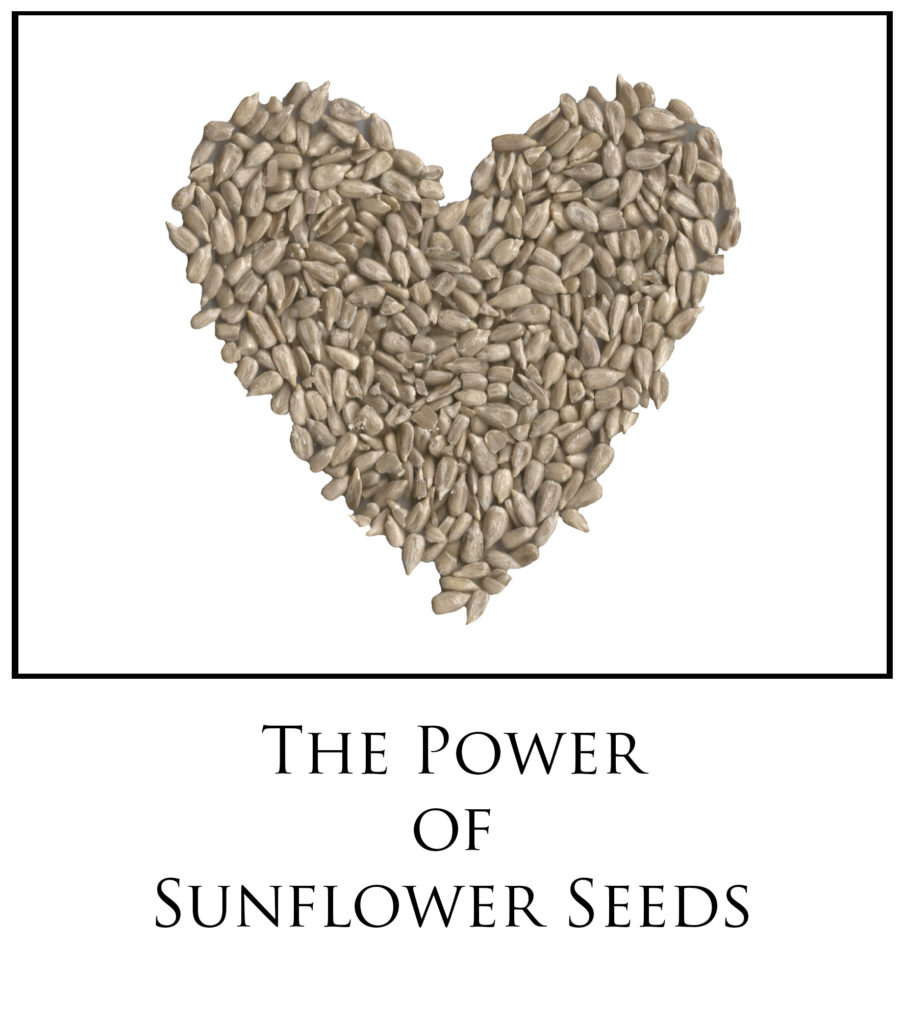
When it comes to feeding garden birds, there are so many options available that it can be a little overwhelming. Therefore we’ll be homing in on a few of our choices that attract birds to the garden and help them out throughout the year. This week we’ve chosen to look at sunflower seeds.

It used to be widely advertised that niger seed appeared to be a Goldfinch’s favourite food but apparently this has recently changed and we’ve seen this first-hand in the Embrace Nature UK garden. When we initially wanted to attract Goldfinches, we purchased a small niger seed feeder and rarely saw any birds on it. Once we introduced sunflower hearts though, everything changed. We now enjoy seeing many Goldfinches every day and even when the Sunflower heart feeder is already full of birds, they still choose to try and squeeze in before considering the other food options that are within close proximity.

There are lots of benefits to eating sunflower seeds.
* Oil content – the seeds are high in oil, which keeps beaks, feathers and their skin healthy
* Fast food – sunflower hearts in particular are quick to eat but whether you display black or striped sunflower seeds or the hearts, the birds can get maximum energy in only small quantities of food. When we see tits on the feeders they rarely stick around long so getting that extra boost when they’re back and forth must be a good thing!
* Nutrition – The seeds contain magnesium, iron, calcium, Vitamins A, C and B-6 amongst other things. They provide the right nutrients for birds to maintain a healthy nervous system, feathers, skin and strong beaks.
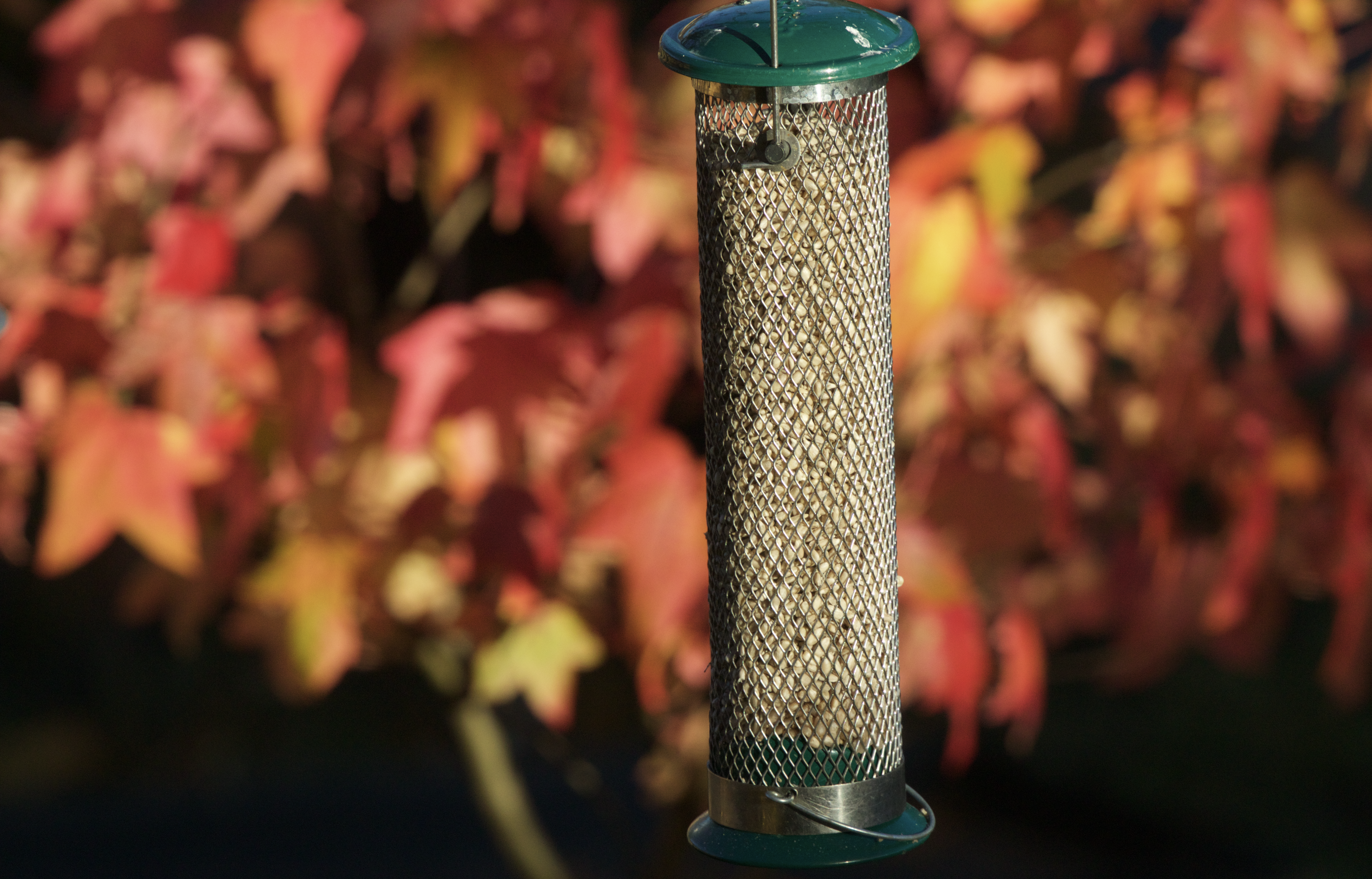
Sunflower seeds have potentially contributed to the recovery of a few species of birds including Goldfinches and Great Tits. At one time their numbers were declining but it’s thought that since sunflower seeds and niger seed has started appearing in our gardens, birds have been given a helping hand that aids them in surviving the harsher months.
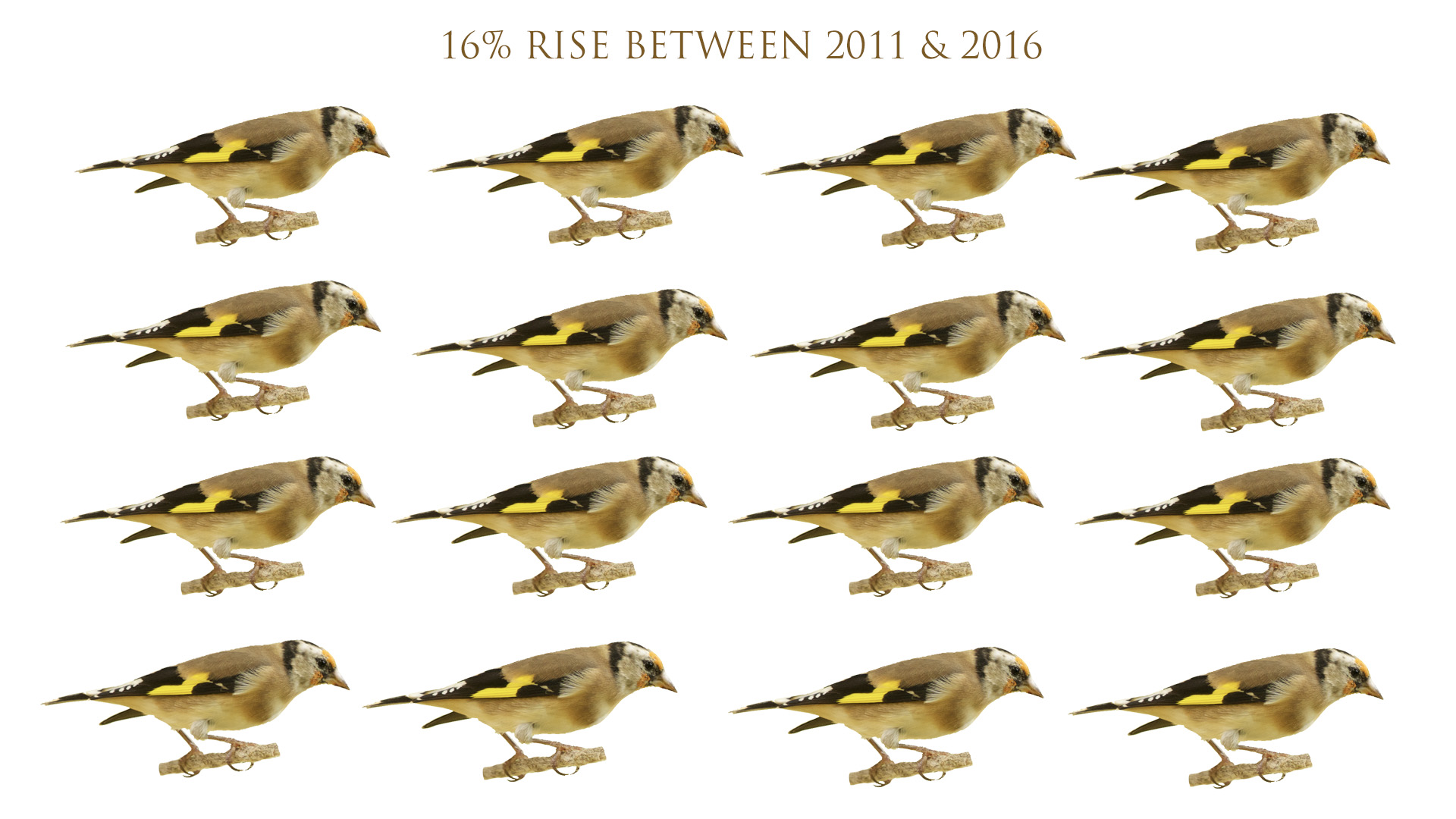
The impact on species numbers has been impressive with the Goldfinch population increasing by 16% between 2011 and 2016. Our enjoyment of feeding garden birds has had a further impact as scientists believe that in the UK, we have been responsible for ‘rapid evolution’. Some bird species in Britain have been found to have beaks of up to 0.3mm longer than the same species in the rest of Europe.
So if you’re thinking of introducing sunflower seeds to your garden, what do you need?
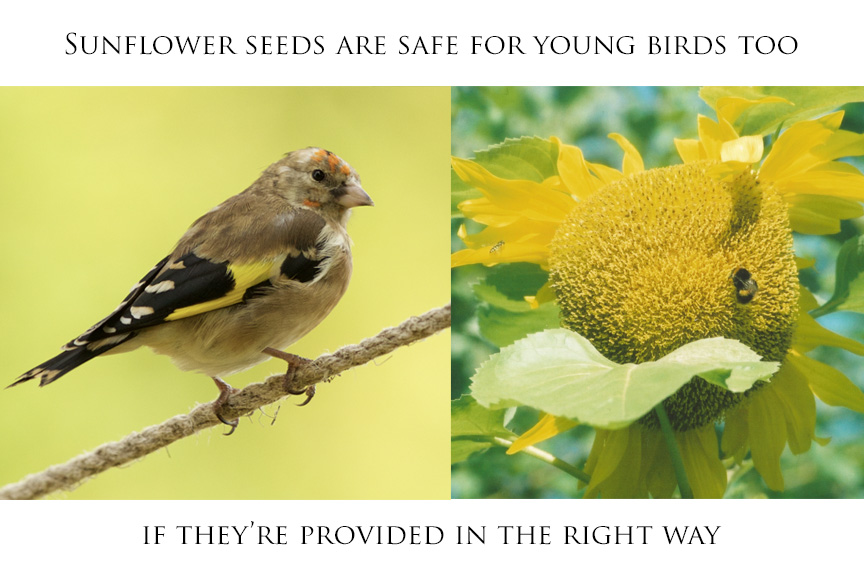
You can purchase black sunflower seeds, striped sunflower seeds or sunflower hearts. The sunflower hearts produce the least mess and are the easiest and fastest for birds to consume, though may not last for as long as in warmer weather can rot quickly. Whichever food you choose, you will most likely find that a diamond-hole cage feeder is most appropriate for these seeds as they may slip out of the holes in something bigger. This sort of feeder will also ensure that the food is completely appropriate year round as the birds can only take small amounts out at a time. Therefore small chicks won’t be likely to choke on the food if the parents choose to provide it.
It’s important to keep bird feeders clean by washing them regularly. This can be made easier by using cleaning brushes. If you choose to feed birds they can become reliant so ensure that you keep feeding them and gradually reduce the amount of food before holidays so the birds don’t miss you too much!
Otherwise, get your binoculars ready and sit tight to enjoy the sight of birds getting their fill of those tasty sunflower seeds!
Interesting Reading
We now live in a time where we are conscious of the impact of our methods of disposing of waste and we have the opportunity to act.
Discussions about what happens to our recycling once it’s collected by councils around the country has been prominent in the news lately so it’s a good thing if we can take control over what happens to some of our waste.
This is where composting is ideal.
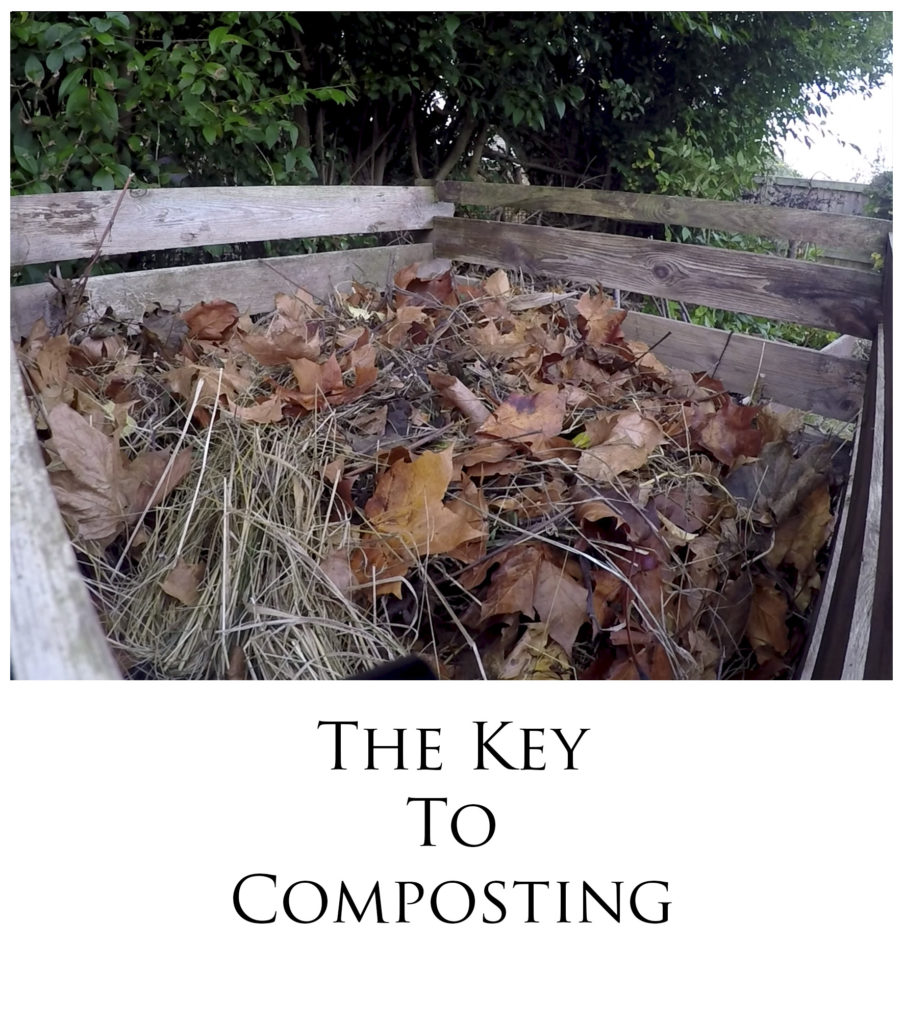
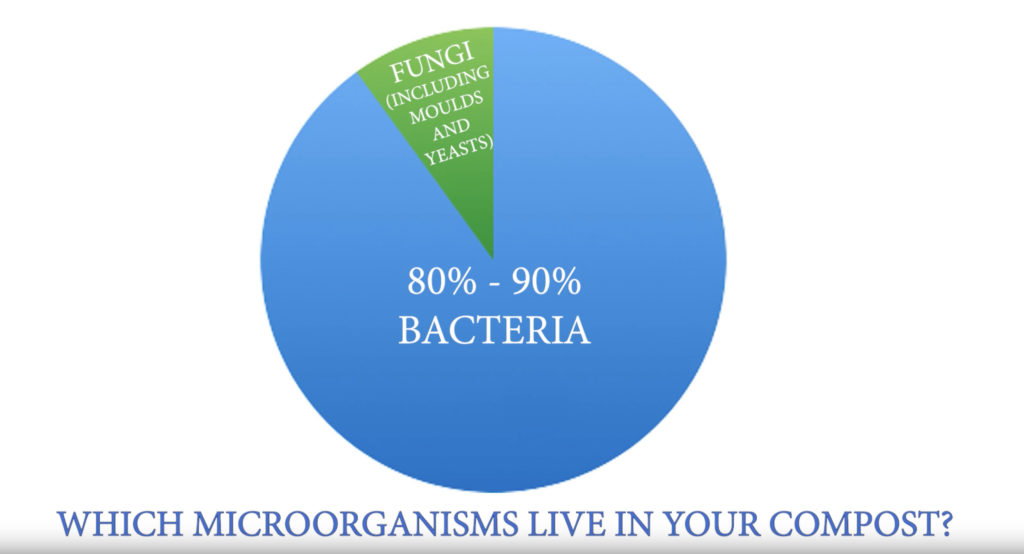
Composting is basically a way of speeding up the decaying process so we can transform our waste products into usable soil. We certainly do not do this alone. Particular microorganisms are essential to this process and take turns to break down items placed into our compost bins. This will only work effectively if we encourage them though.
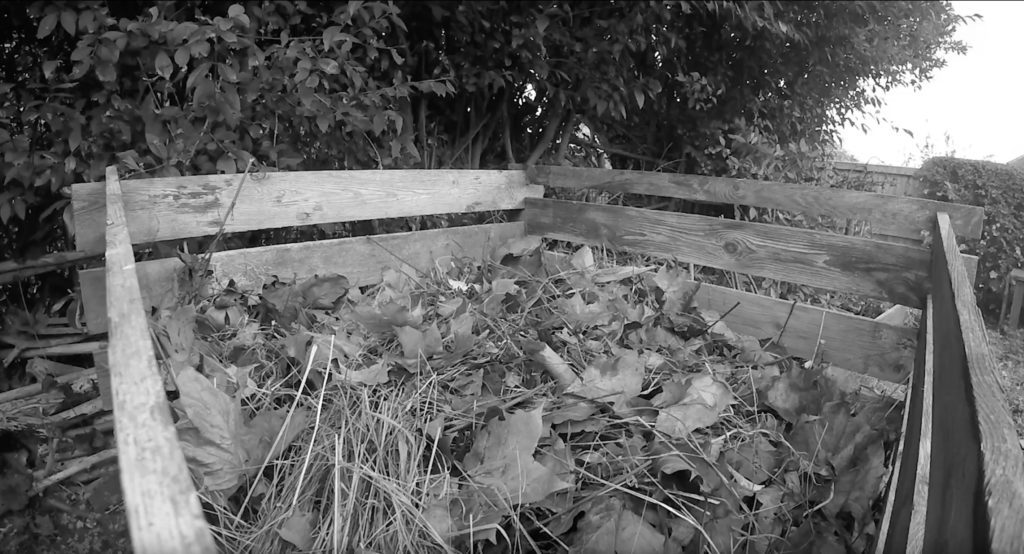
Here are some top tips for creating a compost heap that produces good results.
CREATE A BALANCE
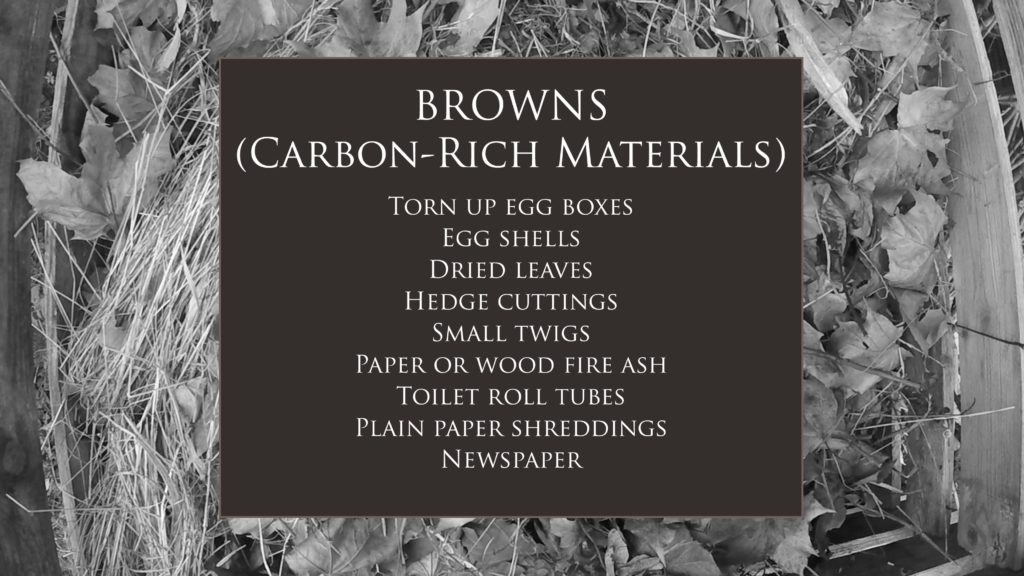
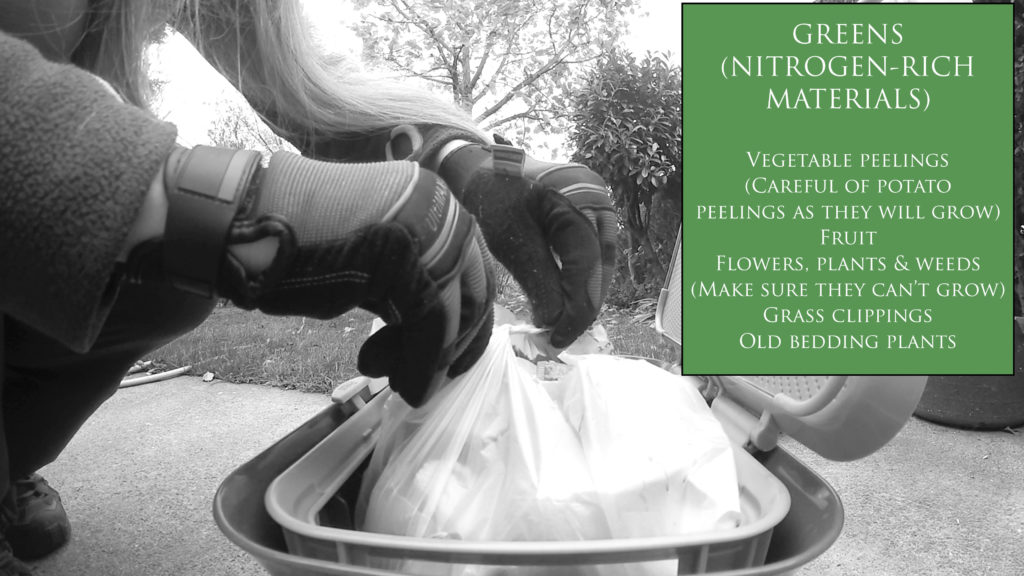
There are two types of waste products that we put into our compost bins. You will likely hear them referred to as ‘Green’ and ‘Brown’ materials. ‘Green’ refers to nitrogen-rich items and ‘brown’ refers to carbon-rich waste products. Both carbon and nitrogen are essential for the right microorganisms to thrive. Carbon provides them with energy and nitrogen gives them what they need to grow and reproduce.
So the power to help these microorganisms break down your compost is in your hands.
Which materials then class as ‘Green’ or ‘Brown’?
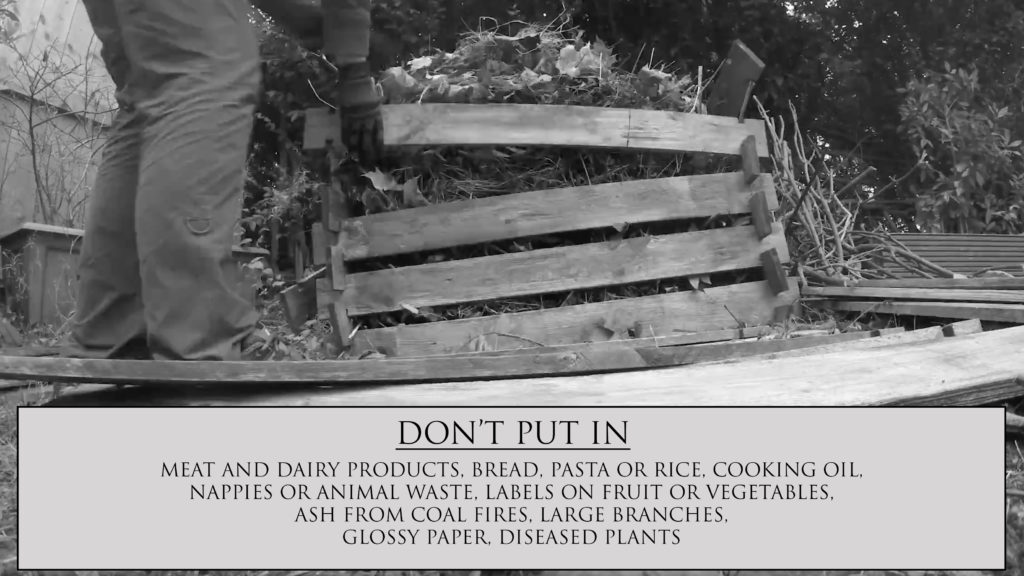
TURN YOUR COMPOST
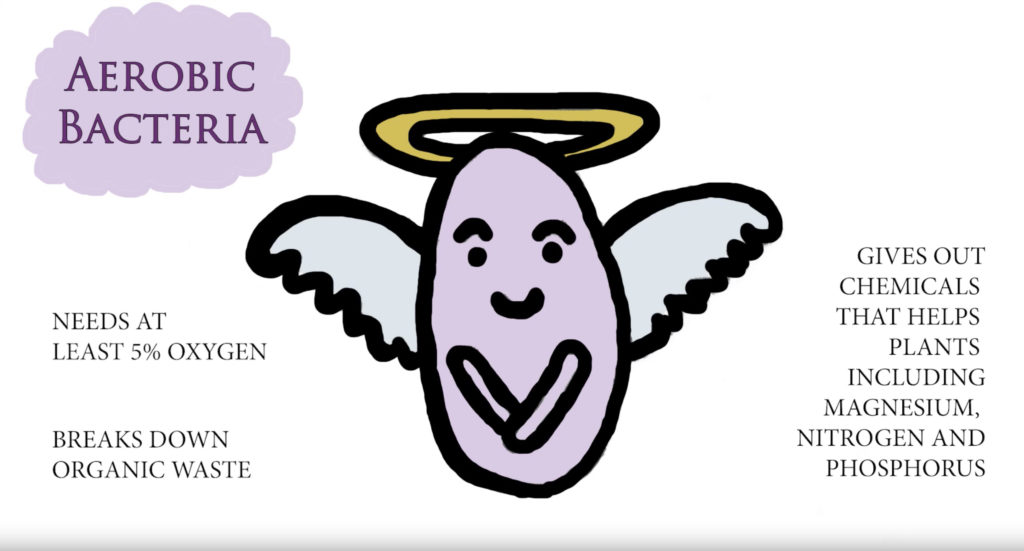
Turning your compost can help it to decay for a variety of reasons. Firstly, certain microorganisms need oxygen to survive so it’s important to give your compost chance to breathe so those microorganisms can push forward with the composting process. Turning your compost also makes new material available to Thermophilic microorganisms so they can start work on breaking it down.
FEED YOUR MICROORGANISMS
The microorganisms in your compost bin are going to be working hard for you, so in return it’s only fair that you provide them with the conditions that they need. You can make sure they get the correct nutrients by putting both green and brown materials in. You can help oxygen to reach the heap by having a compost bin that allows air in and by turning the compost regularly. You want your compost to be moist but not soaking wet. If there is too much water getting in, cover the compost to ensure it doesn’t end up too wet. Your compost also needs to be warm to invite productivity from friendly microorganisms. The decaying process can raise the heat a bit too much though, which is another good reason for turning your compost as this will keep the temperature at a good level. You might go as far as keeping an eye on the temperature, which you can do by purchasing a compost thermometer.
BE AWARE OF YOUR COMPOST’S CONDITION
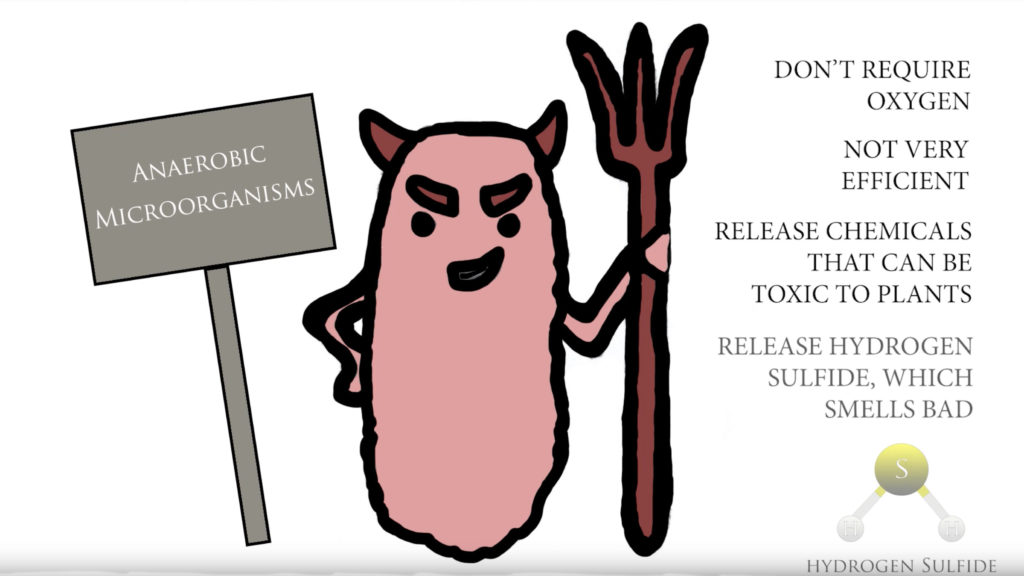
There is one really simple way to tell if your compost isn’t working as efficiently as it should. If it smells bad it’s a sign that you might not be creating the correct balance between compostable materials and are maybe not creating quite the correct conditions for it to decay the right way. The reason for the smell is often down to Anaerobic bacteria, which release Hydrogen Sulphide, creating the bad odour.
ADD COMPOSTING TO YOUR LIFE
Not everyone has a compost bin but they could be missing a trick. Some councils offer food-waste recycling, but not all, in which case you can take control yourself and make disposal of your waste as environmentally-friendly as possible. By taking a step to begin composting you have control to turn waste materials from your home and garden into useful soil for plants. It is really simple to begin and can be started by doing the following:
Purchase or make a compost bin
If you feel confident about making your own compost bin, that’s brilliant! There are no specific rules about what your compost bin should look like but keep in mind that you will likely want to turn the compost and access the soil created at the bottom at some point. Therefore it’s best to create something where you can remove either all of the wood around it with ease, or remove the front of the compost bin.
Alternatively you might prefer to purchase a compost bin, which saves you the trouble of making it. Whilst there are many compost bins that are plastic with a hole at the bottom for taking out the finished compost, they’re not necessarily the best design and might not allow enough air for the decaying process to go ahead easily. From personal experience we’ve found a compost bin with wooden slats to be more suitable.
Start collecting and recycling your own food waste
Recycling merely requires habit. All you need to do is get yourself a food waste bin and pop it in your compost bin whenever it’s full. Even the RSPB now provide their magazines in compostable plastic, which allows you to use it in your food waste bin if you wish. You can easily purchase compostable food-waste bin liners from supermarkets or online too so the whole process is mess-free.
Enjoy the benefits of collecting your own garden waste
If you have the benefit of your council providing garden waste bins, you might still find that the bin isn’t big enough and won’t necessarily take all that you need to feed it during the months when your garden grows the most. This is another reason why having a compost bin can be a huge benefit. We have three large compost bins in the Embrace Nature UK garden and have no trouble filling them with grass clippings, food waste, leaves and other materials. It’s so much better recycling these things yourself and with great convenience than waiting for someone to collect your rubbish by their convenience.
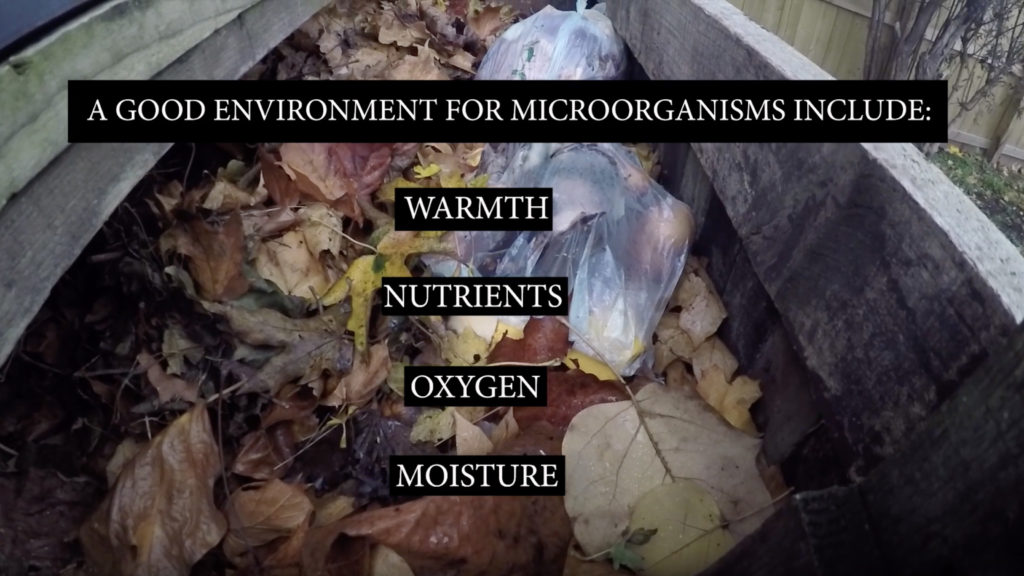
So the benefits of composting are clear and managing it is simple. Get it right and not only should you end up with healthy compost for your plants in the garden as a result, but it also encourages wildlife as acts as a haven for insects and other creatures.
Happy composting!
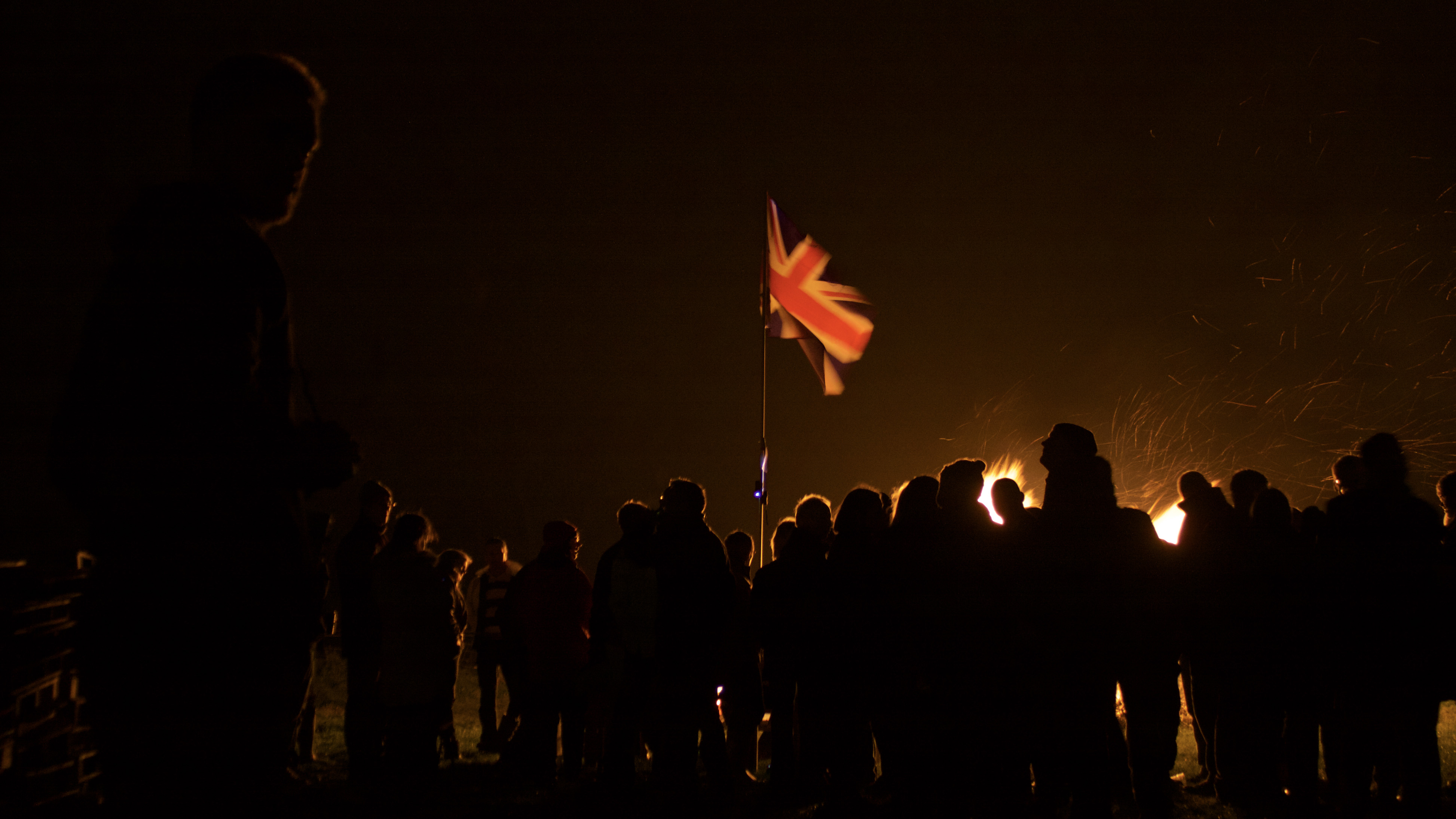
We all remember remember the 5th of November and with firework displays all over the country we are able to enjoy the night. For animals it can be quite a different matter though. Naturally animals will be unaware of the source of the loud booms echoing from a variety of locations and with many of them having more acute hearing, the event can be extremely stressful for them. Therefore, we have put together 10 top tips to consider for the night when animals and fireworks need to co-exist.

Cats and Dogs
Walk dogs early enough to ensure that they’re back home before the fireworks start.
Close windows and curtains to keep the sound out and pop on some music to disguise the booms.
Secure your home so that your pets can’t escape if frightened. Make them a cosy corner to hide away in if they are afraid.
Ensure your dog is carrying ID so if it does escape, you can find it again.
Don’t be angry with your pets if they’re acting up because they’re scared but do reward calm behaviour.

Small Animals
Bring your pets indoors if you’re able to. It’s better to do this gradually so they can get used to the change.
Cover hutches and aviaries with blankets and give animals extra bedding so they can snuggle away. Make sure you allow openings for ventilation though and so they can look out!

Wild Animals
Check bonfires to make sure there aren’t any animals resting or hibernating under them. Before you light your bonfire, either move it completely or use the handle of a brush and a torch to check no one has moved in. Potential residents could be Toads, Frogs, Newts or Hedgehogs.
Light your bonfire from one side only so any animals that might be hiding underneath can have an escape route.
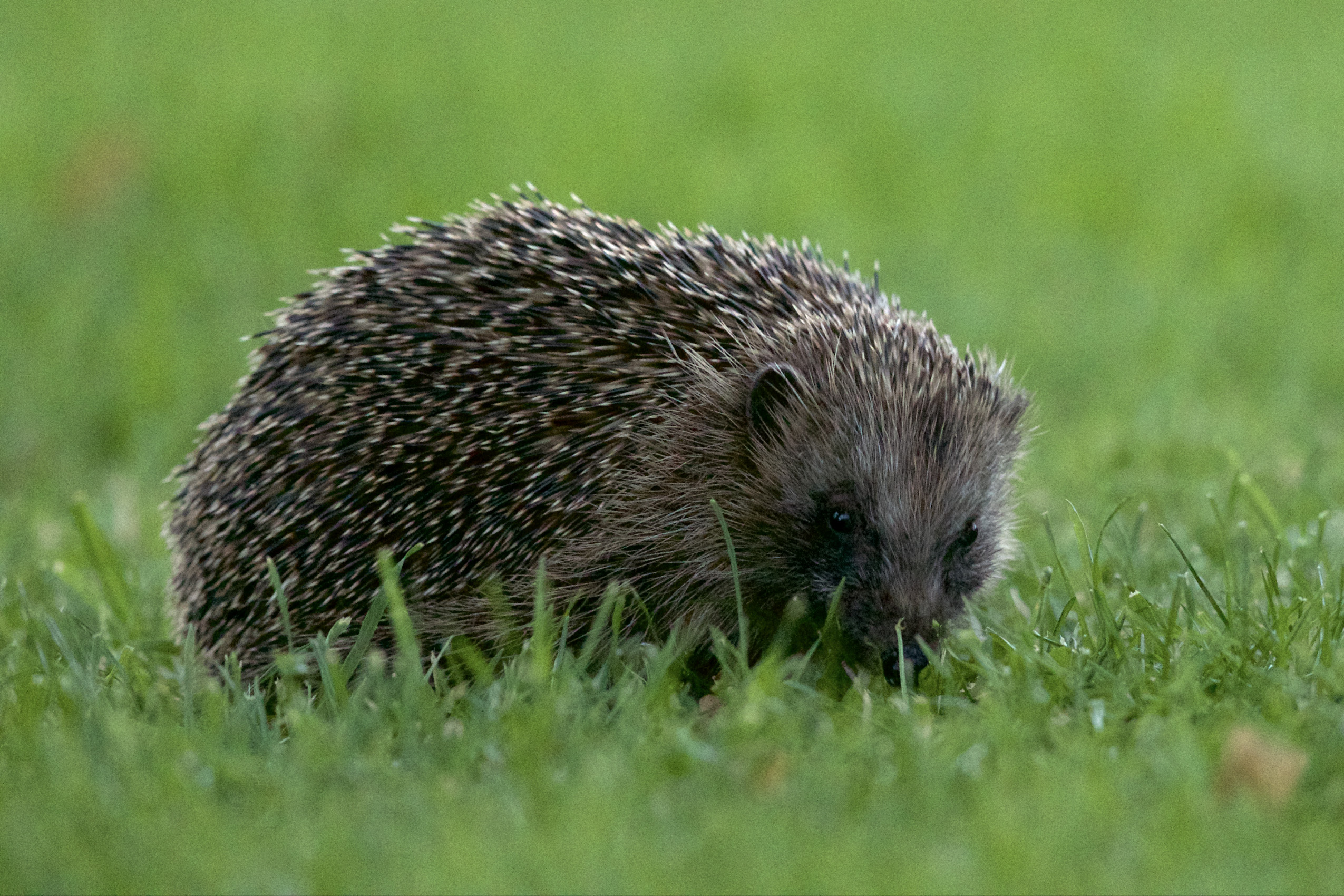
Hedgehogs may still be out and about at this time of year and are very sensitive to loud noises. Using a feeding station not only protects them from predators and their food from cats but it also might make them feel more secure when the fireworks are going off.
Remember that animals and fireworks do not make for a comfortable mix and so it’s better to limit your firework displays to official celebrations such as bonfire night. If you take care to look out for the animals in your home and garden, you should then be able to rest easy and have a happy firework night!
Watch Our Embrace Nature UK Episode About Firework Night:
Well it’s that time of year again where people dress up to become witches and monsters, decorations go up and the streets are filled with tasty treats. We don’t normally embrace Halloween as much as we could but this year we feel that there’s a way to enjoy Halloween and throw nature into the mix at the same time.
Halloween is getting bigger in the UK but hasn’t reached the popularity that it has in America. Therefore we could be missing a few tricks of how to enjoy it to its fullest extent. We have therefore spent this week looking at ways to bring nature to the party in the way of how we prepare and use our pumpkins.
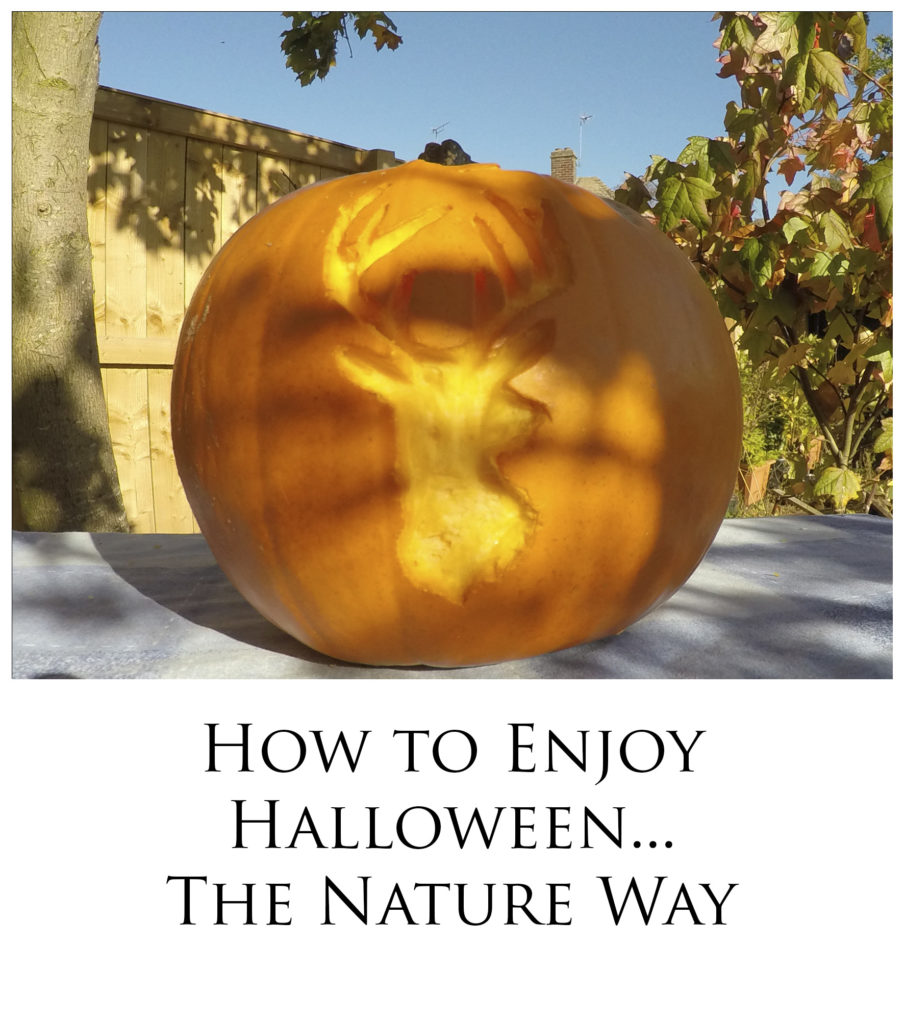
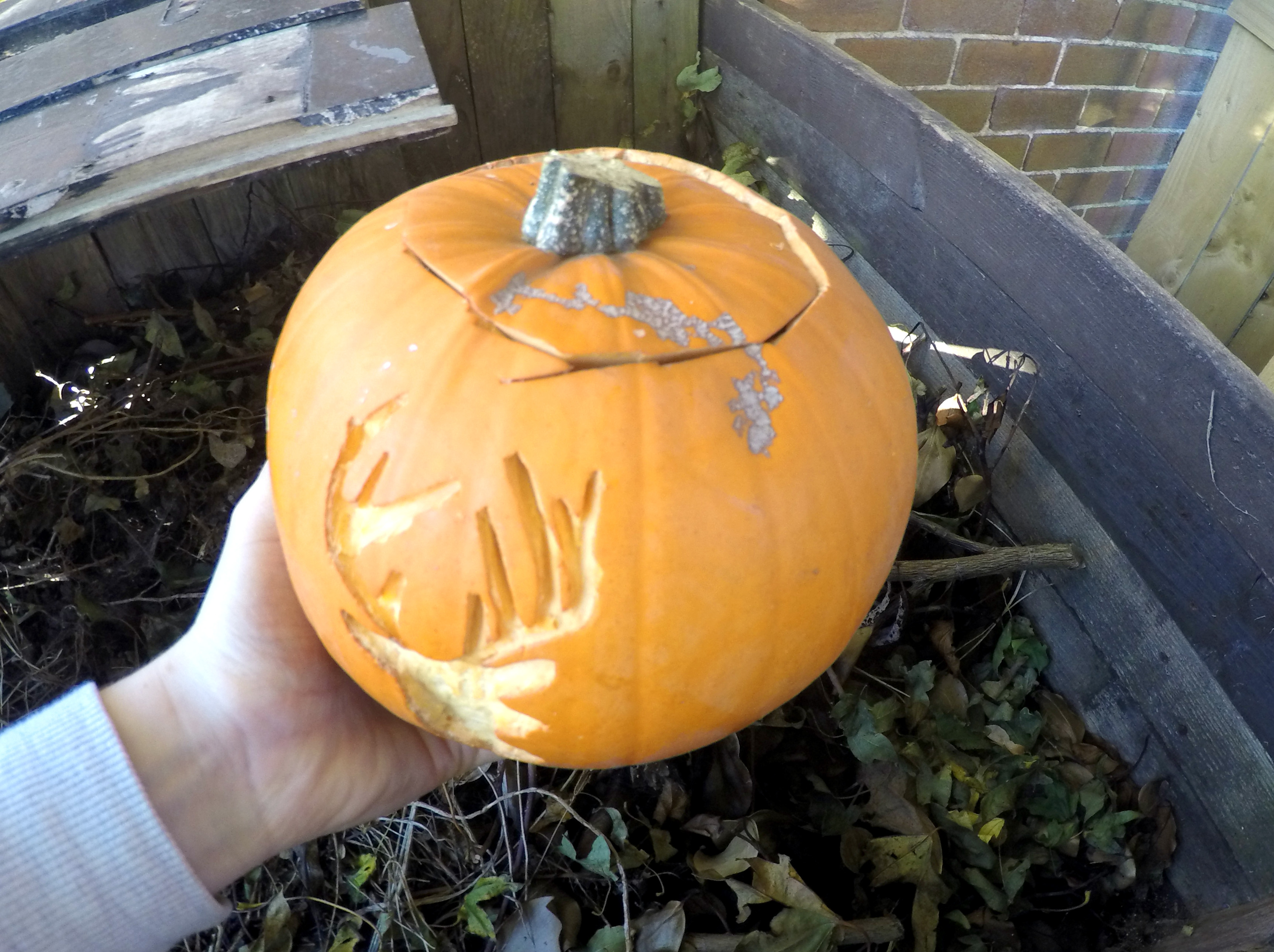
We started our approach to this with nature-inspired templates to carve into our pumpkins. There are some species that are so prominent during Autumn that it makes sense to allow them to inspire our designs for Halloween.
In order to carve our pumpkins, we cut out the templates, stuck them where we wanted the image and then used a pin to poke holes around the design. Removing the template then allowed us to see where we needed to go around with a knife. We carefully carved the design into the pumpkin without fully cutting through so we’d get a lovely orange glow once a candle was put in.
We decided to recycle the whole of the pumpkin, which not only prevented waste but also allowed us and our birds in the garden a treat.
___________________________________________________________________________

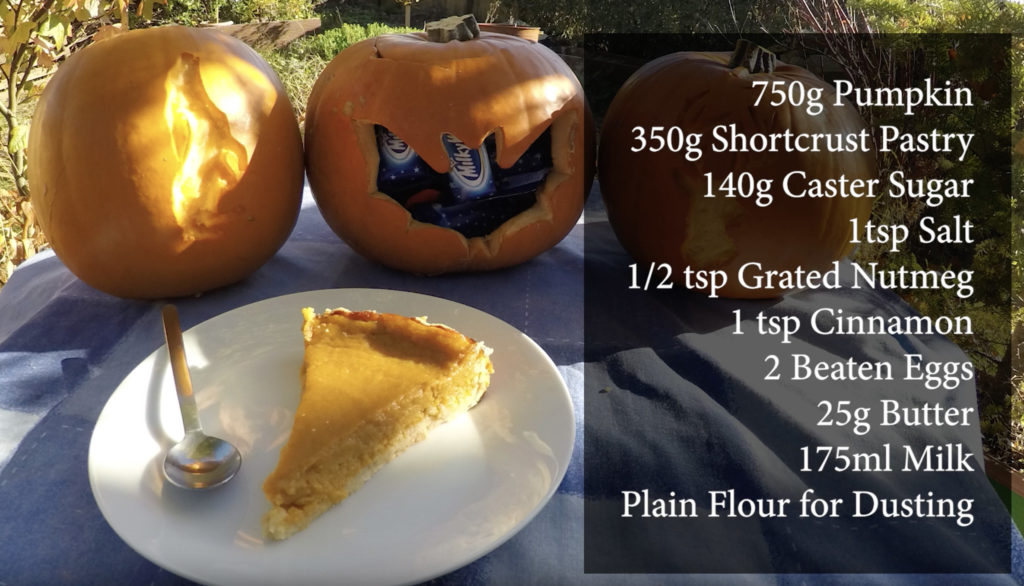
A lot of flesh comes out from each pumpkin when you carve it, so why waste it? There are a multitude of recipes for pumpkins and we chose to make pumpkin pie. In order to do this yourself, you would need:
- Preheat the oven to 180ºc, gas mark 4 or 160ºc for fan ovens
- Roll out the pastry on a floured surface so that it fits into the dish you are cooking it in
- Pinch the edges of the pastry once it’s in the dish so it has an attractive pattern all of the way around
- Place the pastry in the fridge for 15 minutes
- Boil the pumpkin until it’s soft then once it’s cool, blend it until it is smooth
- Put baking paper and baking beans over the pastry then bake for 15 minutes
- Remove the baking paper and beans then bake for a further 10 minutes
- Turn up the oven to 220ºc, gas mark 7 or 200ºc for fan ovens
- Combine the sugar, salt, nutmeg and cinnamon
- Add the eggs, butter, milk then pumpkin to the dry ingredients and stir after each addition
- Pour the mixture into the pastry then cook for 10 minutes
- Reduce the oven temperature to 180ºc, gas mark 4 or 160ºc fan and bake for 35 minutes or longer if required
- Allow to cool then serve
We think food always tastes better outdoors so why not pack up a bit of pumpkin pie and enjoy it during a day out.
___________________________________________________________________________

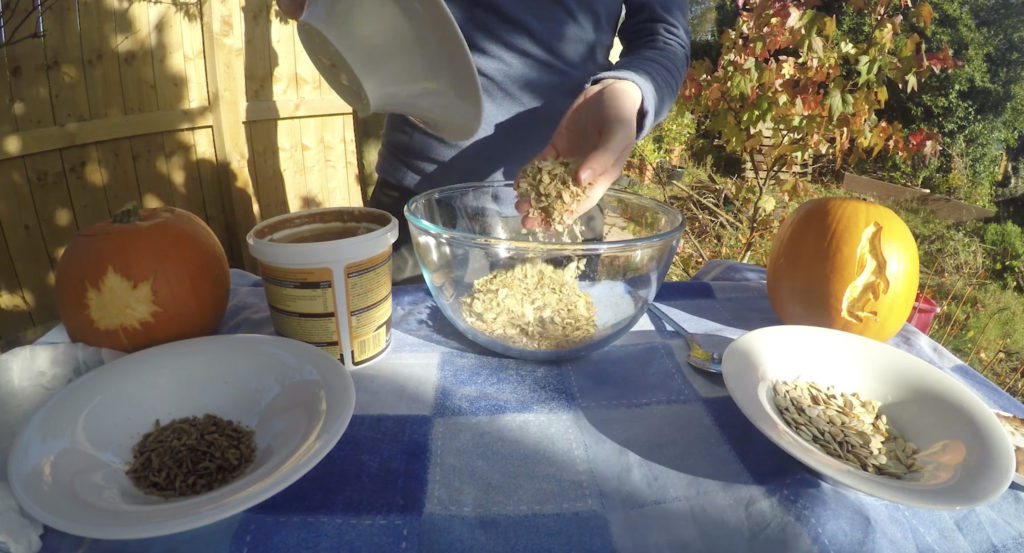
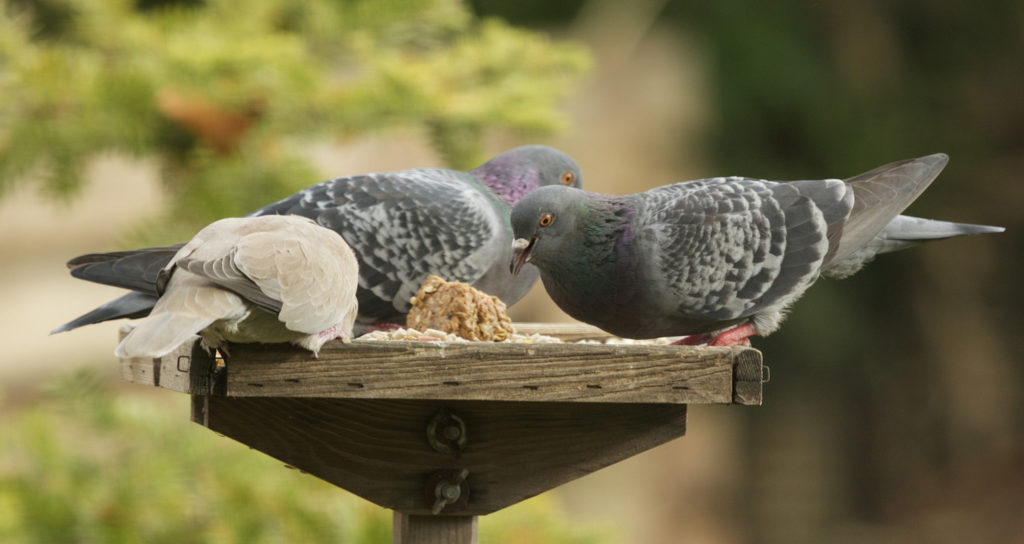
We love watching the birds in the Embrace Nature UK garden and so with Halloween approaching, thought we’d use the seeds from our pumpkins in some home-made bird food.
Larger birds should be able to eat the seeds whole but if you want to invite smaller birds to the party, it’s best to either chop the seeds up or use a blender to do it for you.
We mixed in meal worms, bird seed and our pumpkin seeds with peanut butter to keep the ingredients together. We chose Meridian Smooth Peanut Butter as it contains 100% nuts so we could be sure to avoid feeding salt to the birds. Salt in large quantities can be very harmful so is best avoided where possible.
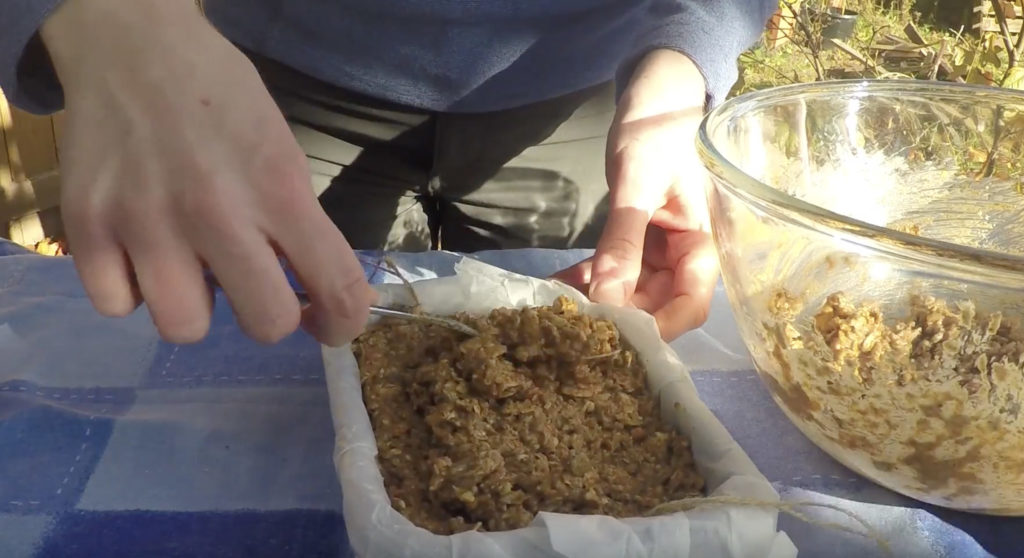
We put the mixture into a container lined with baking paper so it wouldn’t stick. We added some twine with a loop in so we could hang this up afterwards and then left it in the fridge to set.
Whilst this method worked, we chose in the end to chop the food into smaller squares and place it on the bird table as the weather is unpredictable and we didn’t want the peanut butter to melt and become too gooey for the birds to eat as this could also potentially be harmful.
Our home-made treat has gone down very well in the garden and our host of bird-visitors have worked their way through very quickly!
___________________________________________________________________________

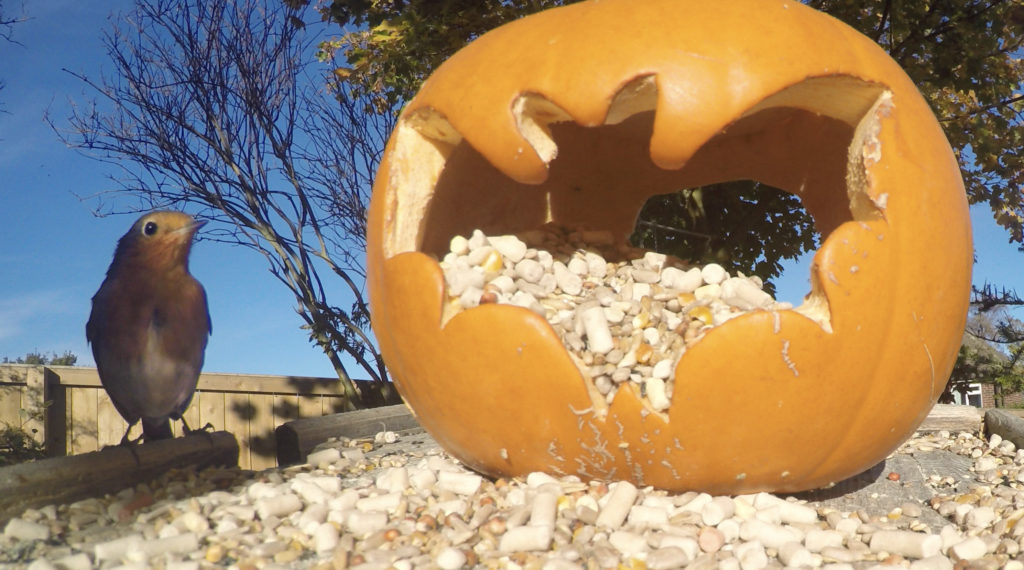
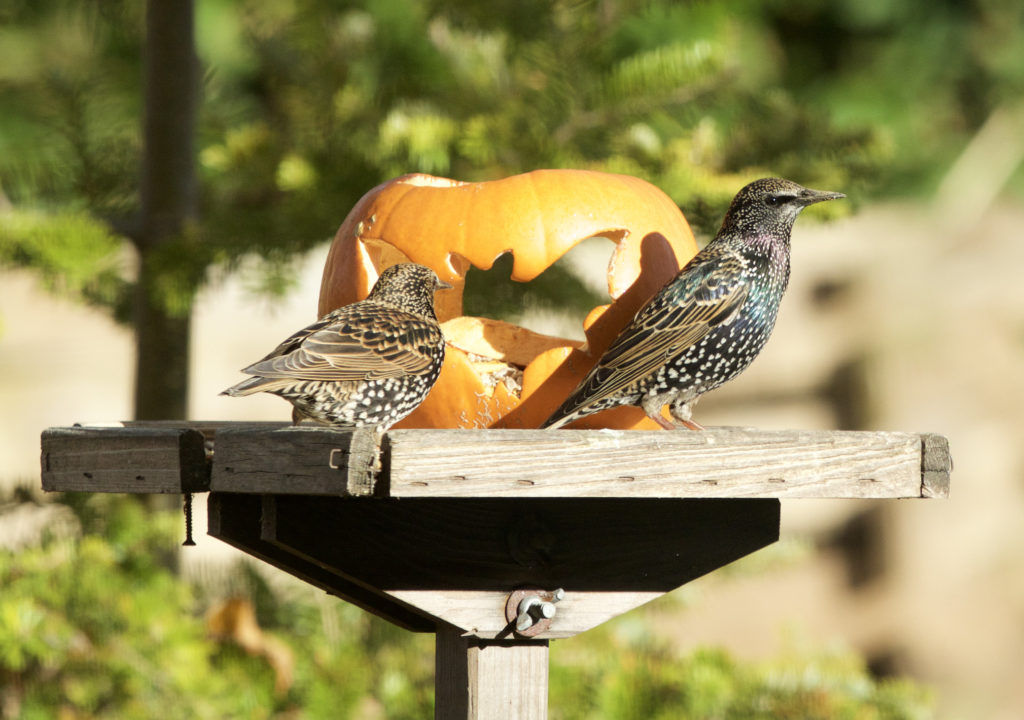
Once the inside of the pumpkin has been used and Halloween is over, it’s a shame to waste the lantern. We found a few ways to ensure that it doesn’t needlessly go to waste. The first thing we did was fill one of the pumpkins with seed and see how the birds took to it. You could hang up the pumpkin if you prefer.
Some of our bravest and most boisterous birds, the Starlings, took to the pumpkin very well and would poke their heads in to get the seed. We saw the Robin appear plenty on the bird table with the pumpkin there though it went more for the seed around it. The other birds became more comfortable with the unusual ‘bird-feeder’ after a day or two and we starting finding some confident Collared Doves enjoying the seed direct from the pumpkin too.
___________________________________________________________________________
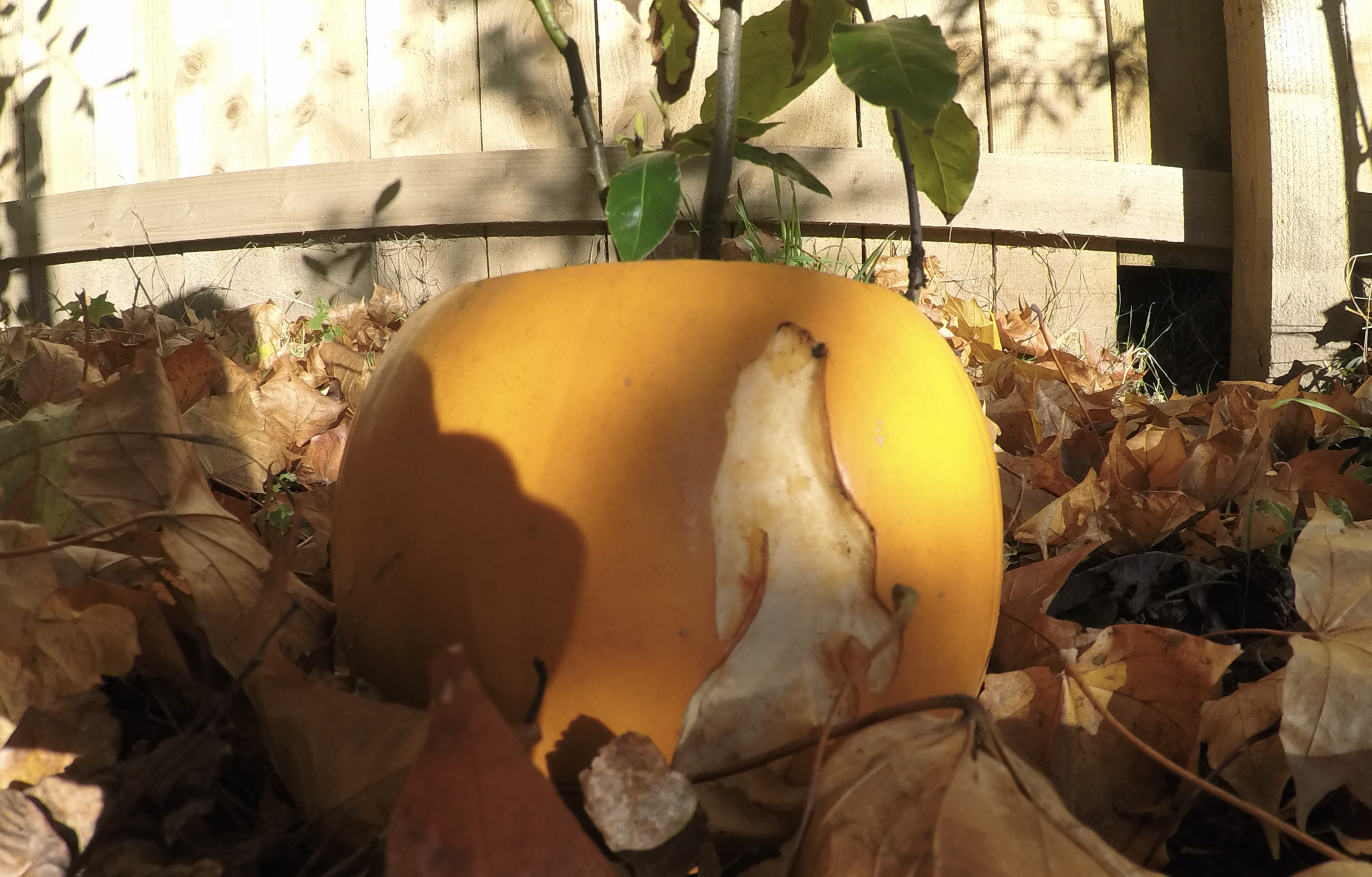
When you’ve put in all of that effort to carving your pumpkins, why not use it for something aesthetically-pleasing once Halloween is over? We found an attractive option was to use the pumpkin as a plant pot.
___________________________________________________________________________

When your pumpkin is looking rather worse-for-wear, don’t just throw it out, compost it to gain the nutrients in soil for other plants!
___________________________________________________________________________

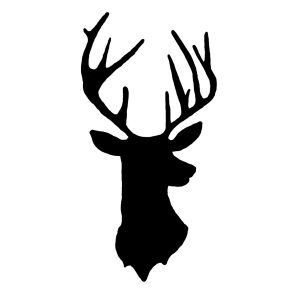
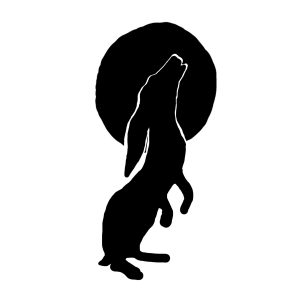
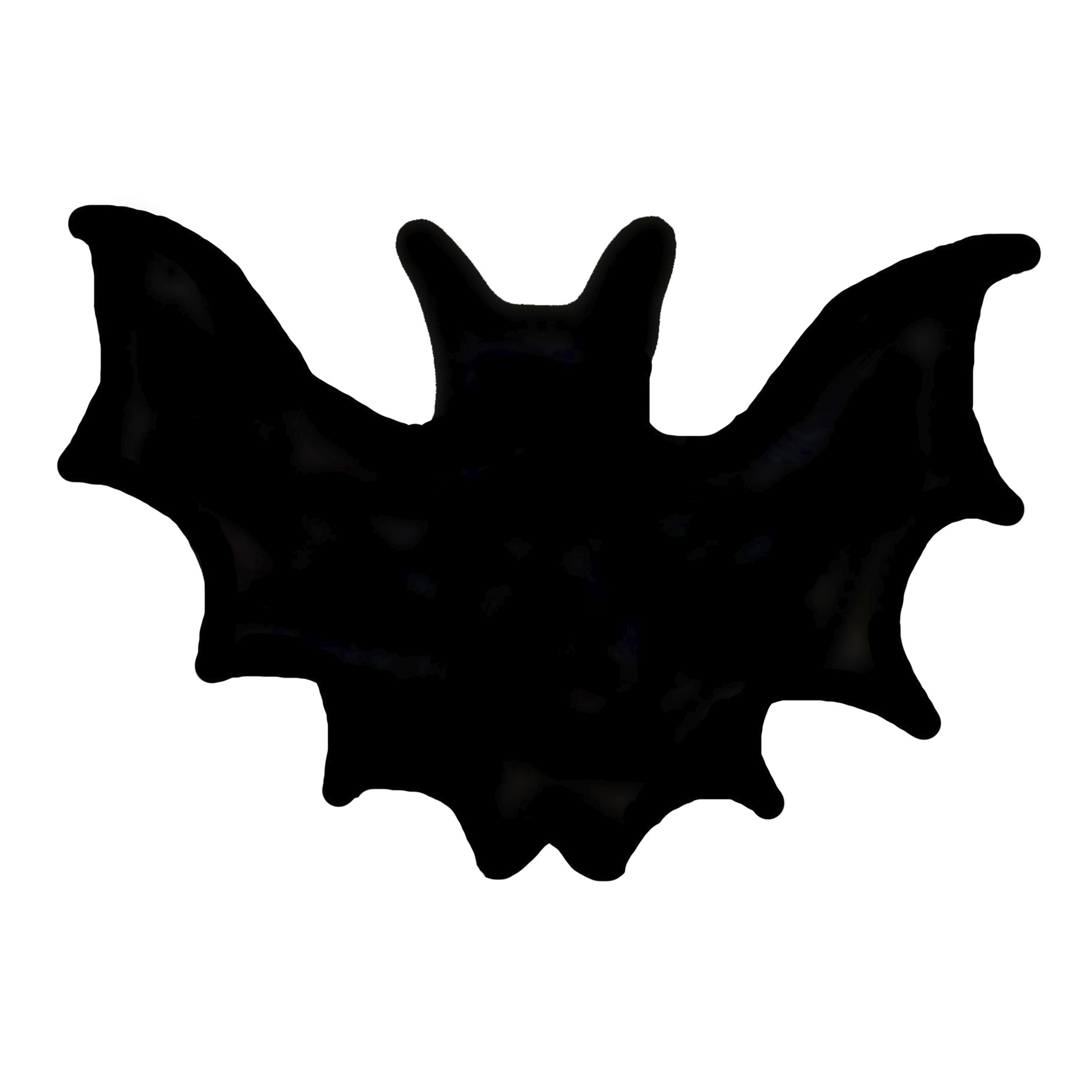
It’s often said that “if you fail to plan, you plan to fail”, which is even true when carving pumpkins. The best way to ensure that your design looks good is to draw out a template first or straight on to the pumpkin.
We want you to be able to carve nature-inspired pumpkins too so have included the templates we’ve used on here for you to print out.

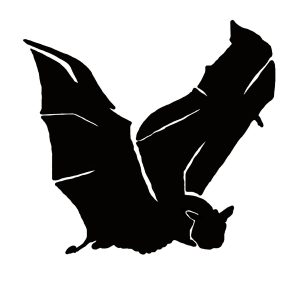
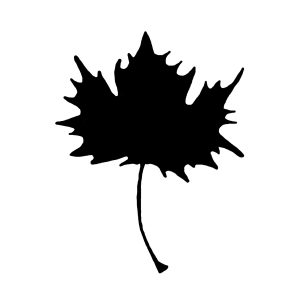
We hope you’ve found these ideas inspiring! Have a very happy Halloween!
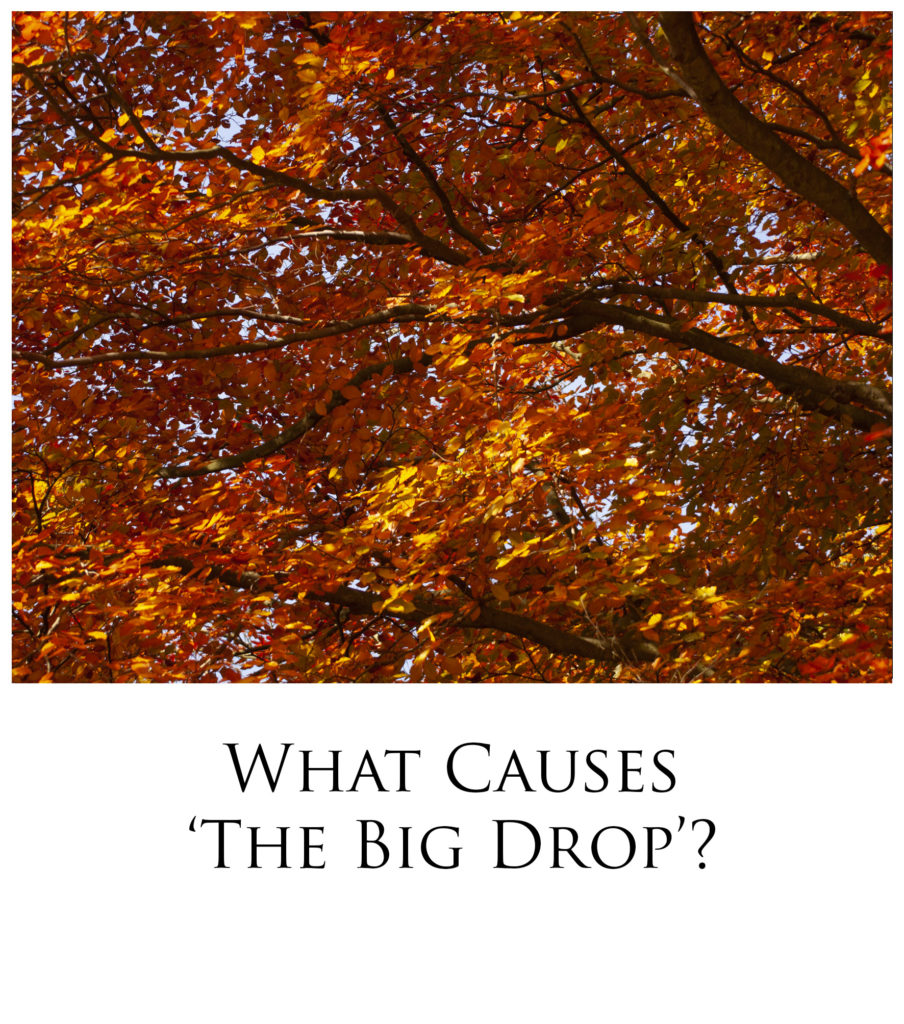
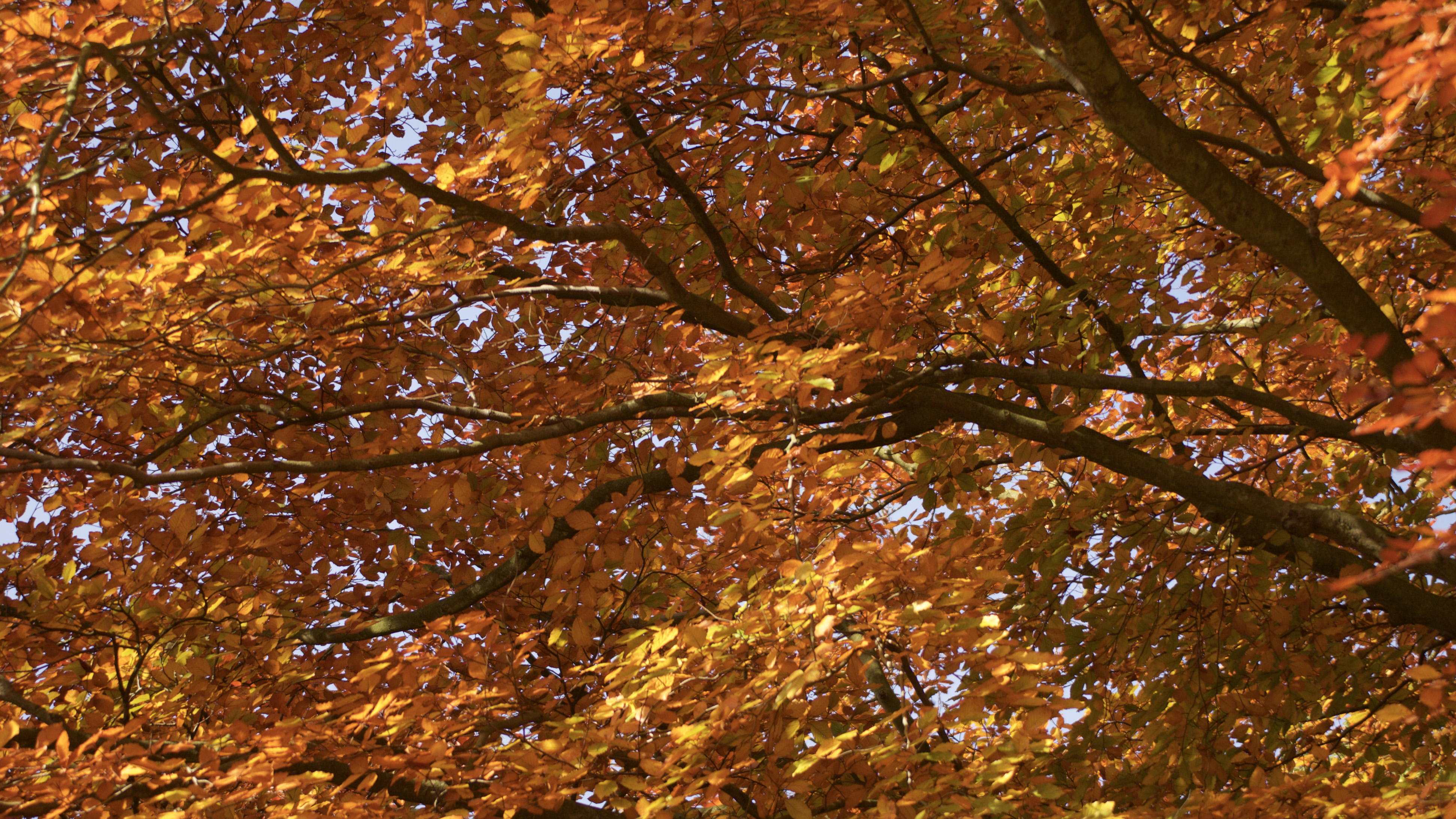
Every Autumn, the blow of the on-coming colder weather is softened by a spectacular natural event that happens in many countries across the world. A lot of leaves begin to change colour from green to bright oranges, yellows and reds. The sight is attention-grabbing but how many of us understand the science behind ‘the big drop’?
How Leaves Work
Trees and leaves are complex organisms and the process that keeps trees alive is quite astonishing. Leaves play a vital part in this. They are responsible for using sunlight, Carbon Dioxide (CO2) and water to create ‘tree food’. This process is called Photosynthesis. The leaf uses Chlorophyll, which is a green pigment contained in chloroplasts, to carry out Photosynthesis.

Sunlight is an aid to transforming water and Carbon Dioxide into Glucose (which the tree uses) and Oxygen; which is a by-product of the this process. This is why we are so heavily reliant on trees and plant-life as they enable us to breathe. Naturally, this is one of the reasons why deforestation is such a big issue.
Once the leaf has created sugar, it carries it back to the tree via its ‘Vascular Bundle’ – the tubes seen in the diagram below. This collection of veins also carry water to the leaf.
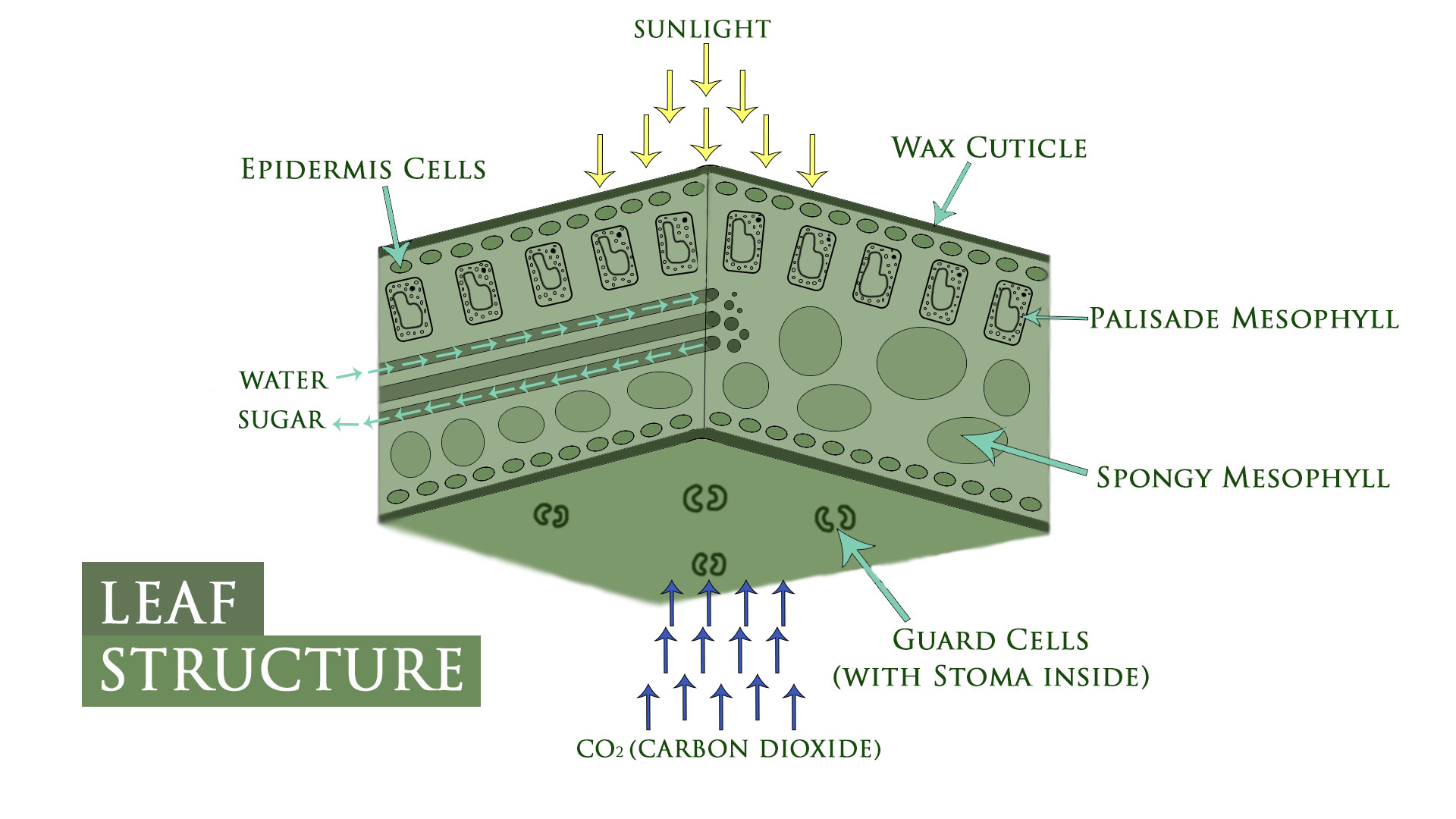
The Vascular Bundle carries the sugar all the way down the stalk so the tree can continue to thrive. Whilst this is ideal during warmer months when there is plenty of sunlight, Winter is a different story. Most of the trees that lose their leaves are called Broadleaf trees. There are some exceptions but generally speaking, these leaves are more vulnerable in harsher weather and so it is safer for the tree to cut them off and store the nutrients in an almost ‘sleep-mode’ until the days are longer again.
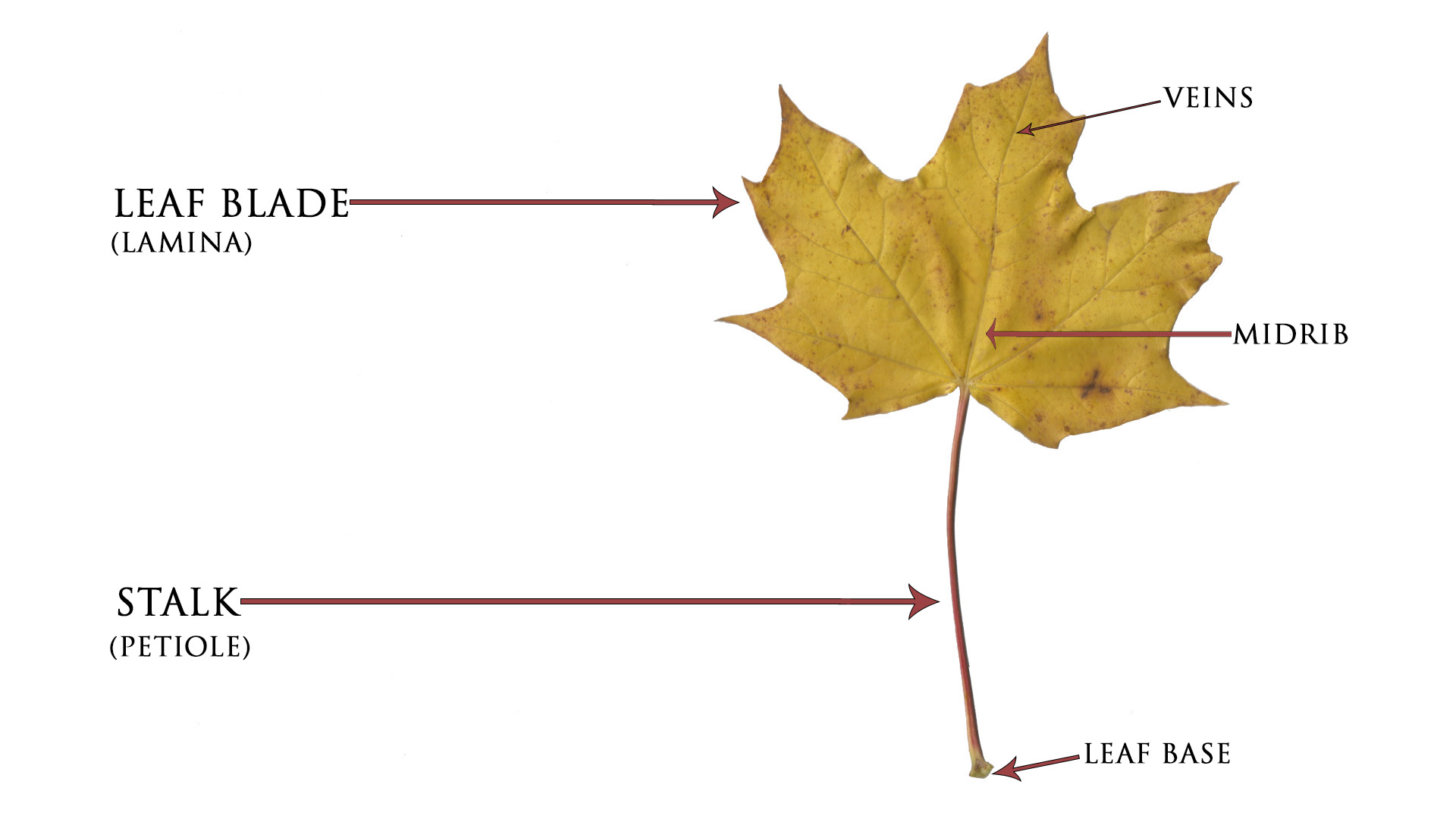
Evergreen and Deciduous Trees
Not all trees need to shed their leaves during the big drop. Again, there are exceptions but most trees that keep their leaves year round (named ‘Evergreen trees’) have needles as their leaves. They tend to have a waxy exterior that protects them from the more unforgiving weather and the shape is thought to aid their survival.

The trees that do take part in the big drop are referred to as Deciduous. They have the ability to sense when the days are getting shorter by using Phytochrome and Cryptochrome to detect light. This allows them to gradually slow down making Chlorophyll, which decreases the amount of green colour in the leaves; allowing the oranges, yellows and reds to show. Eventually the tree uses a layer of cells referred to as the ‘Abscission Layer’ to ‘cut off’ the veins, which stops the carrying of water and nutrients back and forth between the tree and the leaf. In time the leaf decomposes and drops away to the ground.

Humans and Trees
It can be easy to take trees for granted but they have existed on Earth for approximately 370 million years whereas humans have been here in our modern form for about 200,000 years or 300,000 years as new findings suggest. Yet humans are creating larger issues on this planet than any other species seems capable of. We have merely scratched the surface in terms of science and have to wonder, what else is there to discover that we do not yet know? We are already aware that our actions can directly threaten our own survival and without the knowledge of the full story, we cannot know all of the consequences of our actions. It seems to be safe to say that we must try to reduce our negative impact on trees as much as we can and that can be done in our every day lives.
Watch Our Embrace Nature UK Episode About the Big Drop:

The Farne Islands are the perfect location for any birder or wildlife-enthusiast. You can have close encounters left, right and centre and come away with photographs to be proud of. We paid a visit to Inner Farne last year and enjoyed getting close to Shags, Puffins, Kittiwakes and many other wonderful sea birds. Whilst we love nature, we have to accept that some sides of it aren’t so glorious. It’s a fact that we’re all aware of but it can sometimes be a little difficult to accept and we find ourselves rooting for one species or another.
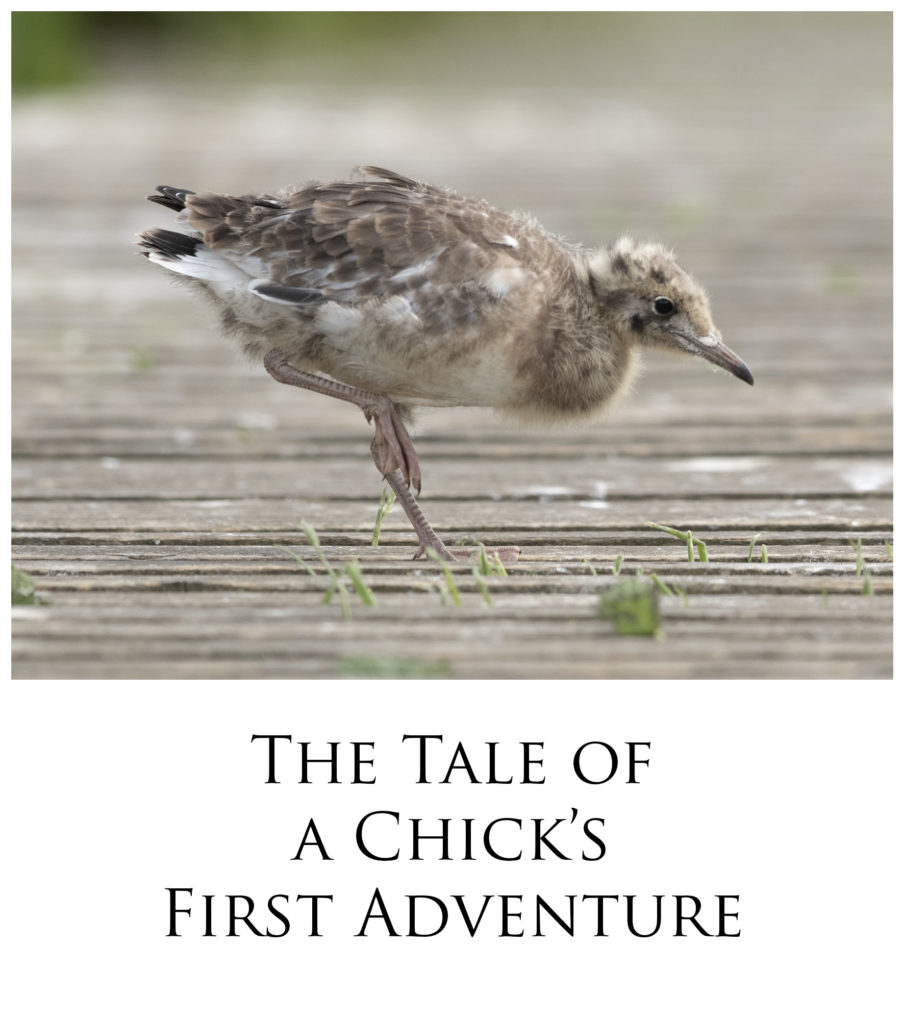
Whilst photographing Puffins flying in with their catch, I witnessed a young Gull chick venturing from the undergrowth onto the boardwalk. I watched as it headed over to the other side; seemingly curious as to what the world had to offer.
It certainly produced a tale worth repeating.
Within moments a Black-Headed Gull had launched onto the young bird’s back and began an attack. Bewildered, the young bird tried to escape.
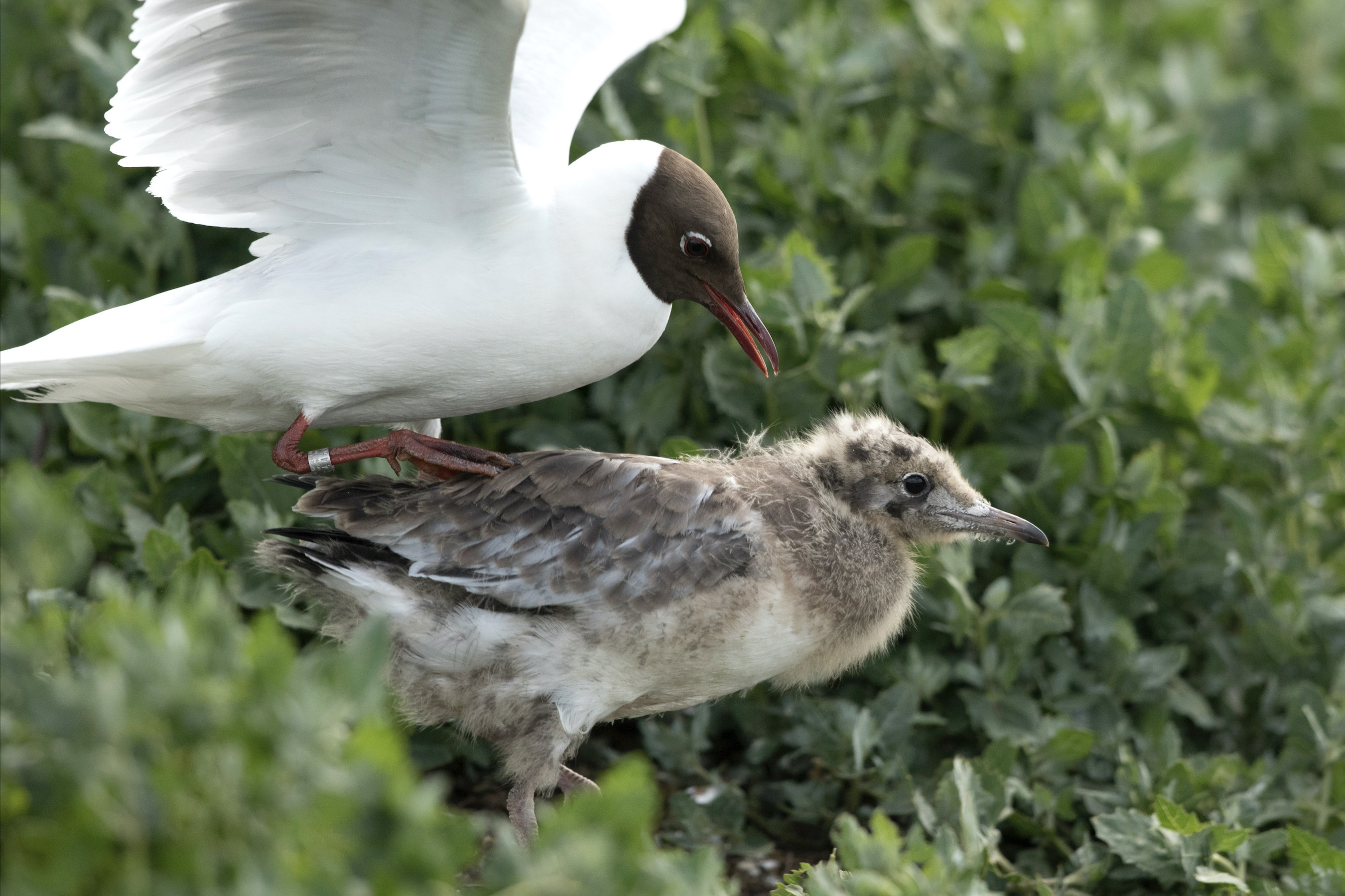
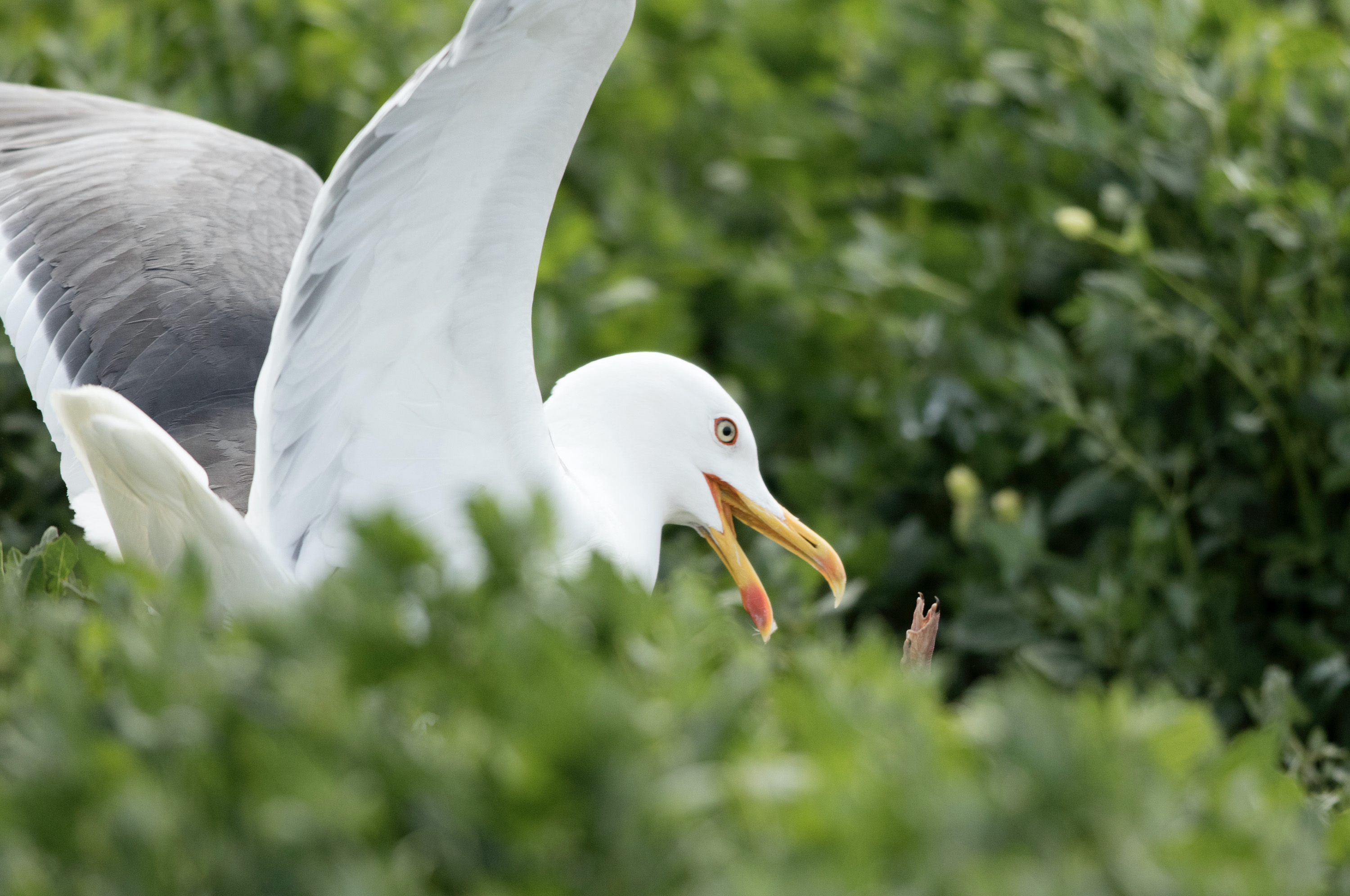
It wasn’t long before people began to notice and took to shouting at the adult bird to let go. As the young bird managed to escape, it started to take on a gauntlet of one Gull after another. A Herring Gull launched the next attack with more vigour. It pinned the bird to the ground, whilst pecking at feathers.
It held the young bird by the head, seemingly in control of the situation. However, this chick was not to be under-estimated!
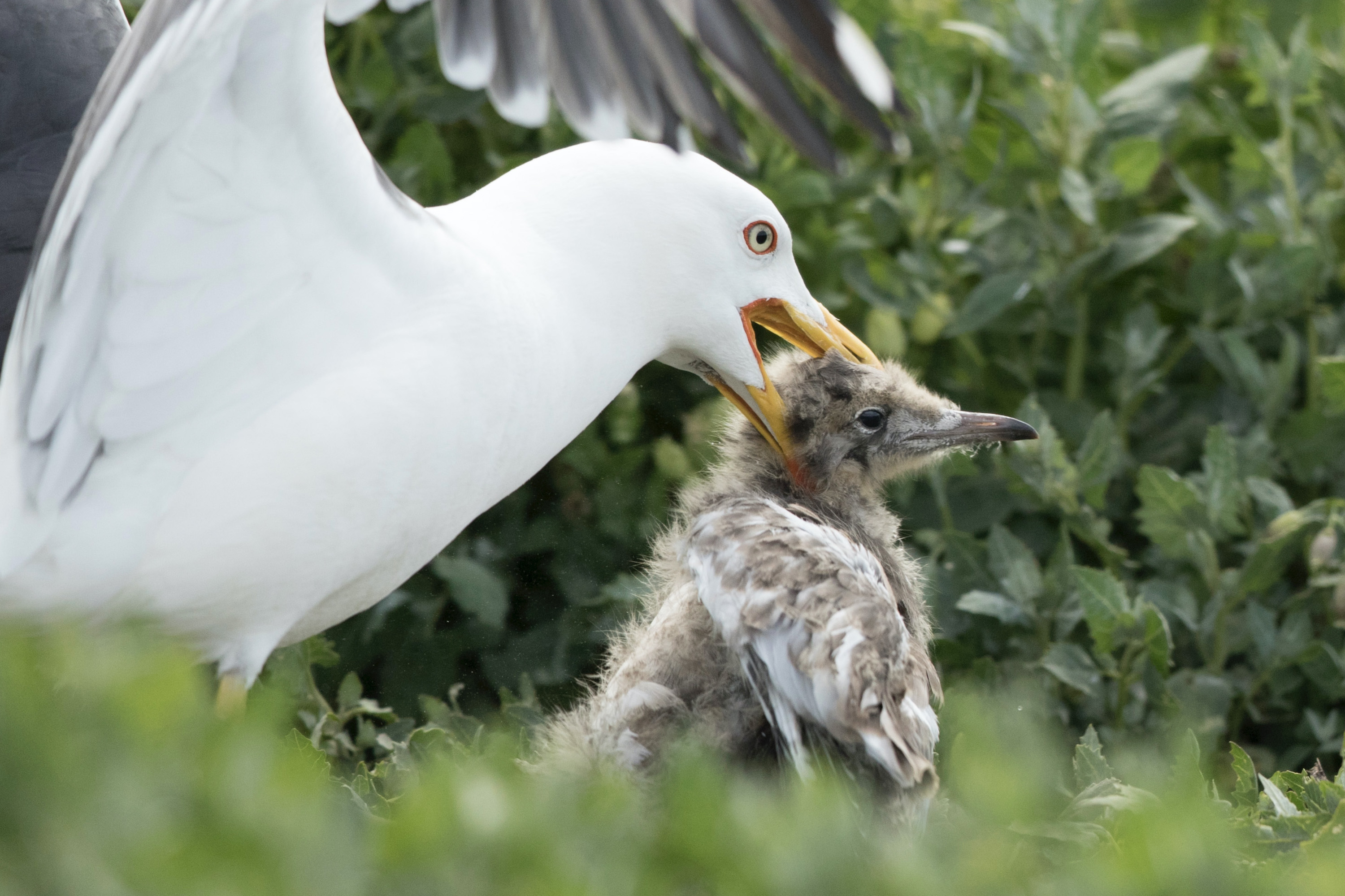
Whilst the Herring Gull thought it had a hold of the bird, it wriggled and scrambled to find its way to freedom. Using the foliage as cover, it ran into one more trap before getting away to live for another day.
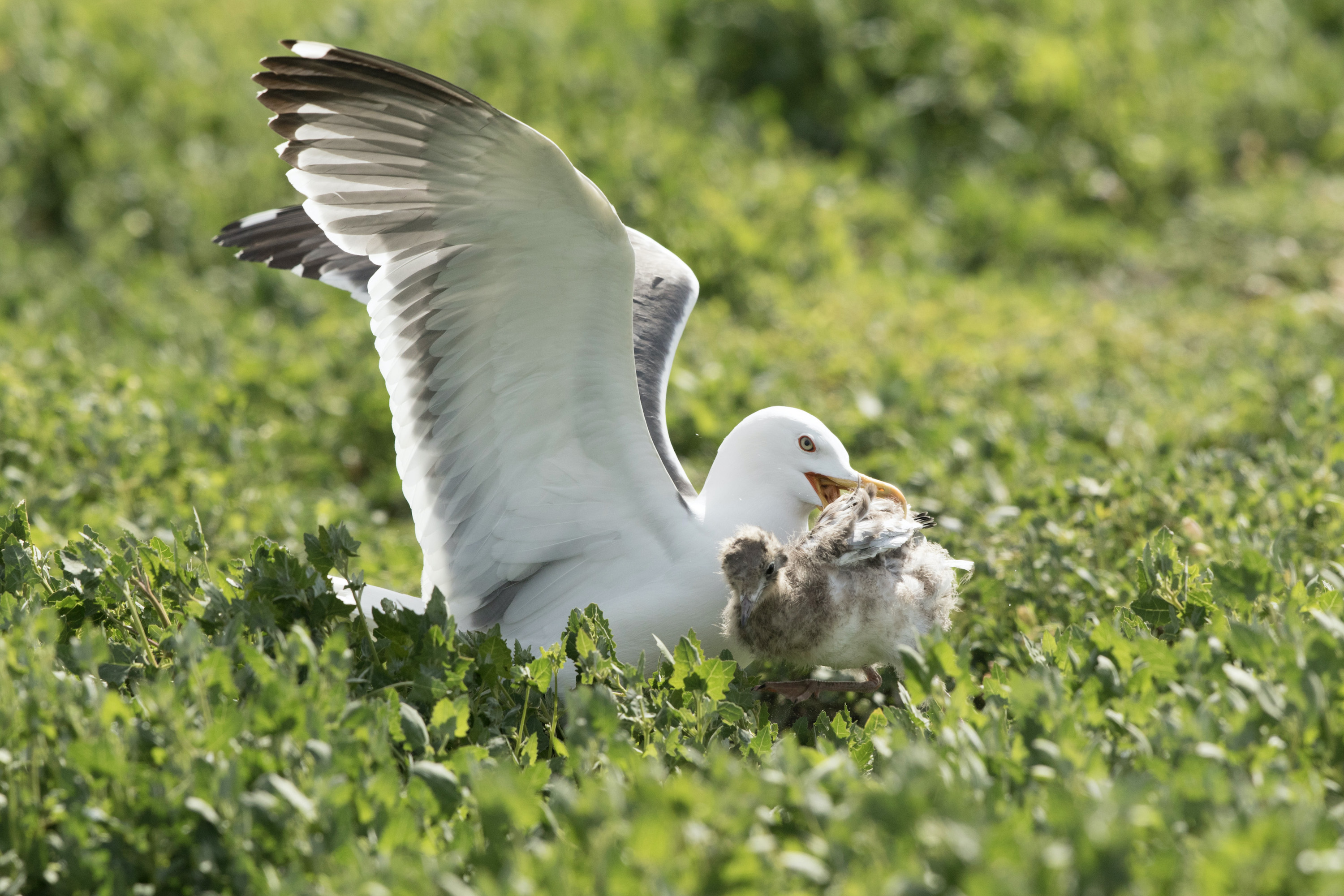
Looking rather more disgruntled than it did at the beginning of its first venture out, this young Gull made it through the first test of life.
This behaviour is not unusual and often it ends badly for young birds. It is thought that as adult Gulls are so territorial, this is reason enough for them to attack wandering and curious young birds. Another reason for this attack could simply be down to the adults quest for food. We have witnessed Herring Gulls eating a dead chick previously and this situation is well-recorded.
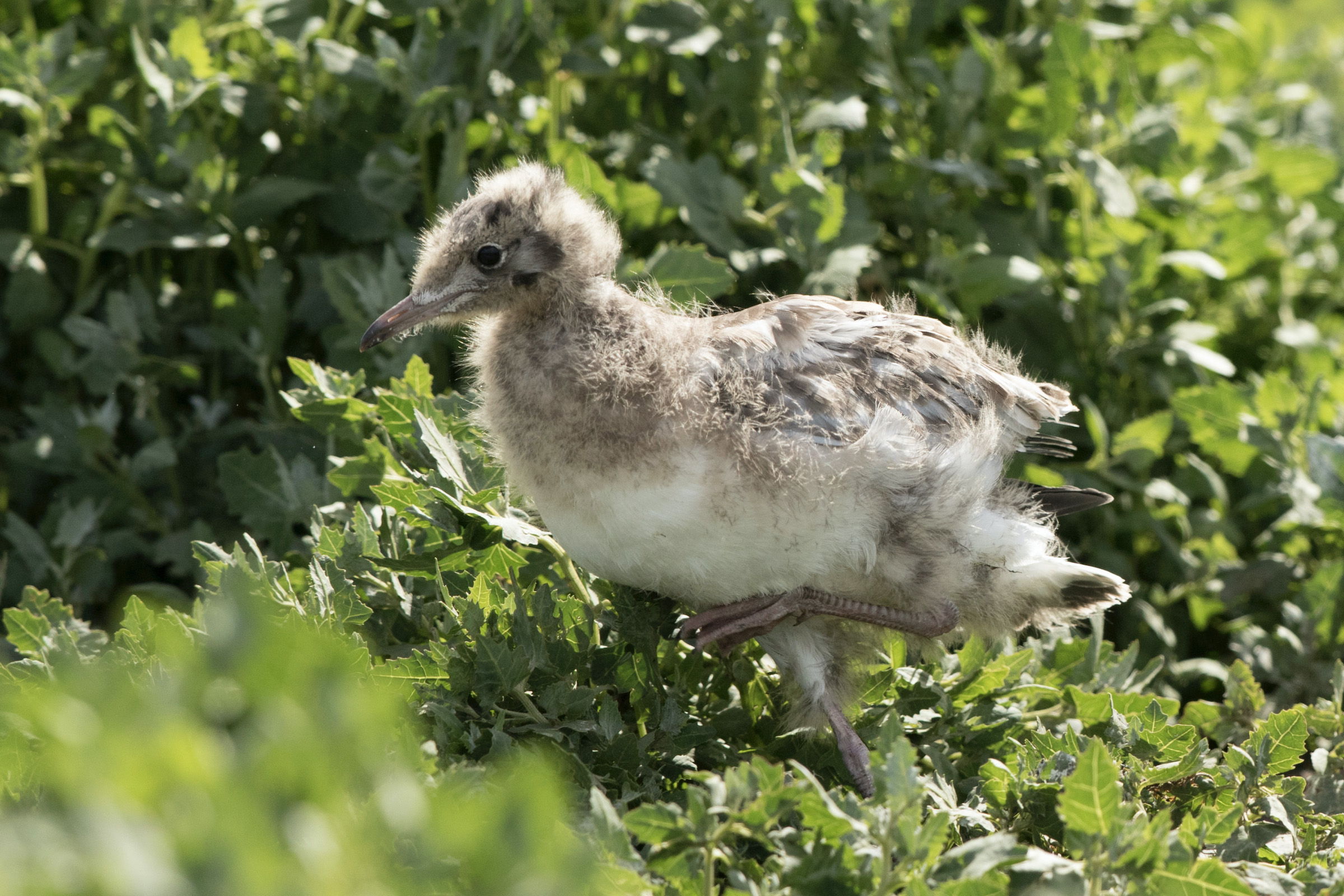
Whilst nature may be brutal, it certainly puts birds to the test from an early age; ensuring that only the very strongest survive. Perhaps this young chick has the genes it needs to be a survivor. We hope so.