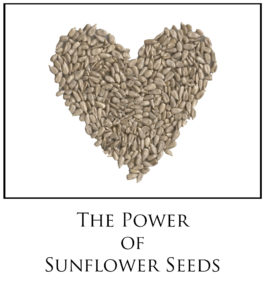
When it comes to feeding garden birds, there are so many options available that it can be a little overwhelming. Therefore we’ll be homing in on a few of our choices that attract birds to the garden and help them out throughout the year. This week we’ve chosen to look at sunflower seeds.

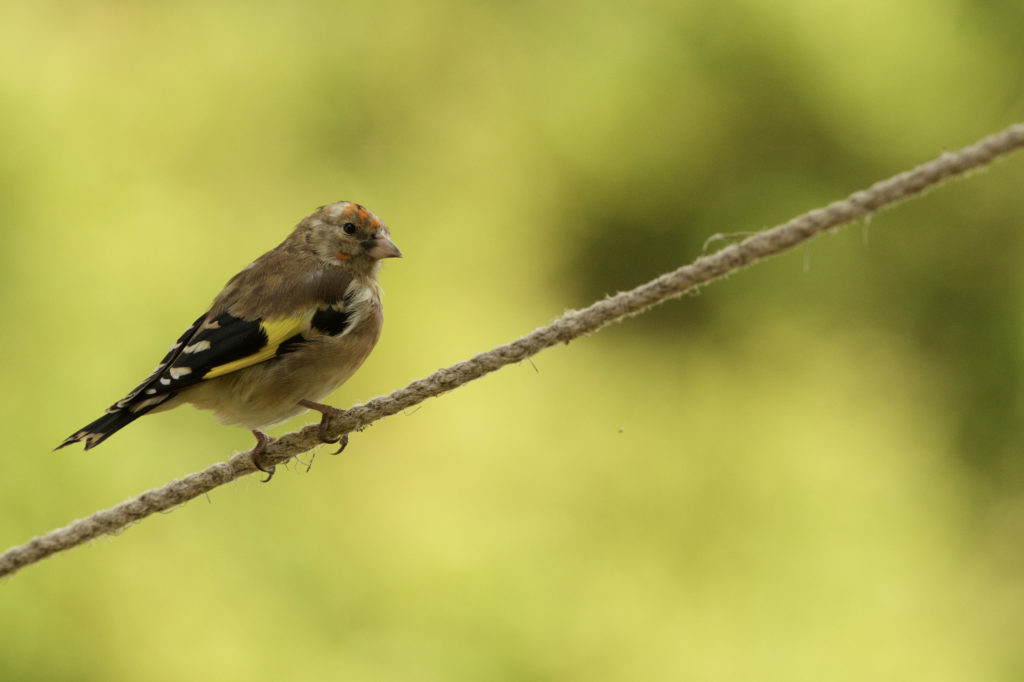
It used to be widely advertised that niger seed appeared to be a Goldfinch’s favourite food but apparently this has recently changed and we’ve seen this first-hand in the Embrace Nature UK garden. When we initially wanted to attract Goldfinches, we purchased a small niger seed feeder and rarely saw any birds on it. Once we introduced sunflower hearts though, everything changed. We now enjoy seeing many Goldfinches every day and even when the Sunflower heart feeder is already full of birds, they still choose to try and squeeze in before considering the other food options that are within close proximity.

There are lots of benefits to eating sunflower seeds.
* Oil content – the seeds are high in oil, which keeps beaks, feathers and their skin healthy
* Fast food – sunflower hearts in particular are quick to eat but whether you display black or striped sunflower seeds or the hearts, the birds can get maximum energy in only small quantities of food. When we see tits on the feeders they rarely stick around long so getting that extra boost when they’re back and forth must be a good thing!
* Nutrition – The seeds contain magnesium, iron, calcium, Vitamins A, C and B-6 amongst other things. They provide the right nutrients for birds to maintain a healthy nervous system, feathers, skin and strong beaks.
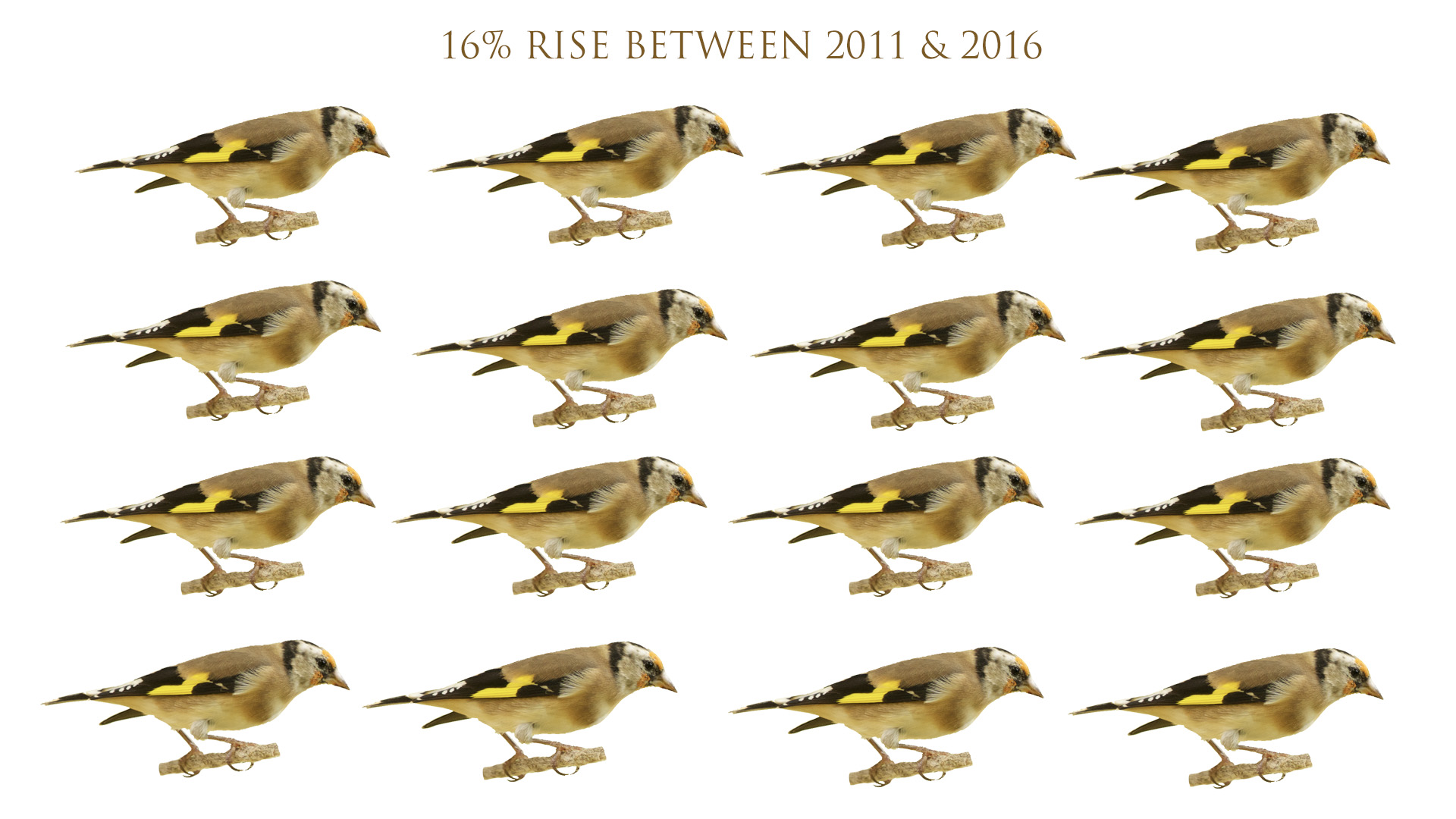
Sunflower seeds have potentially contributed to the recovery of a few species of birds including Goldfinches and Great Tits. At one time their numbers were declining but it’s thought that since sunflower seeds and niger seed has started appearing in our gardens, birds have been given a helping hand that aids them in surviving the harsher months.
The impact on species numbers has been impressive with the Goldfinch population increasing by 16% between 2011 and 2016. Our enjoyment of feeding garden birds has had a further impact as scientists believe that in the UK, we have been responsible for ‘rapid evolution’. Some bird species in Britain have been found to have beaks of up to 0.3mm longer than the same species in the rest of Europe.
So if you’re thinking of introducing sunflower seeds to your garden, what do you need?
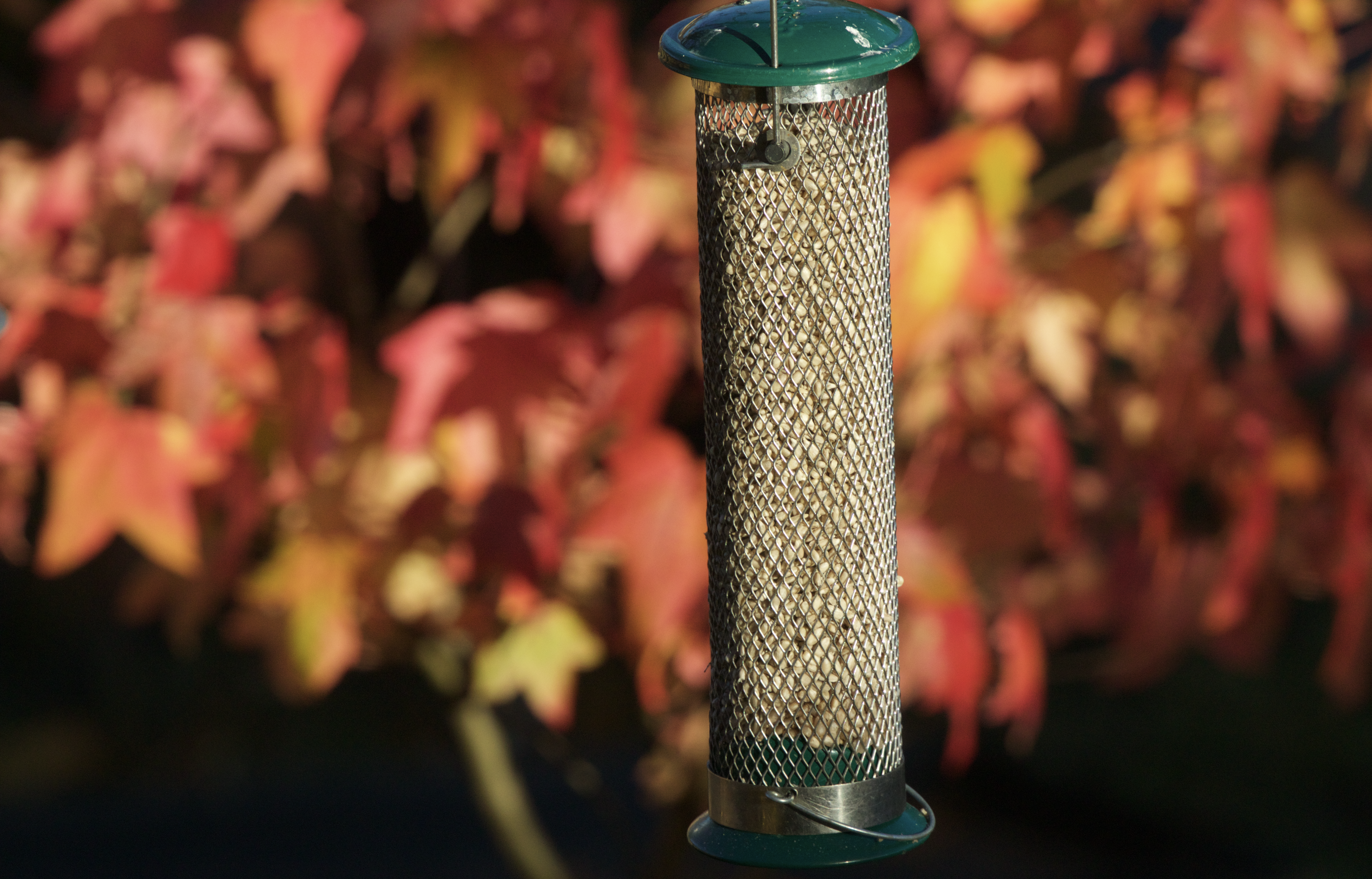
You can purchase black sunflower seeds, striped sunflower seeds or sunflower hearts. The sunflower hearts produce the least mess and are the easiest and fastest for birds to consume, though may not last for as long as in warmer weather can rot quickly. Whichever food you choose, you will most likely find that a diamond-hole cage feeder is most appropriate for these seeds as they may slip out of the holes in something bigger. This sort of feeder will also ensure that the food is completely appropriate year round as the birds can only take small amounts out at a time. Therefore small chicks won’t be likely to choke on the food if the parents choose to provide it.
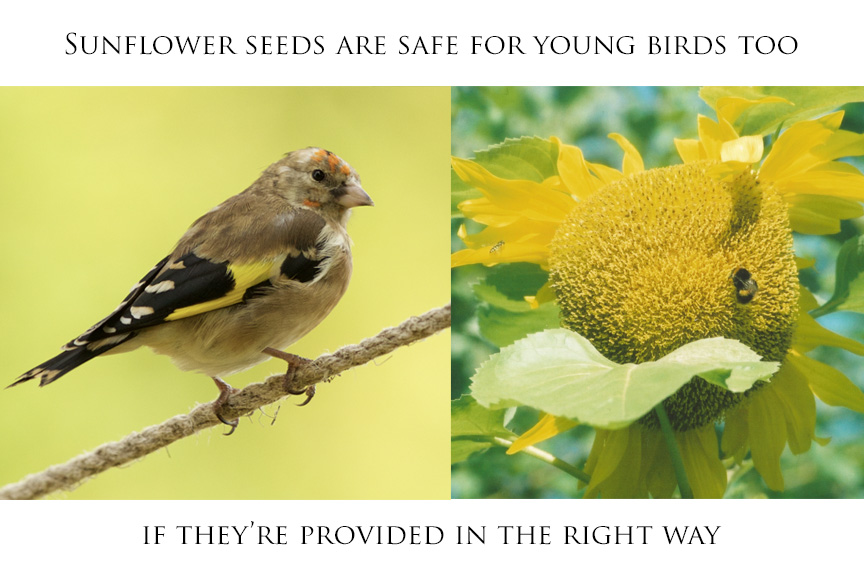
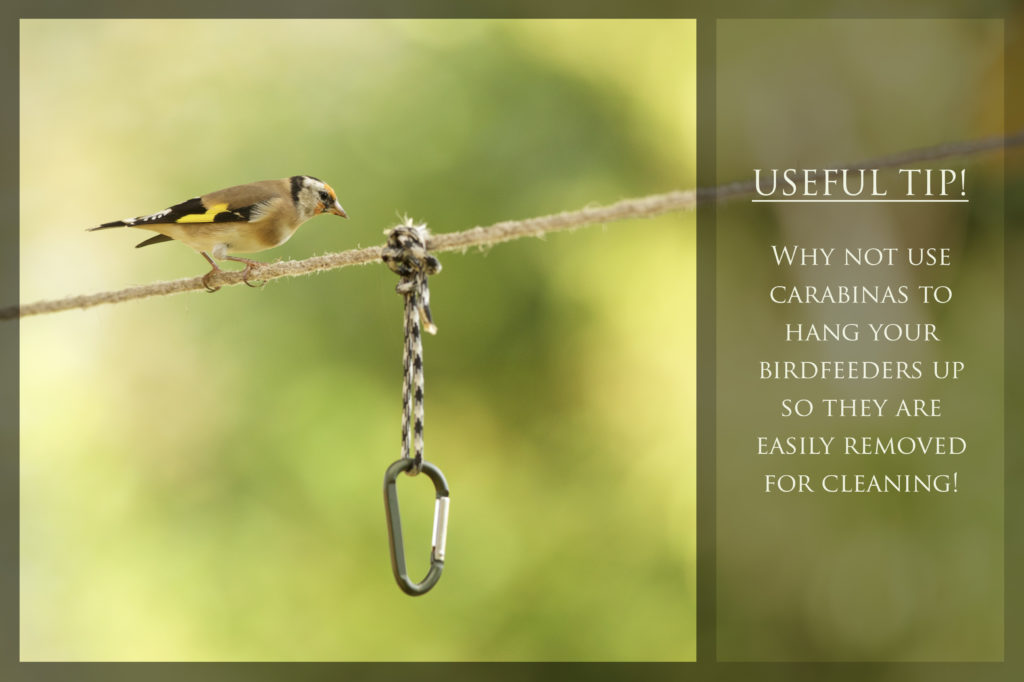
It’s important to keep bird feeders clean by washing them regularly. This can be made easier by using cleaning brushes. If you choose to feed birds they can become reliant so ensure that you keep feeding them and gradually reduce the amount of food before holidays so the birds don’t miss you too much!
Otherwise, get your binoculars ready and sit tight to enjoy the sight of birds getting their fill of those tasty sunflower seeds!
Interesting Reading
We now live in a time where we are conscious of the impact of our methods of disposing of waste and we have the opportunity to act.
Discussions about what happens to our recycling once it’s collected by councils around the country has been prominent in the news lately so it’s a good thing if we can take control over what happens to some of our waste.
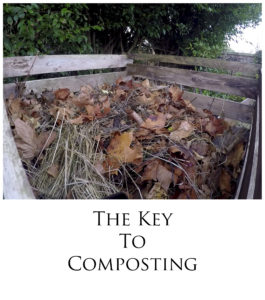
This is where composting is ideal.
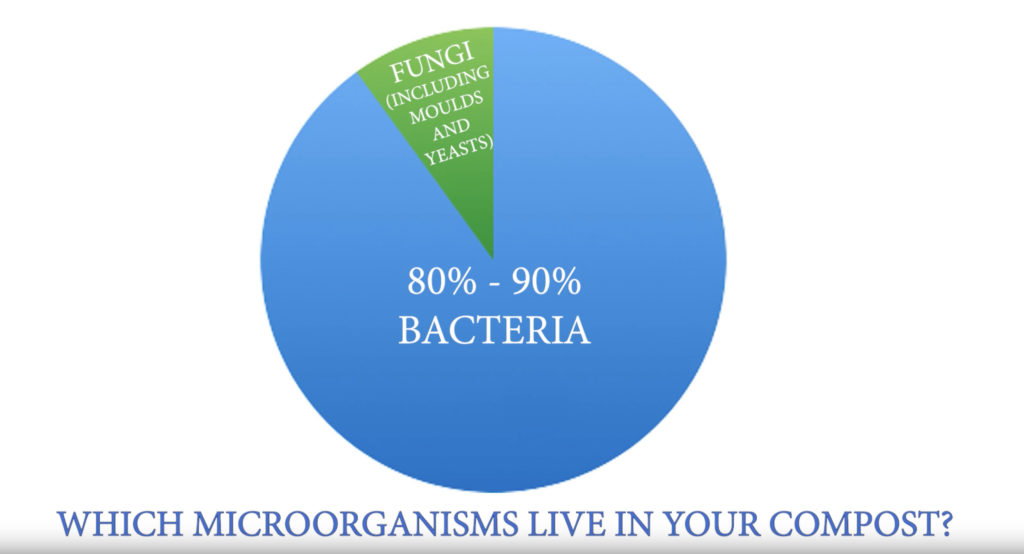
Composting is basically a way of speeding up the decaying process so we can transform our waste products into usable soil. We certainly do not do this alone. Particular microorganisms are essential to this process and take turns to break down items placed into our compost bins. This will only work effectively if we encourage them though.
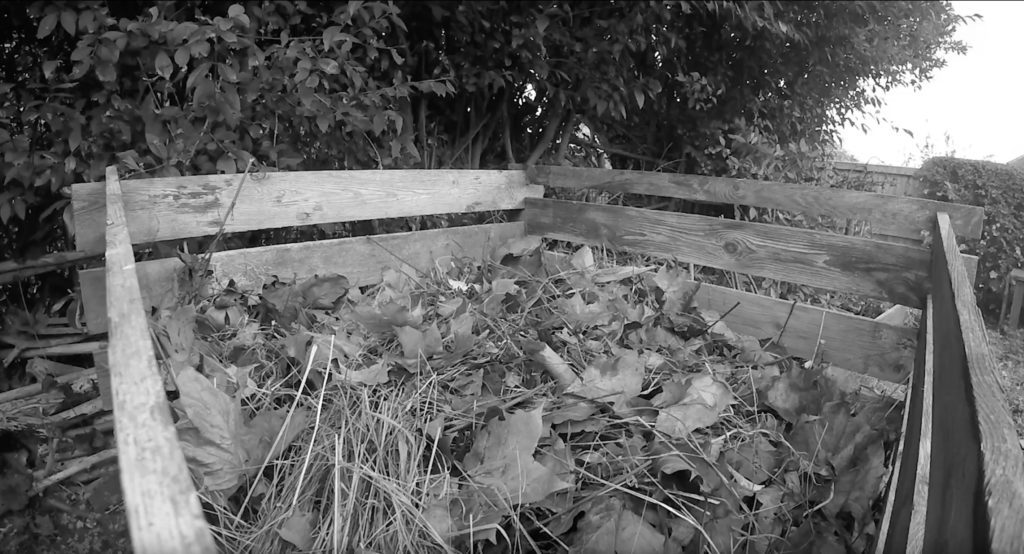
Here are some top tips for creating a compost heap that produces good results.
CREATE A BALANCE
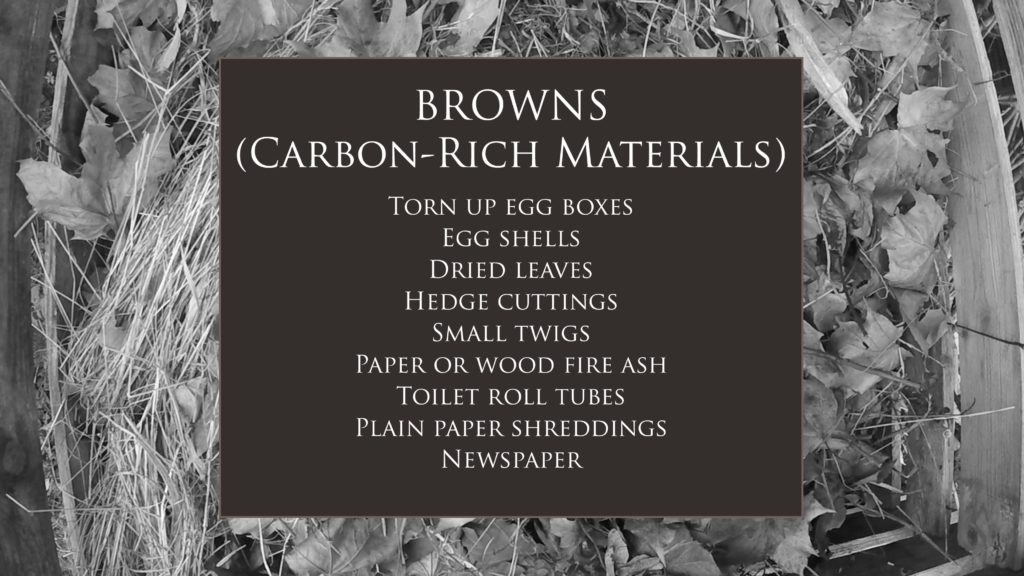
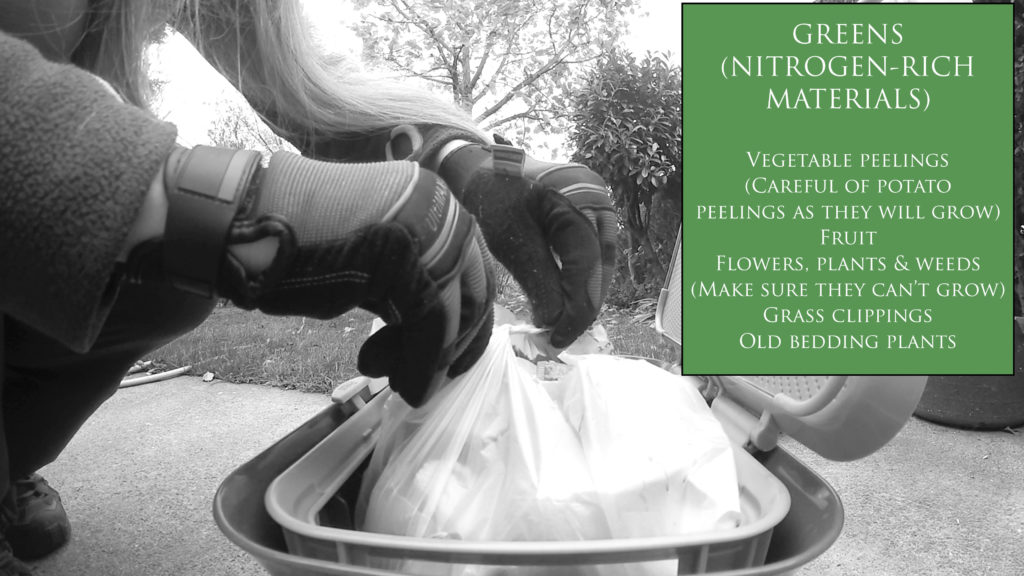
There are two types of waste products that we put into our compost bins. You will likely hear them referred to as ‘Green’ and ‘Brown’ materials. ‘Green’ refers to nitrogen-rich items and ‘brown’ refers to carbon-rich waste products. Both carbon and nitrogen are essential for the right microorganisms to thrive. Carbon provides them with energy and nitrogen gives them what they need to grow and reproduce.
So the power to help these microorganisms break down your compost is in your hands.
Which materials then class as ‘Green’ or ‘Brown’?
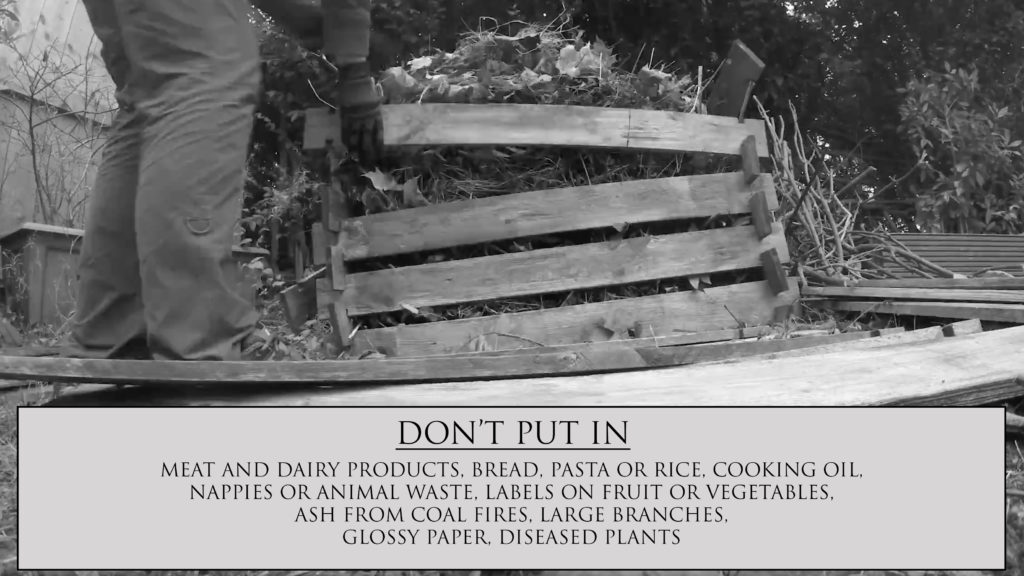
TURN YOUR COMPOST
Turning your compost can help it to decay for a variety of reasons. Firstly, certain microorganisms need oxygen to survive so it’s important to give your compost chance to breathe so those microorganisms can push forward with the composting process. Turning your compost also makes new material available to Thermophilic microorganisms so they can start work on breaking it down.
FEED YOUR MICROORGANISMS
The microorganisms in your compost bin are going to be working hard for you, so in return it’s only fair that you provide them with the conditions that they need. You can make sure they get the correct nutrients by putting both green and brown materials in. You can help oxygen to reach the heap by having a compost bin that allows air in and by turning the compost regularly. You want your compost to be moist but not soaking wet. If there is too much water getting in, cover the compost to ensure it doesn’t end up too wet. Your compost also needs to be warm to invite productivity from friendly microorganisms. The decaying process can raise the heat a bit too much though, which is another good reason for turning your compost as this will keep the temperature at a good level. You might go as far as keeping an eye on the temperature, which you can do by purchasing a compost thermometer.
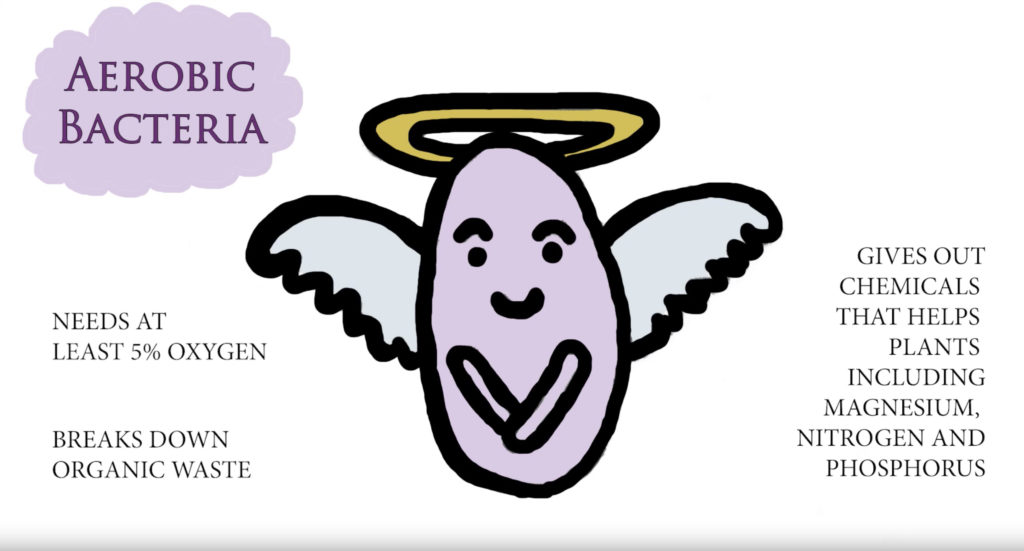
BE AWARE OF YOUR COMPOST’S CONDITION
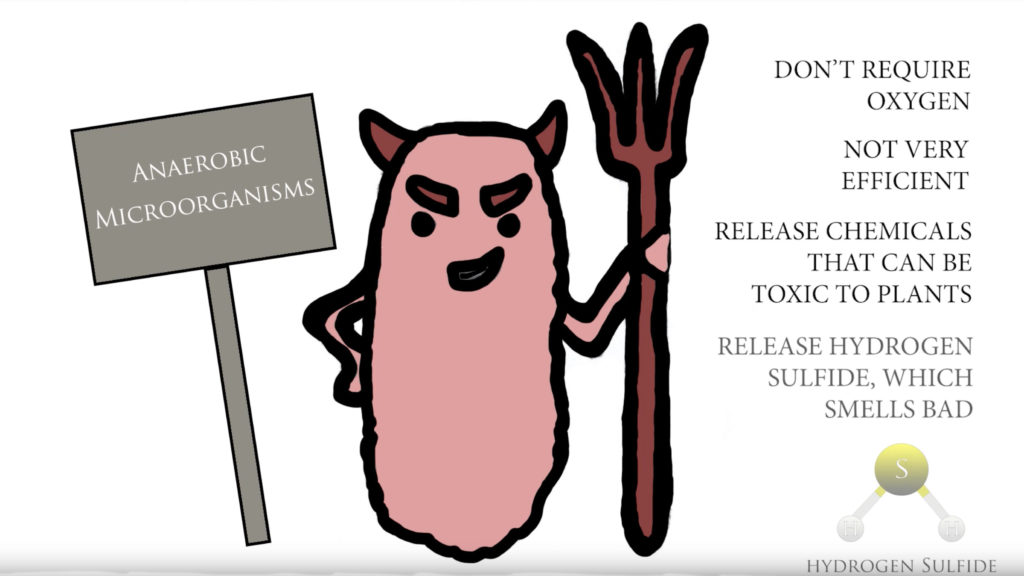
There is one really simple way to tell if your compost isn’t working as efficiently as it should. If it smells bad it’s a sign that you might not be creating the correct balance between compostable materials and are maybe not creating quite the correct conditions for it to decay the right way. The reason for the smell is often down to Anaerobic bacteria, which release Hydrogen Sulphide, creating the bad odour.
ADD COMPOSTING TO YOUR LIFE
Not everyone has a compost bin but they could be missing a trick. Some councils offer food-waste recycling, but not all, in which case you can take control yourself and make disposal of your waste as environmentally-friendly as possible. By taking a step to begin composting you have control to turn waste materials from your home and garden into useful soil for plants. It is really simple to begin and can be started by doing the following:
Purchase or make a compost bin
If you feel confident about making your own compost bin, that’s brilliant! There are no specific rules about what your compost bin should look like but keep in mind that you will likely want to turn the compost and access the soil created at the bottom at some point. Therefore it’s best to create something where you can remove either all of the wood around it with ease, or remove the front of the compost bin.
Alternatively you might prefer to purchase a compost bin, which saves you the trouble of making it. Whilst there are many compost bins that are plastic with a hole at the bottom for taking out the finished compost, they’re not necessarily the best design and might not allow enough air for the decaying process to go ahead easily. From personal experience we’ve found a compost bin with wooden slats to be more suitable.
Start collecting and recycling your own food waste
Recycling merely requires habit. All you need to do is get yourself a food waste bin and pop it in your compost bin whenever it’s full. Even the RSPB now provide their magazines in compostable plastic, which allows you to use it in your food waste bin if you wish. You can easily purchase compostable food-waste bin liners from supermarkets or online too so the whole process is mess-free.
Enjoy the benefits of collecting your own garden waste
If you have the benefit of your council providing garden waste bins, you might still find that the bin isn’t big enough and won’t necessarily take all that you need to feed it during the months when your garden grows the most. This is another reason why having a compost bin can be a huge benefit. We have three large compost bins in the Embrace Nature UK garden and have no trouble filling them with grass clippings, food waste, leaves and other materials. It’s so much better recycling these things yourself and with great convenience than waiting for someone to collect your rubbish by their convenience.
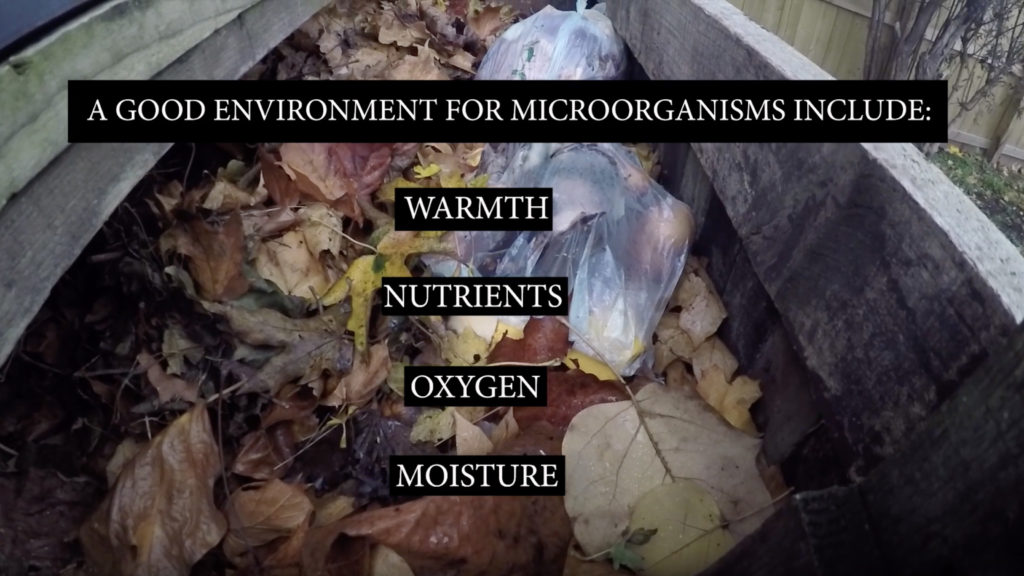
So the benefits of composting are clear and managing it is simple. Get it right and not only should you end up with healthy compost for your plants in the garden as a result, but it also encourages wildlife as acts as a haven for insects and other creatures.
Happy composting!
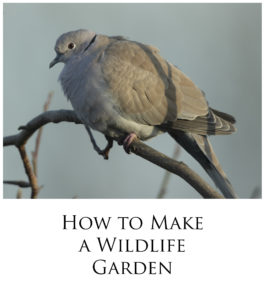
How do you make a wildlife garden?
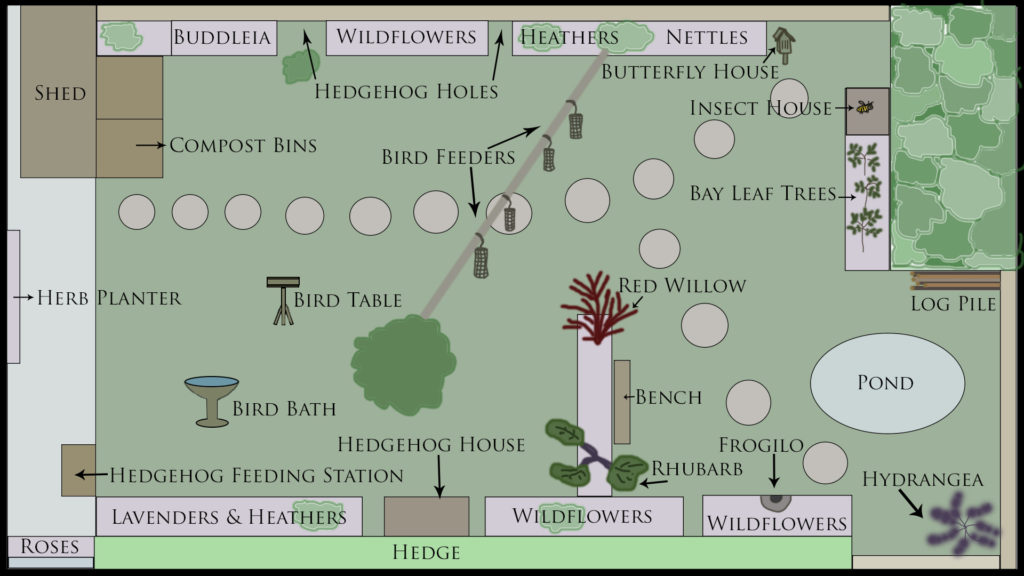
The question is a simple one but there are many in-depth answers that we could respond with. We are under-taking exactly this task – making the Embrace Nature UK garden more fit for wildlife. Chris Packham once stated that despite his efforts in managing his garden, his neighbour had all the wildlife even though they did nothing to encourage it. It’s true that a scrappy piece of land can invite all sorts, though our intention is to entice a variety of animals by creating the necessities that they require. We will cover these things in more detail in future blog entries but for now, here are some of the things you can do to begin your wildlife garden.
Food
This is pretty obvious. Animals, birds and insects all need food but sometimes it comes down to more than just ‘nipping’ to the shop and purchasing bird and hedgehog food. This is a part of it but it’s more beneficial if you bring natural nutrients to the garden as well. One way to do this is to invite insects to the party first. Building an insect house is a great way to do this. An insect house might come in the form of something you purchase from a shop, a log pile or a home-made insect haven formed from wooden pallets.
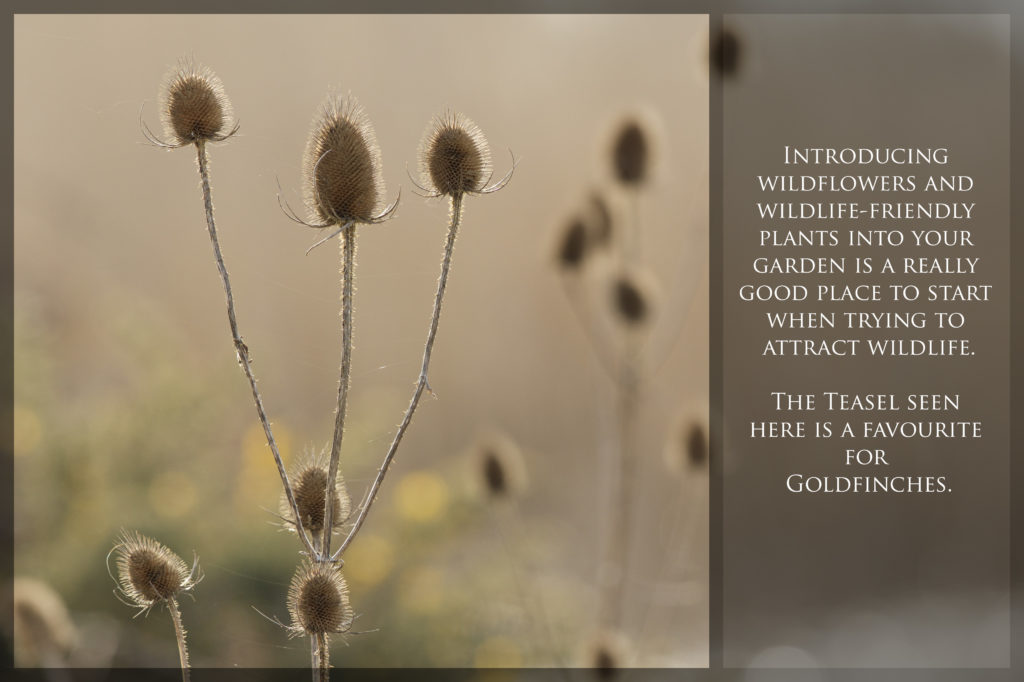
Insects also need food of their own though, which is where clever planting comes in. Look for bee-friendly flowers and maybe keep an area for nettles so butterflies can lay their eggs on them.
Shelter
This is something that you can once again build yourself. Bird boxes, hedgehog homes and shelters for frogs and toads are all things that can be relatively easy to create and make a big difference to the wildlife in your garden. Plenty of foliage in the garden can be used to make these shelters a little more discrete and don’t forget those log piles! They are superb places for animals looking to hide away.
Water
Water is essential for life in your garden. Ponds are brilliant to have for those creatures that live in water or rely heavily on insects that surround water. They can be big or small and can be very simple to introduce to your garden.
It is also important to have places for birds to drink and bathe, in which case a bird bath is brilliant and for mammals such as hedgehogs, a bowl on the ground with water in is ideal.

Access
You won’t get wildlife in your garden unless you make sure animals can find a way in. This isn’t such an issue for birds and insects but for mammals such as hedgehogs, access is essential. Hedges are a natural way to keep access to the garden but if you have fences, you can simply cut a series of holes in the base to encourage some new visitors.
It is not only access to the garden that is required for wildlife. It’s important to have food and water that can be accessed by the species visiting. This might mean having a variety of water and food sources to please different creatures.
Access is also vital to avoid disaster. Create routes out of ponds so hedgehogs can find their way out if they fall in.

Embrace Nature UK – Episode Two
In Episode Two of Embrace Nature UK (available on Youtube), we have a look at the work we’ve done so far to get our own wildlife garden started. Keep watching this space to see the progress we make over the coming months.
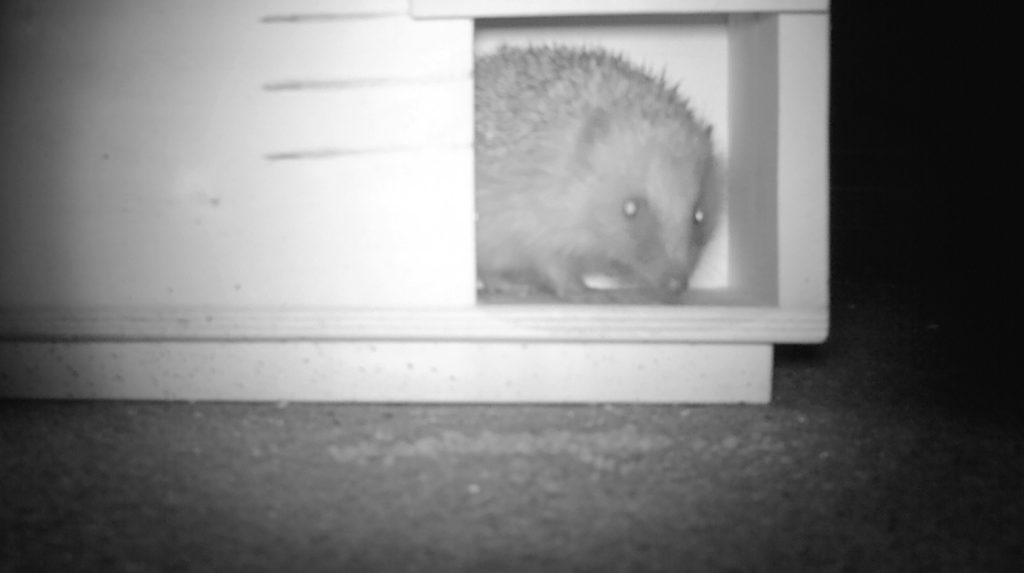
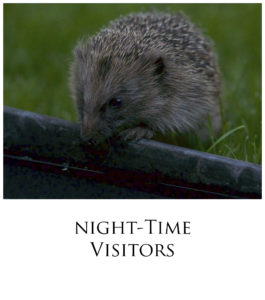
Last year we enjoyed a wealth of hedgehogs visiting the garden and it felt like a long winter waiting for the next season of hedgehog activity. Now it’s here and it’s getting even more entertaining! Last night we had three hedgehogs visit during the evening. Two adults were sniffing and snorting at each other for a long time and even though occasionally they would walk away from each other, they would return to continue the snorting. They didn’t appear to be mating but we did wonder whether it could be a male and female working up to it. Whilst they were snorting away, a little rustle in the bushes alerted us to a juvenile (first for us of this year!) that made it’s way over to us. One of the adults came and sniffed at my feet and when the youngster came out, it scared the poor creature by heading over to it and circling it whilst sniffing until it seemed satisfied that it wasn’t a threat. The little hedgehog ran off at the first opportunity and seemed a little stunned by the experience.
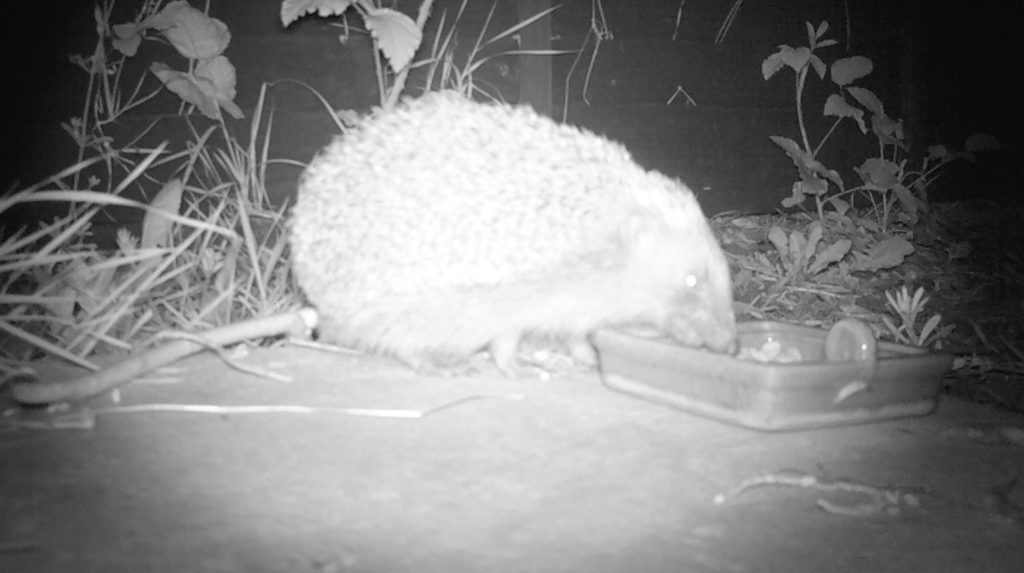
Despite the hot and dry weather the hedgehogs seem to have no difficulty finding plenty to eat in the garden, which is probably mostly down to the birds scattering seed and suet during the day. We leave out large shallow trays of water so there is a large supply for these thirsty creatures.
After beginning to tackle the big garden project we made room for new fences to replace those that had been battered by high winds. The fencing company was familiar with the request for hedgehog holes and obliged; creating some perfect hedgehog-sized square holes all the way down the garden in the fences. They mostly stuck to putting holes in places where the hedgehogs would have walked before changing the fences and we can see that they’re using these holes. The other side of the garden sits a hedge, which is perfect for the hedgehogs to wonder from one garden to the next.
We’re looking forward to seeing how our hedgehogs get on and whether there will be even more visitors as time goes on…watch this space!
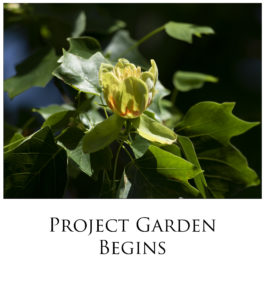
As project garden begins, we feel it’s a challenge to create a really fabulous wildlife garden but worth the trouble. Our Embrace Nature UK garden was mostly aesthetically pleasing when we started but it lacked variety and had a hidden rubbish tip behind one of the fences.
After introducing bird food to the garden, the wildlife soon arrived. We now enjoy visits from quite a few different species of birds and we regularly see hedgehogs, however, our garden is far from complete.
We intend to create something that will support many varieties of species as we want them to find all that they could possibly wish for in one place. We’ll dig a pond, plant flowers that help insects and create spaces for animals to live, breed and hibernate. In the coming months you can watch this happen, right here, on the ‘Project Garden’ blog.
We hope that you will also be inspired to make your garden even more wildlife-friendly. You can even encourage a variety of wildlife by making small changes. Invite insects to the garden first and other creatures will follow. Before you know it, you’ll have a whole ecosystem right on your doorstep.
You can create a water source for wildlife quite easily, for instance, ponds are great for frogs, toads and (if you’re lucky) newts. A bird bath will help the birds to keep their feathers clean and enjoy a drink. A clean bowl of water helps hedgehogs to keep hydrated.
We look forward to exploring these aspects of a successful wildlife garden in more detail as project garden begins. We hope you will find it useful and entertaining to see the creatures we welcome along the way.
Useful Links:
You can find out more about some of the ‘wildlife garden’ basics on the RSPB website: