


The Farne Islands are the perfect location for any birder or wildlife-enthusiast. You can have close encounters left, right and centre and come away with photographs to be proud of. We paid a visit to Inner Farne last year and enjoyed getting close to Shags, Puffins, Kittiwakes and many other wonderful sea birds. Whilst we love nature, we have to accept that some sides of it aren’t so glorious. It’s a fact that we’re all aware of but it can sometimes be a little difficult to accept and we find ourselves rooting for one species or another.
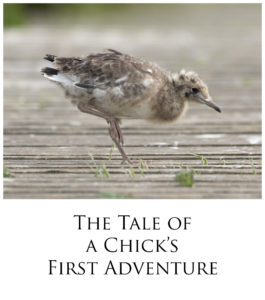
Whilst photographing Puffins flying in with their catch, I witnessed a young Gull chick venturing from the undergrowth onto the boardwalk. I watched as it headed over to the other side; seemingly curious as to what the world had to offer.
It certainly produced a tale worth repeating.
Within moments a Black-Headed Gull had launched onto the young bird’s back and began an attack. Bewildered, the young bird tried to escape.
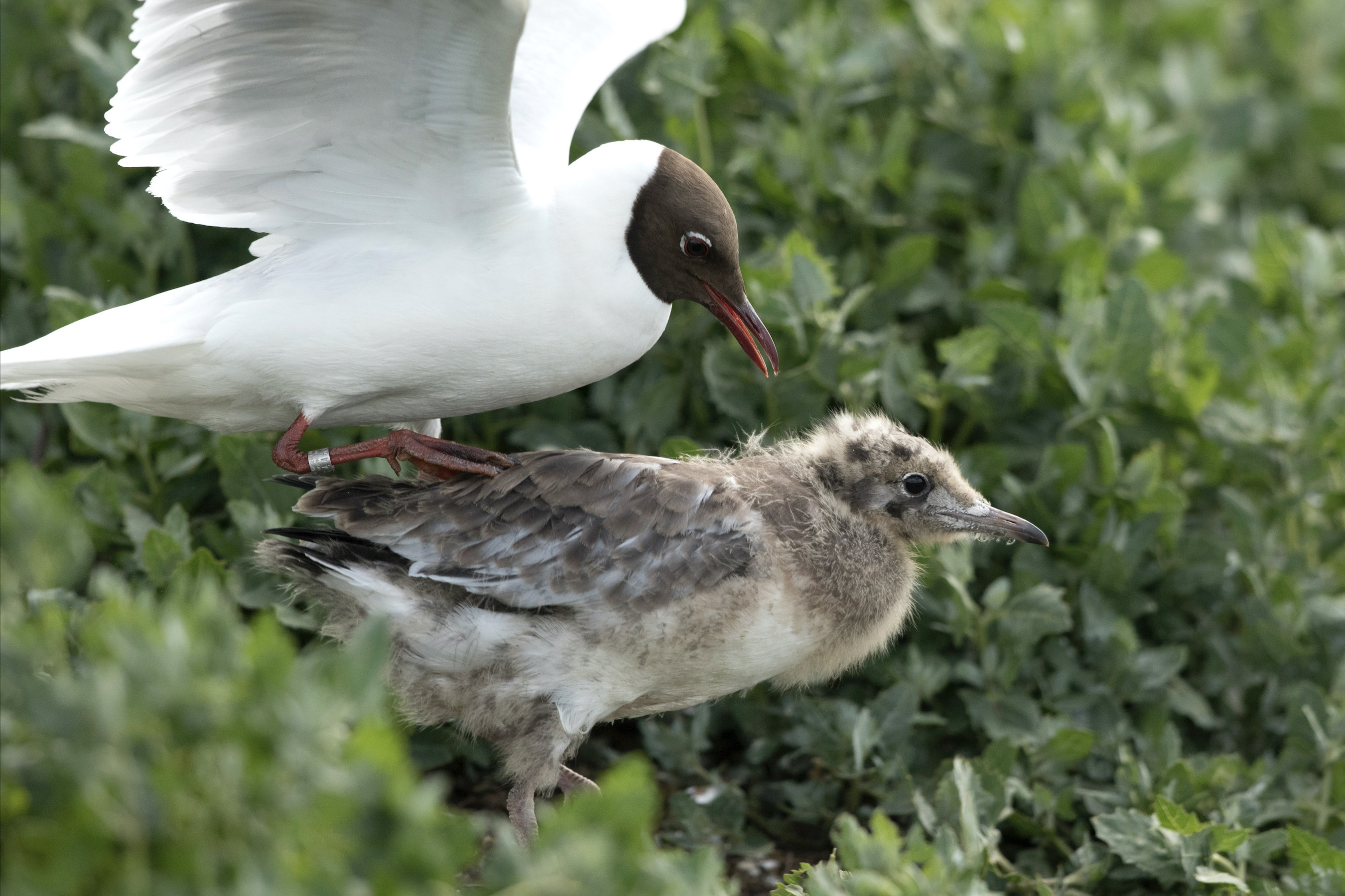
It wasn’t long before people began to notice and took to shouting at the adult bird to let go. As the young bird managed to escape, it started to take on a gauntlet of one Gull after another. A Herring Gull launched the next attack with more vigour. It pinned the bird to the ground, whilst pecking at feathers.
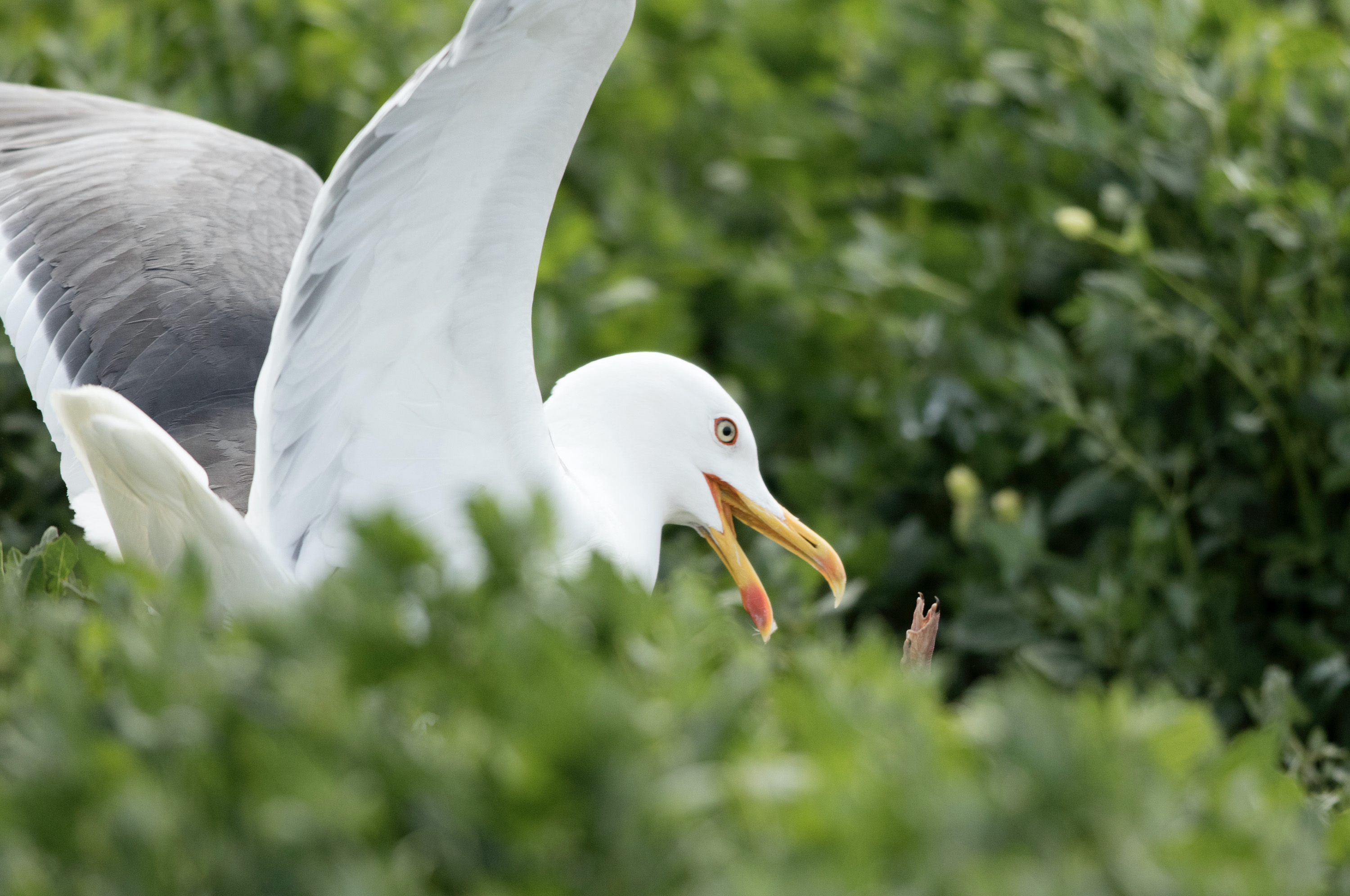
It held the young bird by the head, seemingly in control of the situation. However, this chick was not to be under-estimated!
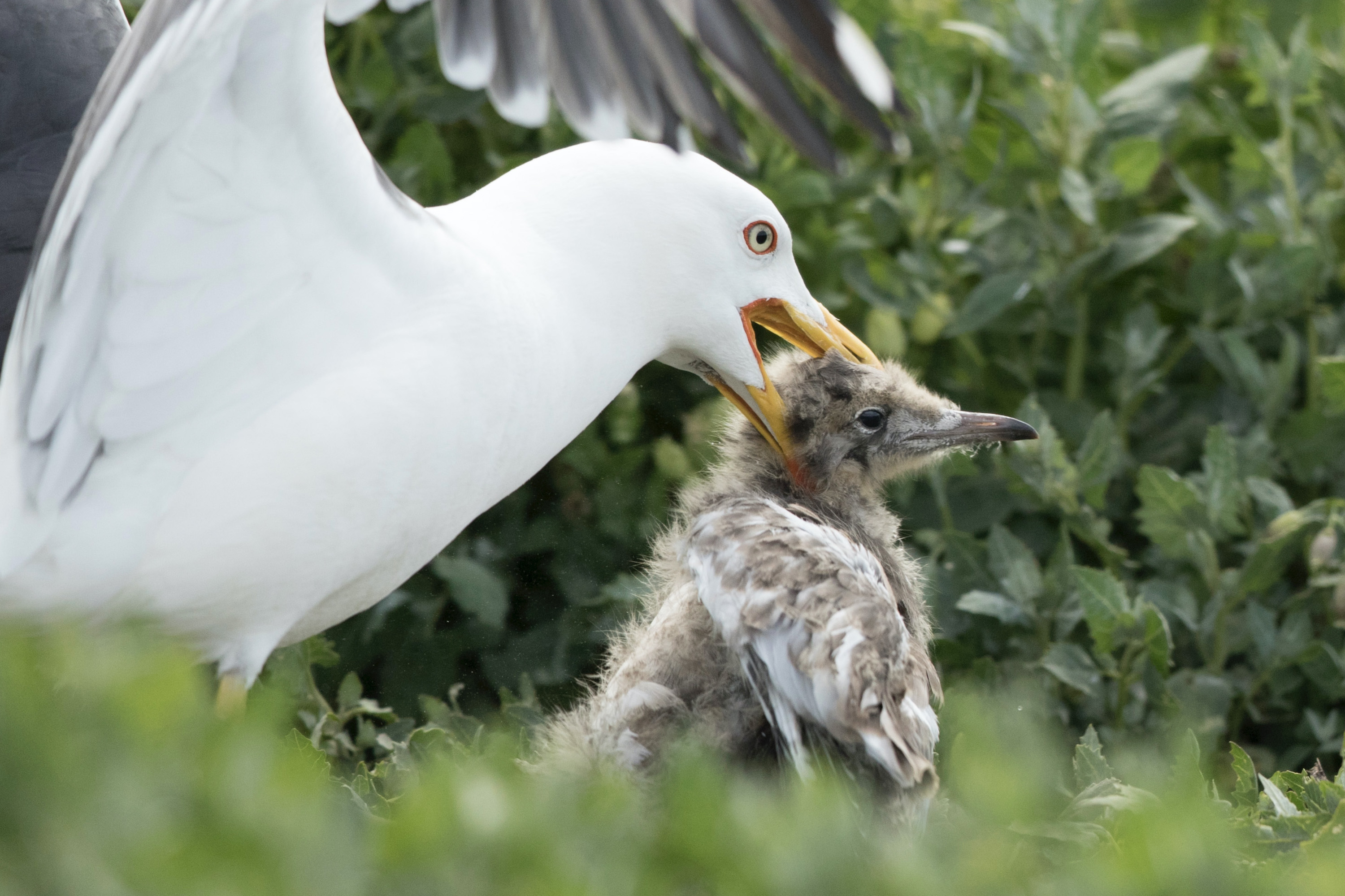
Whilst the Herring Gull thought it had a hold of the bird, it wriggled and scrambled to find its way to freedom. Using the foliage as cover, it ran into one more trap before getting away to live for another day.
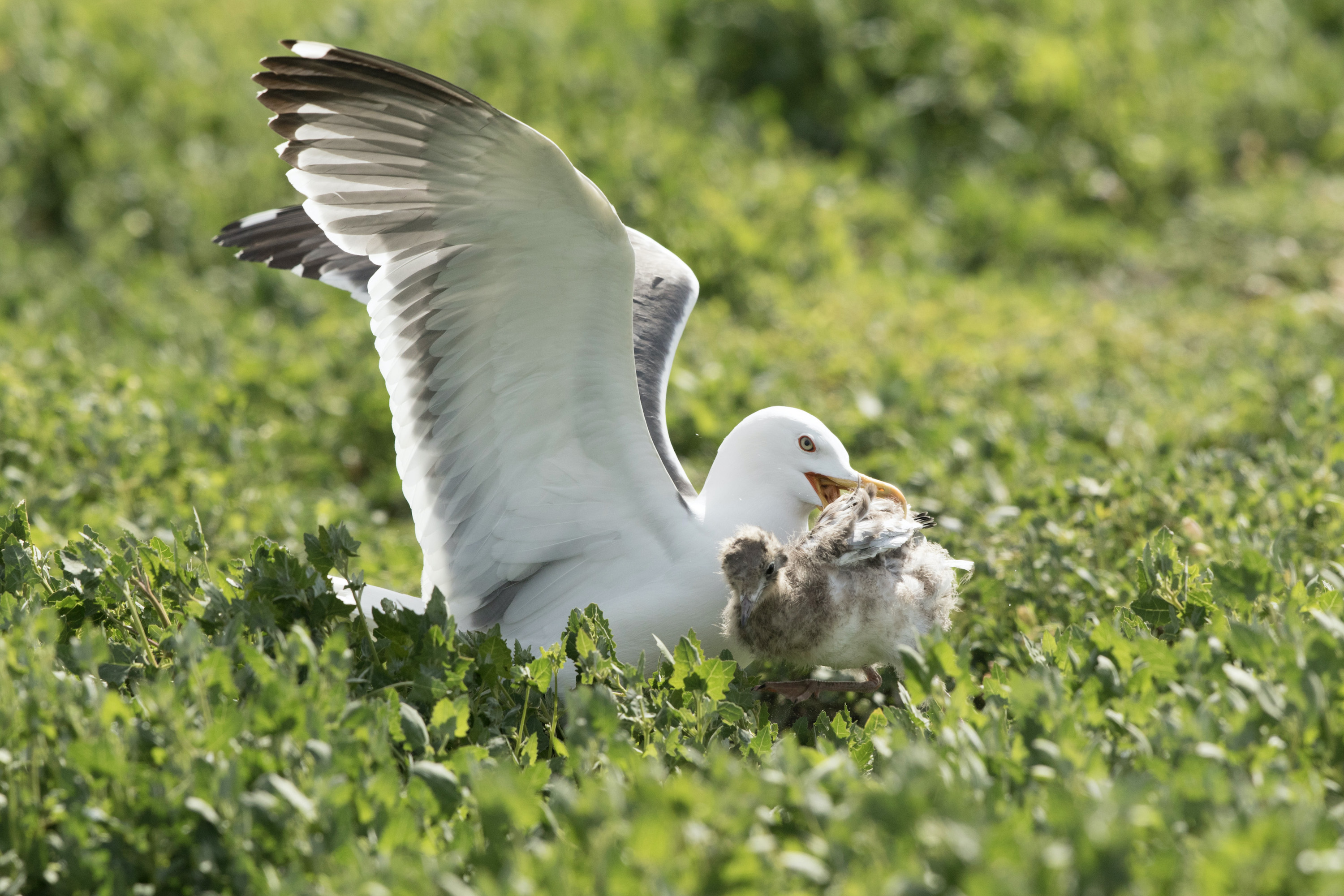
Looking rather more disgruntled than it did at the beginning of its first venture out, this young Gull made it through the first test of life.
This behaviour is not unusual and often it ends badly for young birds. It is thought that as adult Gulls are so territorial, this is reason enough for them to attack wandering and curious young birds. Another reason for this attack could simply be down to the adults quest for food. We have witnessed Herring Gulls eating a dead chick previously and this situation is well-recorded.
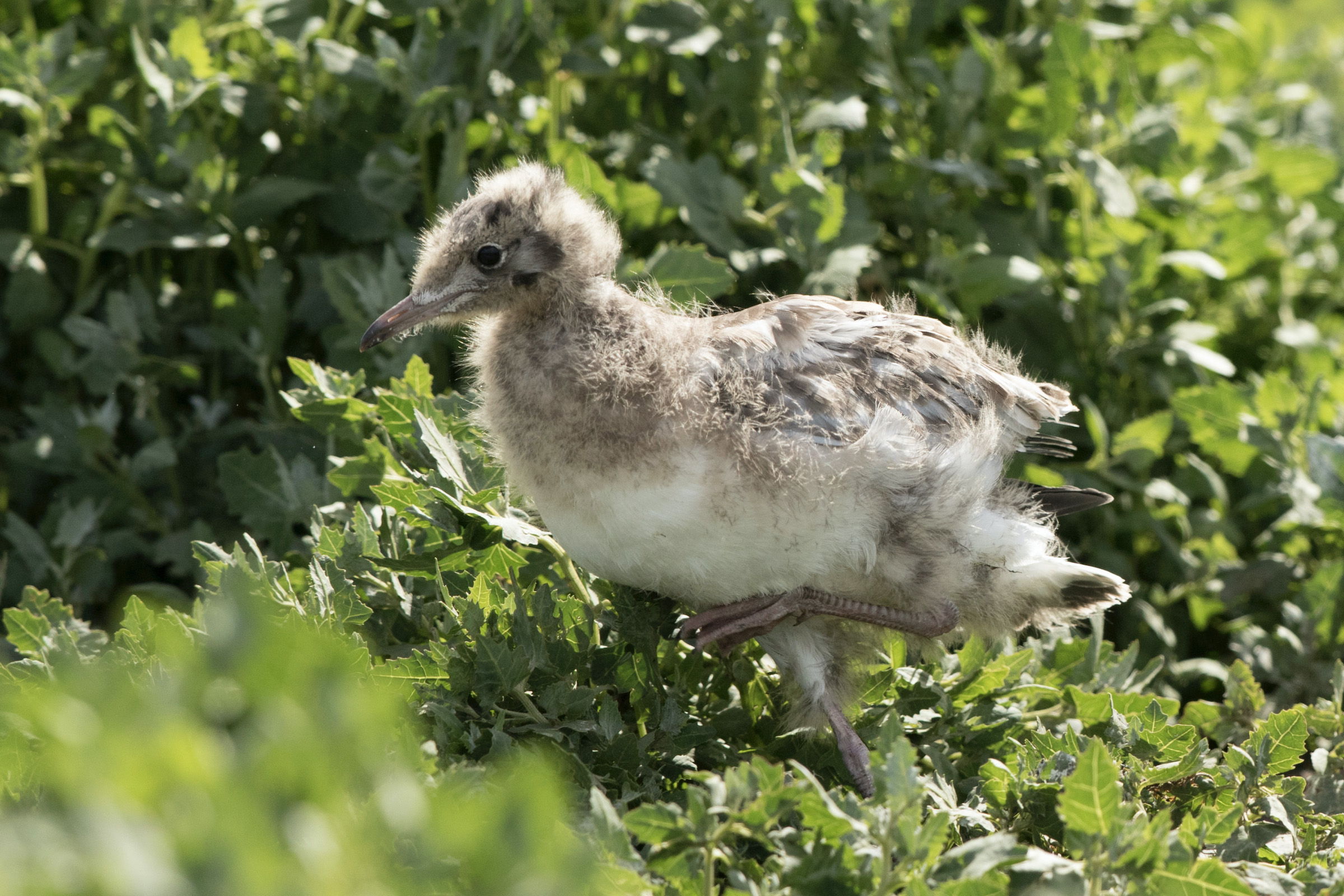
Whilst nature may be brutal, it certainly puts birds to the test from an early age; ensuring that only the very strongest survive. Perhaps this young chick has the genes it needs to be a survivor. We hope so.
The story of the persecution then recovery of Red Kites in the United Kingdom is a great example of success for reintroduction and one that is commonly referred to. We have gone from having a very small protected population in Wales, after a dramatic affect from human impact, to being a common sight in the skies above us. The Embrace Nature UK team are very fortunate to be located in an area that is exceptionally good for Red Kite numbers as we are not far from one of the release sites. It is not uncommon for us to look out the window and see a Red Kite flying past.
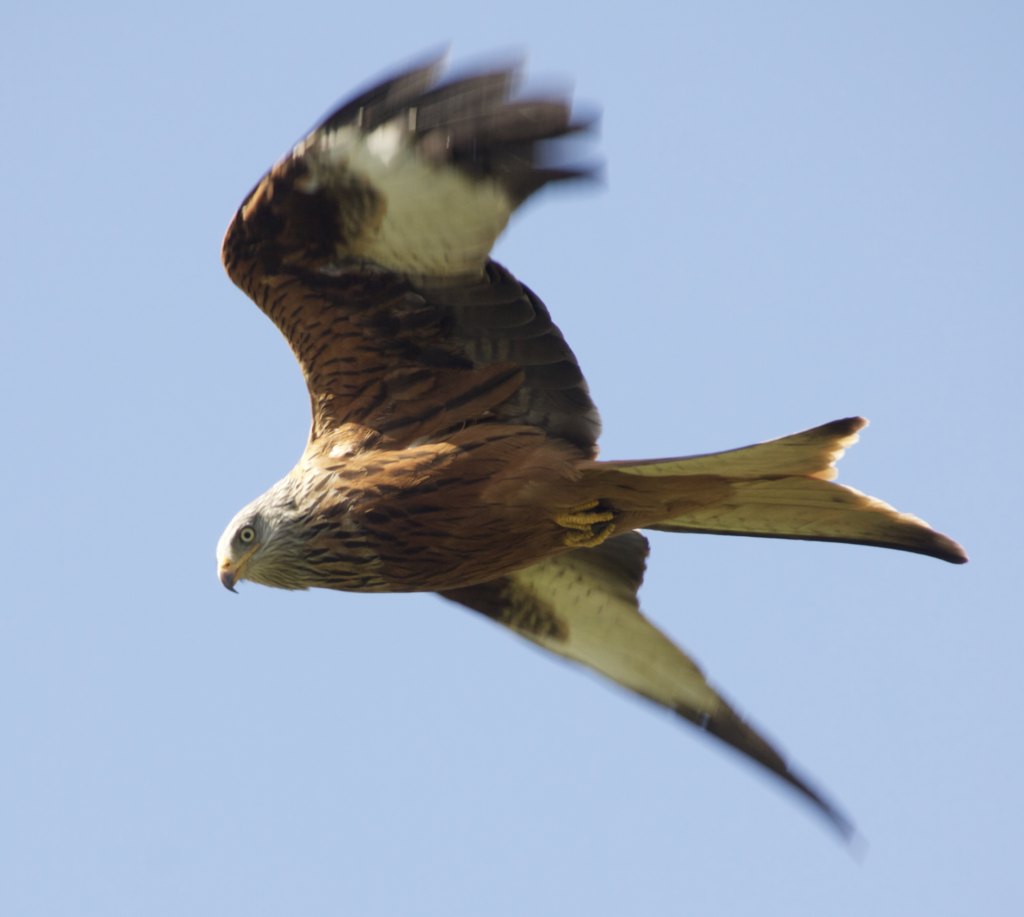
Whilst the recovery has been embraced by many, not everyone sees the benefit in a recovering population. Birds of Prey often have enemies, which is why they have been at risk for so long. Many members of the public enjoy heading to Red Kite Feeding Stations where they can enjoy close encounters with hundreds of Red Kites at a time so it might come as a surprise that not everyone is enthusiastic about their comeback. Some people see the birds as a threat to their own livelihoods or hobbies, which has led to birds being trapped, poisoned, shot and the destruction of their nests.
Whilst the RSPB is aware of many incidents, they believe that there are more that go unreported and therefore are trying to prompt the government into increasing protection for birds of prey at risk. It’s no wonder when the rarely-caught criminals then get away with seemingly light sentences. There will likely always be a struggle between those who love and wish to protect birds of prey and those who would rather they weren’t around.
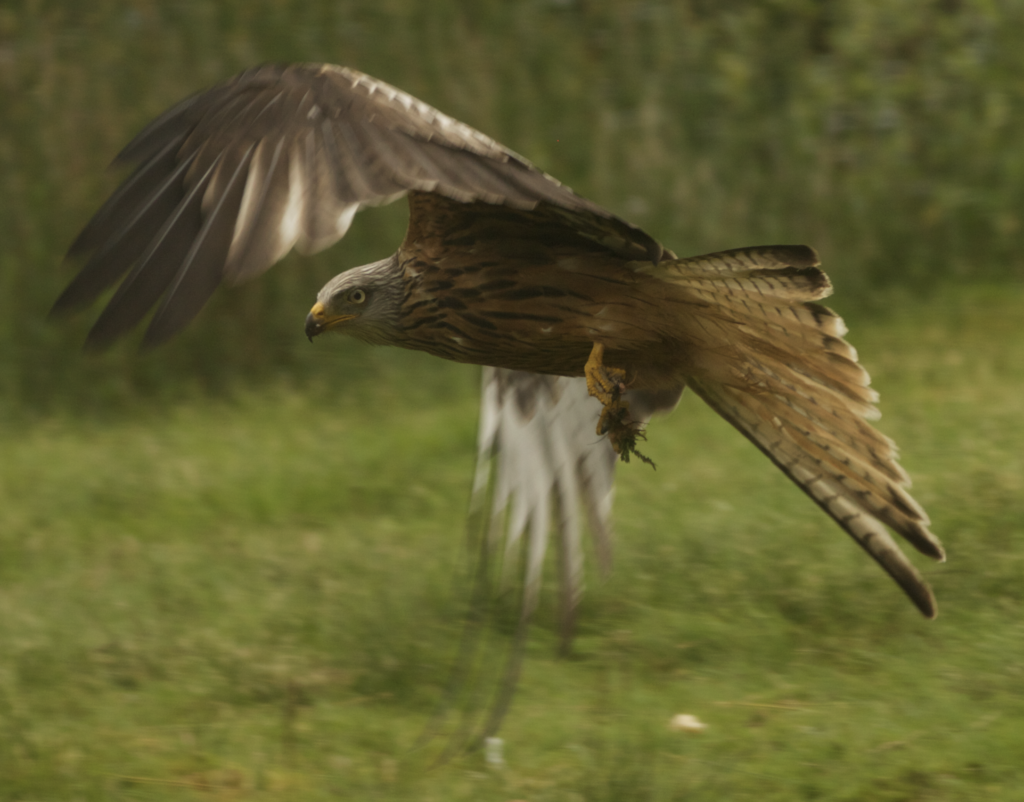
A common scenario we have come across in the past is people blaming birds of prey – most notably Sparrowhawks – for a decrease in song bird populations. The argument is fruitless as there are direct links to habitat loss being the cause for many bird’s difficulties. The balance between predators and prey is also one of the most natural and sustainable evolutionary symbiotic relationships imaginable.
Most issues for many creatures now can be easily traced back to human impact, so to demonise birds of prey and suggest that their existence is threatening other species shows a remarkable misunderstanding about their nature.
Thankfully some people have worked to find kinder solutions to troubles that might arise in terms of protecting livestock. An example of this would be keeping young Pheasants in release pens until they have grown enough for the threat to have reduced.
Sadly, even though some gamekeepers have managed to live peacefully beside birds of prey without so many losses, it takes a long time to change minds and so the problem is likely to persist. We certainly hope that a solution is found to move closer towards keeping bird of prey numbers high as we’ll never get bored of looking up and seeing spectacular birds gliding along right above us.
Embrace Nature UK once asked a group of people, who would not describe themselves as nature-lovers, what they did in their spare time. Many of their answers were activities that included enjoying the natural world such as going for a walk or feeding the ducks. We realised that you don’t have to consider yourself a nature-lover to embrace nature and appreciate different aspects of it. So what does it mean to embrace nature in the UK? We’ve put together these ideas to keep you inspired and show how you can enjoy the wild world whether on a small scale or large.

1. Eat Wild
In 2006 we visited Guatemala and spent two weeks eating fresh food. Pineapple never tasted so good so was a huge disappointment when we returned to the UK. There is plenty of great tasting food back home though and it’s even better straight from the tree, bush or ground. You can either grow things in your own back garden, or go and seek some snacks out in the wild. A word of caution though…make sure you definitely know what it is that you’re picking. Something poisonous can easily be mistaken as edible and the consequences can be fatal. There are lots of books available to help you avoid such mistakes so you can enjoy eating wild safely. Why not also take your food outside to eat either in your garden or make up a picnic of wild treats to be appreciated out of doors.
2. Get up early / stay out late
We are both night owls and early birds as there’s so much to see at both ends of the day. Get up really early during Spring to hear the dawn chorus and watch the sun rise. Stay up late throughout most of the year to see hedgehogs. Dependent on where you are you might see a variety of things including badgers and foxes. We love running in the late evening when deer are more active as well as bats and owls or early morning when you might have a close encounter with a hare or other mostly nocturnal animals that are making their way to bed. Animals are rarely keen on crowds, which is what makes these quiet times so special.

3. Climb a mountain
We may not have the highest mountains but we have some beautiful peaks in the UK. Why not don some walking gear (and safety accessories) and make your way to an enjoyable route somewhere in Great Britain. Snowdon and Ben Nevis have great views but aren’t the only fun places to explore. It’s not only mountains that are enjoyable to climb. There are some brilliant hills too. One of our favourites was The Cobbler in Scotland. It’s dramatic, beautiful and a good walk. It’s also close to other hills and mountains in case you want to kill two birds with one stone. Most mountains and hills have more than one route up so you can truly get to know all angles of the landscape. We have had countless exciting walks up Snowdon from different angles in all weathers and will likely never get bored.

4. Go camping
Camping does not just mean one thing. There are all sorts of types of camping now but our favourite is out in the wild where you’re truly alone and can experience nature at its best. Camping isn’t just for summer either. So long as you’re well-equipped, winter camping can be pretty cool. We’ve enjoyed camping experiences on Snowdon and Scafell where you awake to stunning scenery. It’s definitely not for the light-hearted though as the weather can make camping feel dangerous and very cold.
An experience for the whole family is often better on a campsite where children can be introduced to the enjoyment of the great outdoors but without the danger and with facilities. Toasting marshmallows can be a brilliant alternative to computer games and can bring the family closer together.

5. Star gazing
We get more clear nights than you might think in Britain and you start to realise this when you choose to look up. We’ve had some good years of asteroids and eclipses to look out for but you don’t need fancy equipment to enjoy watching the night sky. Websites such as www.spacecentre.co.uk tell you when something exciting is happening though there are many occassions when you just need to look up to see shooting stars or appreciate the beauty of the stars and moon. Why not try learning a bit about constellations and the science behind the activity in space to get even greater enjoyment from taking the time to step outside and look up.

6. Swim outdoors
What is now a popular activity referred to as wild swimming was once simply called swimming but the enjoyment factor has not changed. The water is often cold but there’s something about braving it and jumping right in that makes swimming in the outdoors so fun. There are loads of places to enjoy it but some of our favourites include the rather chilly fairy pools on the Isle of Skye, Loch Morlich in Scotland (although this was especially cold!) and a more peculiar swim was with a bed through the river Nidd in preparation for Knaresborough’s famous bed race. Whether you choose to don a swimsuit, wet suit or dry suit, get in the water and find an activity that you enjoy to fully embrace the natural world in the UK.
7. Garden
Anything that can get you out of doors for a prolonged period of time can help you get closer to nature. Gardening can be good for your health in various ways. It can be good exercise, get you out in the fresh air and can also be relaxing. Gardening can also be good for nature if done in the right way. Have a look at our ‘Project Garden’ blog to see how we are gardening for nature.
8. Watch nature in towns and cities
You don’t have to be in the wilderness to see nature. There are plenty of animals and birds that favour towns and cities. They often congregate there as food is readily available. Whether it’s Pigeons in crowds in the town centre or Foxes idling from bin to bin during the night, they can be pleasurable to watch. Why not stop and look to observe their behaviour? The RSPB often sets up in cities to watch Peregrine Falcons on the tops of buildings and show the public these wonderful birds that are so often missed.
9. Climb a tree
More so associated with being a child, climbing trees need never get old. It’s great fun to spend a day with all the family in a woodland climbing fallen trees to see how far you can get. We’ve always found the New Forest to be a great area for this as there are large fallen trees that still present a great challenge. Kids love taking part and adults can’t deny that they all still hold a childish side inside of them.
10. Watch a wild event you’ve never seen before
There are a lot of incredible wild events to witness throughout the UK that many people may not be aware of. Tourists flock to places like Blackpool but so do Starlings and the event is magnificent. The Deer rut can be seen throughout Great Britain and you can enjoy seeing a variety of species become boisterous and play out this natural behaviour, which never ceases to be entertaining. The Capercaillie lek, Great Crested Grebe mating dance, Toad mating season, boxing Hares and Seal mating seasons are among many great spectacles to see in Britain.

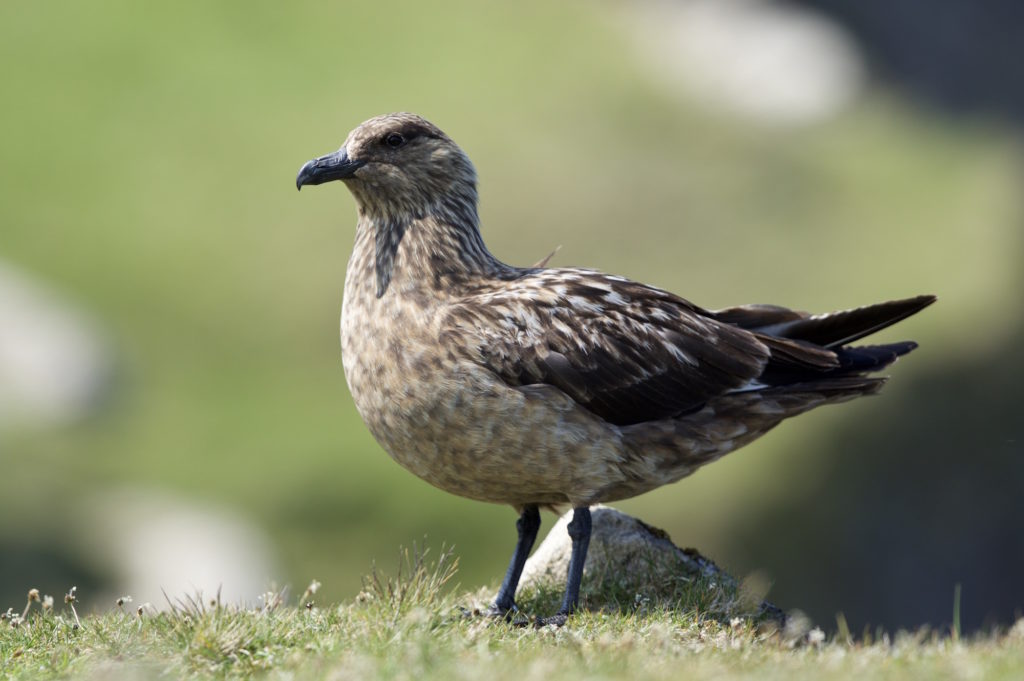
The sudden “whoosh” over our heads tells us that we are under attack. One after another Great Skuas turn in the air and aim for our heads. Sometimes they hit with a wing tip or their belly but the mere sight of them dive-bombing is disconcerting enough to send you ducking to the ground.
St Kilda, Scotland, is host to enough Great Skuas to make you feel that the species is doing well but this nesting area is vital due to decreasing numbers overall.
The Skuas have a reputation for being bullies and for good reason. It’s easier to steal someone else’s meal than to catch your own so Great Skuas (known locally as Bonxies) can often be seen intimidating other seabirds into dropping their food.
[rev_slider alias=”Bonxie Attack”]
Remains of other smaller seabirds can be found in areas where Bonxies live as sometimes become the meal themselves. Therefore a growing population of Skuas in one place can be controversial due to the impact they have on surrounding bird populations.
On St Kilda the need to protect the Great Skua is greater than that of other species though. As is often the way with nature, the impact that is had upon other species should even out as the years pass but from year to year the presence of these robust birds is made clear as they sit at the top of the hierarchy of the skies.
There are quite a few places on the island of Hirta where there is danger of attack from above. Whilst the inclination is to look up, it’s actually your feet that you need to watch as the Skuas are launching an attack to protect their offspring that are sat within the grass.
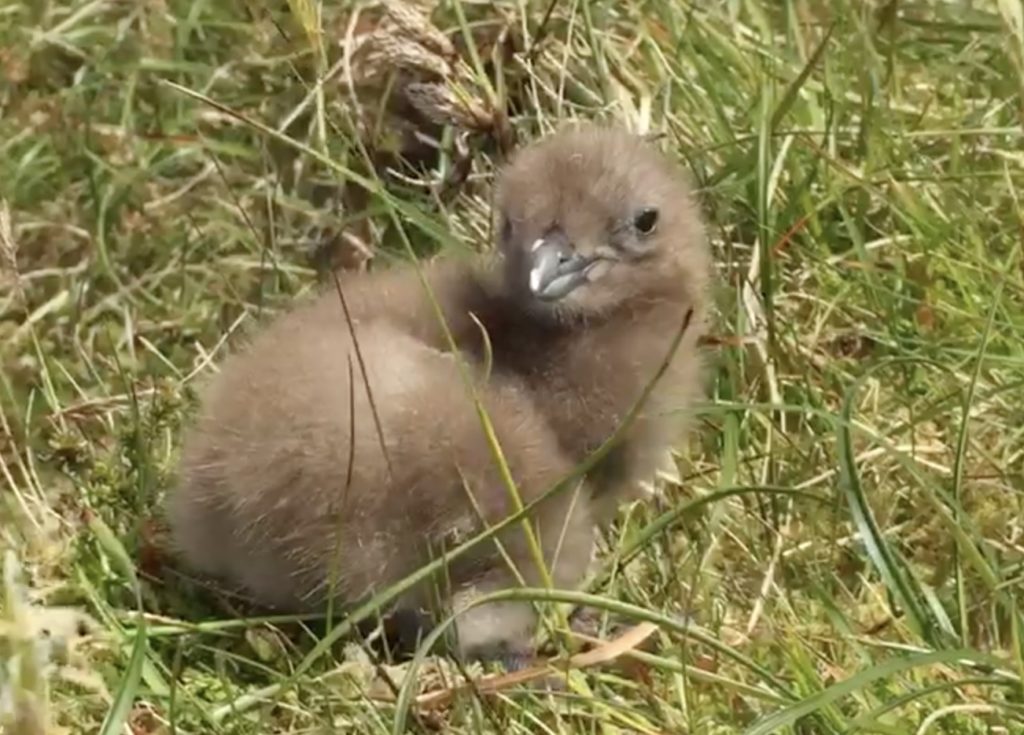
They are very protective parents and you can see why when you see their adorable chicks. They won’t stay that way for long though before becoming protective parents and pirates of the air themselves. There is a certain enjoyment in seeing Great Skuas though and watching them thrive in remote locations. With protected areas like St Kilda to host them, we should be able to enjoy the boisterousness of Great Skuas for years to come.
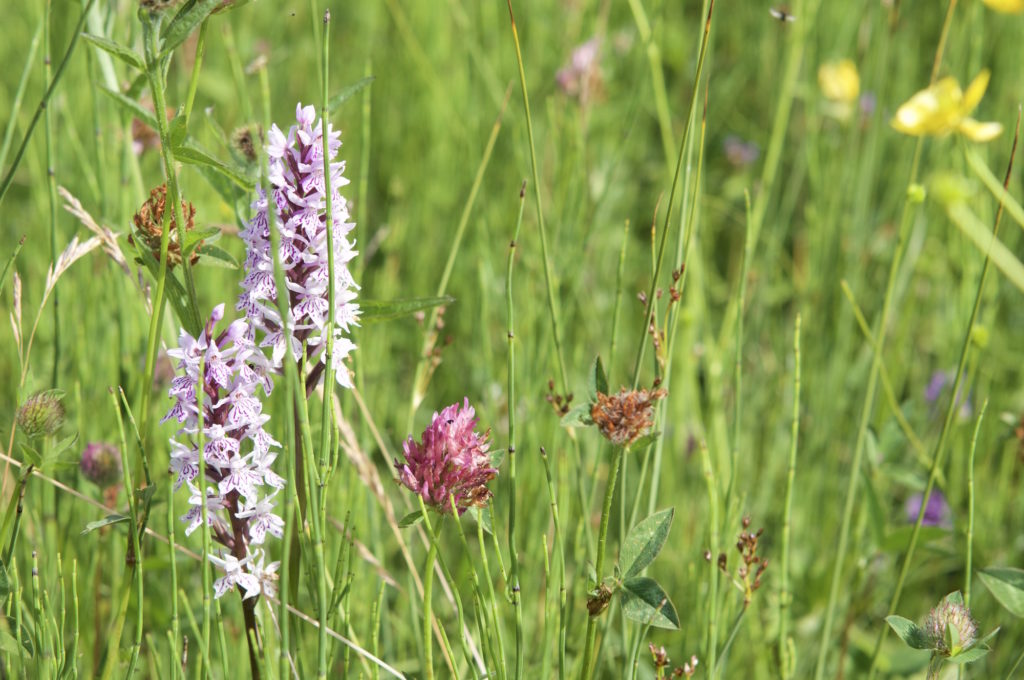
As the Summer takes over Spring, many wild things slow down and the height of activity comes to an end. However, you need only know where to look to find great wild views at this time of year. Summer is a wonderful time to visit wildflower meadows.
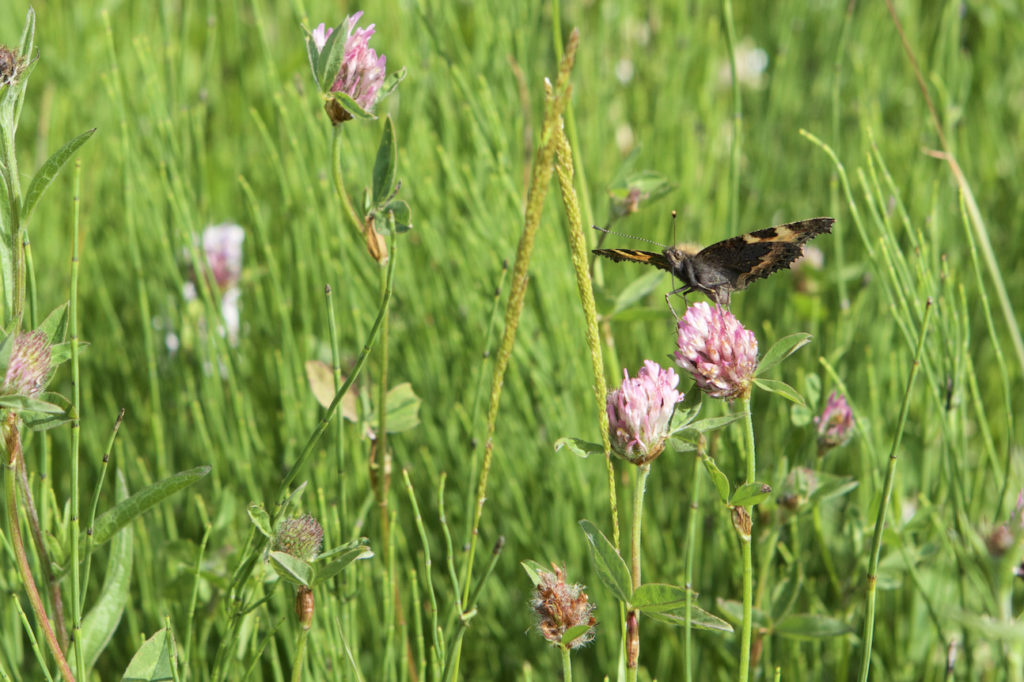
The colours are fantastic as is the wildlife. Many meadows are closely managed to ensure they come out in full impressive bloom and when they do, they aid the survival of many species of plants and insects.
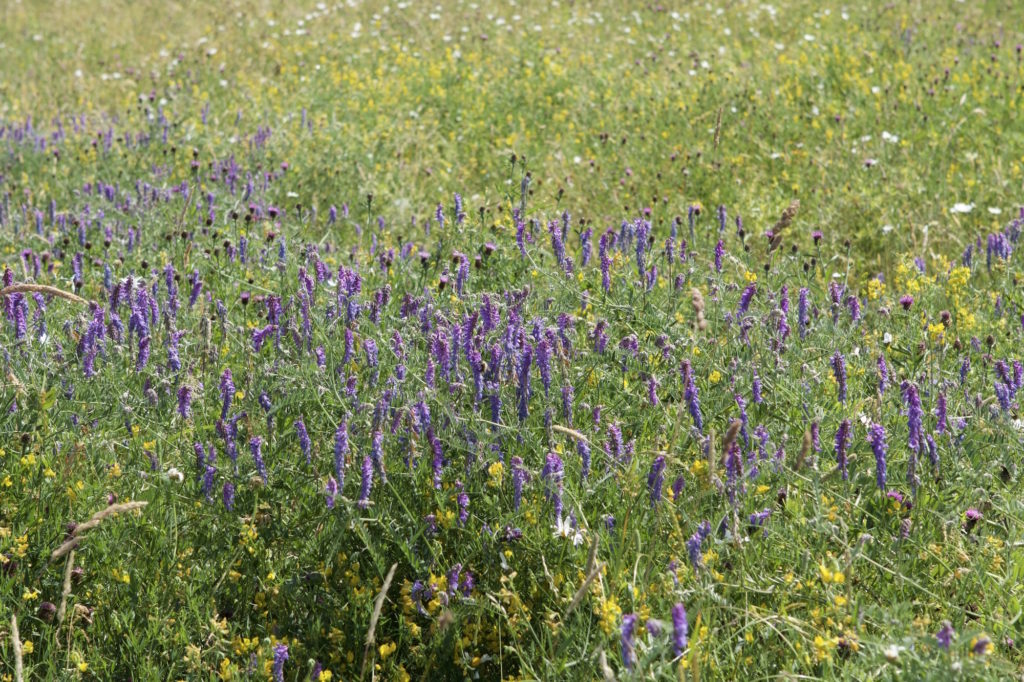
This is a meadow I visited recently in North Yorkshire and I think you’ll agree, it certainly is quite beautiful!

The Embrace Nature UK garden gets a lot of visitors – some regularly and some just for part of a day. We’ve not been aware before of how many damselflies and dragonflies fly through the garden but this year, we’ve seen a lot!
Dragonflies have superb agility and are powerful in flight, which is thanks to their ability to move their two sets of wings independently. Sometimes it can be easy to overlook small creatures because of their size but if you take the time to look more closely, you’ll see how fascinating they can be. Insects such as Dragonflies and Butterflies are so brightly coloured that, thankfully, we can spot them a little more easily. However, this was not always a good thing though whilst bright colouring has been a factor in the downfall of butterfly populations, Dragonflies have escaped that particular evil. It was not uncommon years ago for people to kill butterflies for their collections. They once would have been numerous but now their numbers have dwindled, which has also not been helped by habitat loss and most likely pesticides. Dragonfly’s colours fade when they’re killed, which prevented people from collecting them, however their numbers have still declined due to habitat loss.
There are two main groups of Dragonflies – the True Dragonflies (Anisoptera) and Damselflies (Zygoptera). They are fairly easy to tell apart as true Dragonflies are unable to fold their wings whereas Damselflies and Demoiselles are often seen perched with their wings folded.
Spring and Summer are a great time to get out and about to local ponds or lakes to find Dragonflies. You may see them elsewhere and later on in the year but to see them en masse, it’s worth picking your place and time. We have always found very sunny days to be a great chance to see them sunbathing, which sometimes will allow you the opportunity to get a bit closer and have a look at their incredible colours and intricate wings.
Dragonflies are so well formed and evolved that they remain very similar to a genus of insects that existed during the Carboniferous period (approximately 300 million years ago); called Meganeura. The order containing Dragonflies and Damselflies is called Odonata, which in Greek means ‘toothed one’. As you can imagine, this would have made them somewhat daunting during the Carboniferous as they were a lot larger and some species had wingspans of up to 70cm.
However, it has not been the adult form of Dragonflies that has inspired the most fear in people. Ridley Scott’s ‘Alien’ appears to be partly based upon an earlier form within the lifecycle of a Dragonfly. Before metamorphosing into the winged adult, the Dragonfly lives as a nymph, underwater and as an effective predator. It’s lifespan as the nymph is typically longer than that of an adult and can be for about 4 years before it emerges to change. It has an extendable jaw, which is an effective hunting tool as it moves about underwater looking for prey. The extendable jaw has now become infamous through the film ‘Alien’ and the concept made the perfect frightening monster. Thankfully, now Dragonflies are somewhat smaller than their Carboniferous relations so we can observe and appreciate rather than fear this magnificent creature.

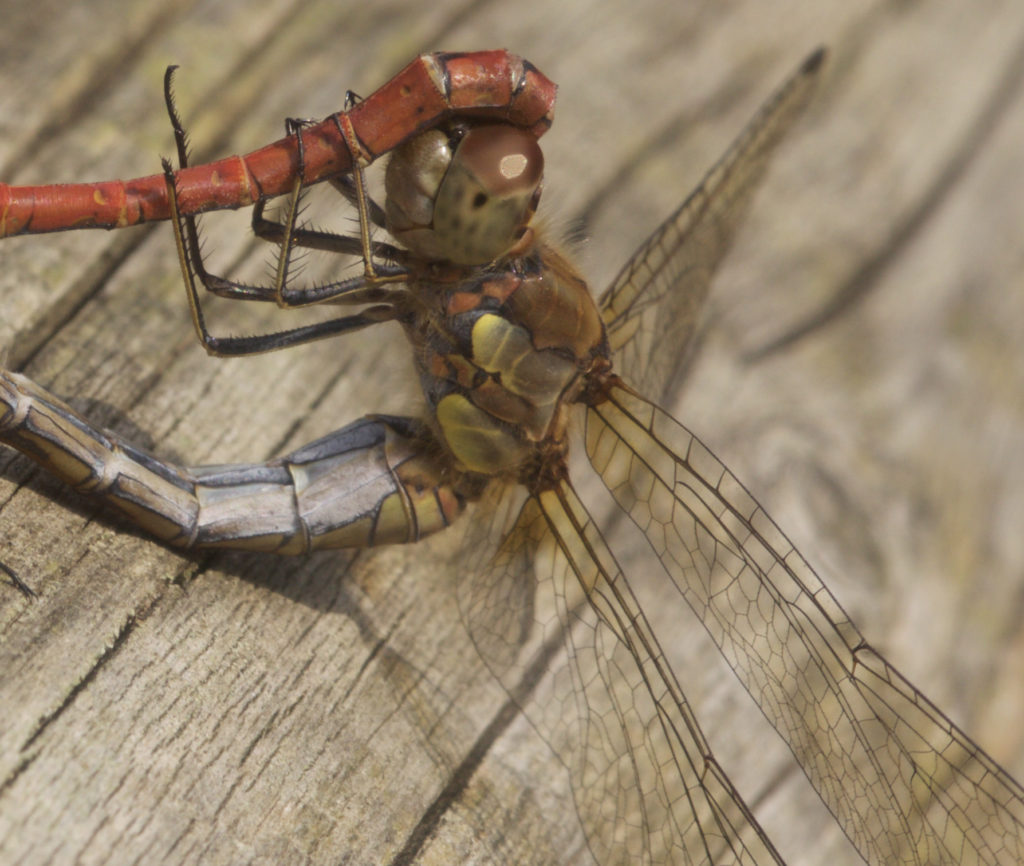
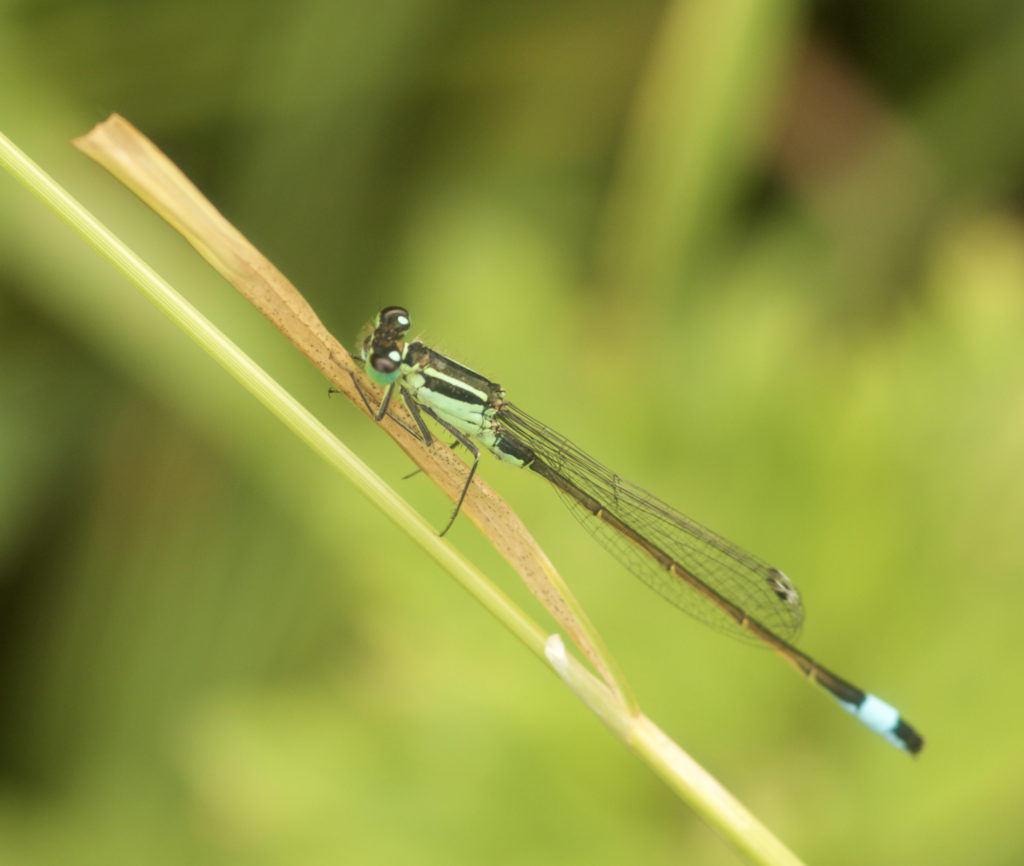
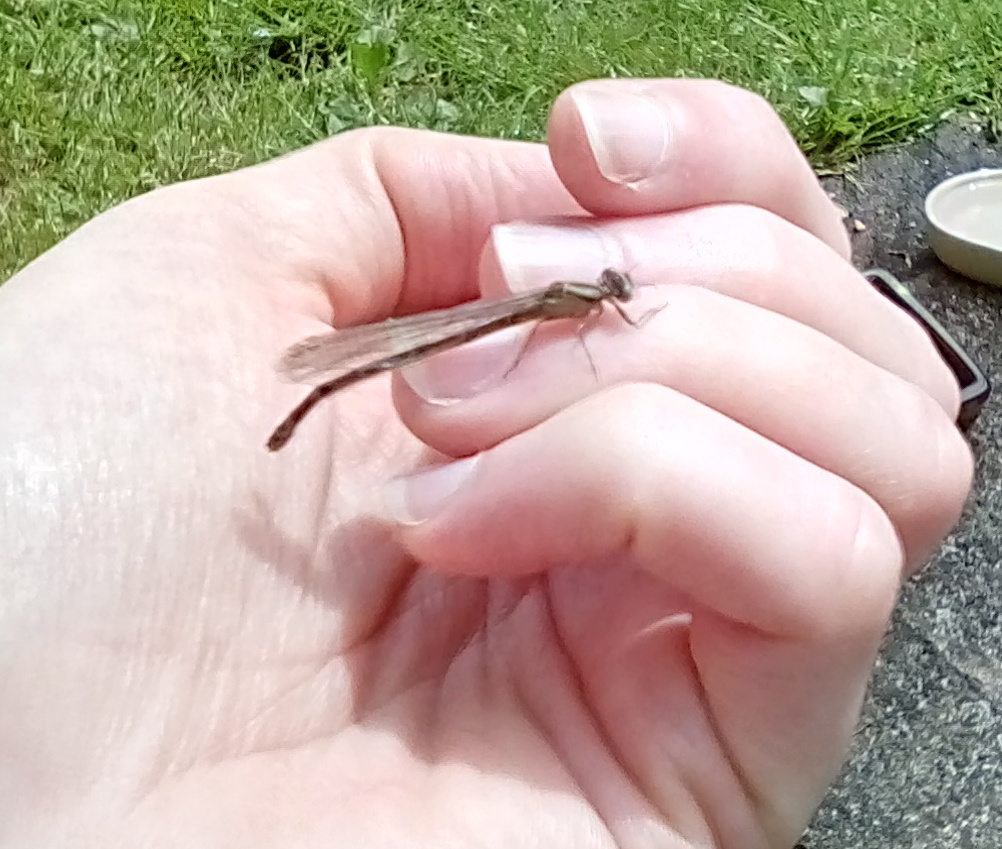
We had our own close encounter with this remarkable insect one day after heading into the Embrace Nature UK garden and finding a Damselfly in the Hedgehog’s water bowl. I fished it out and found that it was still alive but its wings were stuck together. As Damselflies need all four wings free to fly, the only way this one would survive is if we could separate them.
The Damselfly and I spent 45 minutes together as I tried to separate its wings with a blade of grass. We’re happy to say the patience paid off and after the lengthy struggle, it moved all of its wings and took off to freedom.
The only camera we had to hand was from the Kindle but here’s the little one who made it to fly another day!
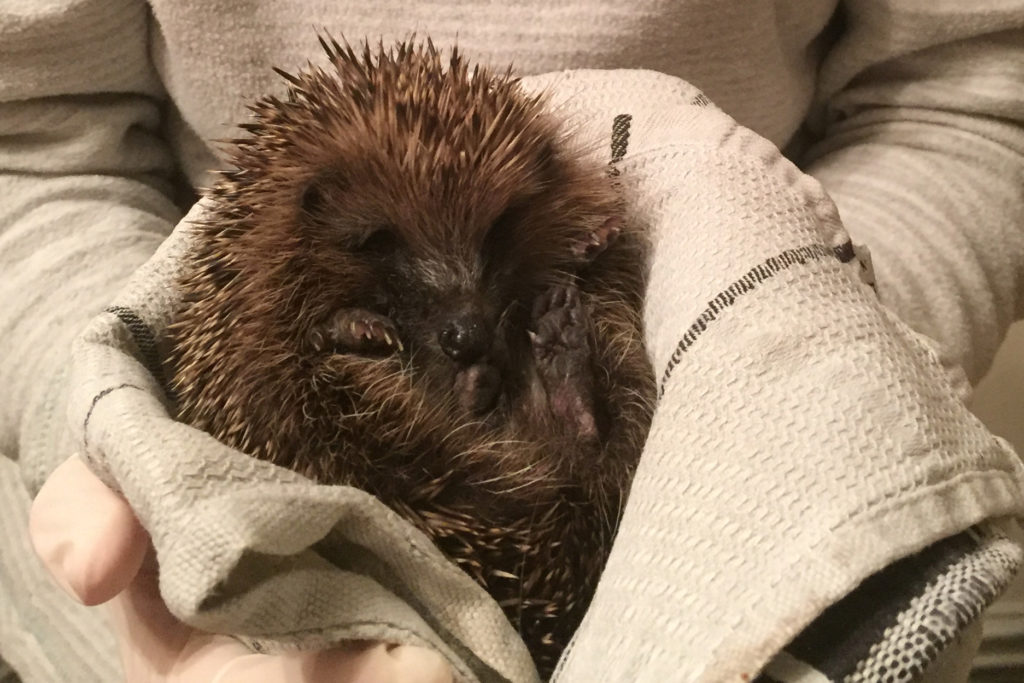
We spent much of 2017 watching hedgehogs in the Embrace Nature UK garden and assumed that by December they would all be hibernating. Much to our surprise, a young hedgehog was rustling about in the leaf litter on the night of 9th December 2017 in freezing conditions. We were aware that this was unusual but were unsure about what to do. Therefore, we brought him into the house in a cardboard box and got tapping away on the computer.
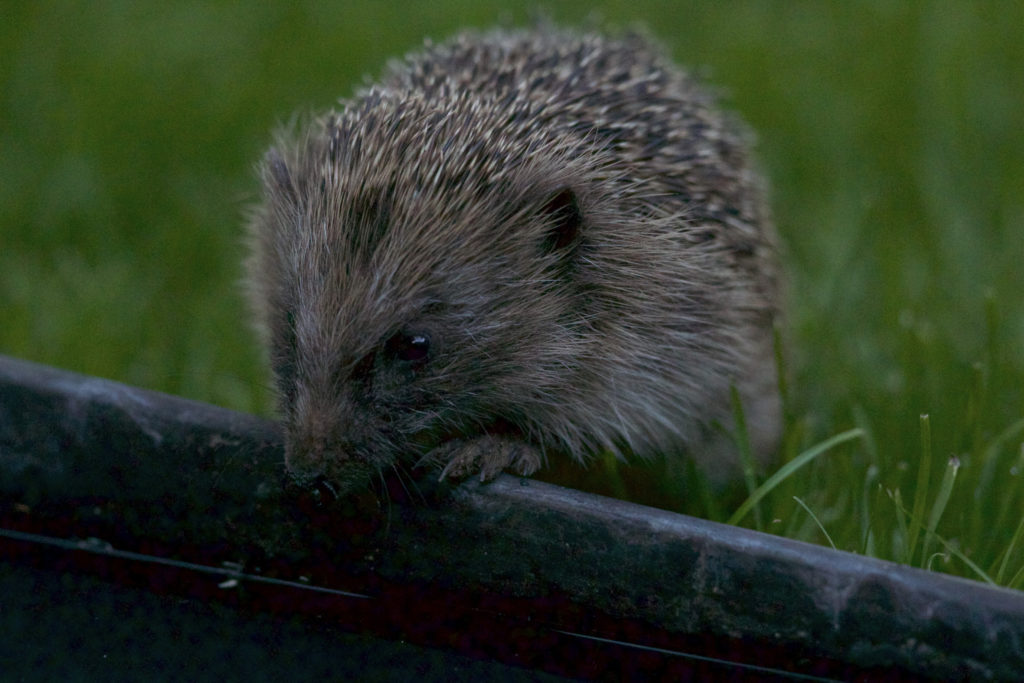
We were unable to reach anyone who could give advice or help, so helped the hedgehog as much as we we able to. We already had hedgehog food and gave him water. On the first night he was keen to eat and drink and seemed in relative health as he escaped through the handles of the box and went walkabout in the kitchen. We surrounded him with tea towels to keep him as warm as we could and gave him a hot water bottle under the covers but were sure to take it out before it got cold.
Hedgehogs are very messy creatures and are not particular about where they leave their faeces. Therefore we changed his bedding every morning and night and coincided the bedding changes with a weigh-in and an opportunity for him to have a walk about. He would explore the hallway and had little trouble climbing the stairs. He did not seem to exhibit any of the issues associated with a poorly hedgehog that we read about on the internet. It wasn’t easy getting an accurate idea of his weight to begin with so it wasn’t until a few days after finding him that we realised he was losing weight.
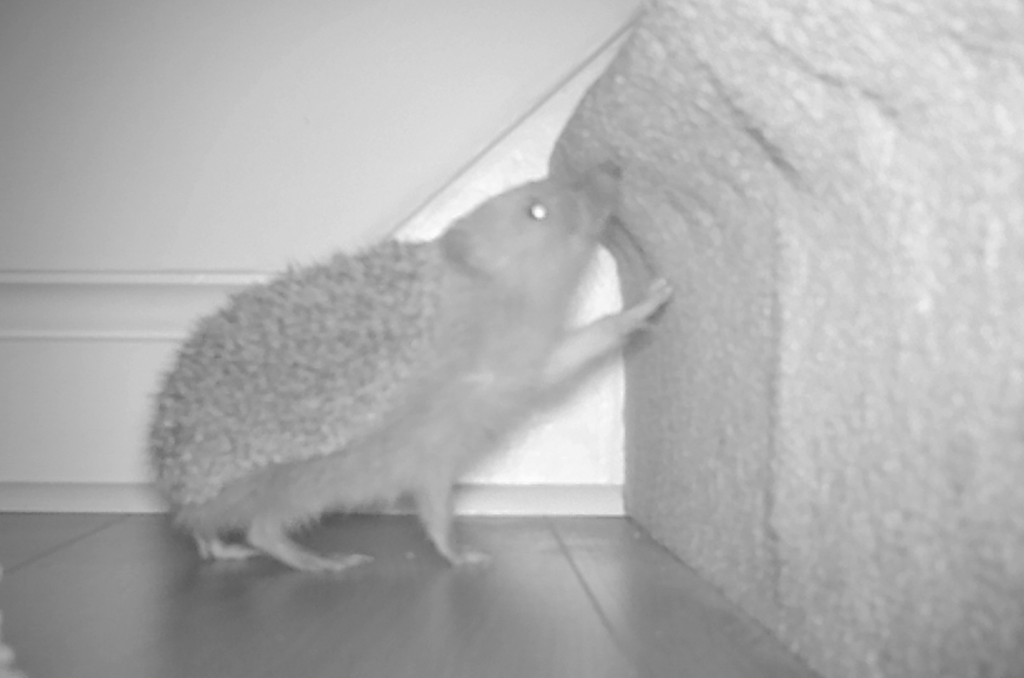
Too much human contact can be stressful for hedgehogs so we built our guest a slightly more substantial area to sleep and walk about in out of cardboard boxes. After learning how strong a hedgehog’s front legs are, we were sure to make the sides impossible to reach so he couldn’t escape and come to any harm.
Around the time that we managed to reach a hedgehog expert, it was clear that the hedgehog was not well. We’d read about worms and lungworm being potential issues and booked in as soon as possible with a vet who was experienced with seeing and treating hedgehogs.
We referred to the hedgehog as Haim (meaning ‘life’) though sadly, after a week of living with us, he passed away at the vets after beginning worming treatment. This is not an unusual scenario and many autumn juveniles cannot build enough weight or strength to hibernate. Once brought indoors, there is a fine line between life and death as they are easily stressed and even nature can work against them; most commonly with parasites.
We learnt a lot from looking after Haim but sadly not enough to save his life. Had we have left him outside he’d certainly have died as the snow began to fall. We found information on the internet to be mostly limited to suggesting numbers to phone for advice. As no one answered our phone calls for most of the short week he was with us, we were left to use our initiative, which wasn’t enough to help.
Therefore, whilst we are not experts on this subject, we’ve decided to give a few pointers to anyone who finds a hedgehog out and about during Winter. For more information, seek advice from local animal rescue centres – some of which may have a 24 hour helpline. The information below is for the duration between finding a needy hedgehog and gaining professional advice.
 Not all hedgehogs feel the need to hibernate during milder Winters. If a hedgehog appears in good health and of a good weight in mild weather, it is probably fine and is best left undisturbed.
If you find a hedgehog awake in very cold weather, it is underweight or appears to be in poor health, it is likely that it needs your help. Bring it indoors, give it plenty of bedding or towels and a hot water bottle or heat pad under the bedding. Allow the hedgehog space to move away from the warmth and remove hot water bottles before they get cold. Provide them with food and water.
Contact a local animal rescue centre for advice. If you’re unable to reach them, call a veterinarian so you can combat potential health issues early on.
Take a sample of the hedgehog’s faeces to take to the vets. This will help them to identify any problems so they can treat as appropriate.
Try to keep noise and handling to a minimum with the hedgehog. The experience of being unwell or cold and then brought in to an unfamiliar location to begin with is probably quite stressful enough so too much noise or handling can exacerbate the problem.
Weigh the hedgehog if you’re able and confident enough to. We found that a flat electronic kitchen scale with a bowl on top worked best. I would pick up Haim gently with gloves on and a tea towel then rest him in the bowl to take his weight before placing him back with the tea towel. It was the weight loss that prompted experts to suggest a vet and get Haim treated.
Vary the hedgehog’s diet. Hedgehogs love meal worms but they’re not nutritious and can cause hedgehogs to refuse other food. A few meal worms are good for a treat, but here are examples of other foods and drinks that you can offer a hedgehog:
Scrambled or boiled eggs
Raw or cooked meat and chicken
Chicken in jelly (mash with a fork to make it easier to eat)
Very small amounts of plain cake or biscuit
Cat biscuits (chicken mixture is arguably best)
Hedgehog food
Water (it’s important to give the hedgehog a dish with water in so they can drink as they please)
Lactose-free milk (warm it up and check it with your finger to make sure it’s not too hot)
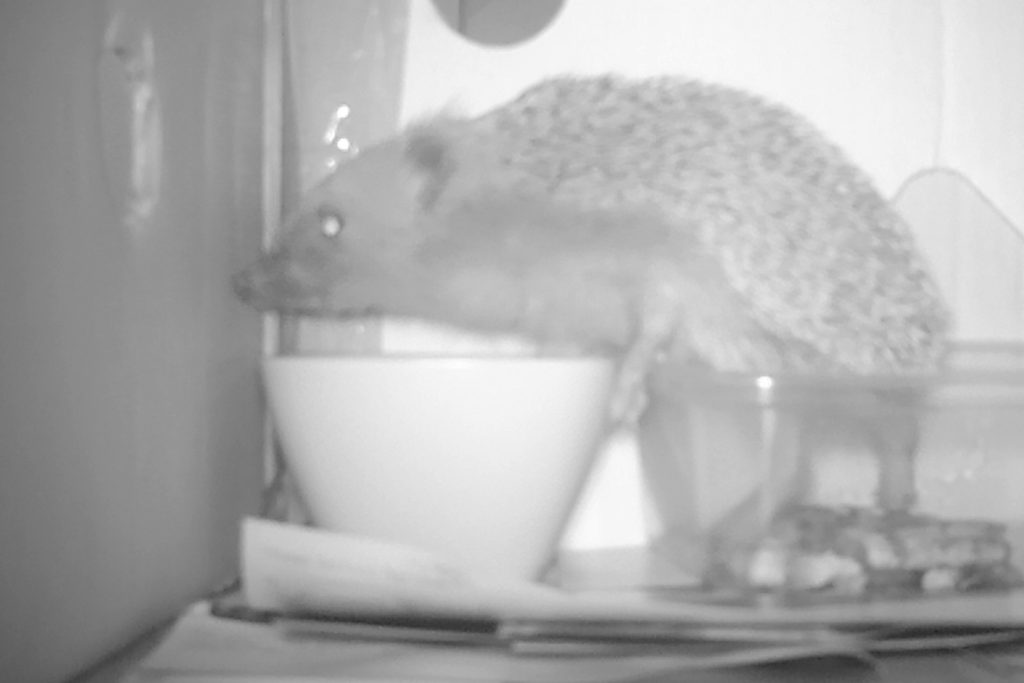
Do not overwhelm the hedgehog with too much food as they don’t eat very much normally. Do not take creatures from the garden to feed the hedgehog as this can make the hedgehog unwell.
Put food in a container that the hedgehog can easily eat out of but that doesn’t rattle when they touch it. Sound can put hedgehogs off of eating so the quieter everything is, the better.
It’s important to remember that the hedgehog might not make it and not to blame yourself if it doesn’t. Do the best that you can to help and get the hedgehog to an expert as soon as you can. If it doesn’t make it through, at least it will likely have died in a more comfortable setting than it might otherwise have done if left alone in the cold. Use sources available to you to make the most appropriate judgement as to whether a hedgehog needs help before taking it from the wild.
Even if you’re not looking after a hedgehog that requires your assistance, it is helpful if you put out food and water for any hedgehogs that decide to stay awake throughout the Winter.