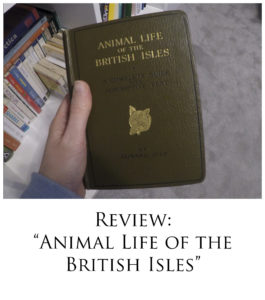


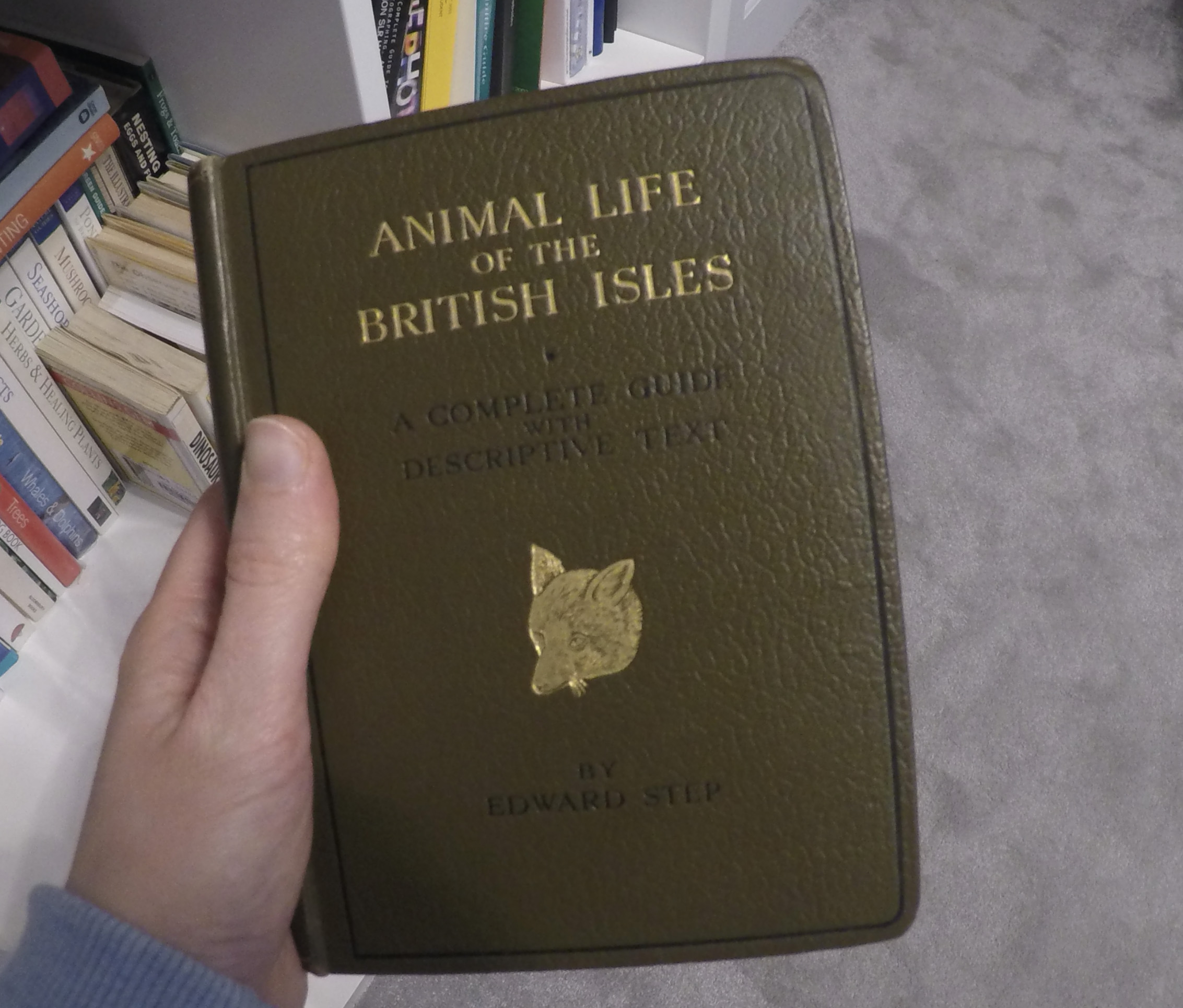
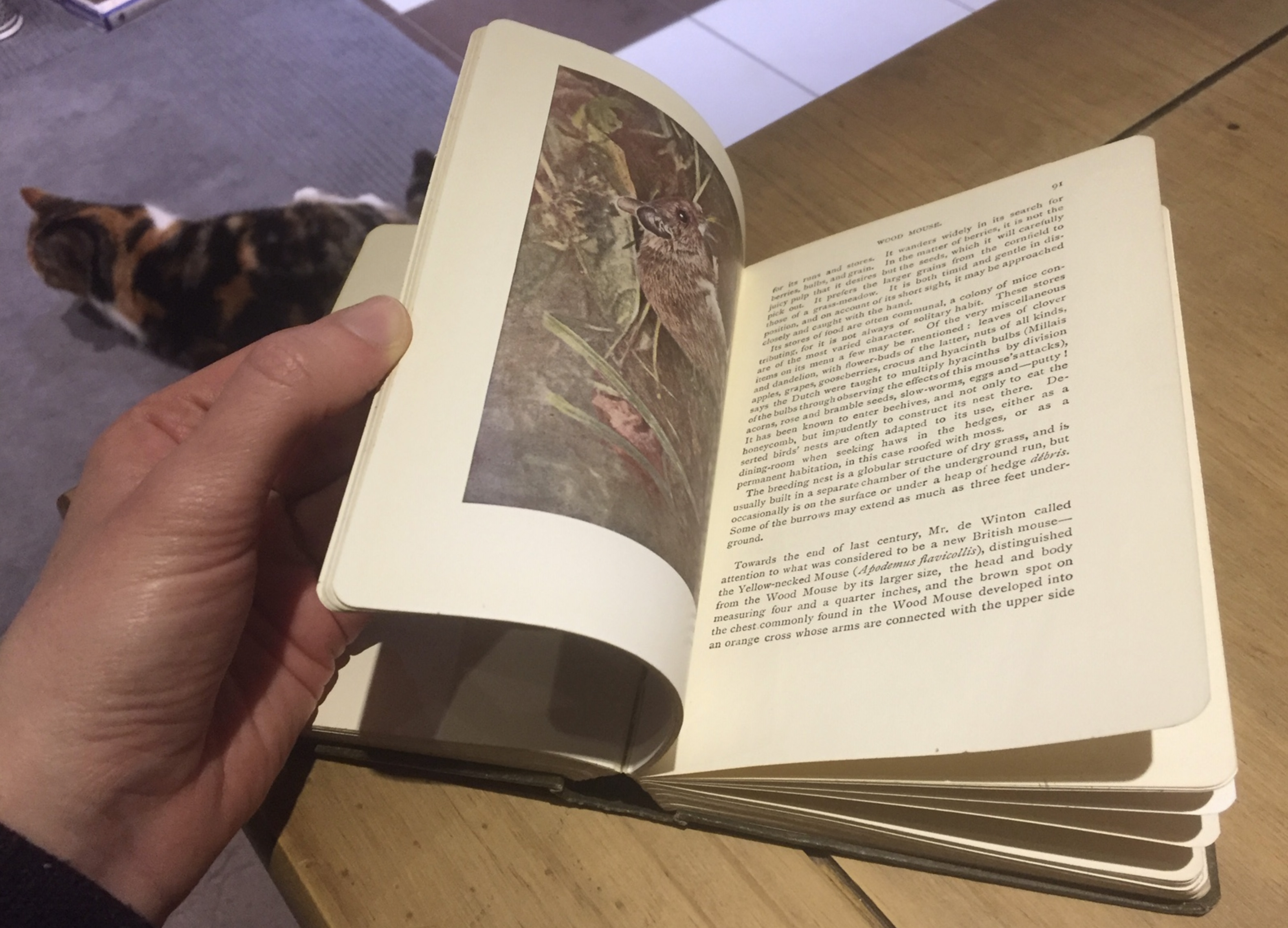
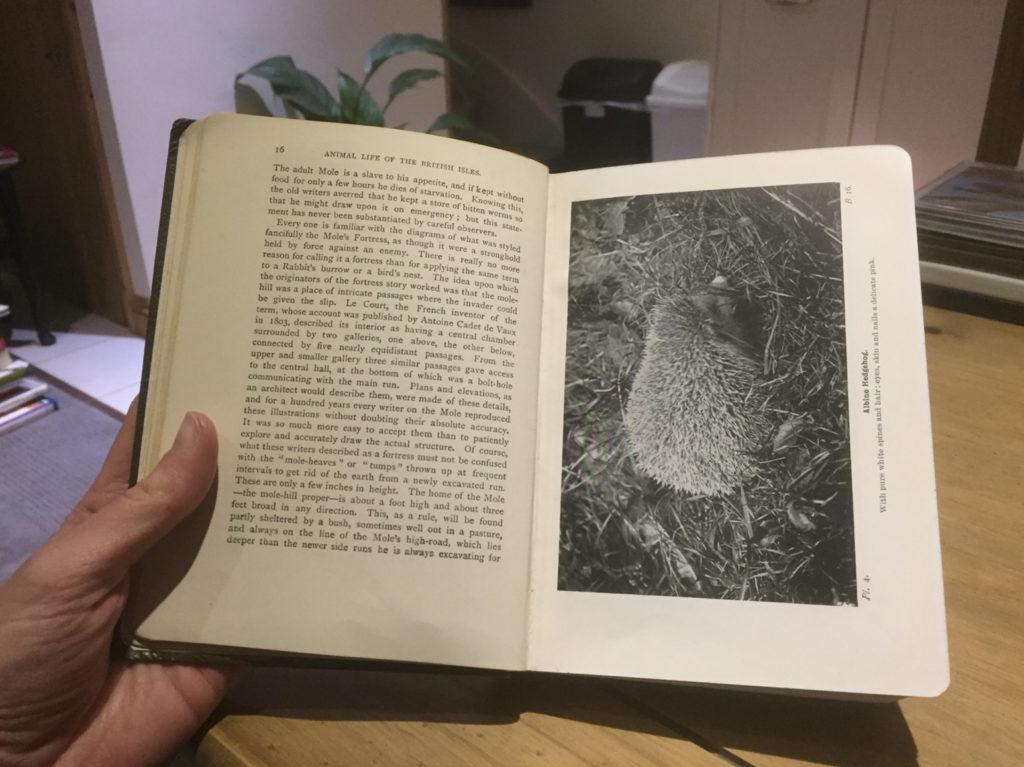
When we speak of old, smelly, attractive and thoroughly entertaining books, a great example is Edward Step’s “Animal Life of the British Isles”. This is a book I hadn’t heard of before but I felt drawn to it once I read just a few snippets. It shows drawings of animal’s skeletons, which is something we don’t currently have in our bookcase and it’s complete with interesting photographs with creative text.
“When we speak of old, smelly, attractive and thoroughly entertaining books…”
The book provides a very visual description of the creatures it discusses: “The few wayfarers who may be hurrying along that road, looking for possible shelter from the pitiless rain, and seeing the Frogs hopping along much as the raindrops bounce, are quite prepared to declare that they came down from the clouds with the rain.”
This book also provides inaccuracies that are humorous to read and give a good bearing on public opinion at that time. The following an example of this in regards to the hedgehog: “He is said to be capable of killing and eating a wild Rabbit ; but, of course, although he runs well, he could never catch a Rabbit unless the rodent were wounded. He is also a good swimmer and climber, not only of trees but of rain-pipes and rough walls, especially where these are creeper-clad.” Sentences such as this is what drew us to this book as it would probably serve well as an entertaining read and a great game to test our knowledge by ‘spotting the facts’.
“Its usefulness is not to be underestimated though as we get so used to our current day state of affairs, it can be easy to forget or be ignorant of how we got here.”
Its usefulness is not to be underestimated though as we get so used to our current day state of affairs, it can be easy to forget or be ignorant of how we got here. For a book initially published in 1921, which in the whole scheme of things is not that long ago, the truth that comes from it is all too shocking: “In some places in the London district a light grey Squirrel may be seen, and thought to be a colour variation of our native species. It is really an American visitor, distinct in colour and without tufts to the ears. Some years ago the caged specimens in the Zoological Gardens, Regent’s Park, had become so numerous that some of them were given their liberty.”
The book speaks of the spread of these grey squirrels from the garden to the park and onto “wooded grounds of suburban residences”. Edward Step’s prediction that “British naturalists of a not-distant future will probably have to include two species of Squirrels in their lists” does not even remotely begin to cover the extent of the problem that has arisen from this initial release.
Own your own copy of Edward Step’s “Animal Life of the British Isles”


Pay a visit to Hay-on-Wye to explore the book shops:

There is something about old books that makes them appeal so much more than any new book. The smell goes without saying. That old musty book smell that makes the reading experience so much more special. The appearance is also appealing as they look like something special and conjure nostalgia in many book-lovers.
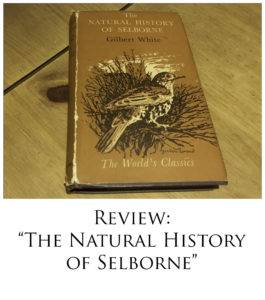
There is something very quaint about our new (or old) copy of “The Natural History of Selborne”. The book begins with poems…something you’re unlikely to find in any modern-day natural history guide. These poems are then followed by a series of letters, which form the remainder of the book.
Within these letters appear the combination of contemplations and facts wrapped up together in the most beautiful archaic English. An example of this is the description by White of swallows: “All the summer long is the swallow a most instructive pattern of unwearied industry and affection; for, from morning to night, while there is a family to be supported, she spends the whole day in skimming close to the ground, and exerting the most sudden turns and quick evolutions”.
“Within these letters appear the combination of contemplations and facts wrapped up together in the most beautiful archaic English.”
Whilst it is worth reading old books with a sceptical eye lest they lead you into believing science that has since been disproved, a book like this is full of observations and therefore perhaps may hold a little more fact than you might otherwise assume. As it is stated in one of the letters “I noted each day the continuance or omission of each bird’s song; so that I am as sure of the certainty of my facts as a man can be of any transaction whatsoever“.
It appears that to confirm sightings at the time, birds were often shot. The idea seems ludicrous to us now but would it have seemed quite so ludicrous if we didn’t have cameras to capture the birds instead or an awareness of the negative impact excessive shooting caused? It is certainly good to have hindsight in our grasp now in order to judge and change.

Whilst I have not yet had the opportunity to read this book in full, I do believe that any book that contains the sentence, “In my visit I was not very far from Hungerford, and did not forget to make some inquires concerning the wonderful method of curing cancers by means of toads.” deserves to be immediately bought and forever treasured.
Own your own copy of Gilbert White’s “The Natural History of Selborne”


Pay a visit to Hay-on-Wye to explore the book shops:
Last month we had a couple of nights stay in Britain’s ‘book-shop’ town, Hay-on-Wye.
Cosied on the border between England and Wales, Hay-on-Wye enjoys the charm that only a book-shopper’s heaven can afford. Sadly it is not immune to the onset of technology that brings us further away from a life of books and very quickly into a computerised world. Computers do not carry the same romantic notion as a book. They don’t have that distinctive smell that one can only locate between the pages and is not so pleasant to hold. Computers do, however, offer the unique opportunity to carry an entire library around on your person. I can see why this appeals to so many people.
There are some of us traditionalists remaining though and thank Goodness for the Hay-on-Wye haven that affords us the chance to embrace our addictions to full capacity without judgement from book-sellers or our fellow shoppers.
The Embrace Nature UK book collection is already vast but who can resist adding more books to the already full-capacity bookcases? Not us, that much is for sure!

As we have become older, our way of shopping for books has changed. Once upon a time we went for volume – as many books as possible for as little as possible. We would lean towards wildlife photography books with lots of pictures rather than scientific prose.
It might have been ten years since our last visit to Hay-on-Wye and this time we purchased six nature books. Three of these were very old and all of them informative.
Out-of-date scientific books must be approached with caution. So many new things are being discovered regularly that it is often not long before so-called facts as well as theories are shown to be inaccurate. This is not an issue for general interest but if factual information is needed, the only way forwards is corroboration. As a result these books can be enjoyed but the internet then comes into play so we can check our facts.

“Out-of-date scientific books must be approached with caution. So many new things are being discovered regularly that it is often not long before so-called facts as well as theories are shown to be inaccurate.”
My favourite room in Hay-on-Wye is the antiquarian book room in the Hay Cinema Bookshop. Introduced with a sign exclaiming “browsers welcome”, the room often anticipates only the most avid book-collectors to make a purchase as many of the books are extremely old, precious and whilst not exactly priceless, do come with a hefty price tag. Fortunately on this occasion I closely inspected the antiquarian room’s natural history books and found a couple of real gems.
If you have ever found yourself in the natural history section of a second-hand British bookshop, there is a very good chance that you have also been faced with several copies of Gilbert White’s “The Natural History of Selborne”. For years this seemed peculiar to me until I discovered that White’s manner of study and writing was a first for nature books and it is now renowned as one of the most influential natural history books ever.
When I learned this, I felt that I ought to own a copy. Well, in the Hay Cinema Bookshop, I located just the copy for me, so just five pounds later, I was the proud owner of this unique book.
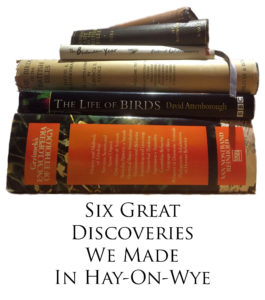
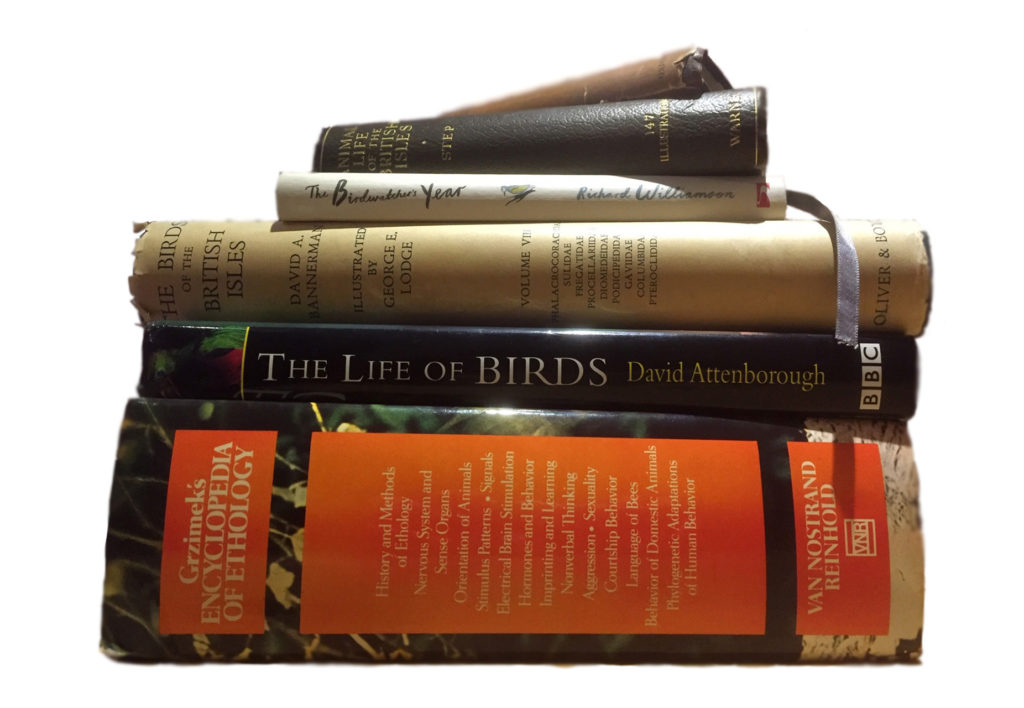
Within our day of book shopping in Hay-on-Wye, we also found ourselves owners of Edward Step’s “Animal Life of the British Isles”, Richard Williamson’s “The Birdwatcher’s Year”, Bannerman and Lodge’s “The Birds of the British Isles; Volume VIII”, David Attenborough’s “The Life of Birds” and Grzimek’s “Encyclopedia of Ethology”.
Each of these books has something different to offer, which is why we are going to review all of them in up-and-coming blog entries.
Own your own copy of these books:
Gilbert White’s “The Natural History of Selborne”
Edward Step’s “Animal Life of the British Isles”


Richard Williamson’s “The Birdwatcher’s Year”


Bannerman and Lodge’s “The Birds of the British Isles; Volume VIII”


David Attenborough’s “The Life of Birds”


Grzimek’s “Encyclopedia of Ethology”


Pay a visit to Hay-on-Wye to explore the book shops:
‘WHAT I GOT FOR CHRISTMAS’
PART ONE


Christmas often brings a lot of nature-related gifts to my stocking. As David Attenborough is a giant amongst naturalists, it’s no surprise that one of his DVD box sets features amongst those gifts.
Dynasties follows five groups of animals as they struggle to survive and provide a future for their offspring. This beautifully shot series made me “ooh” and “aah” in amazement as the dramatic action unfolded and I was given a front seat to never-before-seen intimate footage of otherwise familiar animals.
Dynasties maintains the same high standard of wildlife-filmmaking as previous BBC nature documentaries and again makes us wonder…”what would we ever do without David Attenborough?”
Each of the episodes are gripping and taught me something new…a quality I look for in wildlife documentaries. The footage is incredible as a result of the latest technology being used to capture all aspects of these animal’s lives.
The only thing I didn’t like about this documentary is the over-use of the word “dynasty”. The concept works though. It has given us a chance to appreciate how the power of one lioness can keep a pride together and how a chimpanzee can fight from the brink of death to maintain its status at the head of its group. The unusually personal footage of the female tiger and her cubs is utterly endearing and wonderful to see.
Whilst there is a variation in the species focussed upon (chimpanzees, lions, penguins, painted wolves and tigers), it might have been nice to see even more variety. I am biased as orcas are my favourite of all animals, but an episode on orcas could have been incredible to see and would have been relevant to the concept.
Some of the most interesting parts of the programme are the ‘behind the scenes’ aspects. Who wouldn’t want to know how this amazing footage made it onto our television screens?
Sometimes a little controversy can accompany the ‘making-of’ portion of the programme as the question of whether to intervene in life or death situations is widely discussed.
The ‘Dynasties’ film crew received some criticism for helping penguins trapped in a hole of ice. I think it’s quite safe to say that the BBC experts understand the consequences of intervening and whether a situation calls for it. On this occasion the help seemed appropriate and I breathed a sigh of relief as the penguins waddled to safety. Nature is brutal though and at times when an average person may want to rush to save the day, it is not appropriate to interfere. The BBC understands this concept all too well.
One thing all of these epic BBC wildlife documentaries really achieve is attracting an audience that includes people who otherwise are not interested in nature. Much alike to Blue Planet II and Planet Earth II, Dynasties becomes an event that must be seen by everyone, regardless of whether they are normally interested in nature.
This front-row seat to these animal’s lives educates us in the most spellbinding manner. Long may the BBC continue to work their magic and keep our curiosities fulfilled with these excellent-quality programmes.
Get the accompanying book:


Read more:
Should the team has rescued the penguins? Learn more here.
When you need a barrier against rain, wind, the freezing cold and angry pecking birds, what do you wish you had?

A windy day on Benbecula
If you’re like us and spend a lot of time out of doors, you’ll know that sometimes a scarf doesn’t quite cut the mustard. If you’re climbing a mountain in high winds and need to get to an inside pocket of your jacket or need to adjust the layers you’re wearing, the last thing you want is a scarf flapping about in your face.
Learning Lessons
Before my purchase of light-weight, speciality walking clothes I wore heavy and impractical clothing that not only made hiking harder, but actually made walking more dangerous.
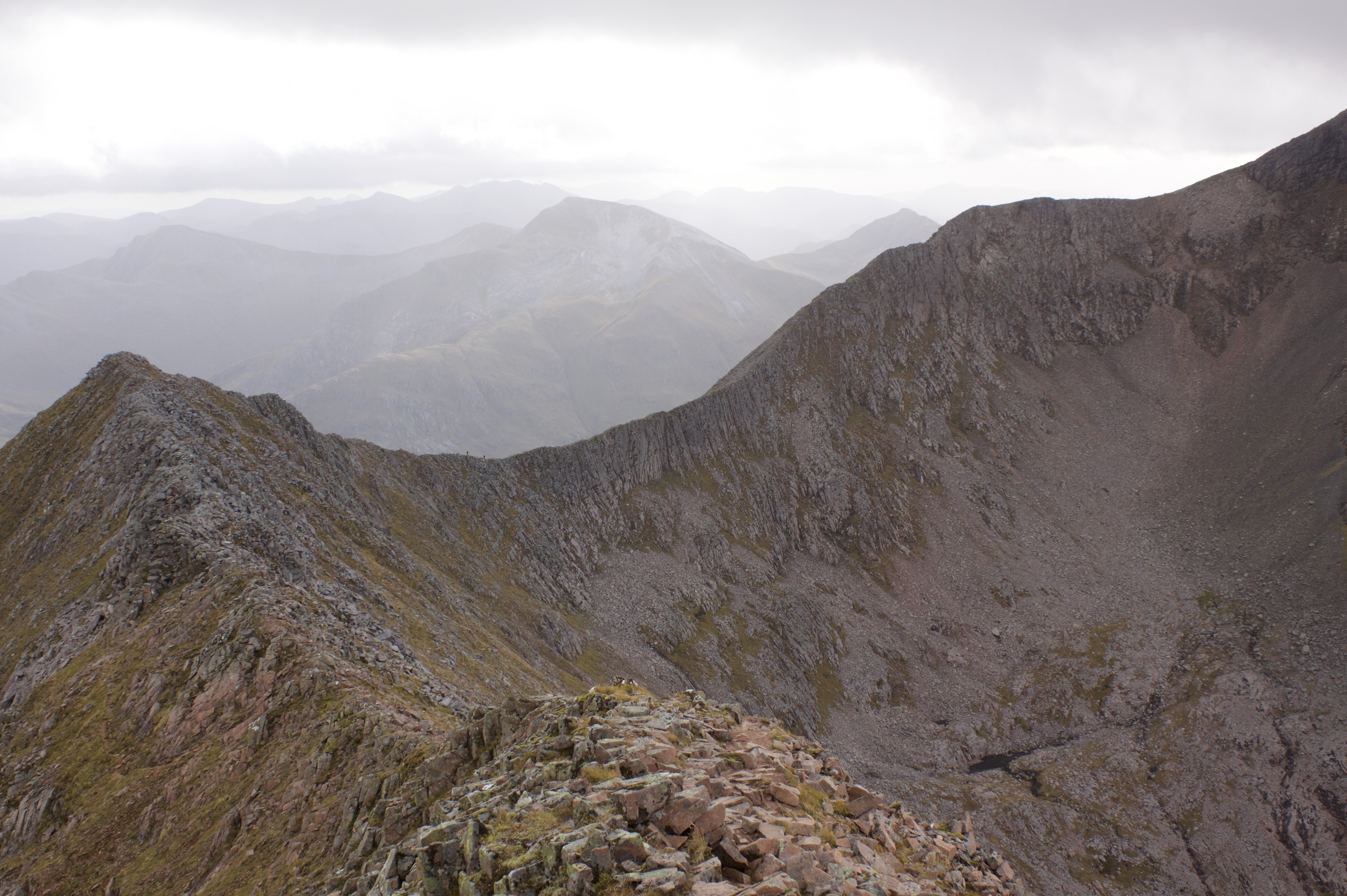
The CMD Arête on the way up Ben Nevis
Years ago, a walk up Ben Nevis that went wrong became a major lesson for us in how to properly equip ourselves. It’s easy to scoff at British mountains as they are very small in comparison to mountains elsewhere in the world, but they’re still not to be taken lightly.
Back then we wore heavy clothes, I was carrying a bag of camera equipment and didn’t have a proper OS map. When we changed course to follow a couple of walkers who suggested an alternative route up, we quickly found our clothes and equipment were so heavy that after a near vertical climb up to the arête, we were exhausted.
After heading up the north face and over the CMD arête we made it to a set of boulders that we didn’t have the capacity to clamber up. At this point the sun was setting and it began to snow. There was no one else around to help us out with the route and as we were tired and hungry we started to make poor decisions. We ended up seeking advice from mountain rescue who were then obliged to come and meet us to make sure we got back safely.

The CMD Arête
Over the years we analysed our mistakes and started improving our equipment. We learnt to travel lighter and only carry necessary items. The Buff was one of the first items that I purchased, which promoted this lighter way of walking.
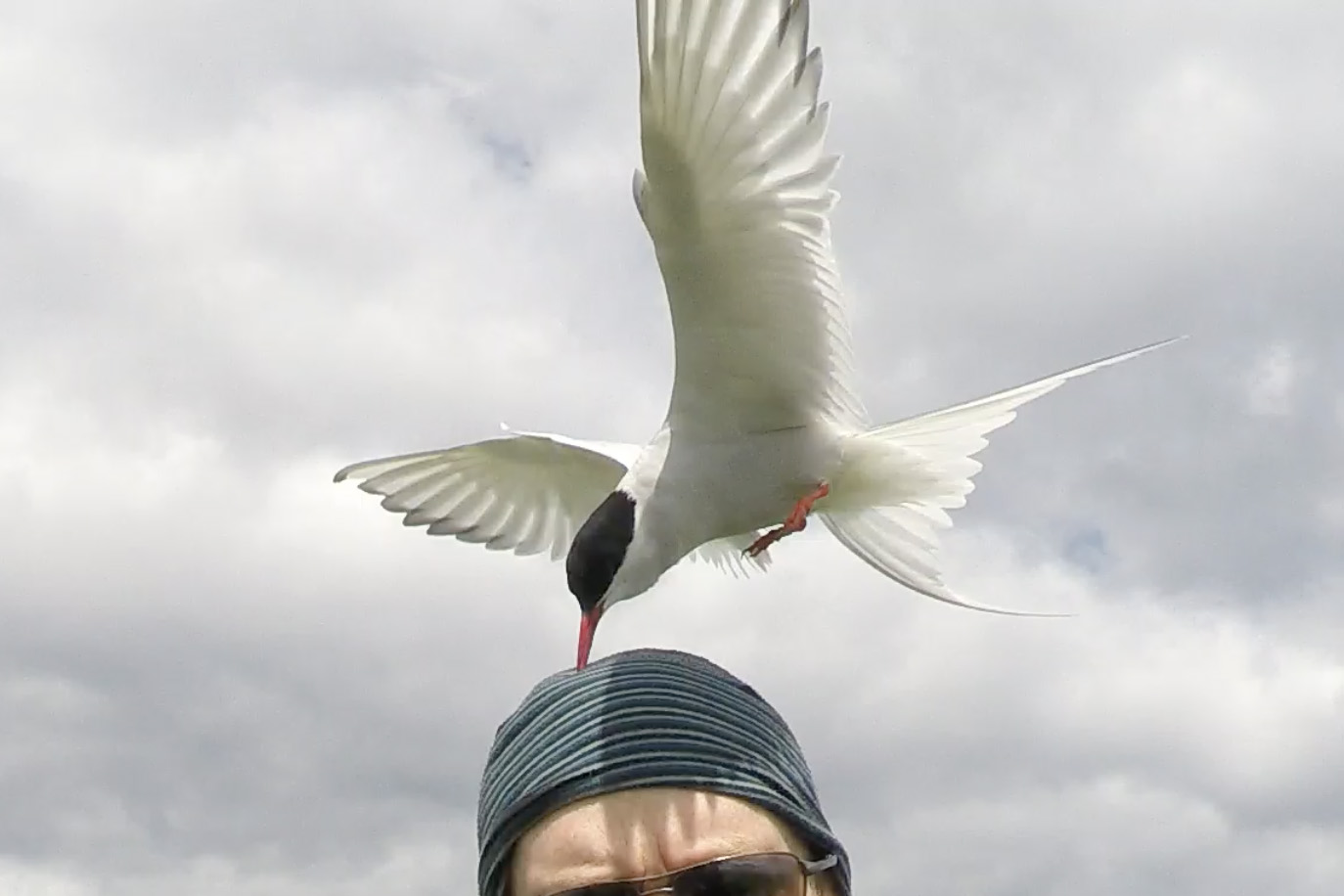
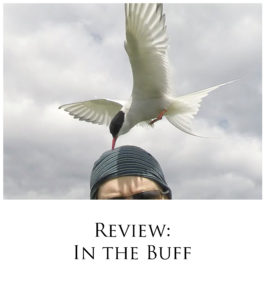
A Buff hat offering protection from a Tern on Inner Farne
Outings With Our Buffs
Much of our walking is done in Winter so having layers and lots of them is essential! The Buff protects against the cold and can act as a scarf, it can help you breathe when walking against high winds and can be used as a hat when you want something over your head and ears.
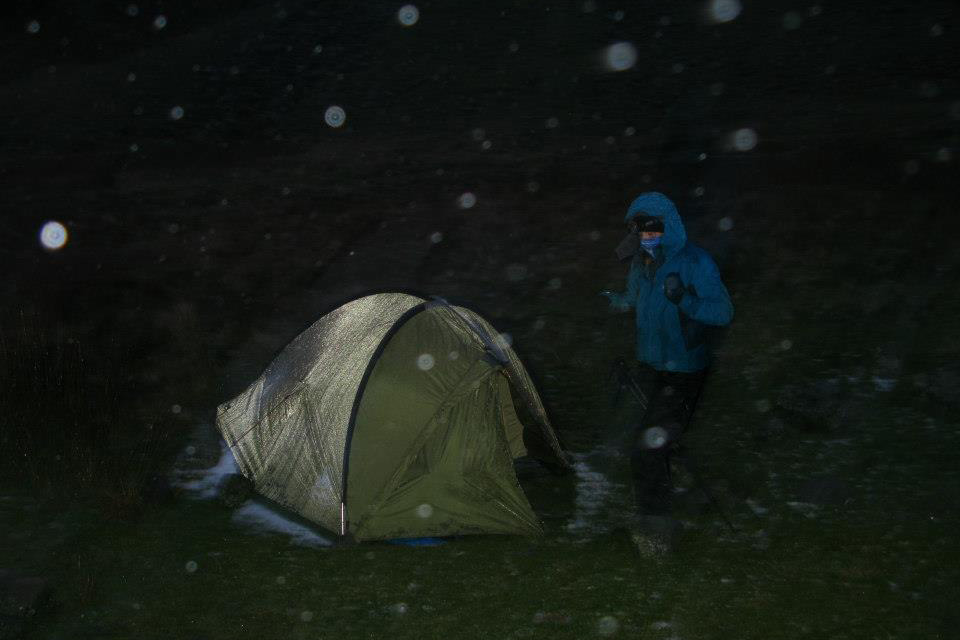
My Buff doing what it does best during a snowy night on Snowdon
Buffs are promoted as being multi-functional and therefore can be worn in lots of different ways. This makes them suitable for hot and cold weather as can protect you against low temperatures and from the sun.
The Buff fits nicely into my jacket pocket and takes up very little space, which makes it handy as it’s right there when you need it but isn’t a burden in any way.
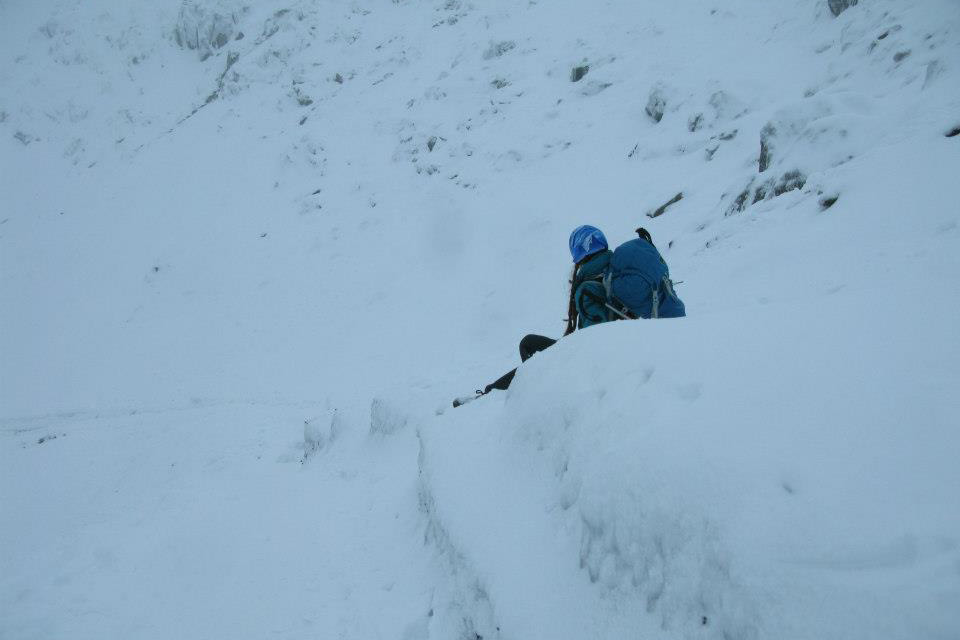
Clambering down Snowdon
Years later, after purchasing my Buff, I sought a new hat. Well, who are you going to call? That’s right, a trip to my favourite walking shop got me a Buff hat. Again, it’s light-weight, takes up hardly any room, is comfortable and lined with soft material that caresses my head in the chilliest of weather and (I think) it looks pretty good too!
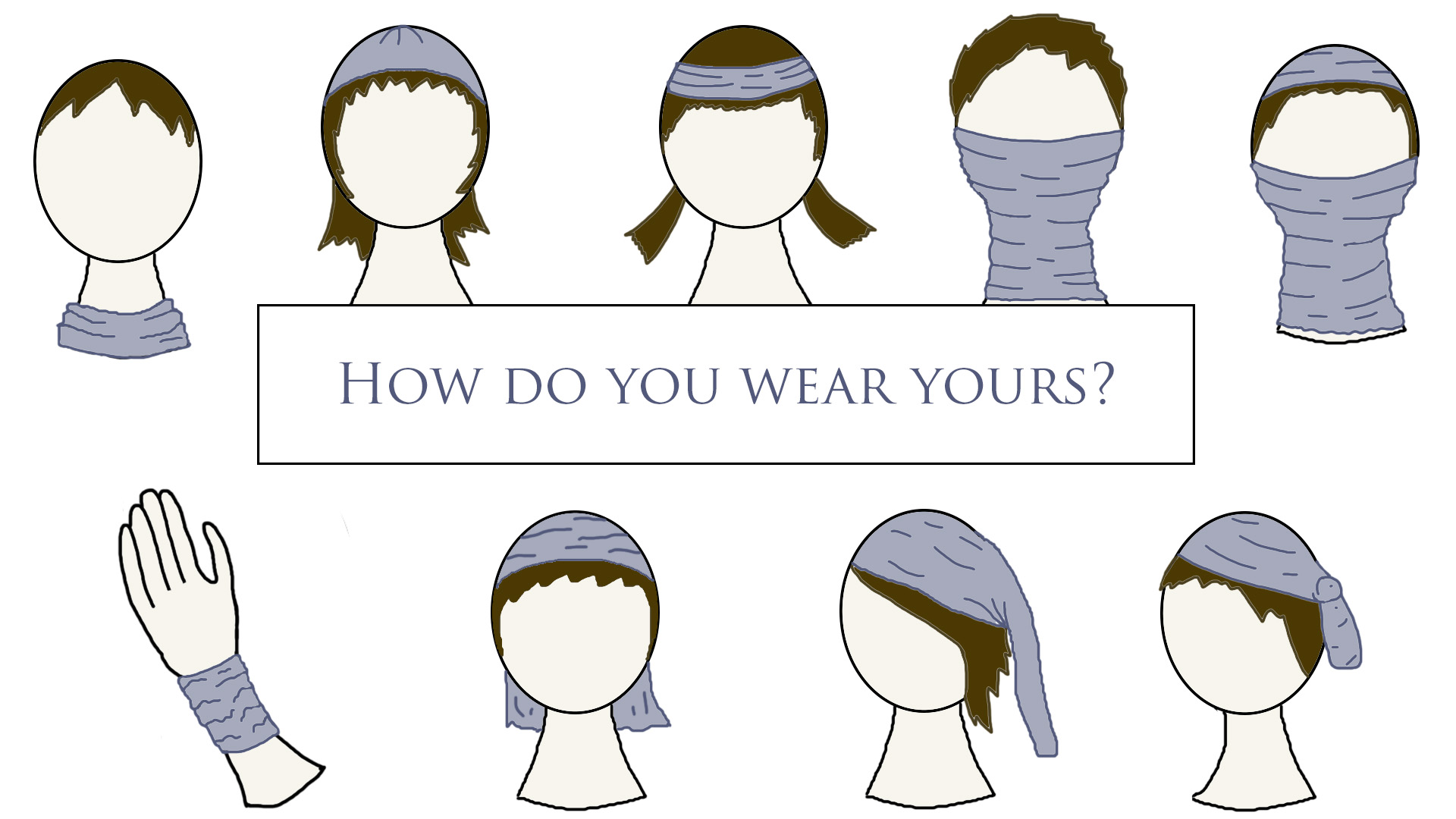
My Buff and Buff hat have become two items I wouldn’t dare venture out for a walk without. You never know what weather to expect in the UK when out walking but a Buff has been created with hot and cold weather in mind. I believe that all outdoor-lovers could benefit from having a Buff as it makes outdoor activities more comfortable and that bit safer by keeping the warmth in when it’s cold and keeping the sun off when it’s too hot.

Climbing Snowdon during Spring
We love going to Scotland and there are two brands that stand out on any visit to the Scottish Hebrides – Co-Op and Ecover. Both are deemed ‘environmentally-friendly’. For island life, it seems to make sense to use something that supports a connection with nature when such a level of isolation insists upon the use of septic tanks. There are lots of reasons why we can benefit from embracing more environmentally-friendly products elsewhere though.
Many cleaning products contain chemicals that can be harmful to both us and the environment. There are other companies out there that support a more nature-friendly way of making their products though we have chosen to look at Ecover as they are well-known and their products are more readily available in local supermarkets.
On their website Ecover specify different ways in which they aim to reduce the negative impact that they have on people and nature. Amongst these is their intention to stop using any single-use plastic and instead have all their bottles made from recycled plastic. With such focus on the issues around plastic in the world at the moment, Ecover seems to push themselves beyond what is required from them by law and they appear to strive many steps further.
Ecover’s environmental message began in 1979 when they launched the first ever phosphate-free washing powder. It has taken until 2017 for this to be introduced into European Law. You might ask, what are phosphates and why are they harmful?
Phosphates are chemical compounds that are essential to life as contain phosphorous, which is important to animal and plant life as enables them to grow. The problem arises when too much phosphorous is introduced to an environment. One of the more prominent examples of this is in water. Algae is vital for many aquatic creatures to survive but a sudden boom in the growth of algae will reduce the amount of oxygen in water; therefore leaving aquatic life struggling to breathe.
Even after eliminating the use of Phosphates, a lot of household cleaning products still voice the potential for damage to nature on the bottles but many people may still shy away from gentler products with the fear that they don’t finish the job to the same standard.
Therefore we thought we’d find out once and for all, how do Ecover products perform in comparison to the items that sat under the sink before them?
We started with Ecover’s Lemon and Aloe Vera washing-up liquid. It burst into frothy, soft, lovely-smelling bubbles straight away, which we found to be better than some of the cheaper products available in supermarkets. The liquid is not just nature-friendly but hand-friendly too, making washing-up a slightly less traumatic experience for these hard-working hands. When we read further on their website, we realised that it appears this is no accident.
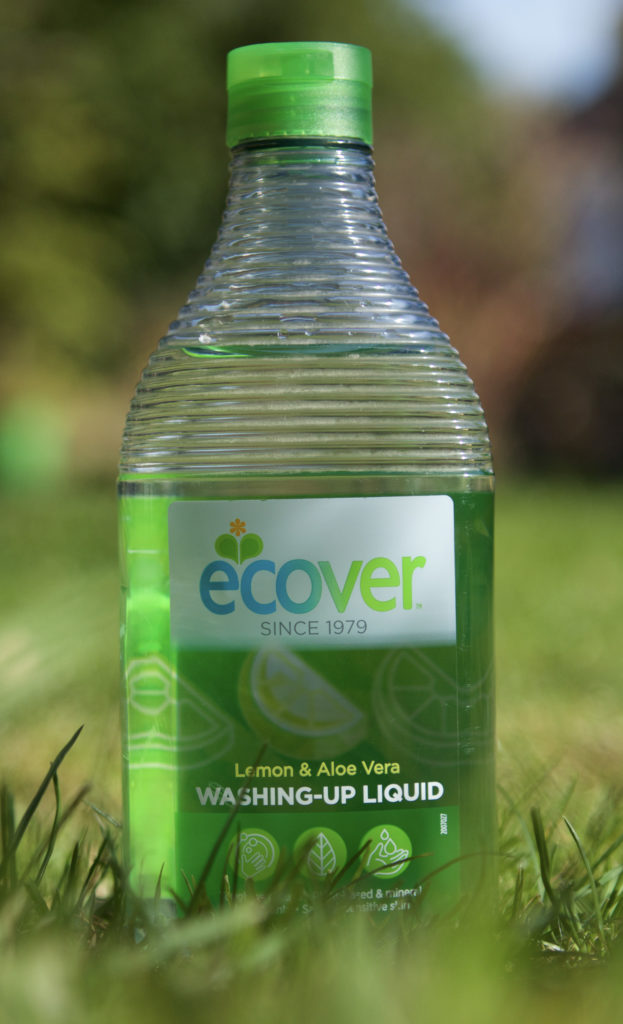
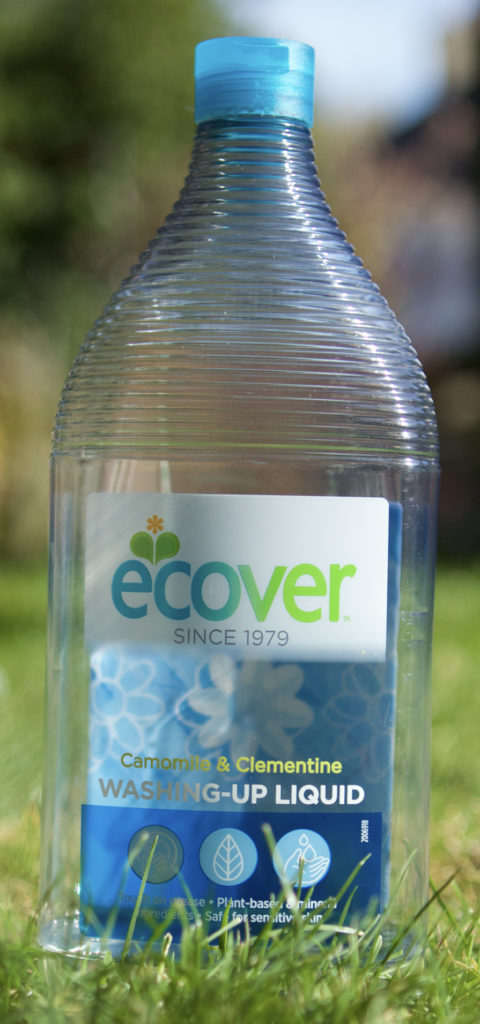
The dishes came out just as clean as our usual brand so we’re convinced by the washing up liquid straight away. The only downside is that we used it rather quickly so for the next purchase went for the 950ml Camomile and Clementine rather than the 450ml bottle we tried first. This has all the same benefits as the smaller bottle but is lasting much longer at a reasonable cost.
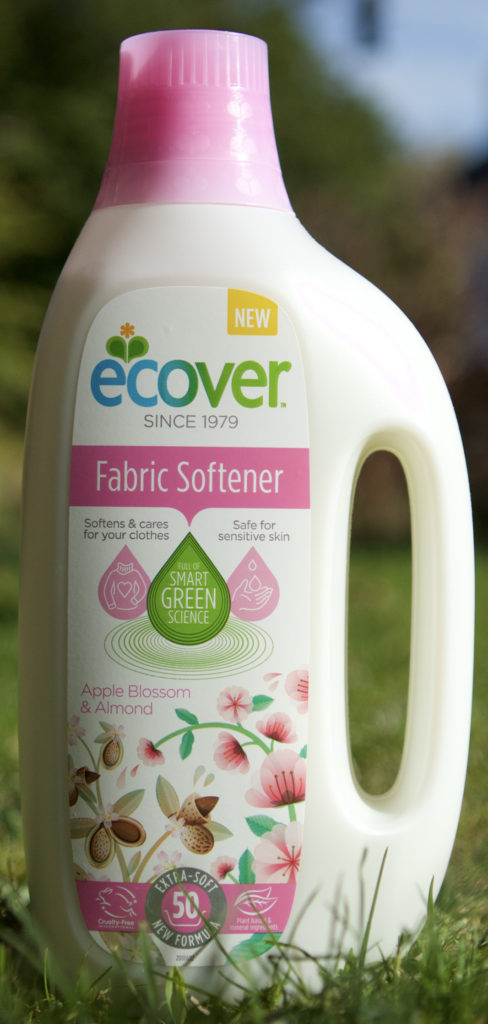
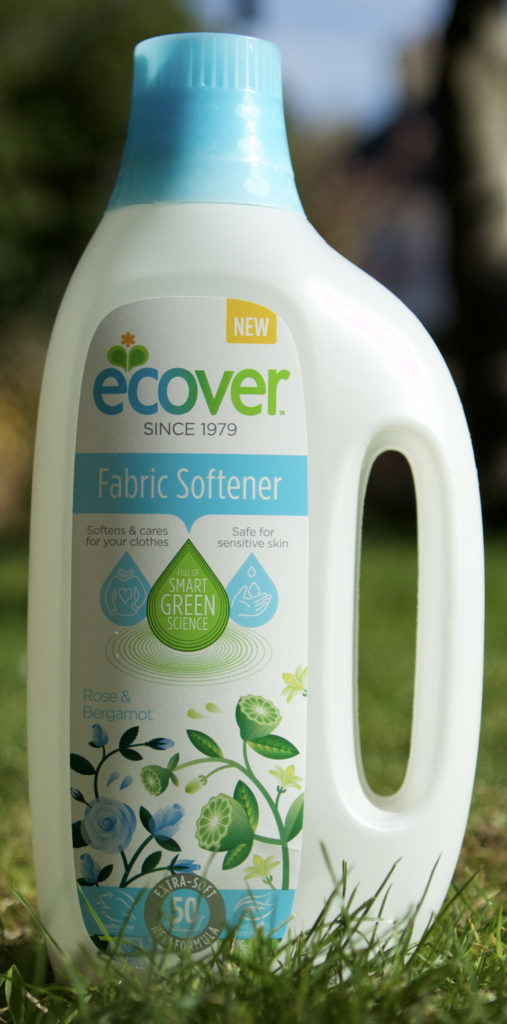
Next we look at the washing conditioner. We think that the washing smelled even better than usual and the clothes were plenty soft enough. What more is there to judge washing conditioner by? We’re happy!

Last but not least we tested out Ecover’s toilet cleaner. Whilst we can’t know how well it’s cleaning, it certainly smelled nice though didn’t bubble as much as other toilet cleaners we’ve used. This most probably is to do with the fact that the components of the toilet cleaner are, well exactly that…cleaner. Ecover’s philosophy is to be clean – to have a “Clean Business”, “Clean Plastic”, “Clean Water”, “Clean Sourcing”, “Clean Ingredients”, “Clean Fragrances”, “Clean Design” and “Clean Manufacturing”. If we have to sacrifice a few bubbles in our toilet to be more environmentally-friendly and embrace that philosophy, it seems worth it.
For More Information on Ecover Products
If after reading this blog you feel you’d like to know more about Ecover products, why not visit their website and think about making a change yourself?
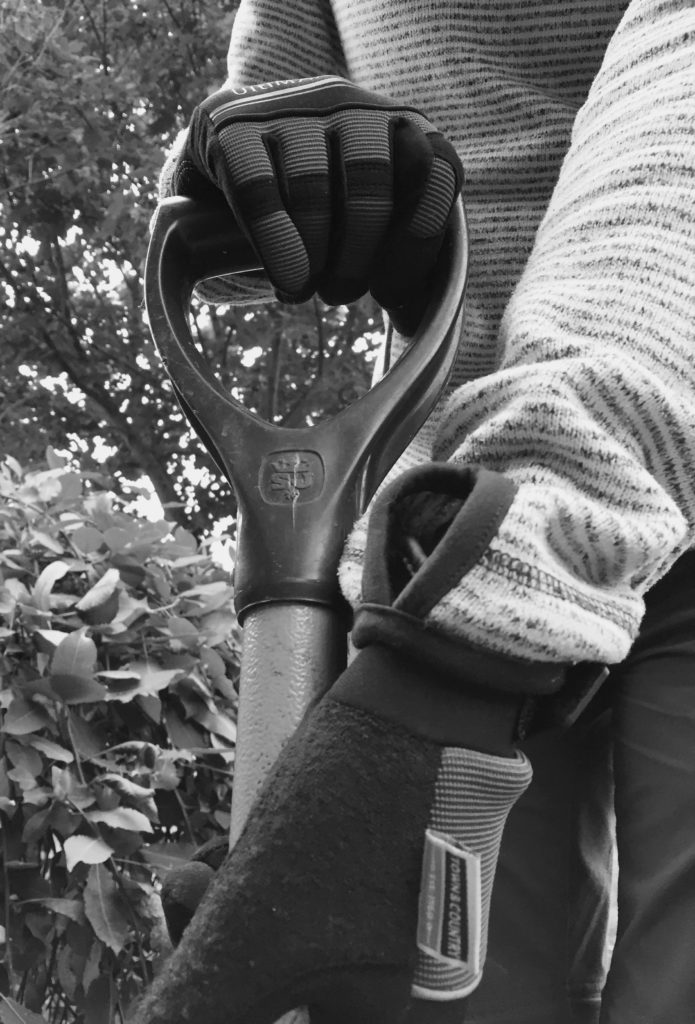
One year winter was coming and a friend of mine said that it’s time she bought a pair of gloves as she had none. I couldn’t understand this as I have gloves ready for every occasion. There are the gloves that I wear out for a day with friends or family, the gloves I wear for running, fingertip-less gloves for photography, thick gloves for walking, waterproof gloves for bad weather and gardening gloves for when the weather improves. For each of these activities I have more than one pair of gloves as after all, as it’s said “one is none, two is one”.
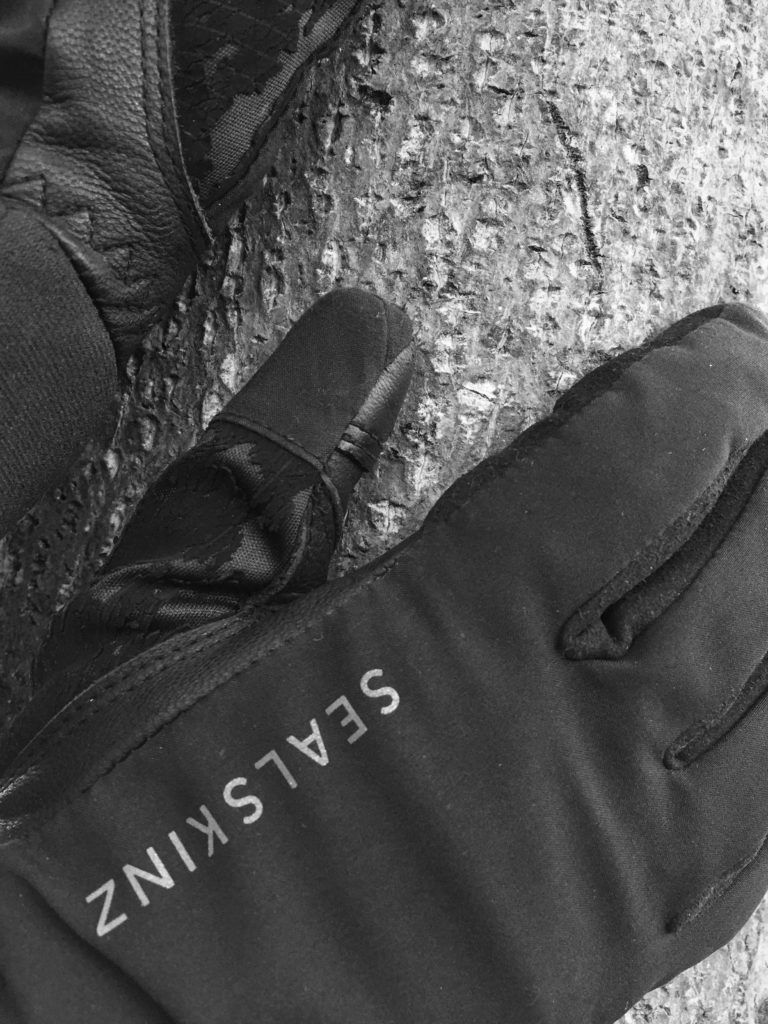
Even in the middle of summer it can be cold in the early hours so gloves can be vital year round. I have found a certain affection for clothing that supports my love for the outdoors and once I’ve found something that works, I see no reason to stray from it when purchasing replacements once I’ve worn the old ones out.
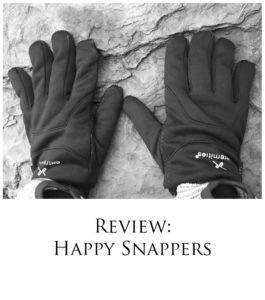
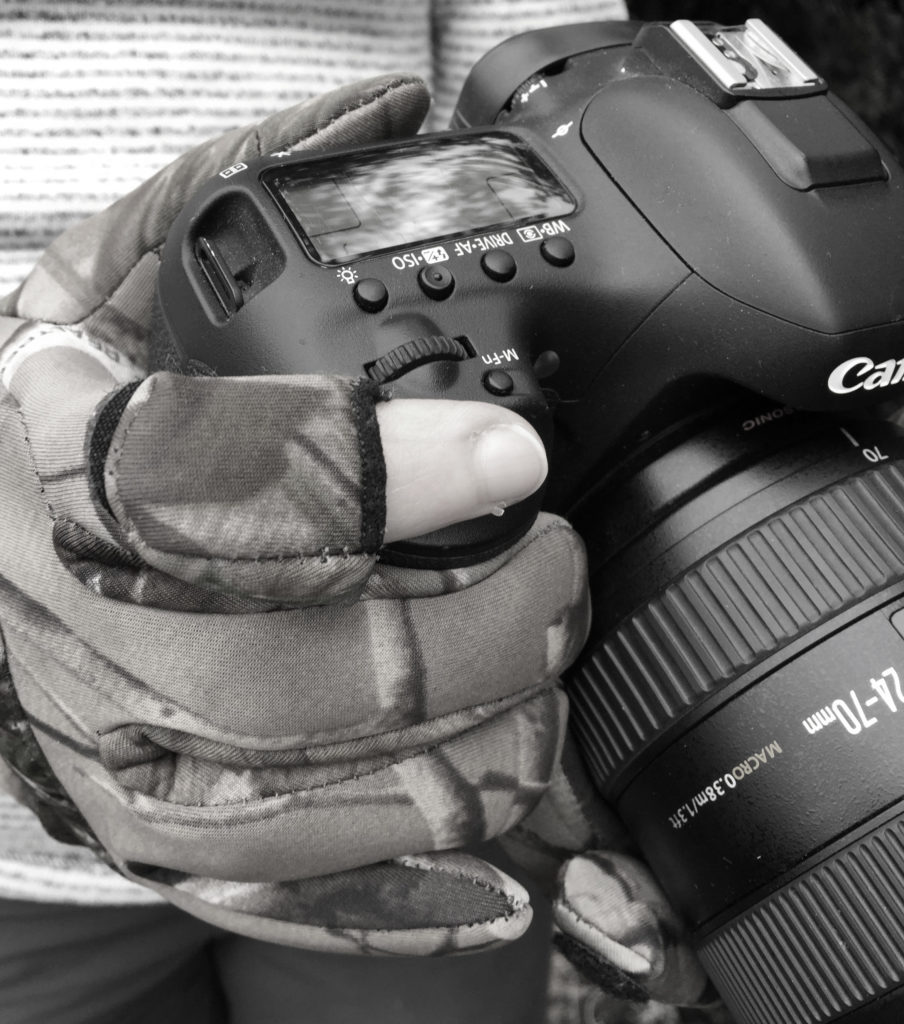
It’s surprising how well a camera can still be operated when wearing gloves but there will always be some styles that aren’t ideal for this purpose. There’s no point having a pair of gloves in your bag that you can’t use in a hide because you’d have to remove them to operate the camera. I normally begin with my ‘Sealskinz’ waterproof gloves if I’m outside rather than in a hide. I then tend to move on to my ‘X Dry’ Extremities gloves when my hands need to get toasty quickly. I often opt for fingertip-less gloves when in a hide and then again move to the Extremities when it gets colder. Whilst they’re thick I can still operate the main keys on the camera.
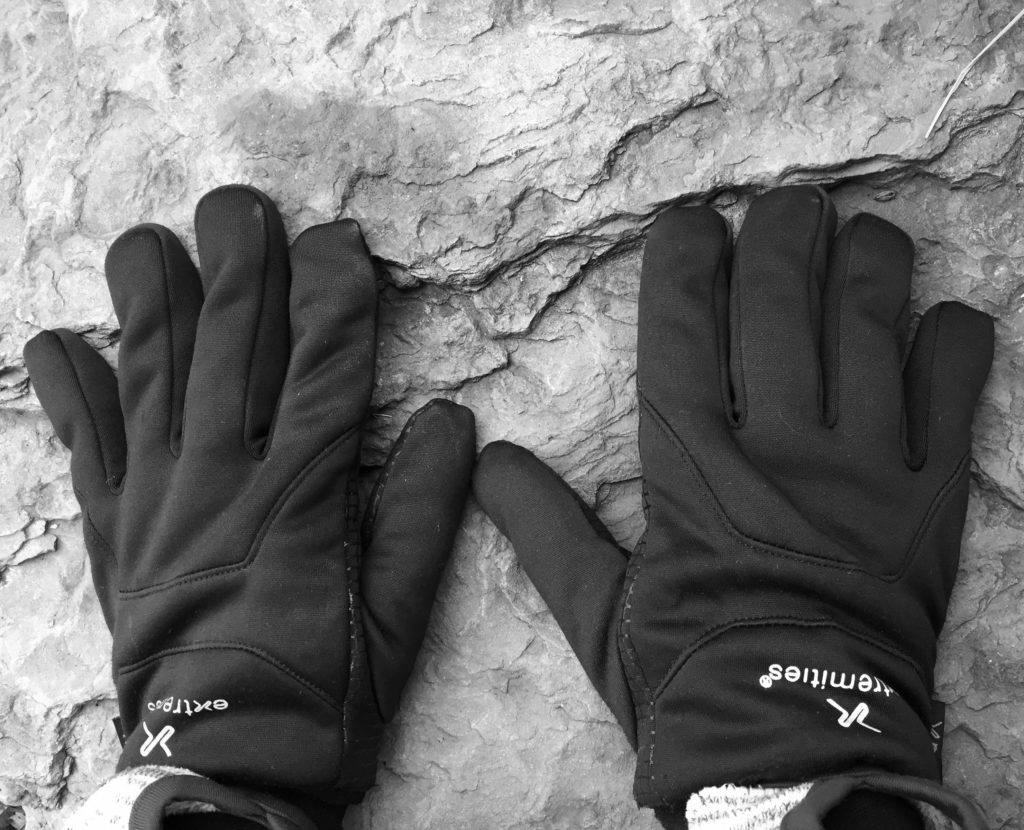
I suffer from Raynaud’s, which is when your circulation is affected and for me personally, this means my fingers turn white when I get cold. Before this started happening I purchased Garlands Neoprene Shooting Gloves for photography, which works well as you can velcro back the part covering your index finger so your shutter finger is free. Whilst they’re waterproof, they’re not very warm so if you also suffer with Raynaud’s they might not be as appropriate in colder weather.
Over the years I dabbled with hand warmers though what you choose again depends on your activity. For a re-useable hand-warmer that provides a quick burst of heat, I find self-heating gel cushions (that have a metal plate inside to activate the gel) work really well. This is particularly good if you have been out in the wild and then want to warm up when you’ve returned to the car or a tent. They also work well if you only feel cold because of a prolonged period of time outside rather than being cold for the entire time that you’re out and about.
For a lengthy cold stint it is better to have something that will last for hours. I marvelled at the genius behind the Whitby and Co Hand Warmer, which you fill with lighter fluid, light and then pop in its soft protective bag to hold on to for as long as you need toasty hands.
So whilst one item cannot cover all bases, a selection of the right products can make for a far more comfortable time out of doors. After all, happy hands make a happy adventurer.
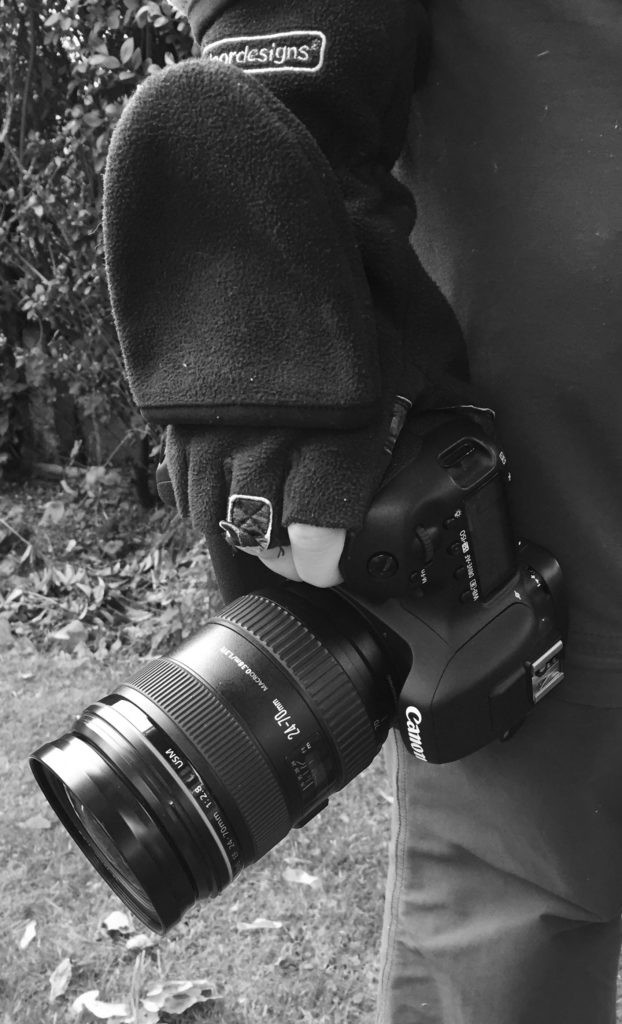
If you are interested in the gloves mentioned in this blog post, you can look into purchasing these or something similar below: