Almost anyone can pick up a camera and take a photograph but what is required for that photograph to turn out well? For years I claimed that it didn’t matter which camera you use. I thought that how well a photograph turned out depended entirely on the photographer. This may have a little bit of truth to it. My nan loved taking photographs but many of them were missing people’s heads. If you gave her a modern-day, top-of-the-range camera, I doubt that it would have magically improved her composition. However, on the flip side, I spent years using my Canon EOS 50D (a camera released in 2008) whilst claiming that it still took perfectly good pictures. It wasn’t until I received my Canon EOS 7D Mark II and a nice new Canon lens that I learnt differently.

The temptation when getting any camera is to pop in the battery and start using it without actually reading the manual. Whilst the manual looks long and boring, working through it with your camera in hand can actually pay off when you’re in the field.
When taking photographs of wildlife everything can happen very quickly, such as the action that you don’t expect but that makes the very best photographs. This is why you want to be able to operate your camera without even having to look. It should be second nature; alike to finding your way to work whilst half asleep in the mornings.
For me, getting the Canon EOS 7D Mark II was extremely exciting but also a little daunting. There are a large amount of options within the camera that require exploration. The majority of my life as a keen wildlife photographer has been during the film age so the introduction of multiple menus has significantly changed the way that I view photography.
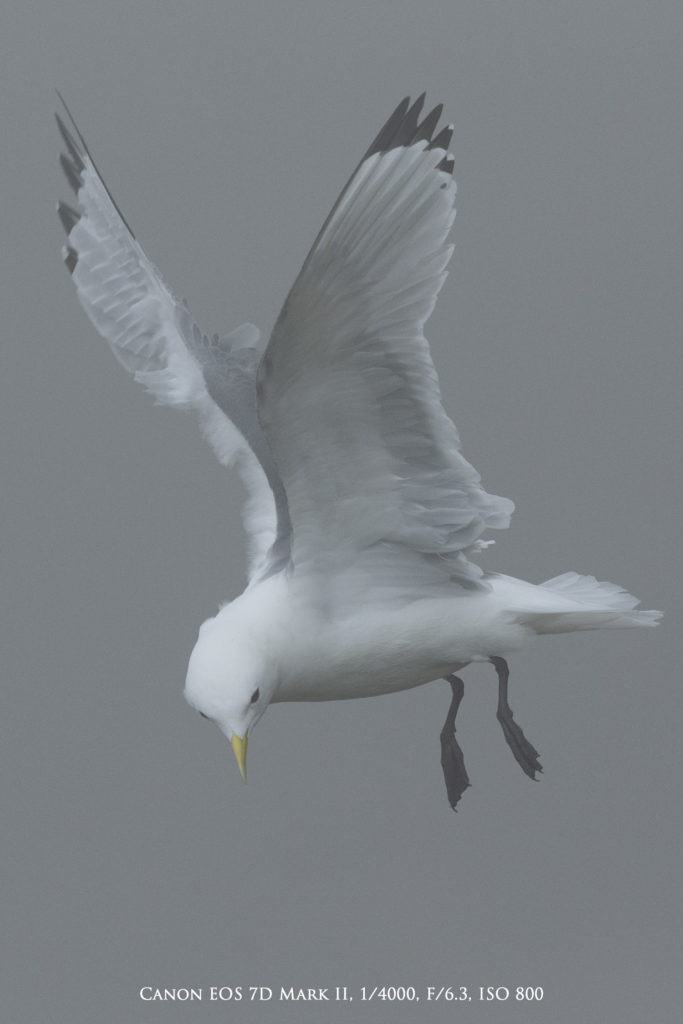
When using the new Canon camera, there were several things that jumped out at me. For starters the quality was exceptional. One of my first tests of it was at (RSPB) Bempton Cliffs in the East Riding of Yorkshire at around 5am when we were promised sun but found only thick fog. I wasn’t completely familiar with the camera by that point and yet still got shots that had me marvelling at how sharp this camera and lens combo could be.
The autofocus on modern-day cameras is there to make your life so much easier. The Canon EOS 7D Mark II has 65 autofocus points, which contrasts heavily with the Canon EOS 50D, which has just 9; a huge benefit for any photographer that has been achieved in just 6 years.
With technology advancing so fast, the average mobile phone can produce an impressive photograph, so when it comes to digital SLRs, the changes feel even more significant. When photographing birds in flight, for instance, the autofocus points and the use of AI servo really proves its worth. By keeping your finger on the autofocus button when following a bird or animal, the focus points follow the movement, which from my experience, allows you to come home with a memory card full of mostly sharp images.
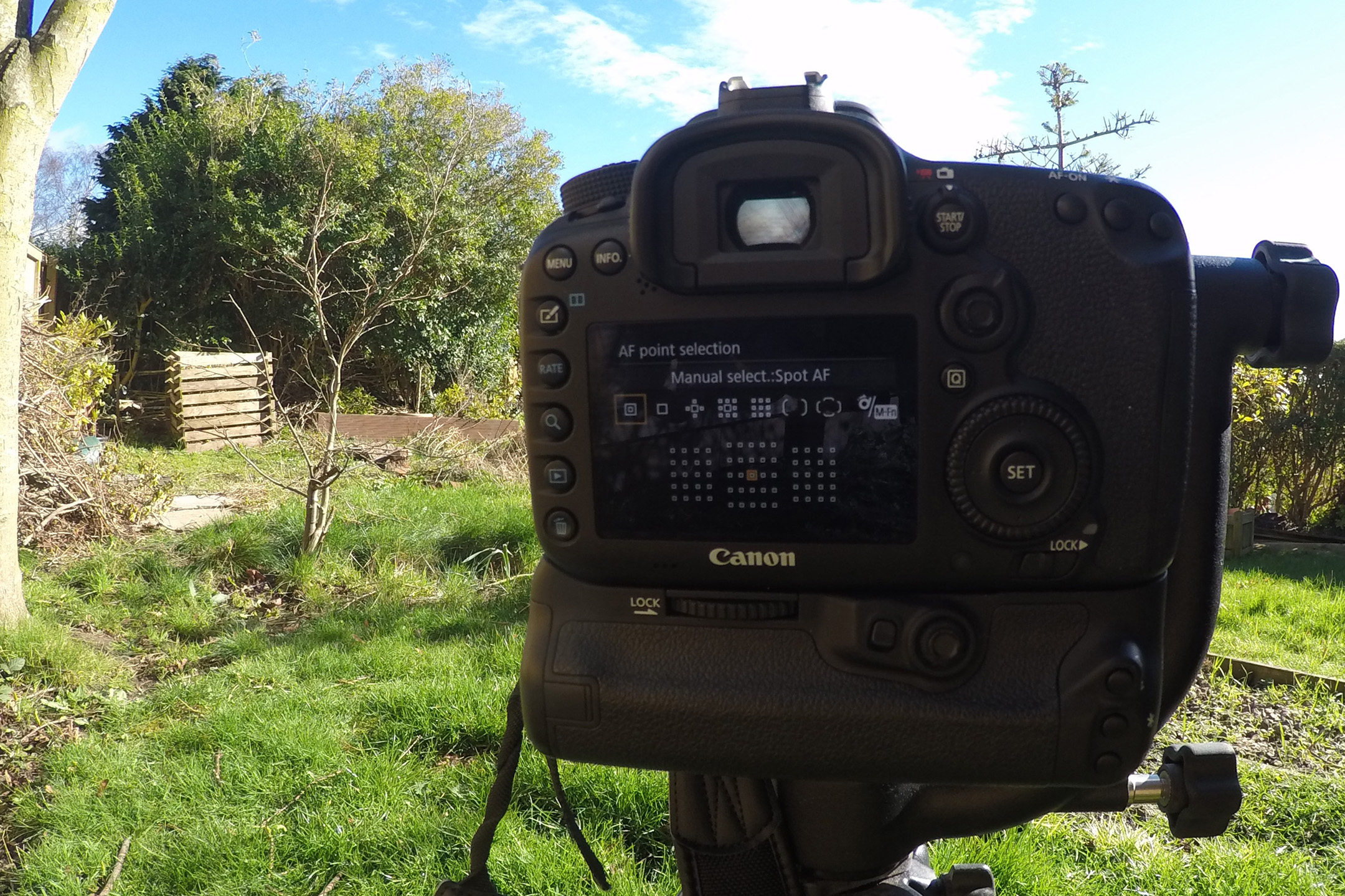

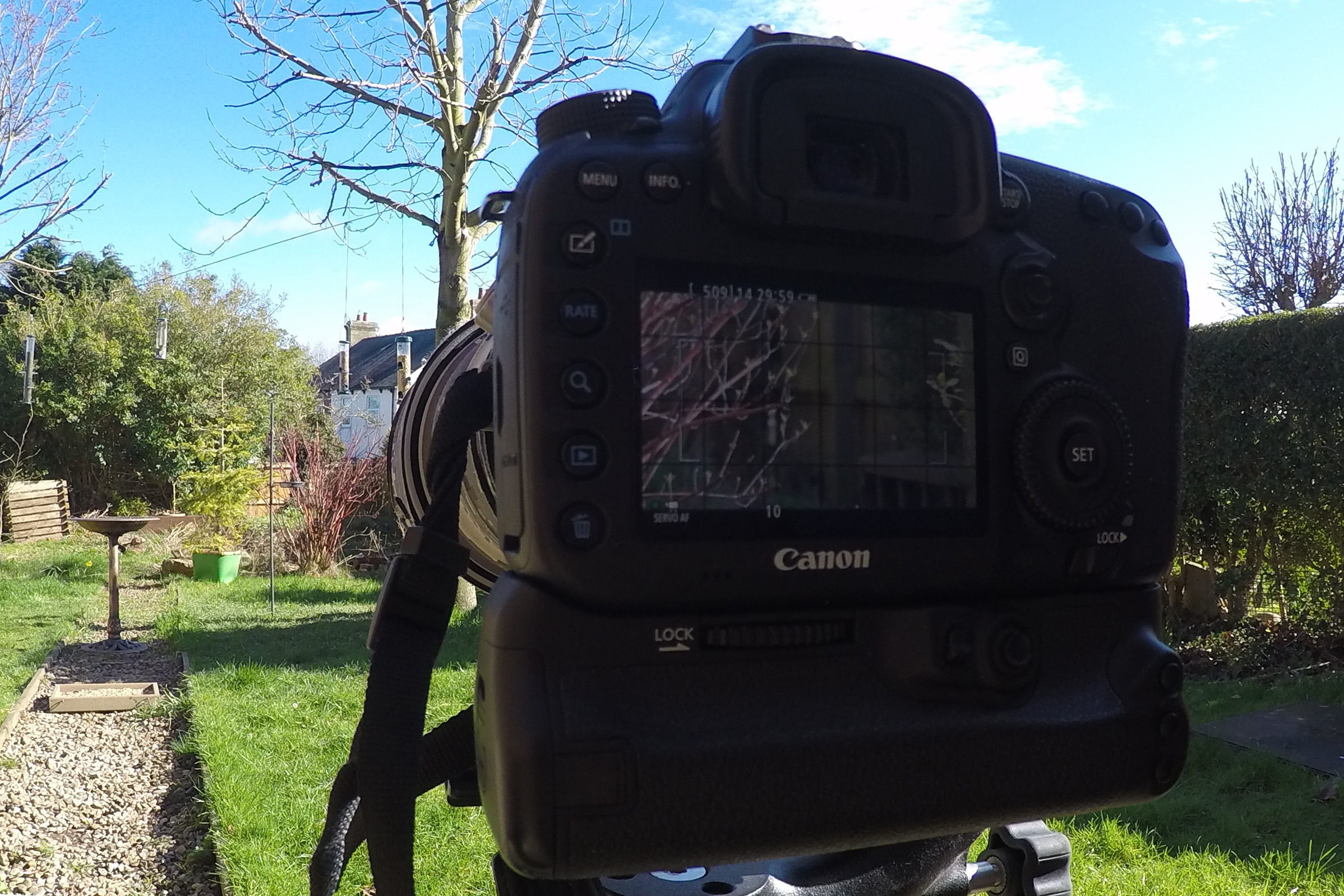
Before taking the camera out to photograph a particular subject, I use the ‘Q’ button to select each of the relevant options for shutter speed, aperture, white balance, ISO etc, though of course these may need to change throughout a particular photography session. This is where the quick function buttons come in useful. On the Canon EOS 7D Mark II there are buttons close to the shutter for white balance, auto focus options and the ISO. The AF point selection and ‘M-Fn’ buttons are within easy reach, which helps you to efficiently change the autofocus point you are using.
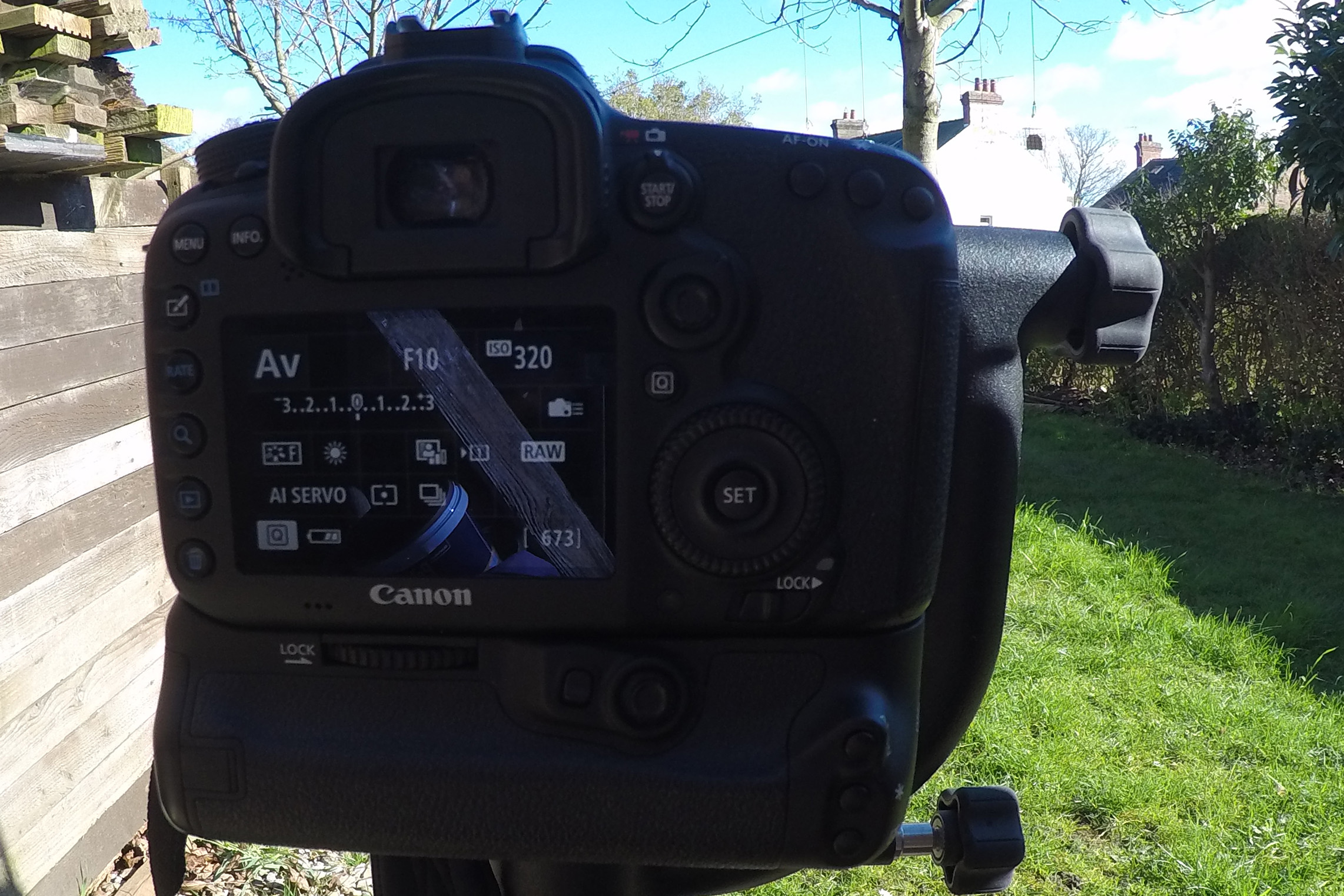
Many cameras will allow you to disable the autofocus on the shutter release (when pressing it halfway) and use another button instead. I use ‘AF-ON’ and what a difference it makes! It puts an end to those crucial moments when you’re trying to take a photograph but the camera is busy re-focussing on the wrong thing. The subject no longer runs or flies away whilst the autofocus zooms in and out repeatedly with the user rendered incapable of taking a photograph unless they switch the lens to manual. You can set this up on a Canon EOS 7D Mark II camera by entering the 3rd tab in the orange menu and choosing ‘custom controls’. This allows you to change the functions of various buttons on the camera. You’re likely to find a similar option on a variety of cameras.
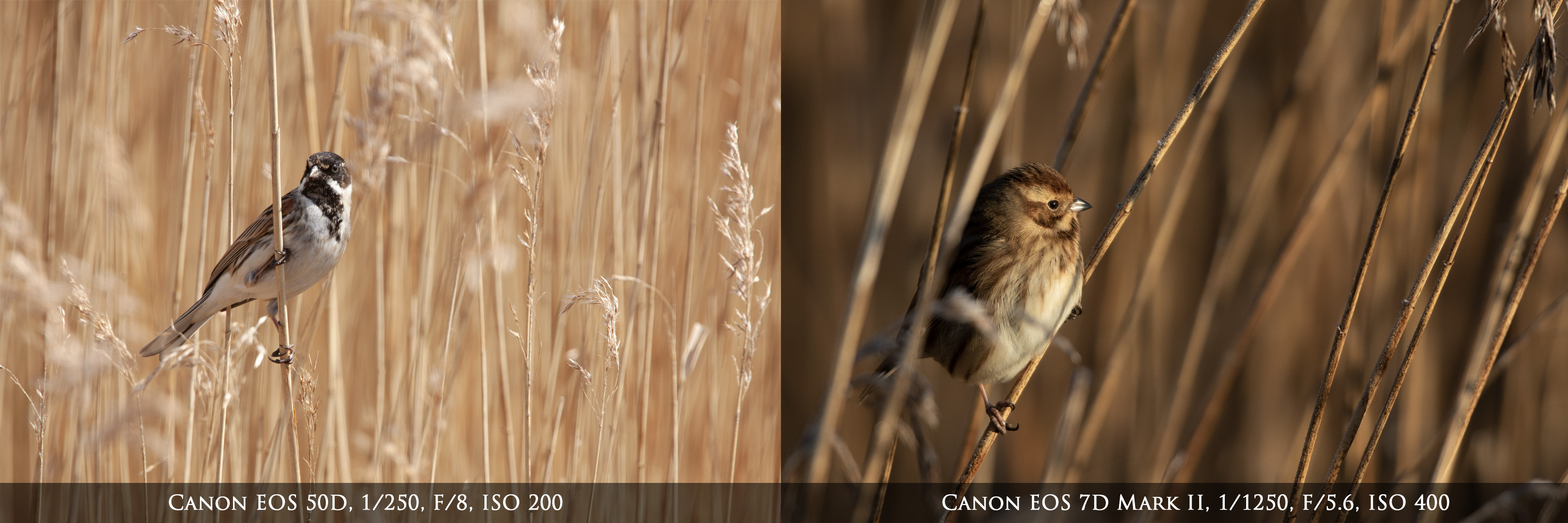
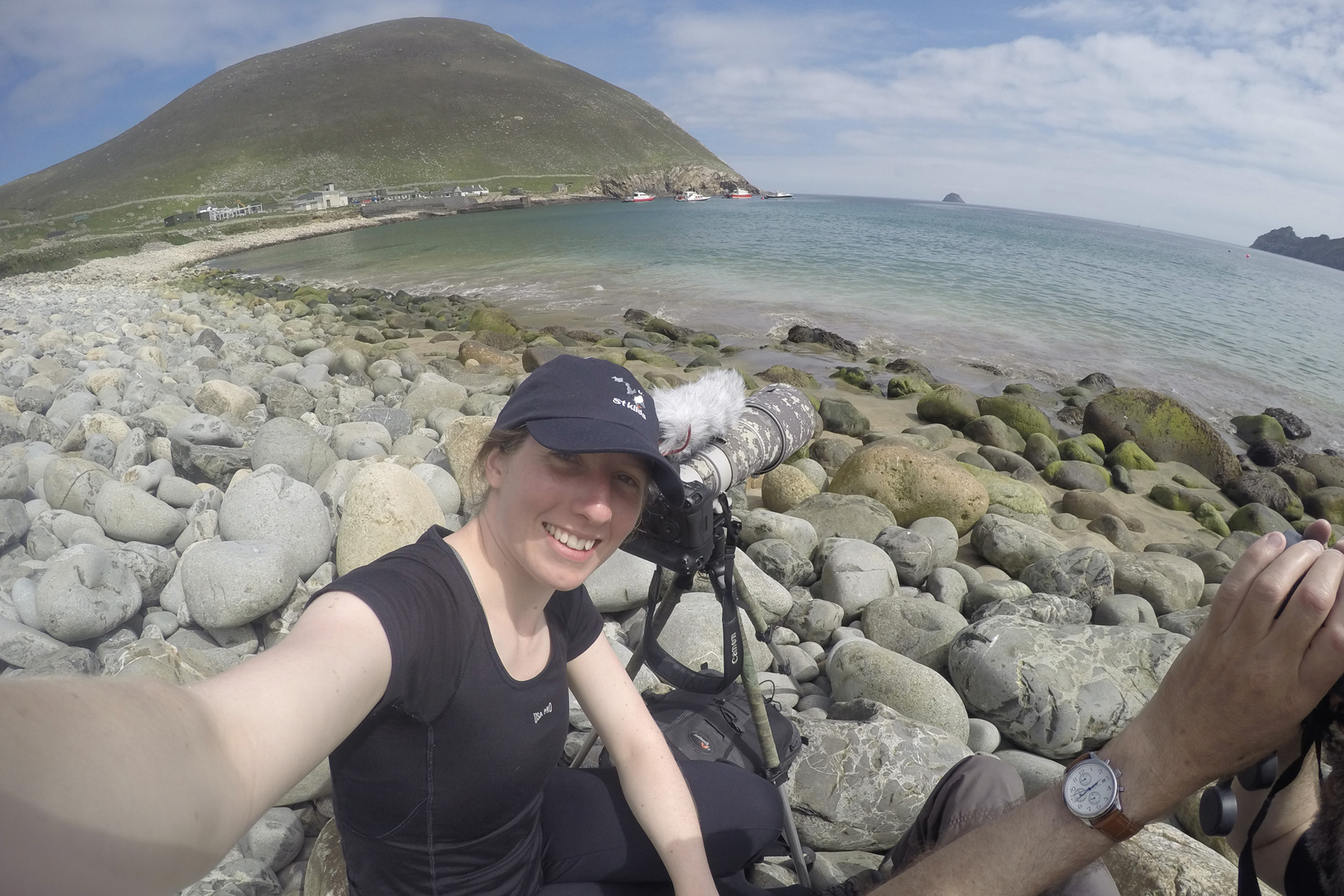
One of the biggest benefits to a later Canon model is reliability. Canon have intentionally made their cameras more dust and water resistant and I can definitely tell the difference. In 2015 I visited St Kilda, Scotland. Towards the end of the visit, the boat tours the stacs within the archipelago where thousands of seabirds breed each year. We had a few rainy days during our stay. I chose to protect my Canon 50D with a plastic camera cover. Condensation built, which resulted in the camera becoming unable to determine exposure. I tried switching to manual settings though this didn’t work and presented more challenges. I was trying to hold steady on the swaying boat surrounded with flying birds combined with dark grey rock and white cloud as their background, without any aid from the camera. I was heartbroken that within this incredible wildlife experience, my camera decided to break.
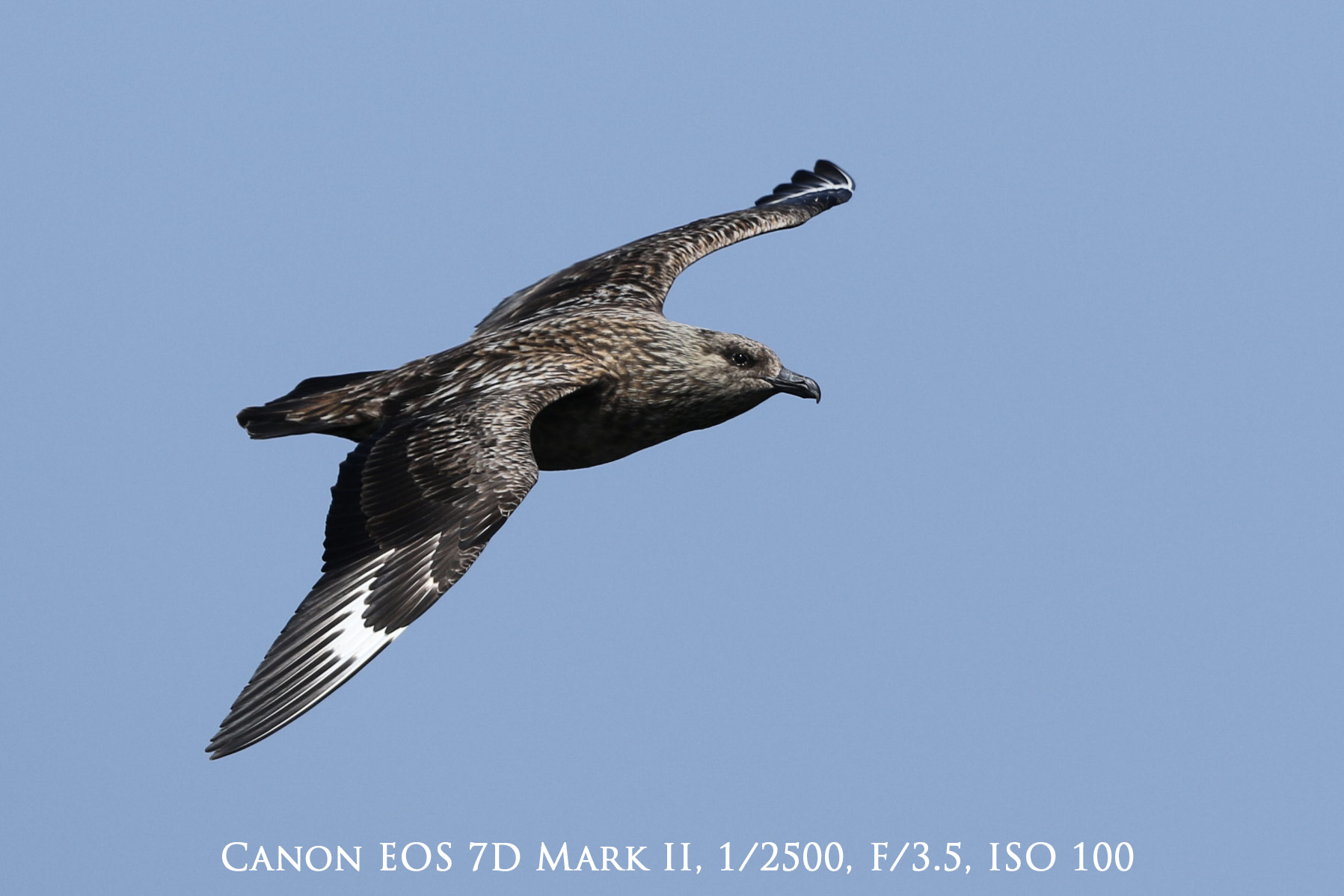
When I returned to St Kilda in 2016, I had my weather resistant Canon EOS 7D Mark II. The difference was phenomenal. No more unsolvable exposure issues, the images were sharp and I could capture behaviour I struggled to get before. The AF points and AI servo meant most of the images were in focus and all the hard work the camera did meant I could concentrate on holding steady and finding interesting shots whilst enjoying the moment.

It’s easy to get lost in the moment when photographing a subject, so even after years of experience, it’s still possible to make a mess of that pesky horizon. I have heard photographers suggest that you check all 4 corners of a shot before pressing the shutter so that you know the frame only contains what you want it to contain. It’s not a bad piece of advice although when snapping away quickly during fleeting action, it can be difficult to multi-task. The only way to get good at it is practice. There is another feature in many cameras that can help combat the horizon issue though. In the same way that builders would use a level to make sure that their work is even and, well, level, many cameras have an in-built level that you can choose to activate within your viewfinder.
With the Canon EOS 7D Mark II, you would locate this in the 2nd yellow menu, under ‘Viewfinder Display’. By selecting ‘Viewfinder Level’ (show), you will then see a level within the viewfinder that has a series of black boxes indicating when the camera is crooked. The aim is to have just one single black box in the middle. If you get used to how and when to use this, you may never have to suffer with a crooked horizon again!
The Video Option
Still wildlife photography has always been my passion but when I saw that my Canon EOS 7D Mark II would have the option to film, I was delighted as it would give me a whole new perspective on wildlife encounters. The beauty of using a SLR camera to film is that you are still just carrying around a relatively light camera. I added a microphone to my kit and was ready to go.
Using a filming option on your camera can open the door to a whole new aspect of capturing wildlife with your digital SLR
There are times now when I have lost the light for photography and so choose to film instead. I have found that the footage looks good and professional in some cases; allowing you to easily load the video onto the computer and create a wildlife documentary of your own.
Sometimes you may find that you’re filming and the image you’re shooting would actually make a great still photograph. Canon have already thought this through. It’s possible to film and take photographs at the same time by pressing the shutter fully whilst filming. The film will temporarily freeze whilst the photograph is taken.
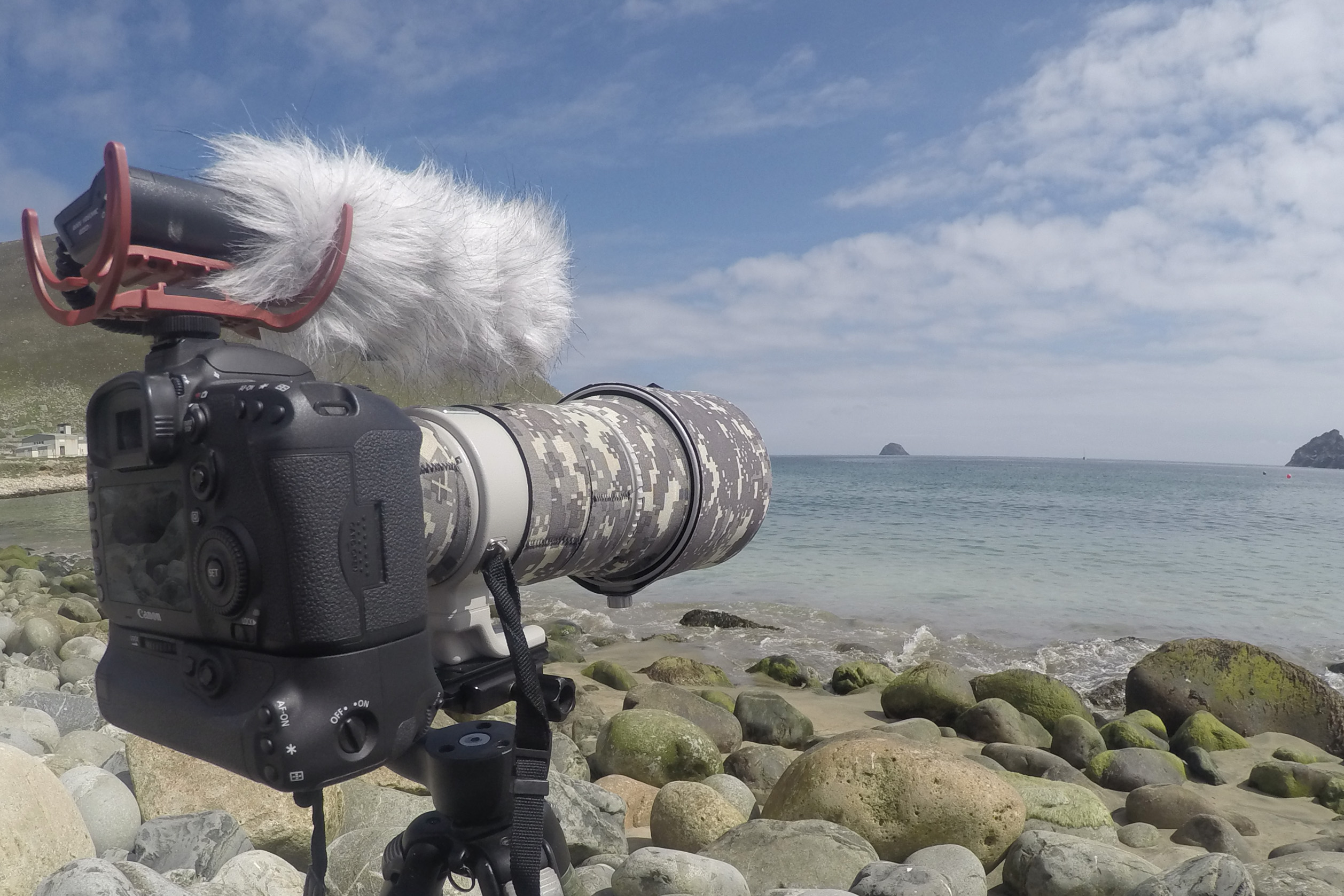
Having an external microphone is a great help. The internal microphone is quite good but not exceptional if you’re looking to have great sound accompanying your images. A ‘deadcat’ reduces the impact of the wind and microphones alike to ours have an option to reduce unwanted background noise further than the standard setting.
Updating Your Equipment
We have discussed a range of equipment in this blog entry. Many of the features we have talked about are relevant to a variety of camera models but we have primarily focussed on the Canon EOS 7D Mark II.
Changing to a newer model of camera can be a daunting prospect and so it’s important that before you buy, you make sure that it’s the right camera for you. We have found the Canon EOS 7D Mark II exceptional for wildlife photography, however there are newer models becoming available on a regular basis.
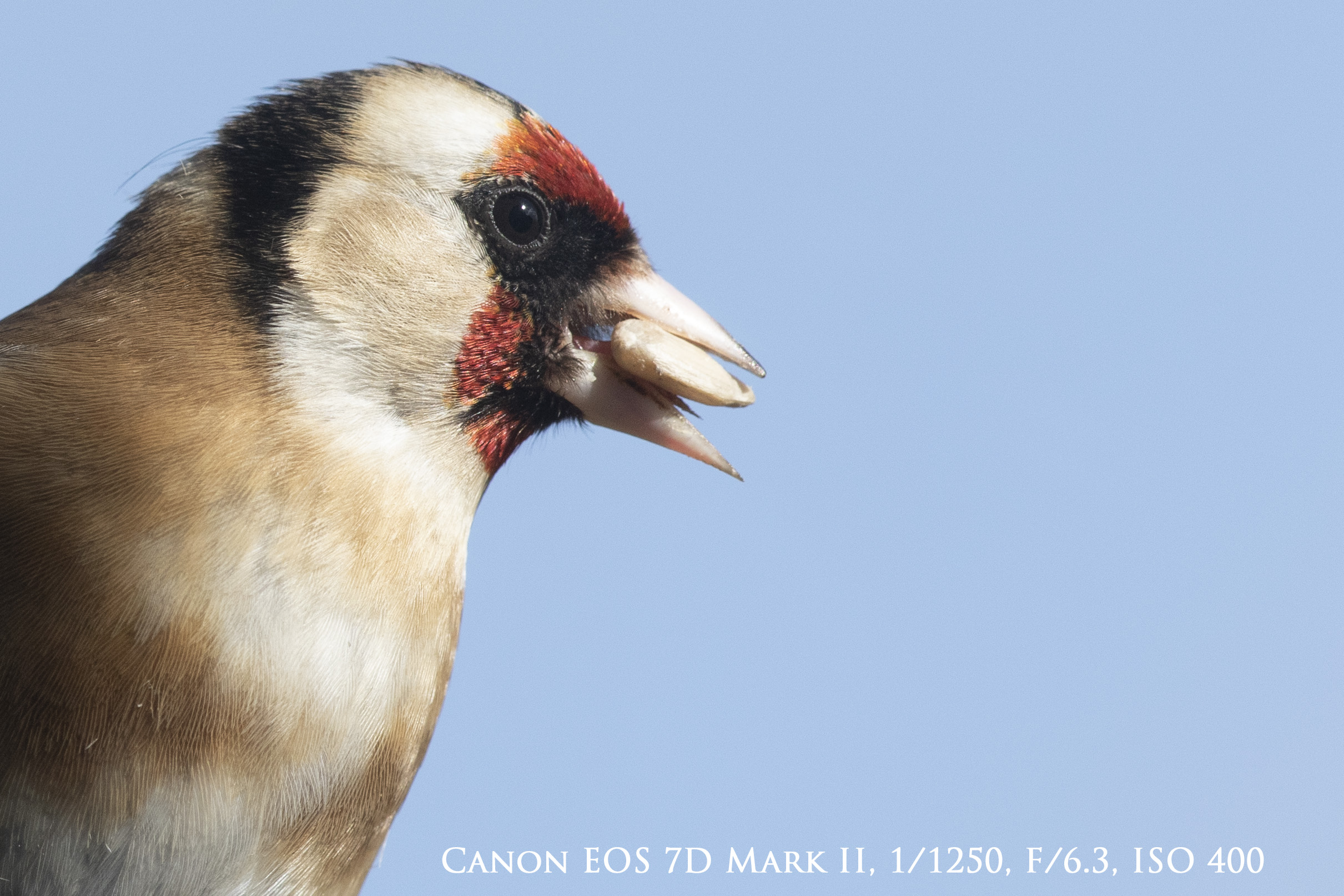
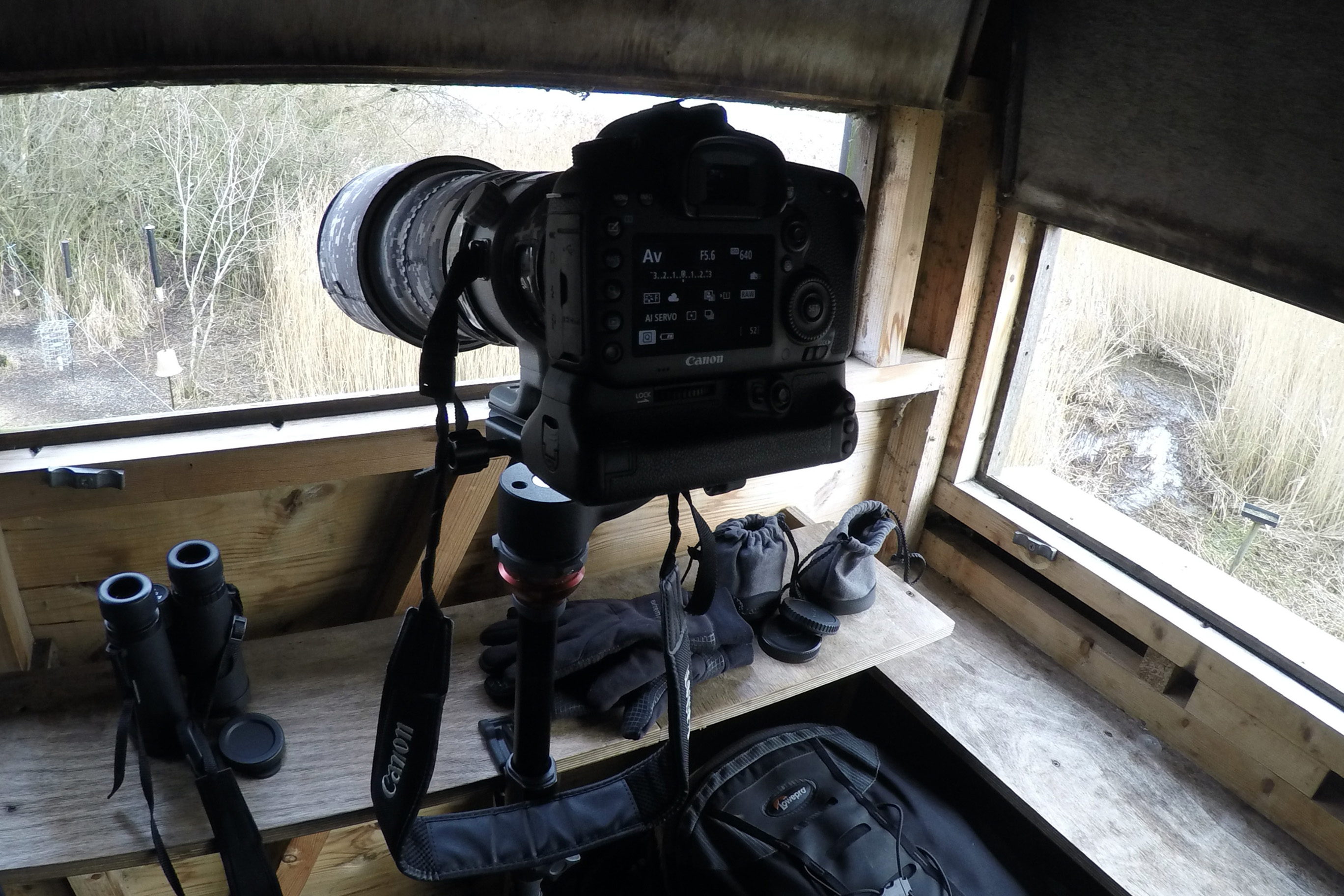
A tripod is a well-known essential piece of kit for any aspiring landscape or wildlife photographer. We’ve enjoyed our trusty Manfrottos for over ten years now. Within more recent years, we added a Manfrotto hide tripod (column clamp and levelling centre column) to our kit along with a gimbal-style head. The tripods have been reliable and are heavy, but we’ve not found them too cumbersome to carry about on a shoulder. The Wimberley gimbal-style head is fantastic. Until only a few years ago I personally used a ball-and-socket head. This was a good tripod head and suitable for the smaller lenses I was using at the time. However, it lacked the flexibility in movement that I wanted sometimes. I have not discovered any restrictions with the Wimberley head as yet and it feels unlikely that I will.
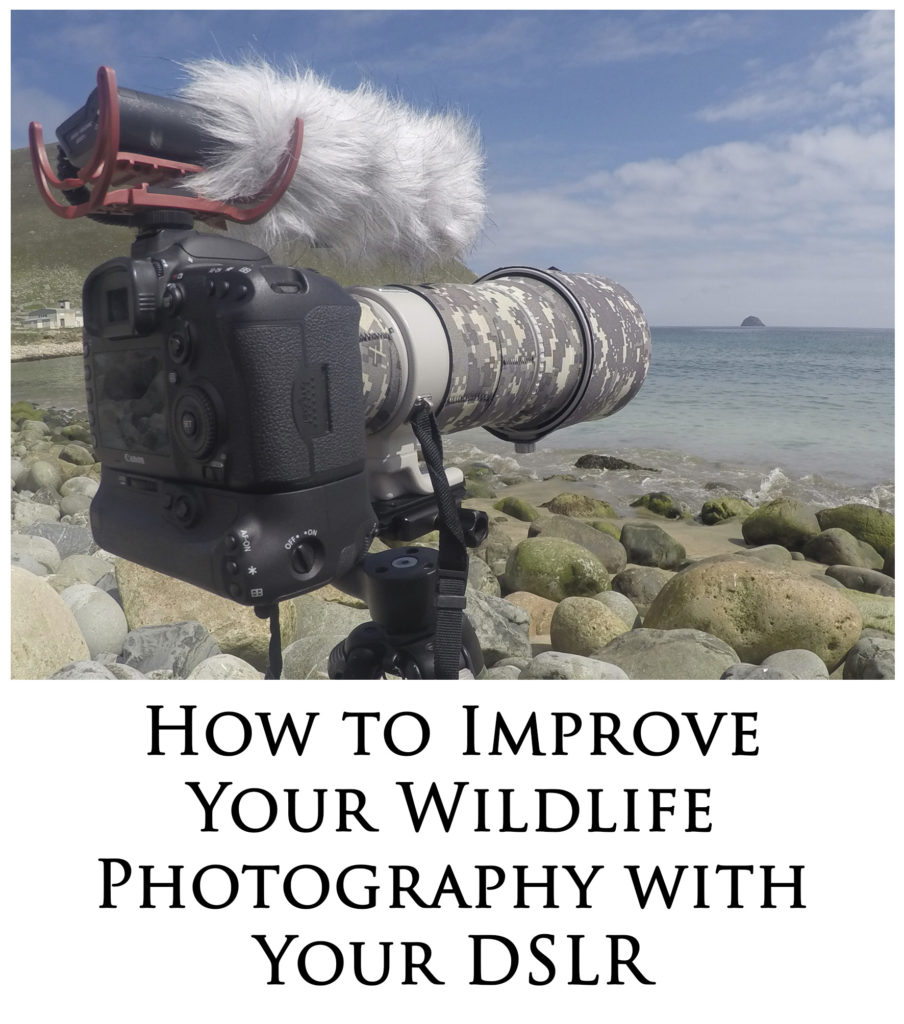
You may notice that all of the photographs of the Canon EOS 7D Mark II contain a battery grip. We cannot now imagine life without a battery grip. It’s a real comfort when you don’t need to think about replacing batteries all of the time. We keep them well-charged and never need to change them during a photography session.
The microphone you can see is Røde Videomic with a Røde deadcat. It is incredibly easy to use and produces good results.
Comments
We love to know your thoughts on our articles so greatly appreciate you taking the time to comment. We may be unable to reply directly but are in the process of creating a FAQs page to answer any questions. We currently check all comments before they’re posted so they do not appear immediately on the website.
Thank you for visiting www.embracenatureuk.com!
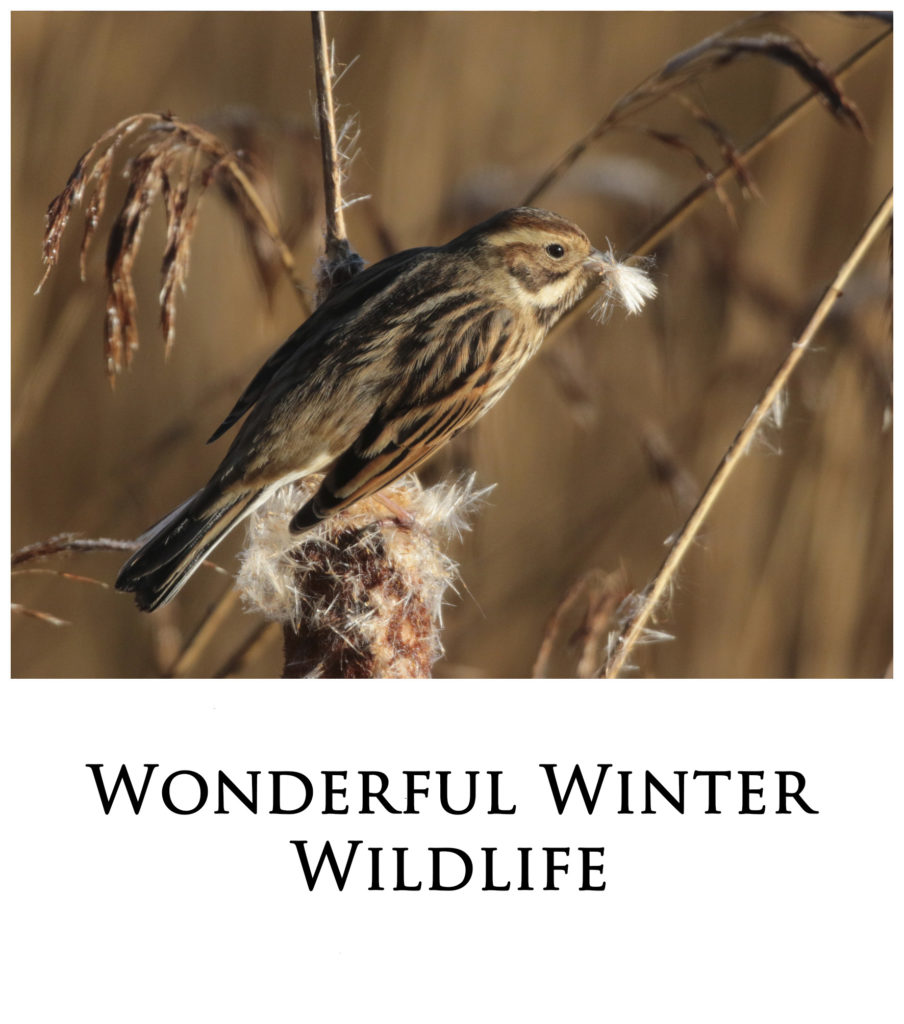
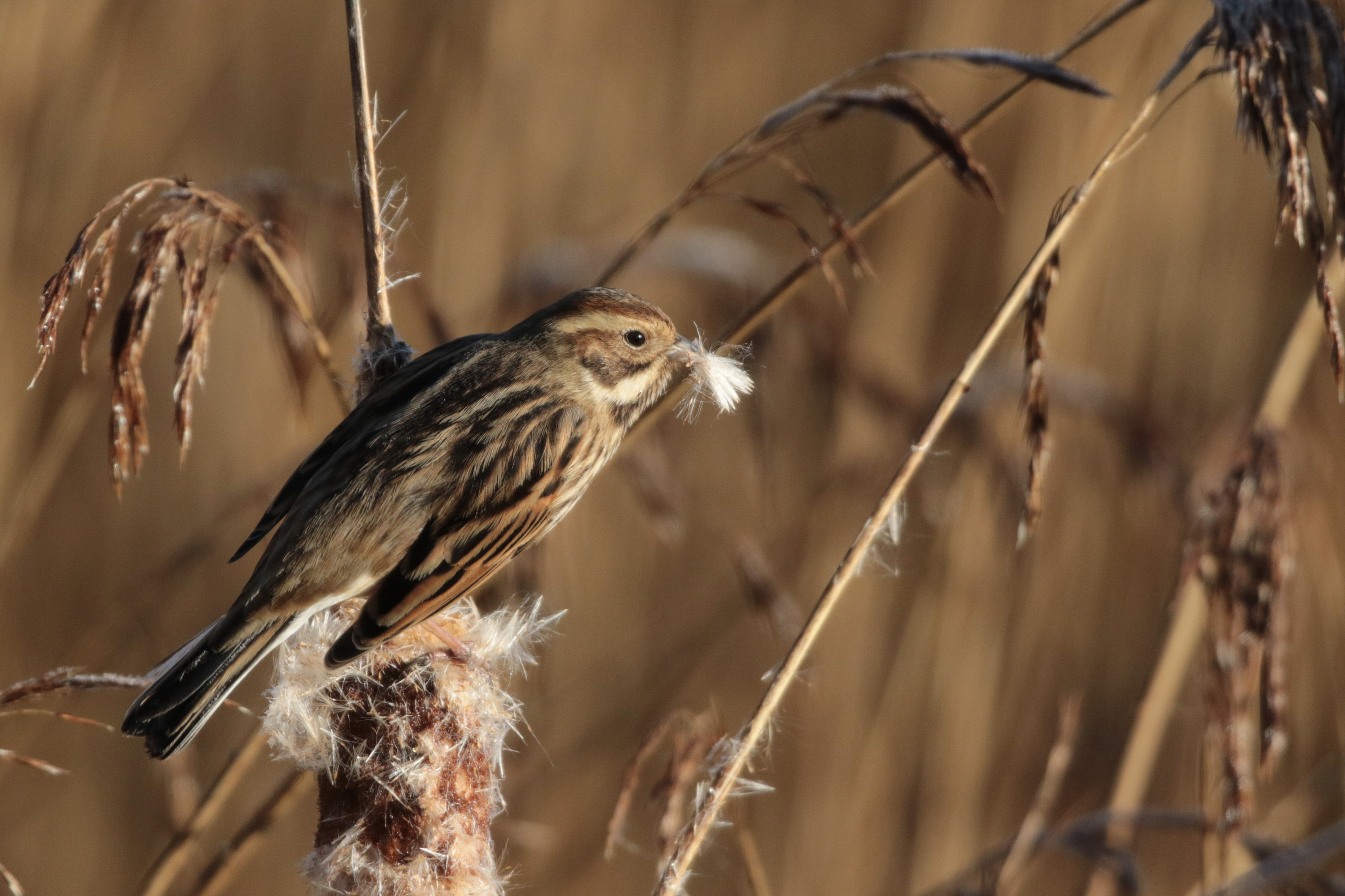
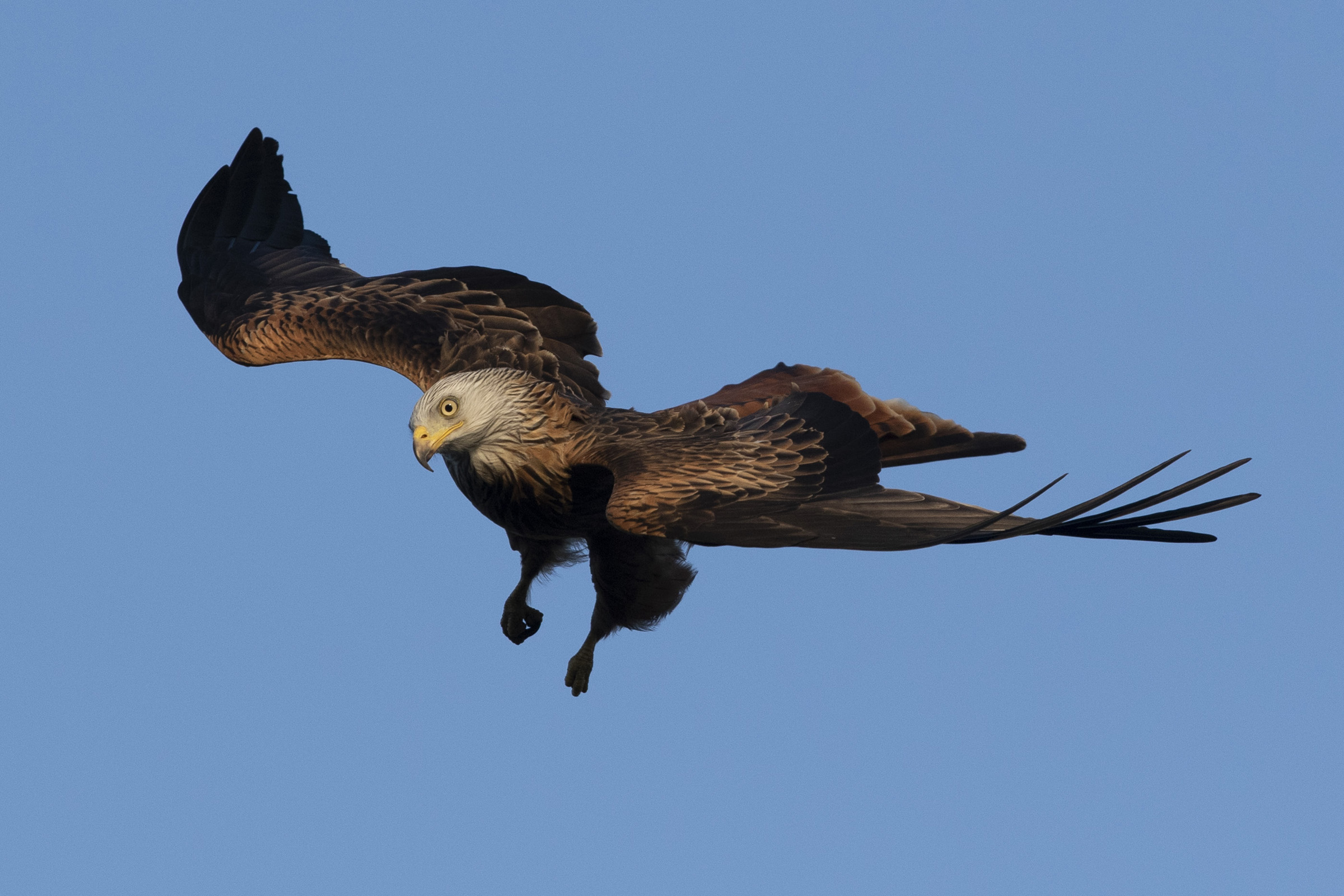
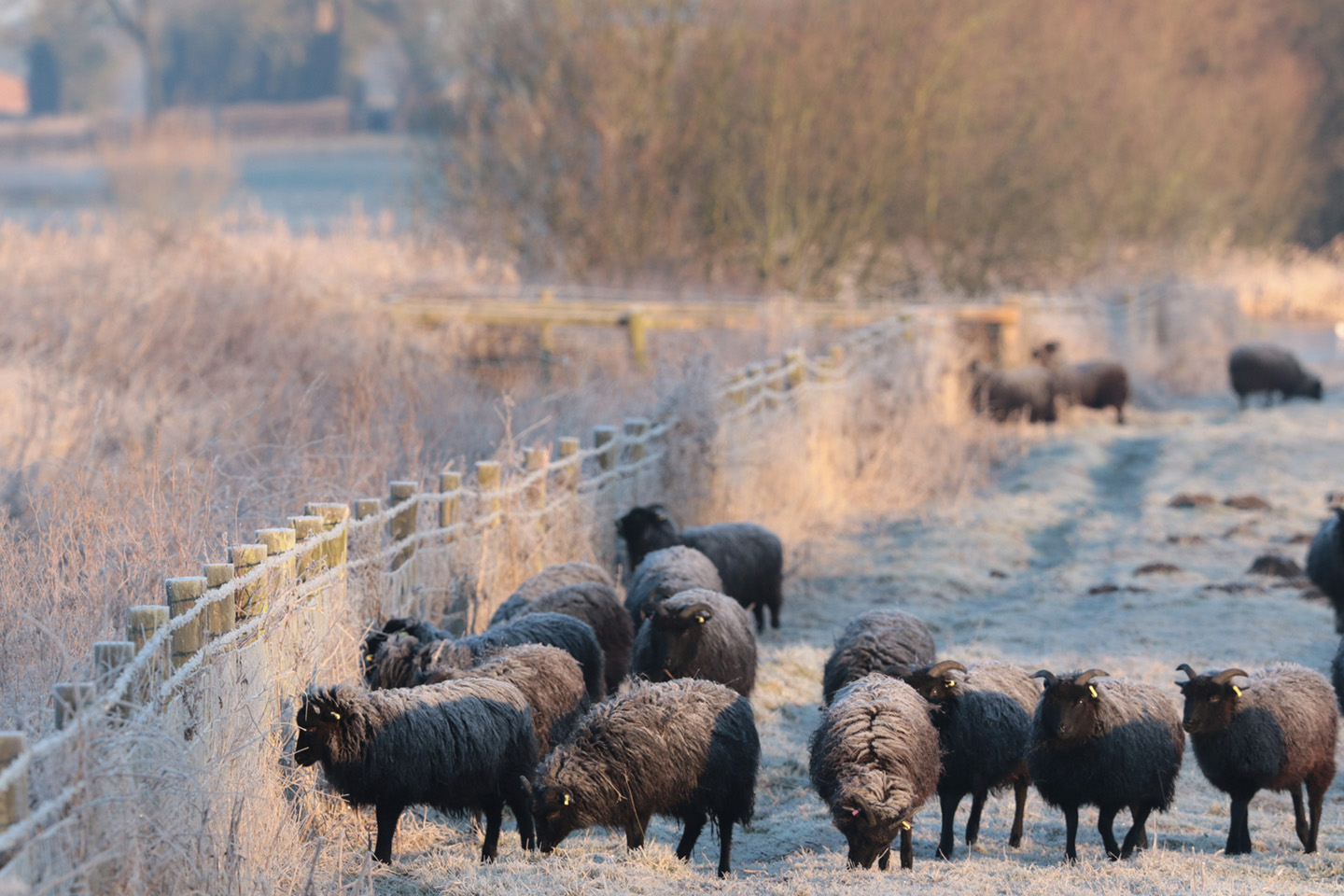
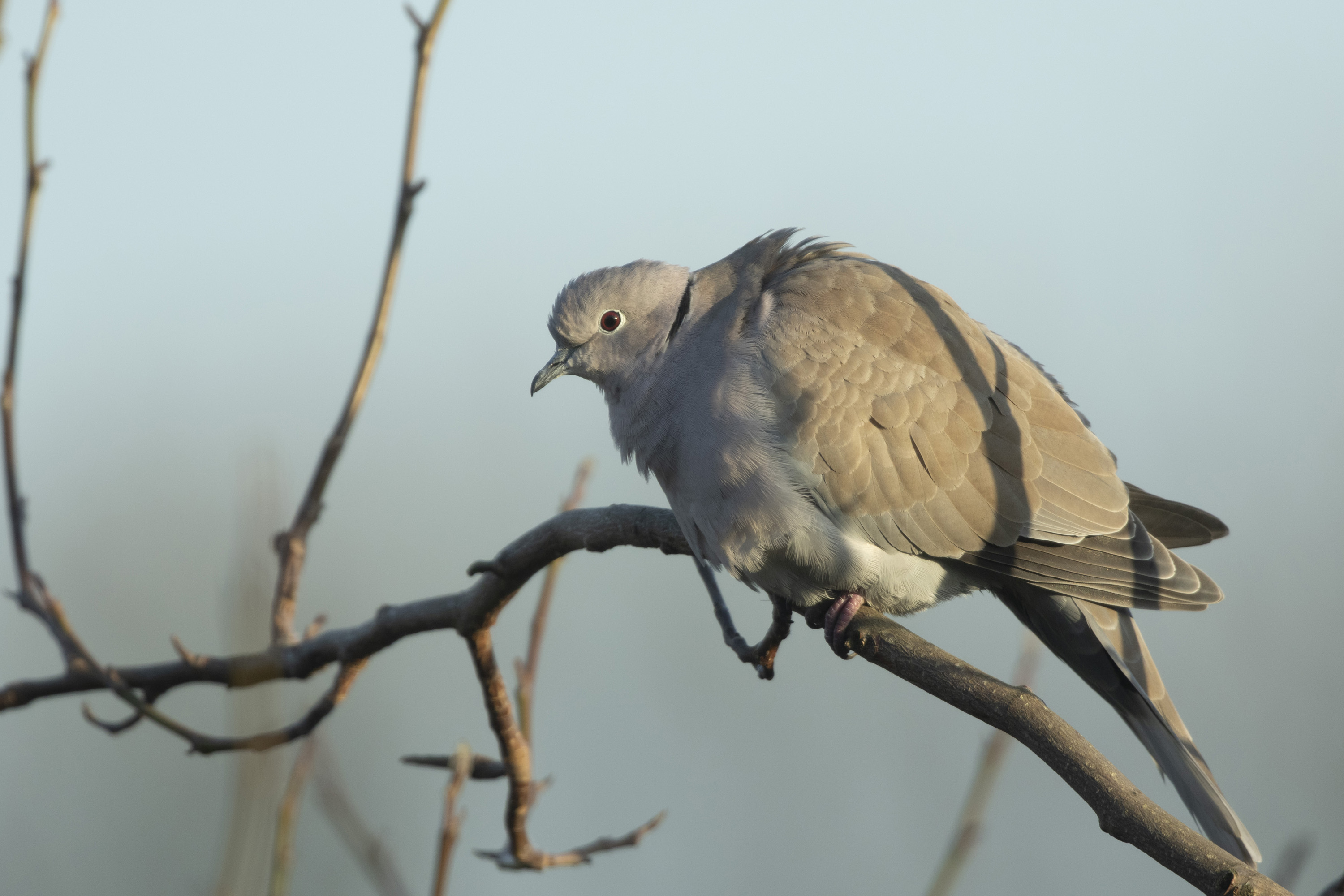
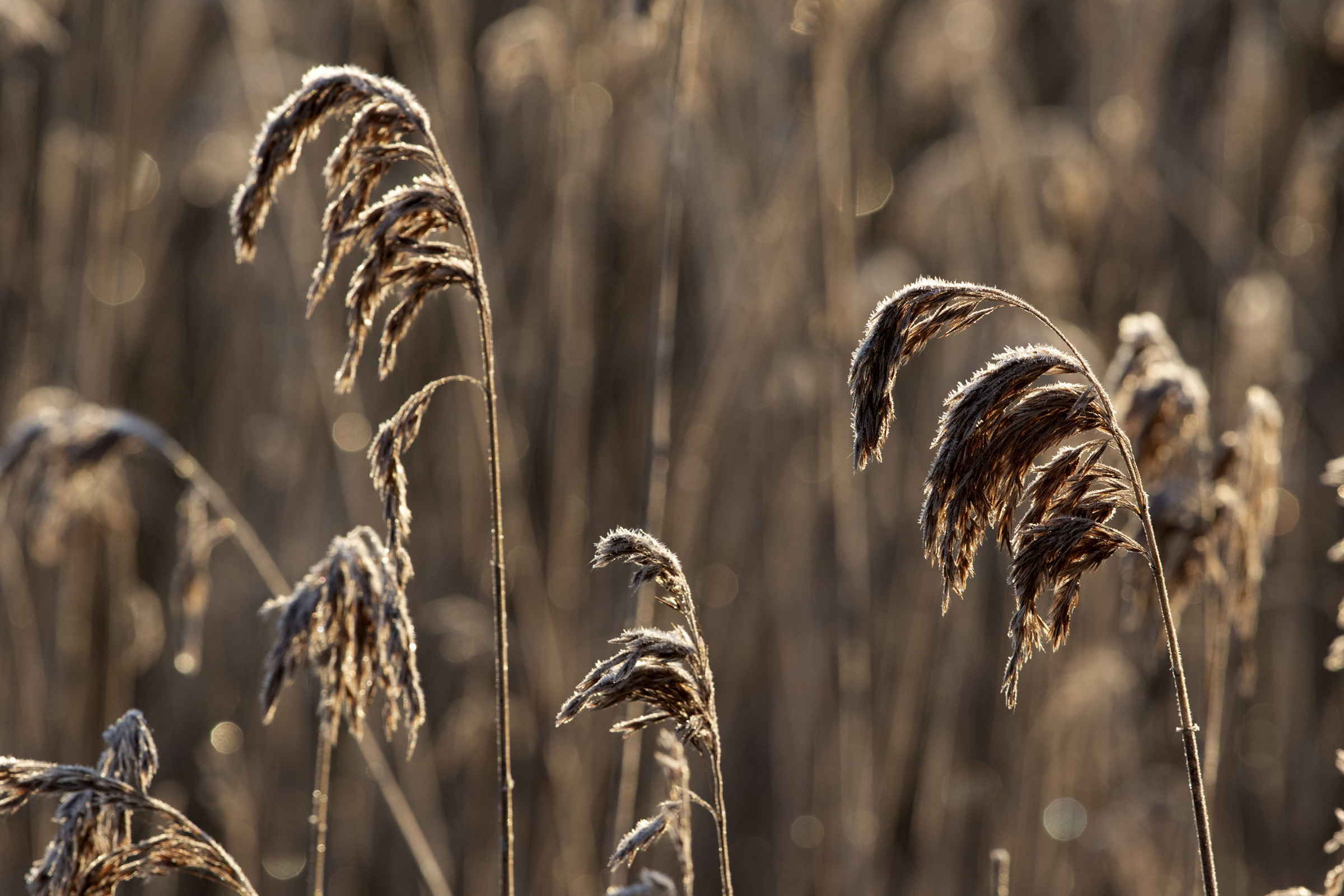
As the weather is bringing us promptly into an early spring, we wanted to remember some of the great species and places we’ve seen throughout winter. We’ve enjoyed watching many visitors in the the Embrace Nature UK garden and have headed out to nature reserves in the North and South of England to see some beautiful winter wildlife.
Winter makes for a great time of year to do some photography. This is because of those crisp frosty mornings and occasional sparkling cold evenings. If you’re lucky enough to have a layer of snow whilst the sun is shining, it can lead to some great photographic opportunities.
This is merely a snapshot of a wildlife-filled winter with an odd mixture of very warm and very cold weather. We’re looking forward now to seeing what spring will bring! Watch this space and in the meantime, we hope you enjoy these photographs that we’ve taken throughout the end of 2018 and the start of 2019….





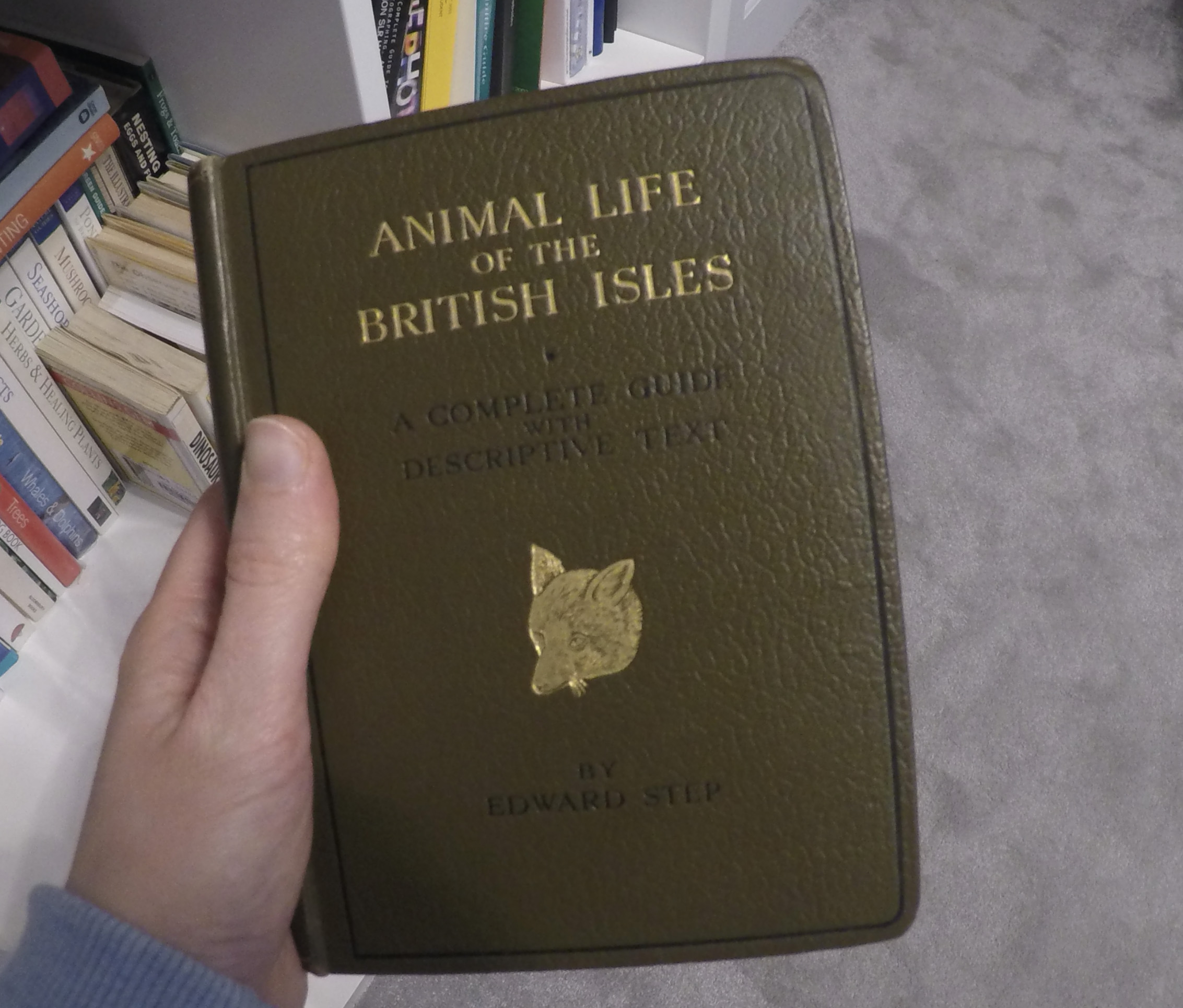
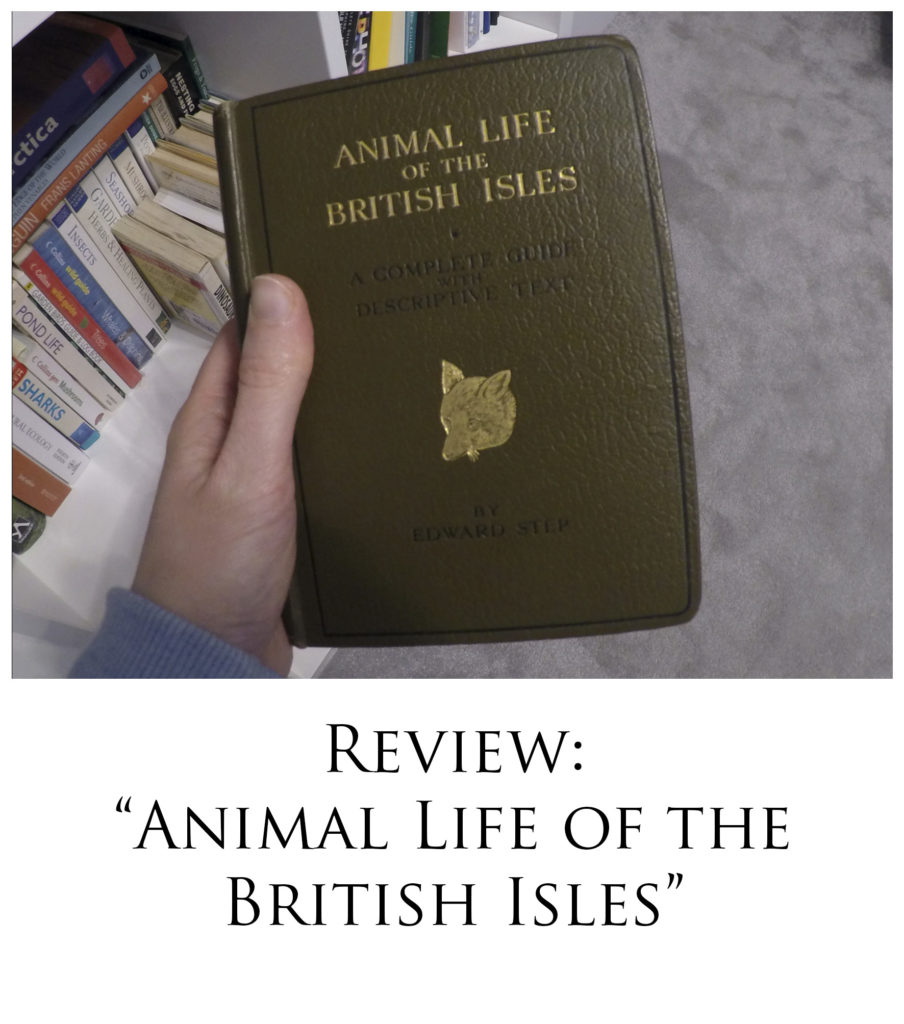
When we speak of old, smelly, attractive and thoroughly entertaining books, a great example is Edward Step’s “Animal Life of the British Isles”. This is a book I hadn’t heard of before but I felt drawn to it once I read just a few snippets. It shows drawings of animal’s skeletons, which is something we don’t currently have in our bookcase and it’s complete with interesting photographs with creative text.
“When we speak of old, smelly, attractive and thoroughly entertaining books…”
The book provides a very visual description of the creatures it discusses: “The few wayfarers who may be hurrying along that road, looking for possible shelter from the pitiless rain, and seeing the Frogs hopping along much as the raindrops bounce, are quite prepared to declare that they came down from the clouds with the rain.”
This book also provides inaccuracies that are humorous to read and give a good bearing on public opinion at that time. The following an example of this in regards to the hedgehog: “He is said to be capable of killing and eating a wild Rabbit ; but, of course, although he runs well, he could never catch a Rabbit unless the rodent were wounded. He is also a good swimmer and climber, not only of trees but of rain-pipes and rough walls, especially where these are creeper-clad.” Sentences such as this is what drew us to this book as it would probably serve well as an entertaining read and a great game to test our knowledge by ‘spotting the facts’.
“Its usefulness is not to be underestimated though as we get so used to our current day state of affairs, it can be easy to forget or be ignorant of how we got here.”
Its usefulness is not to be underestimated though as we get so used to our current day state of affairs, it can be easy to forget or be ignorant of how we got here. For a book initially published in 1921, which in the whole scheme of things is not that long ago, the truth that comes from it is all too shocking: “In some places in the London district a light grey Squirrel may be seen, and thought to be a colour variation of our native species. It is really an American visitor, distinct in colour and without tufts to the ears. Some years ago the caged specimens in the Zoological Gardens, Regent’s Park, had become so numerous that some of them were given their liberty.”
The book speaks of the spread of these grey squirrels from the garden to the park and onto “wooded grounds of suburban residences”. Edward Step’s prediction that “British naturalists of a not-distant future will probably have to include two species of Squirrels in their lists” does not even remotely begin to cover the extent of the problem that has arisen from this initial release.
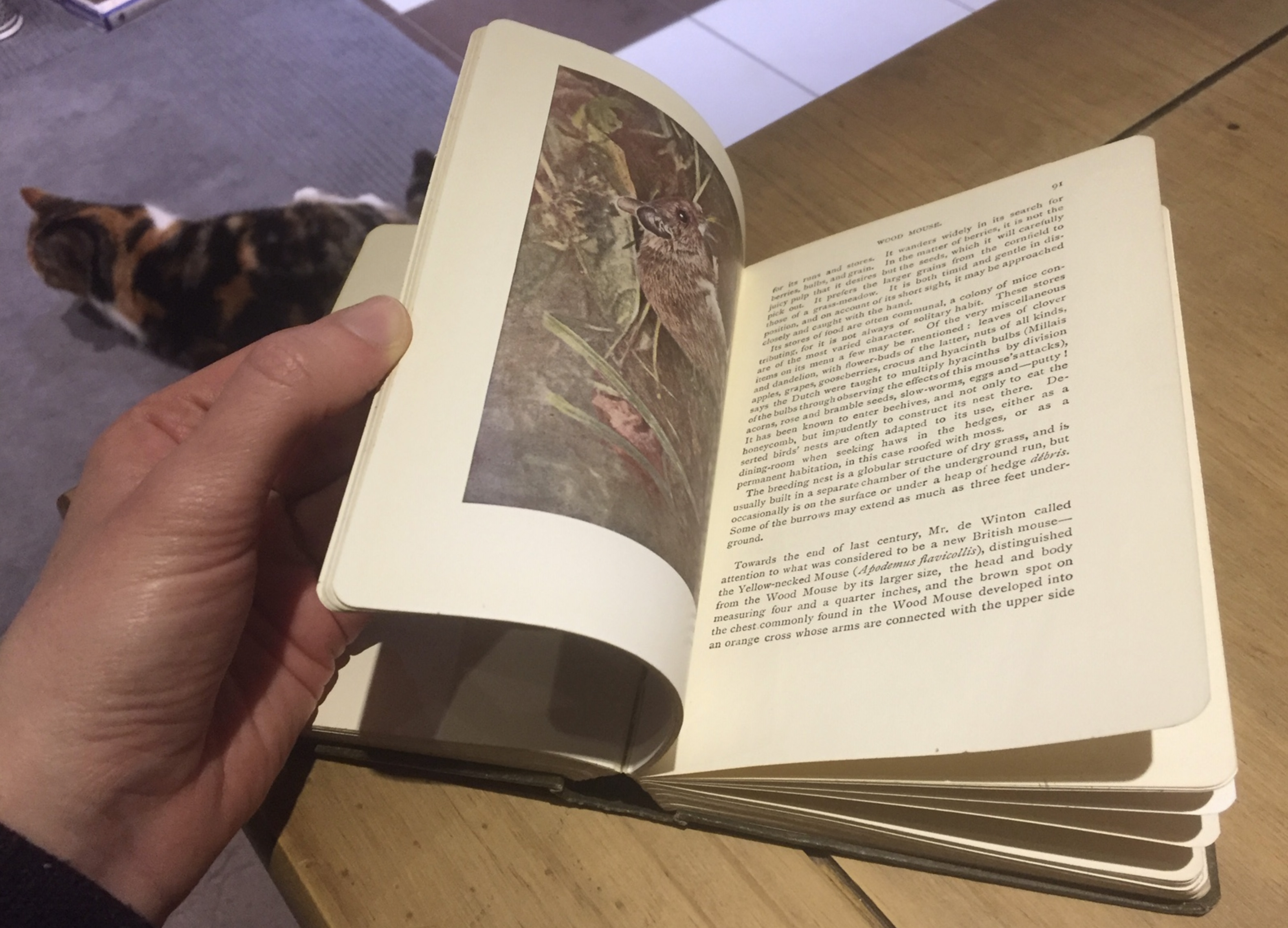
Own your own copy of Edward Step’s “Animal Life of the British Isles”


Pay a visit to Hay-on-Wye to explore the book shops:

There is something about old books that makes them appeal so much more than any new book. The smell goes without saying. That old musty book smell that makes the reading experience so much more special. The appearance is also appealing as they look like something special and conjure nostalgia in many book-lovers.
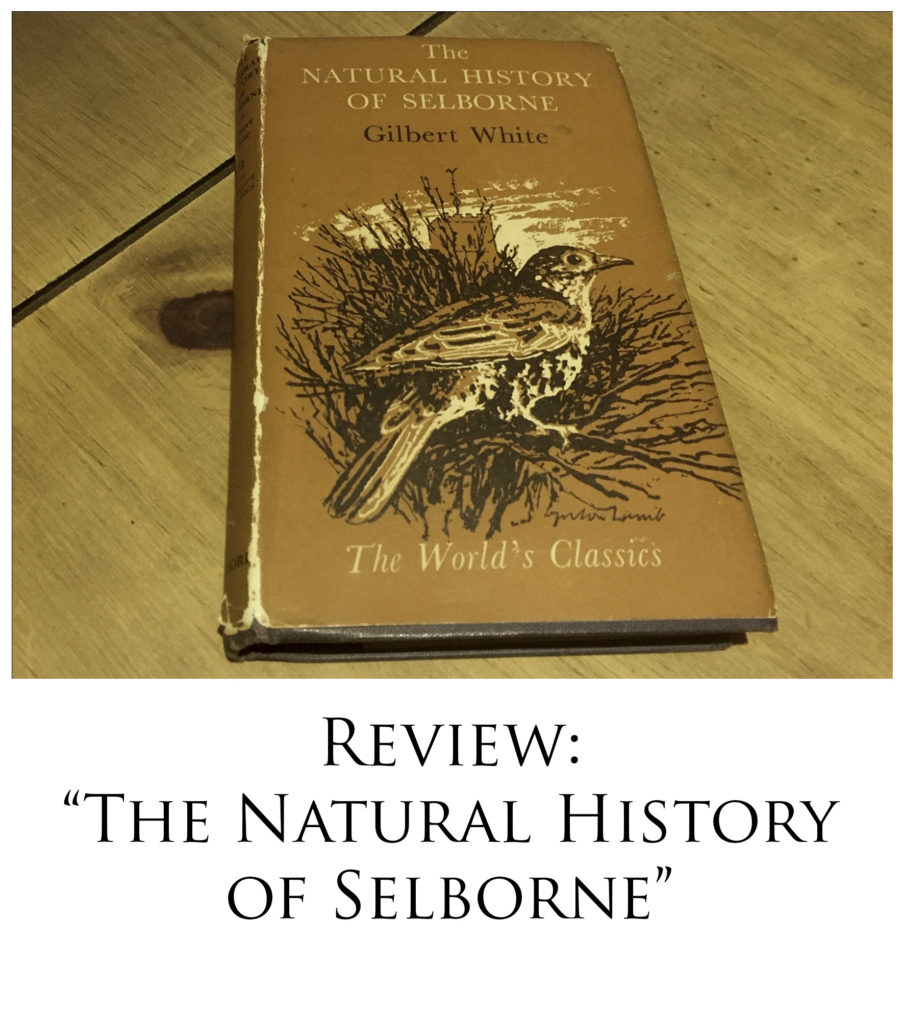
There is something very quaint about our new (or old) copy of “The Natural History of Selborne”. The book begins with poems…something you’re unlikely to find in any modern-day natural history guide. These poems are then followed by a series of letters, which form the remainder of the book.
Within these letters appear the combination of contemplations and facts wrapped up together in the most beautiful archaic English. An example of this is the description by White of swallows: “All the summer long is the swallow a most instructive pattern of unwearied industry and affection; for, from morning to night, while there is a family to be supported, she spends the whole day in skimming close to the ground, and exerting the most sudden turns and quick evolutions”.
“Within these letters appear the combination of contemplations and facts wrapped up together in the most beautiful archaic English.”
Whilst it is worth reading old books with a sceptical eye lest they lead you into believing science that has since been disproved, a book like this is full of observations and therefore perhaps may hold a little more fact than you might otherwise assume. As it is stated in one of the letters “I noted each day the continuance or omission of each bird’s song; so that I am as sure of the certainty of my facts as a man can be of any transaction whatsoever“.
It appears that to confirm sightings at the time, birds were often shot. The idea seems ludicrous to us now but would it have seemed quite so ludicrous if we didn’t have cameras to capture the birds instead or an awareness of the negative impact excessive shooting caused? It is certainly good to have hindsight in our grasp now in order to judge and change.

Whilst I have not yet had the opportunity to read this book in full, I do believe that any book that contains the sentence, “In my visit I was not very far from Hungerford, and did not forget to make some inquires concerning the wonderful method of curing cancers by means of toads.” deserves to be immediately bought and forever treasured.
Own your own copy of Gilbert White’s “The Natural History of Selborne”


Pay a visit to Hay-on-Wye to explore the book shops:
Last month we had a couple of nights stay in Britain’s ‘book-shop’ town, Hay-on-Wye.
Cosied on the border between England and Wales, Hay-on-Wye enjoys the charm that only a book-shopper’s heaven can afford. Sadly it is not immune to the onset of technology that brings us further away from a life of books and very quickly into a computerised world. Computers do not carry the same romantic notion as a book. They don’t have that distinctive smell that one can only locate between the pages and is not so pleasant to hold. Computers do, however, offer the unique opportunity to carry an entire library around on your person. I can see why this appeals to so many people.
There are some of us traditionalists remaining though and thank Goodness for the Hay-on-Wye haven that affords us the chance to embrace our addictions to full capacity without judgement from book-sellers or our fellow shoppers.
The Embrace Nature UK book collection is already vast but who can resist adding more books to the already full-capacity bookcases? Not us, that much is for sure!
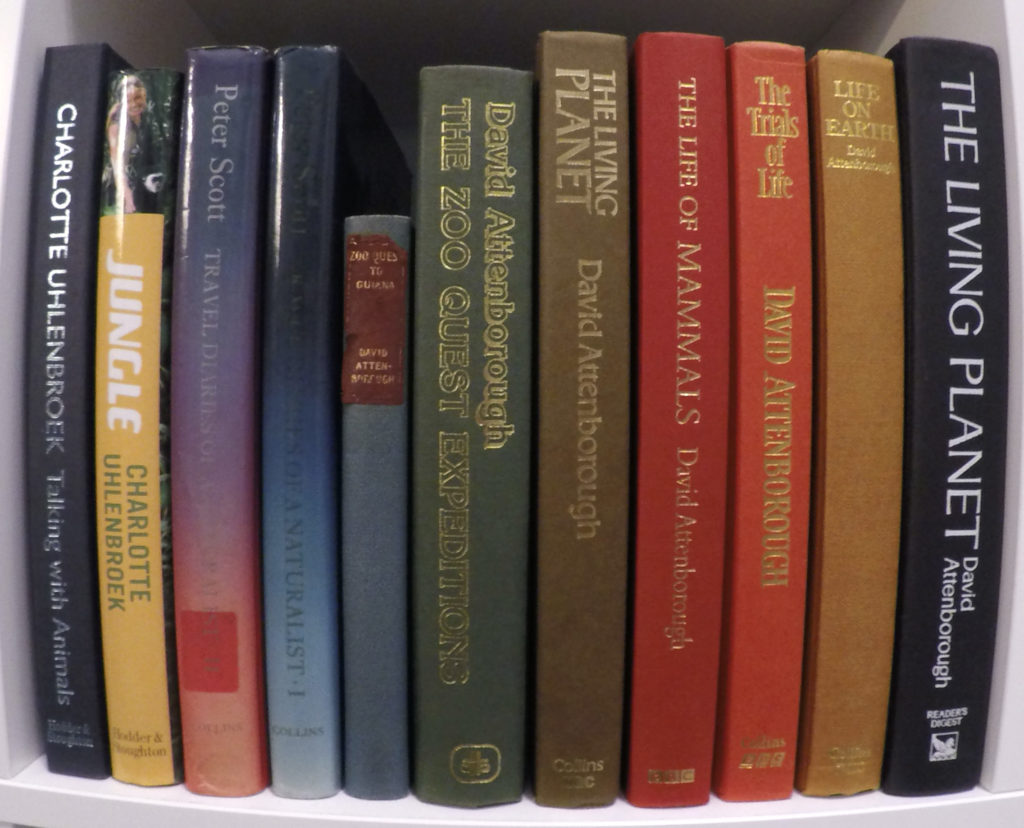
As we have become older, our way of shopping for books has changed. Once upon a time we went for volume – as many books as possible for as little as possible. We would lean towards wildlife photography books with lots of pictures rather than scientific prose.
It might have been ten years since our last visit to Hay-on-Wye and this time we purchased six nature books. Three of these were very old and all of them informative.
Out-of-date scientific books must be approached with caution. So many new things are being discovered regularly that it is often not long before so-called facts as well as theories are shown to be inaccurate. This is not an issue for general interest but if factual information is needed, the only way forwards is corroboration. As a result these books can be enjoyed but the internet then comes into play so we can check our facts.

“Out-of-date scientific books must be approached with caution. So many new things are being discovered regularly that it is often not long before so-called facts as well as theories are shown to be inaccurate.”
My favourite room in Hay-on-Wye is the antiquarian book room in the Hay Cinema Bookshop. Introduced with a sign exclaiming “browsers welcome”, the room often anticipates only the most avid book-collectors to make a purchase as many of the books are extremely old, precious and whilst not exactly priceless, do come with a hefty price tag. Fortunately on this occasion I closely inspected the antiquarian room’s natural history books and found a couple of real gems.
If you have ever found yourself in the natural history section of a second-hand British bookshop, there is a very good chance that you have also been faced with several copies of Gilbert White’s “The Natural History of Selborne”. For years this seemed peculiar to me until I discovered that White’s manner of study and writing was a first for nature books and it is now renowned as one of the most influential natural history books ever.
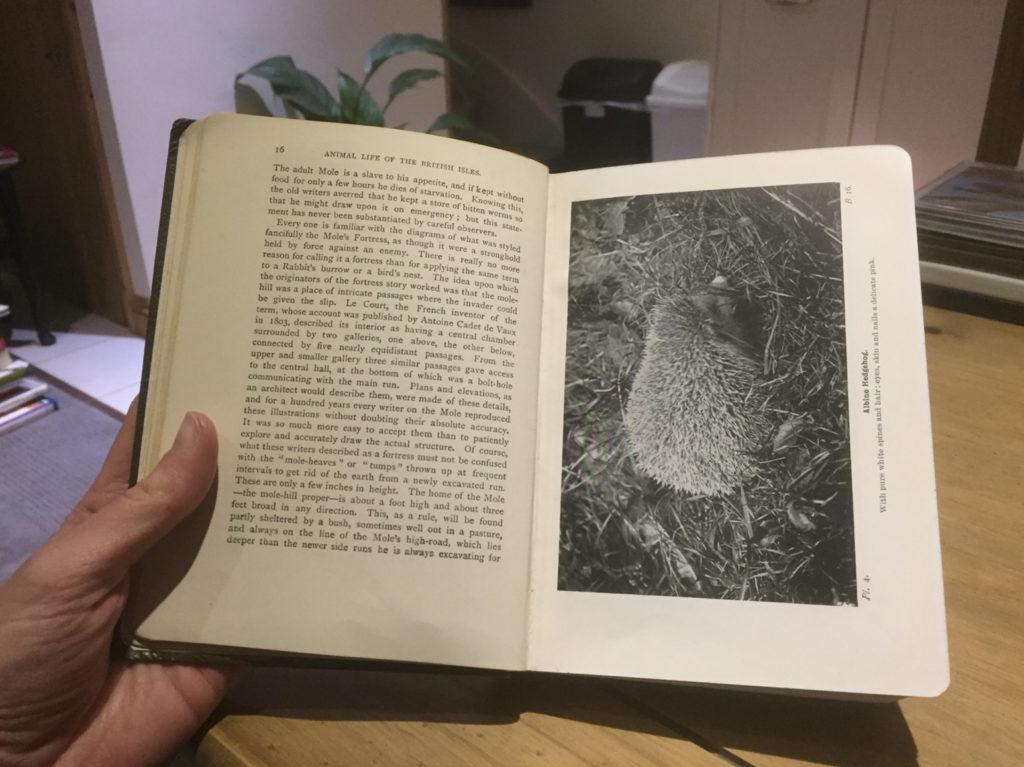
When I learned this, I felt that I ought to own a copy. Well, in the Hay Cinema Bookshop, I located just the copy for me, so just five pounds later, I was the proud owner of this unique book.
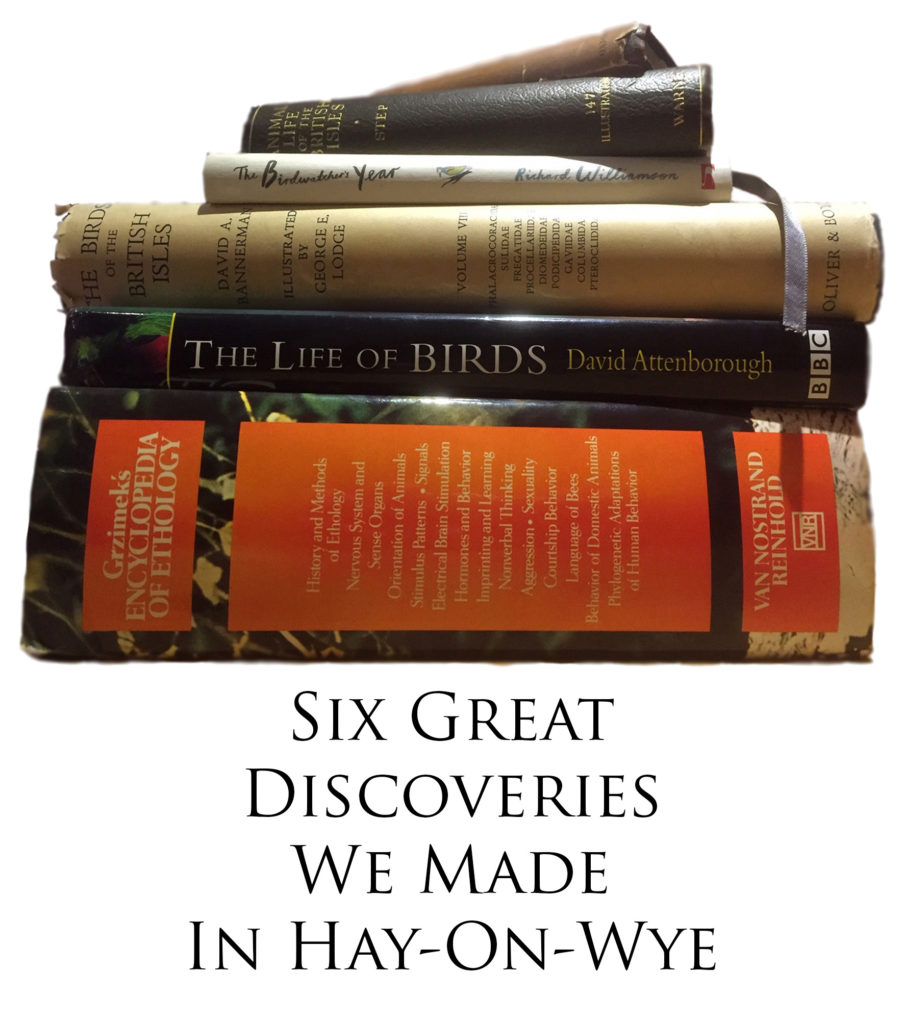
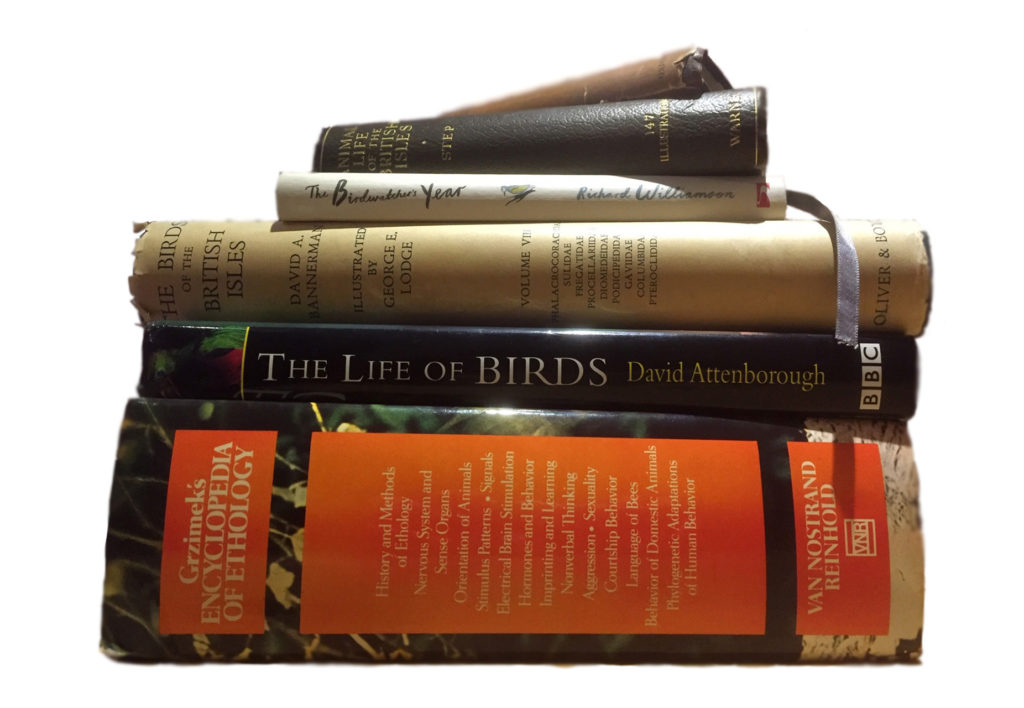
Within our day of book shopping in Hay-on-Wye, we also found ourselves owners of Edward Step’s “Animal Life of the British Isles”, Richard Williamson’s “The Birdwatcher’s Year”, Bannerman and Lodge’s “The Birds of the British Isles; Volume VIII”, David Attenborough’s “The Life of Birds” and Grzimek’s “Encyclopedia of Ethology”.
Each of these books has something different to offer, which is why we are going to review all of them in up-and-coming blog entries.
Own your own copy of these books:
Gilbert White’s “The Natural History of Selborne”
Edward Step’s “Animal Life of the British Isles”


Richard Williamson’s “The Birdwatcher’s Year”


Bannerman and Lodge’s “The Birds of the British Isles; Volume VIII”


David Attenborough’s “The Life of Birds”


Grzimek’s “Encyclopedia of Ethology”


Pay a visit to Hay-on-Wye to explore the book shops:
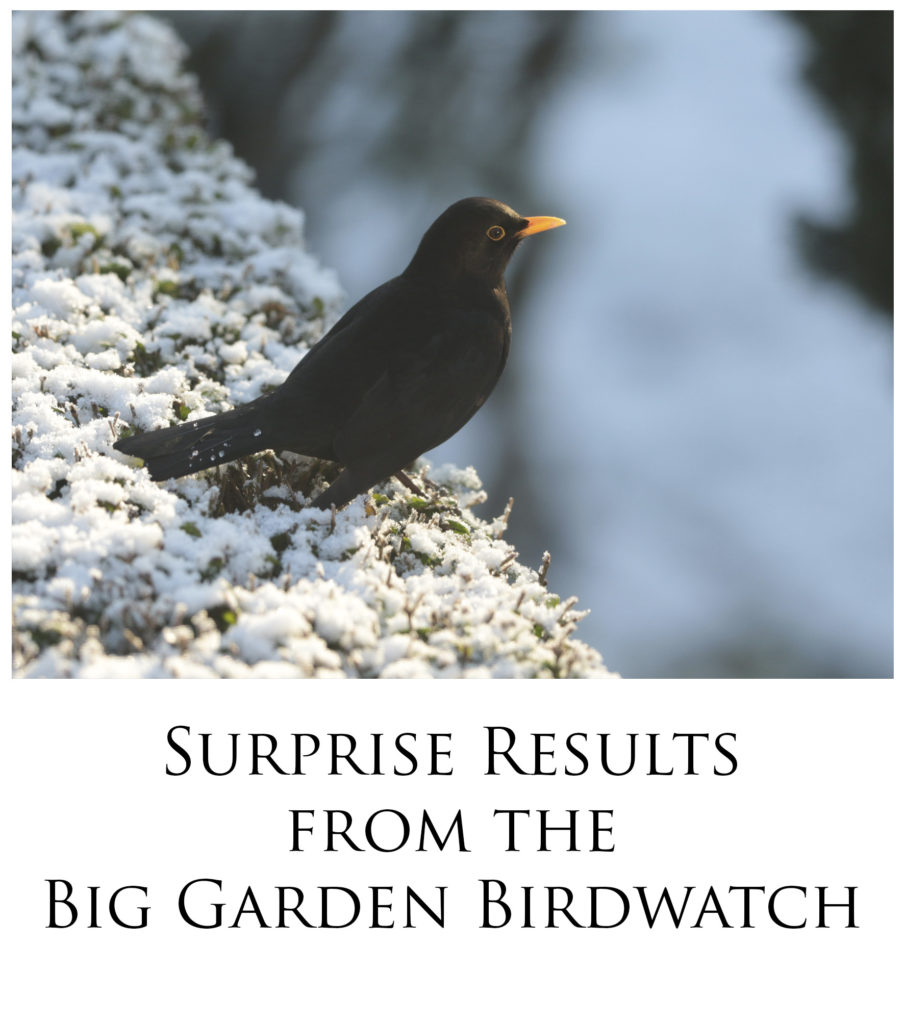
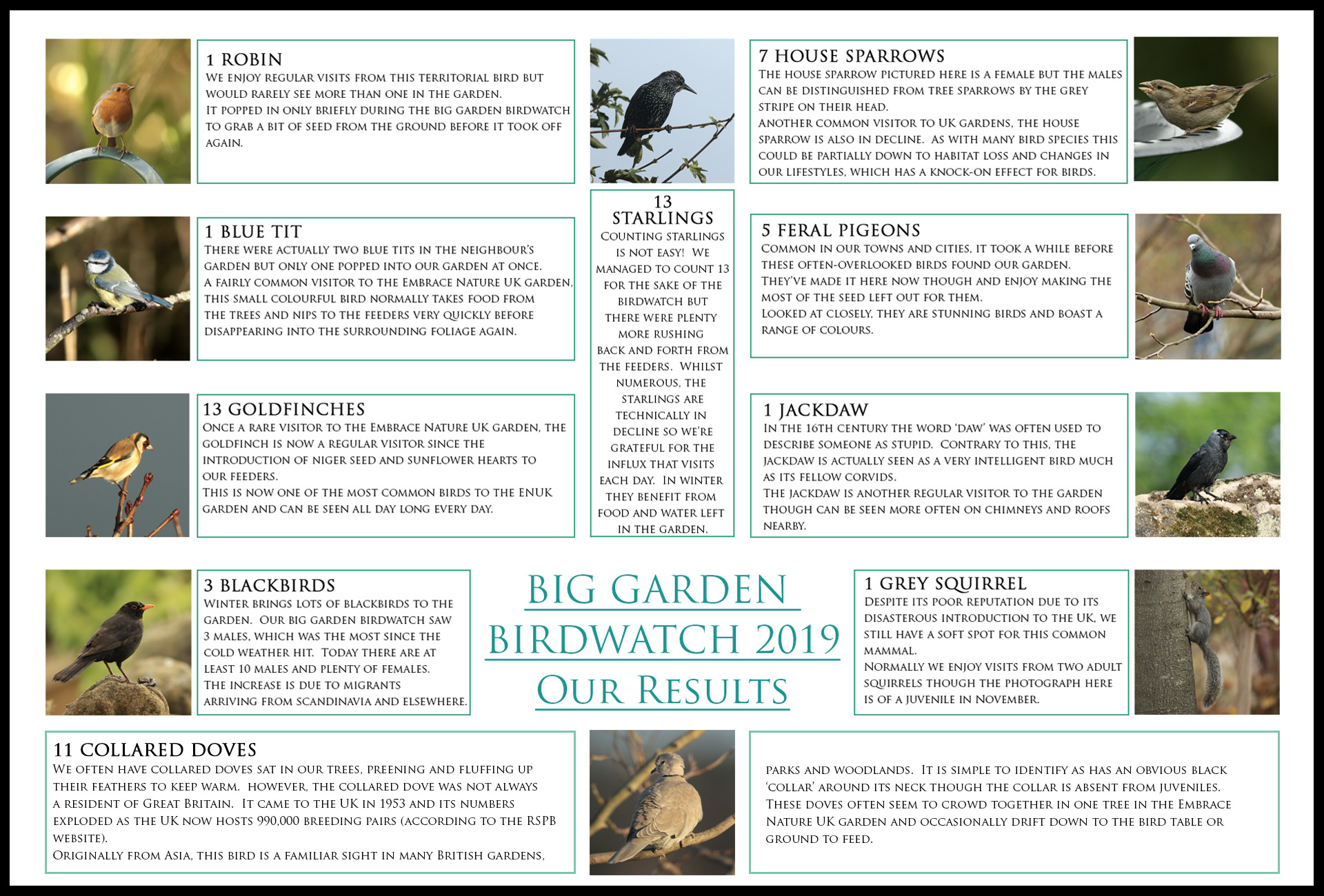
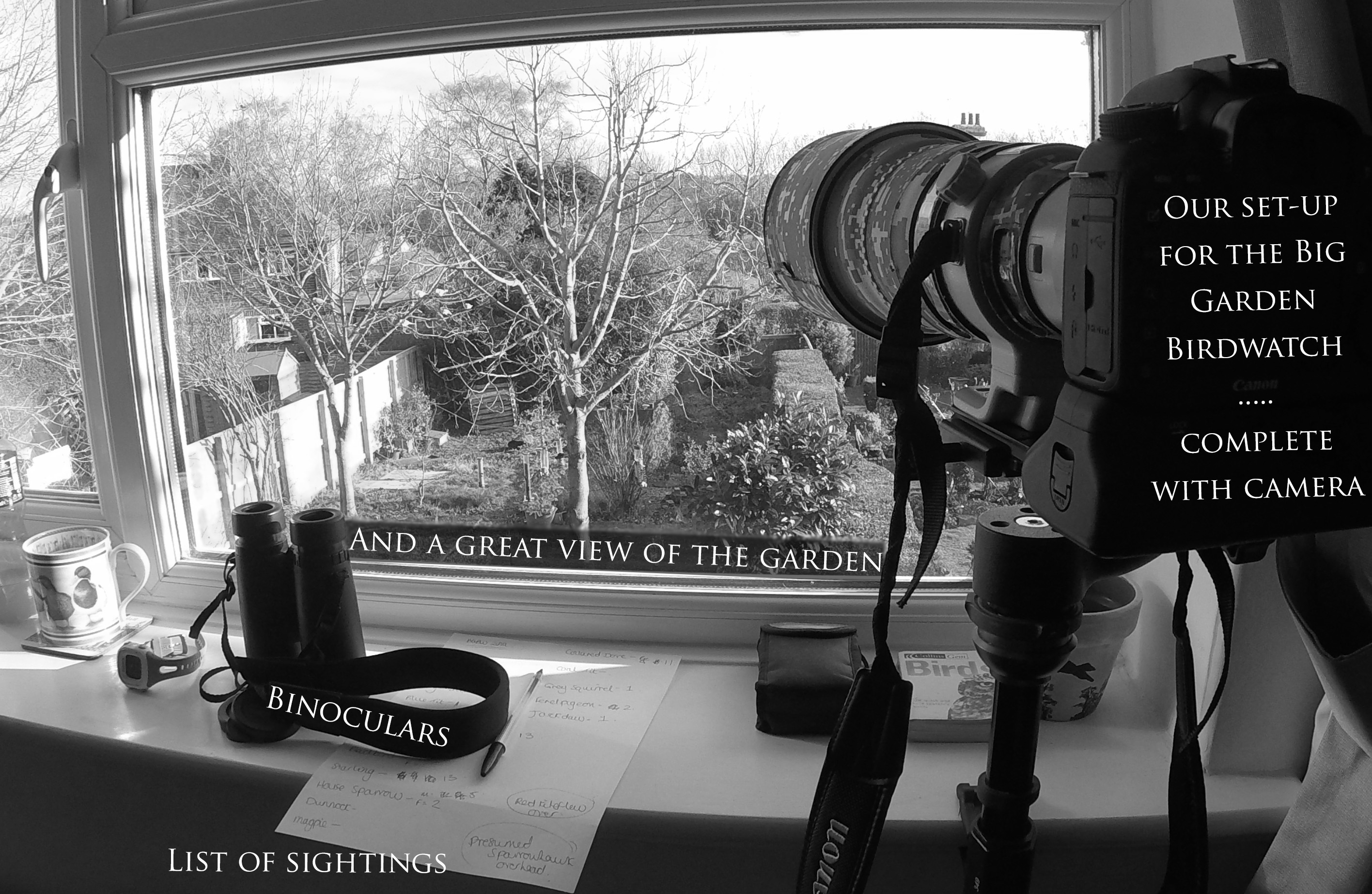
So that’s another year completed for our contribution to the RSPB’s Big Garden Birdwatch and what a year it has been! The great thing about the BGBW is that it gets you looking at the species in the garden now and has you reflecting on the visitors you’ve had in the past year.
It’s been an exciting year for us in the Embrace Nature UK garden as we’ve welcomed more species than ever before and can enjoy daily visits from some of them.
Here are our Big Garden Birdwatch results for 2019:
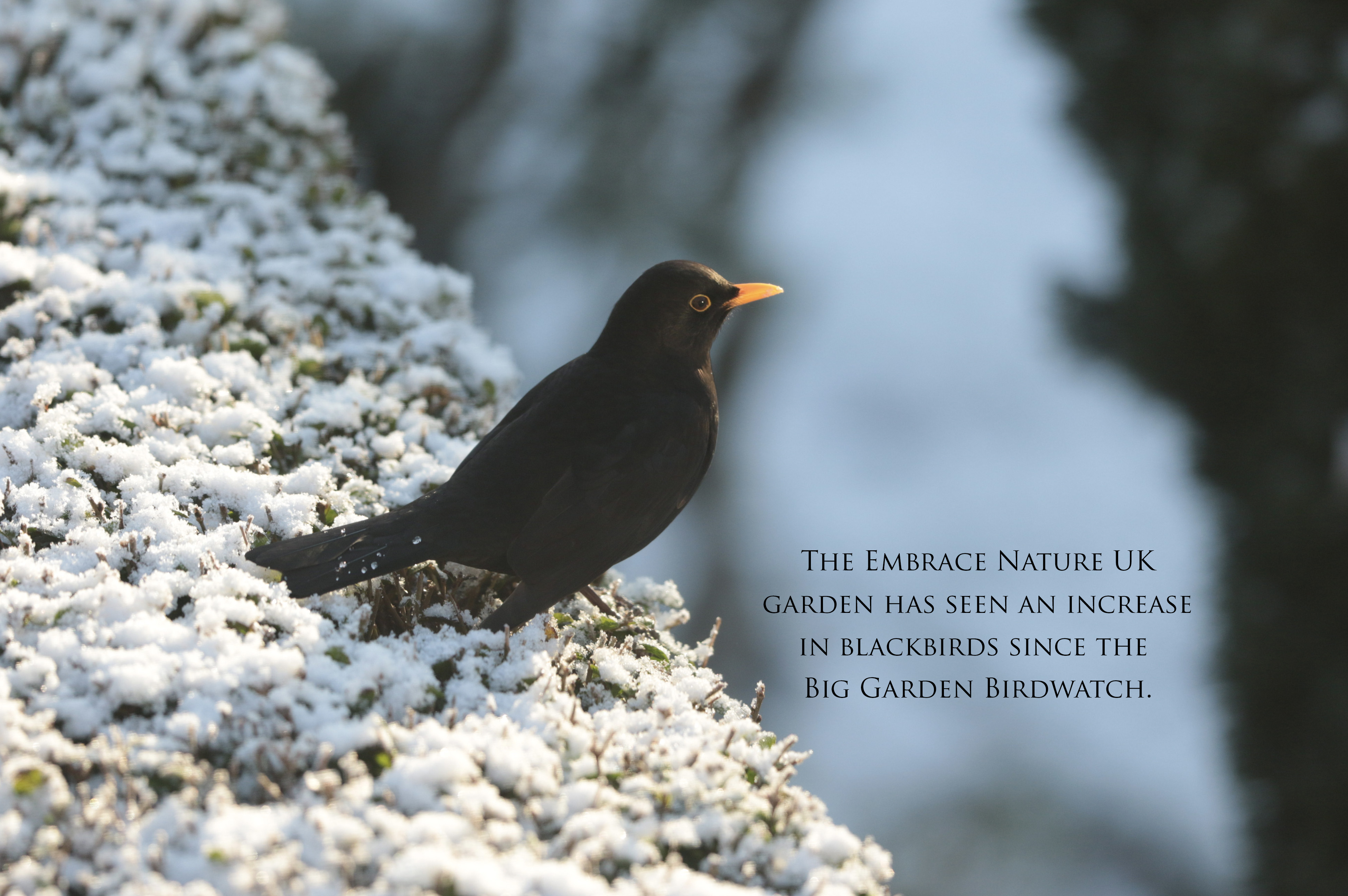
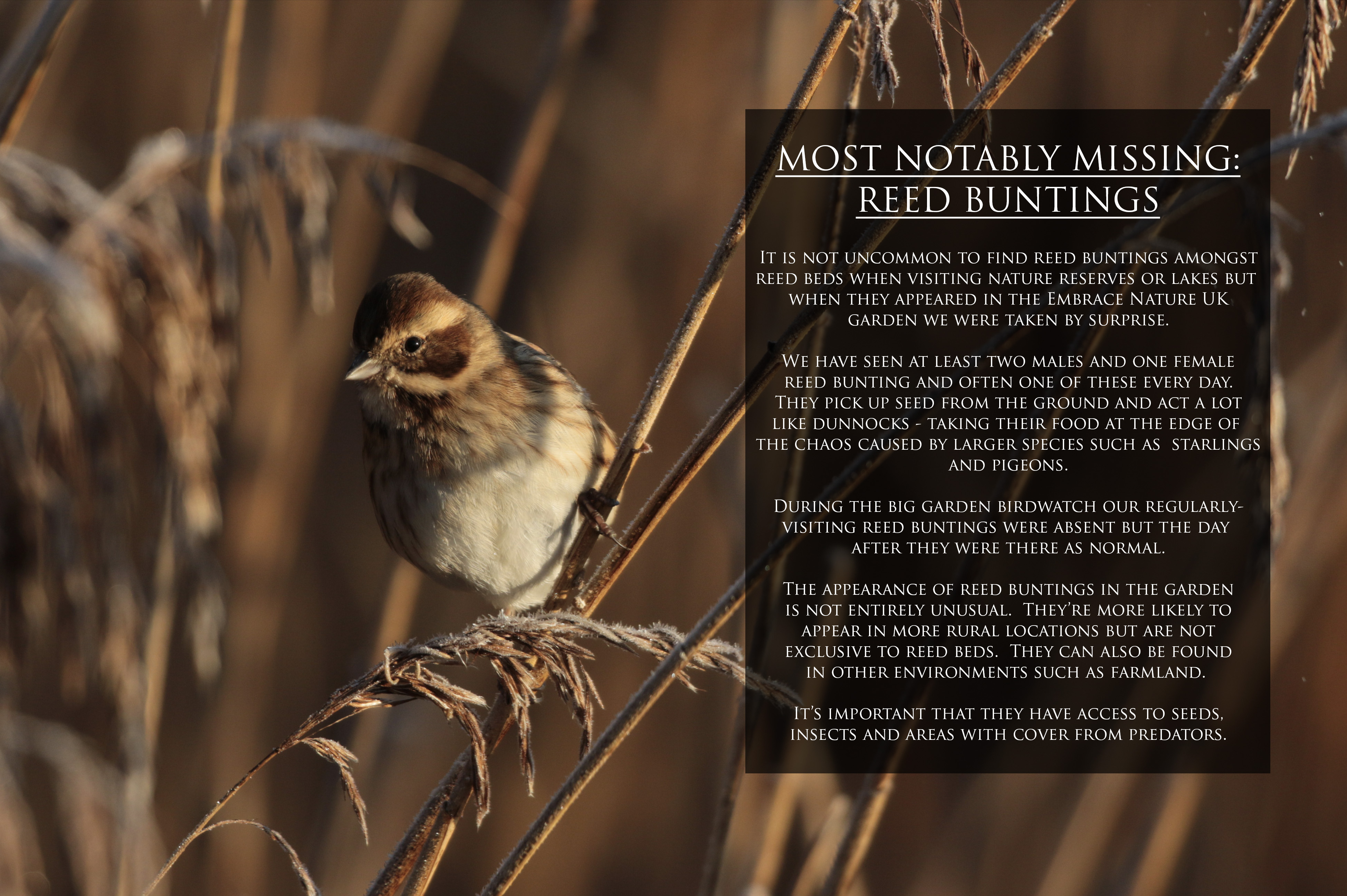
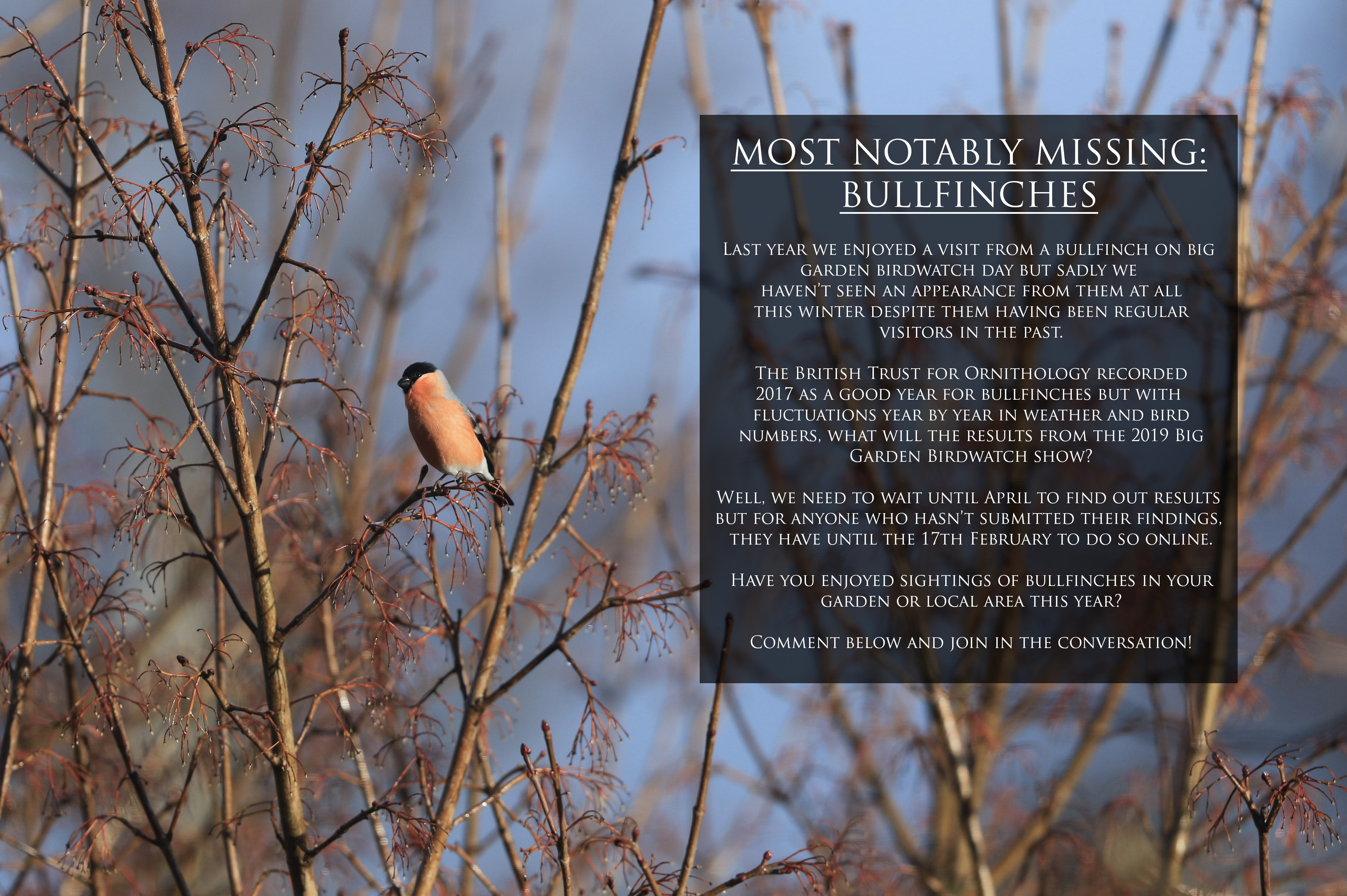
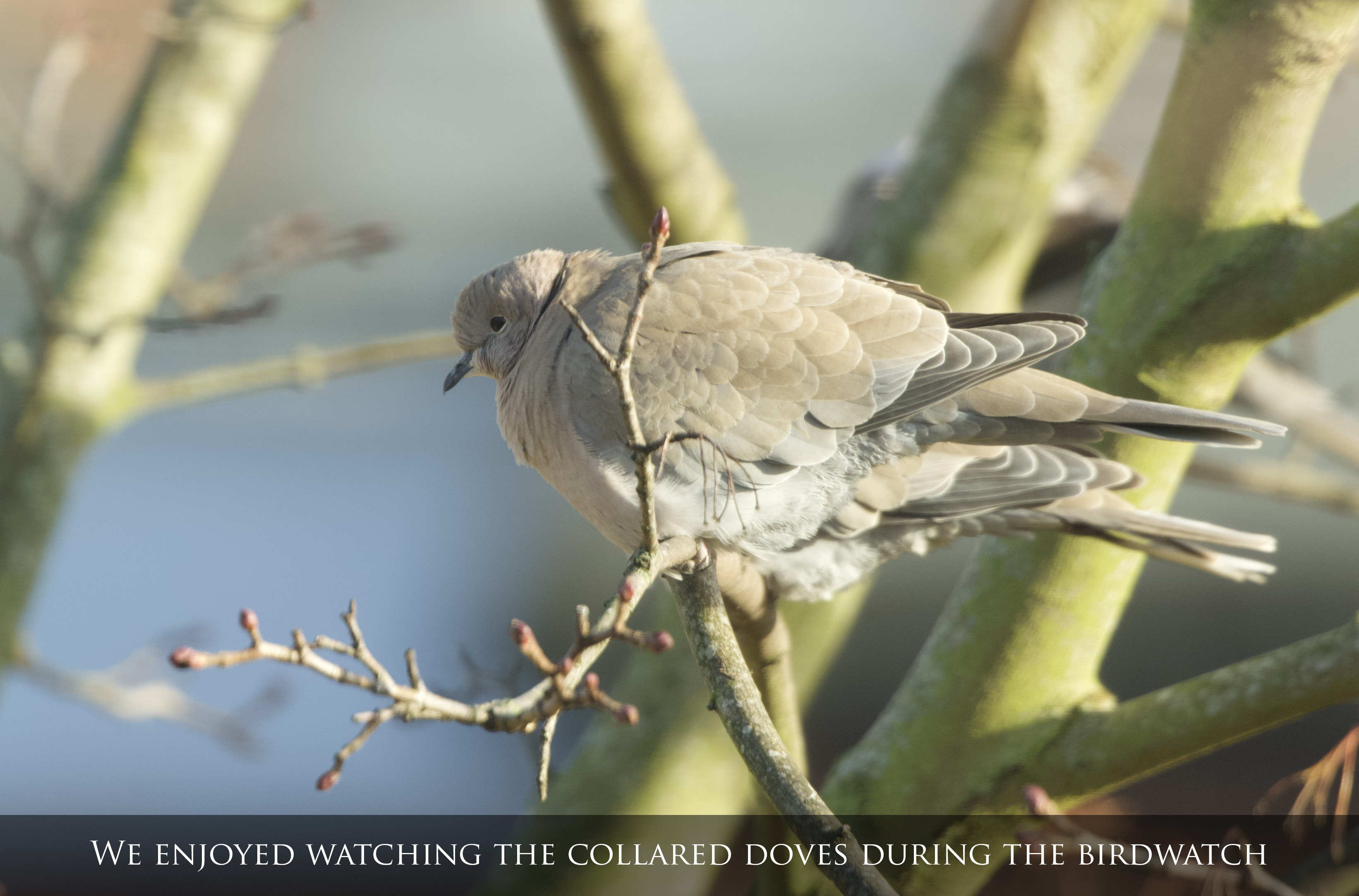

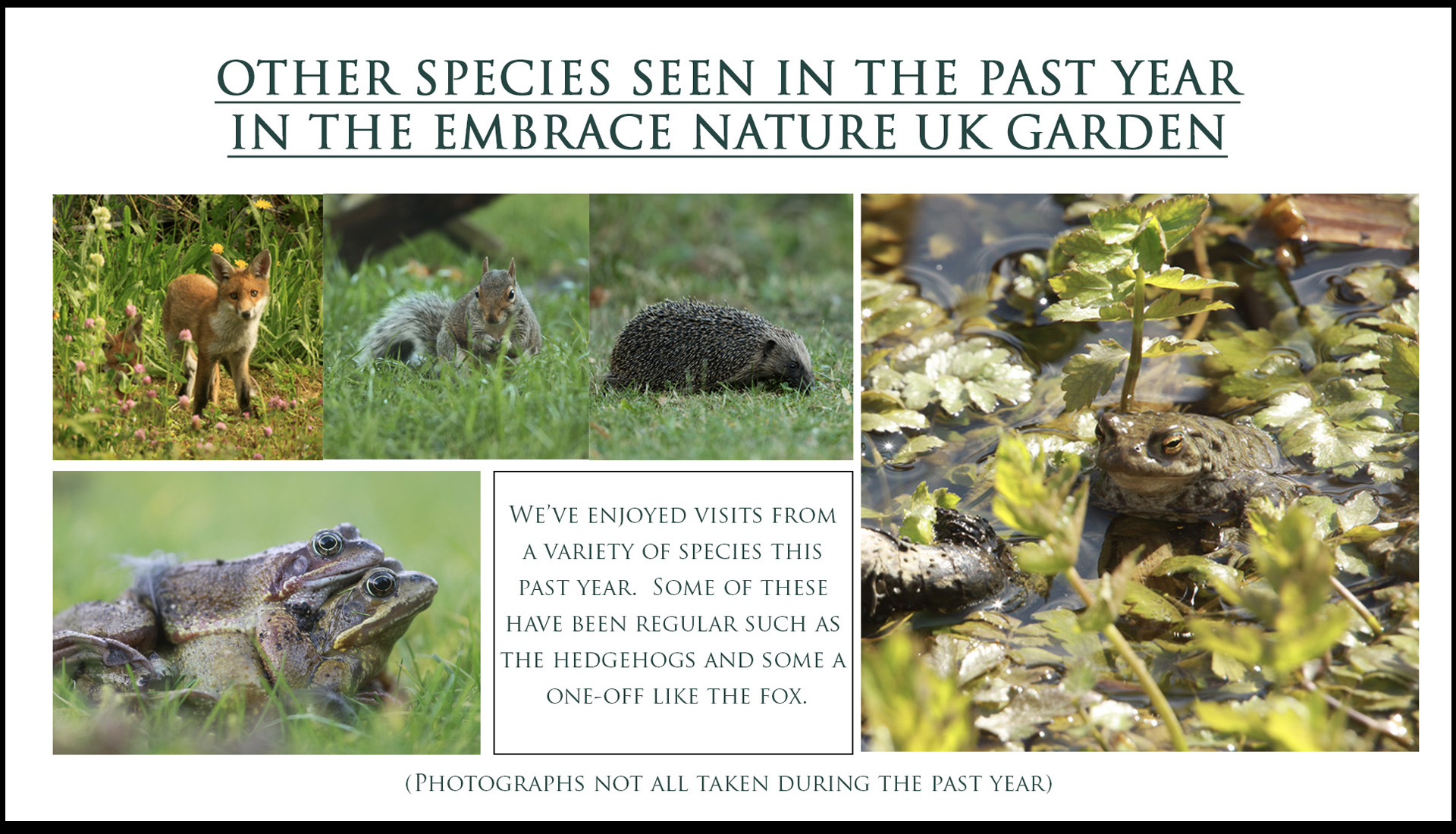
2019 will see the Embrace Nature UK garden change more as we bring it closer to being a traditional wildlife garden. It will be exciting to see what the Big Garden Birdwatch 2020 will bring!
‘WHAT I GOT FOR CHRISTMAS’
PART ONE


Christmas often brings a lot of nature-related gifts to my stocking. As David Attenborough is a giant amongst naturalists, it’s no surprise that one of his DVD box sets features amongst those gifts.
Dynasties follows five groups of animals as they struggle to survive and provide a future for their offspring. This beautifully shot series made me “ooh” and “aah” in amazement as the dramatic action unfolded and I was given a front seat to never-before-seen intimate footage of otherwise familiar animals.
Dynasties maintains the same high standard of wildlife-filmmaking as previous BBC nature documentaries and again makes us wonder…”what would we ever do without David Attenborough?”
Each of the episodes are gripping and taught me something new…a quality I look for in wildlife documentaries. The footage is incredible as a result of the latest technology being used to capture all aspects of these animal’s lives.
The only thing I didn’t like about this documentary is the over-use of the word “dynasty”. The concept works though. It has given us a chance to appreciate how the power of one lioness can keep a pride together and how a chimpanzee can fight from the brink of death to maintain its status at the head of its group. The unusually personal footage of the female tiger and her cubs is utterly endearing and wonderful to see.
Whilst there is a variation in the species focussed upon (chimpanzees, lions, penguins, painted wolves and tigers), it might have been nice to see even more variety. I am biased as orcas are my favourite of all animals, but an episode on orcas could have been incredible to see and would have been relevant to the concept.
Some of the most interesting parts of the programme are the ‘behind the scenes’ aspects. Who wouldn’t want to know how this amazing footage made it onto our television screens?
Sometimes a little controversy can accompany the ‘making-of’ portion of the programme as the question of whether to intervene in life or death situations is widely discussed.
The ‘Dynasties’ film crew received some criticism for helping penguins trapped in a hole of ice. I think it’s quite safe to say that the BBC experts understand the consequences of intervening and whether a situation calls for it. On this occasion the help seemed appropriate and I breathed a sigh of relief as the penguins waddled to safety. Nature is brutal though and at times when an average person may want to rush to save the day, it is not appropriate to interfere. The BBC understands this concept all too well.
One thing all of these epic BBC wildlife documentaries really achieve is attracting an audience that includes people who otherwise are not interested in nature. Much alike to Blue Planet II and Planet Earth II, Dynasties becomes an event that must be seen by everyone, regardless of whether they are normally interested in nature.
This front-row seat to these animal’s lives educates us in the most spellbinding manner. Long may the BBC continue to work their magic and keep our curiosities fulfilled with these excellent-quality programmes.
Get the accompanying book:


Read more:
Should the team has rescued the penguins? Learn more here.
26th – 28th January 2019
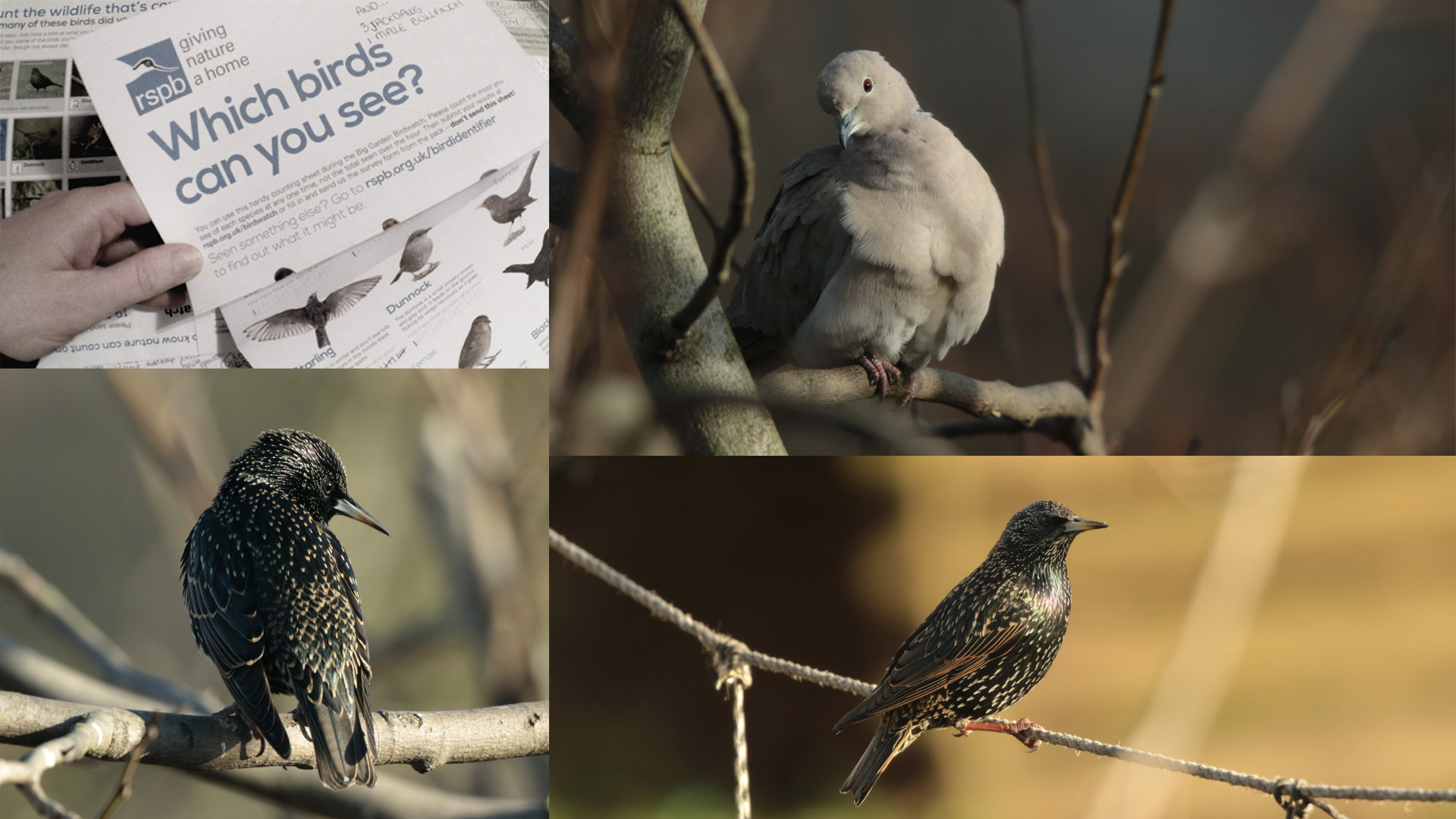
Well it’s almost that time of year again where Great Britain gets the binoculars ready, a cup of tea and stands guard for an hour to count the species visiting local gardens and parks. Yes, that’s right, it’s time for the ‘Big Garden Birdwatch’.
The Embrace Nature UK team will be ready as always to see which of our usual visitors appear during the hour and whether any unusual visitors turn up.
The ‘Big Garden Birdwatch’ began in 1979 and has allowed the RSPB to monitor bird and animal populations across the UK with the help of the general public.

The data shows us which species need the most help and any populations that have recovered slightly. For example there were less frogs and toads seen in 2018 than 2014 but more hedgehogs. Perhaps this shows that people’s efforts to create spaces for hedgehogs are paying off!
2018 saw a drop in blackbirds by 18% and robins by 12%. With bird populations in general still declining, there’s clearly plenty of work to be done. Even the more numerous house sparrow and starling populations are still reducing.
So here’s the opportunity to get involved and get bird-watching to help these populations to recover!

Join In
Follow this link to the RSPB website to get involved in the Big Garden Birdwatch
Prepare for 2019’s Big Garden Birdwatch
There’s still time to get a few bits and bobs that will help you along with identifying the visitors to your garden for your Big Garden Birdwatch hour.
Binoculars:
Identify birds more easily with a pair of binoculars. We have the RSPB Avocet binoculars, which we love. However, there are loads of great binoculars out there that will bring you closer to nature…


Bird Field Guide:
For those species that don’t appear on your RSPB ‘Big Garden Bird Watch’ sheet, a field guide is a massive help…


Happy bird-watching! We hope you enjoy your Big Garden Bird Watch!